Choosing the right waterfowl hunting books can sharpen your skills before the season starts and keep you learning long after opening day. The best titles blend practical field tactics, species knowledge, and proven advice from experienced hunters.
Whether you want to improve calling, build better spreads, identify birds faster, or understand modern duck and goose hunting fundamentals, this roundup highlights the most useful options for different skill levels and goals.
Best 10 Waterfowl Hunting Books Picks for 2026
Field Guide Pick
Ultimate Guide to Waterfowl Hunting

- Covers ducks, geese, gear, calls, and blinds
- Includes weather, terrain, and retriever advice
- Features 100+ photographs for practical guidance
Best For: Hunters who want a broad, modern how-to reference for ducks and geese.
Vintage Classic
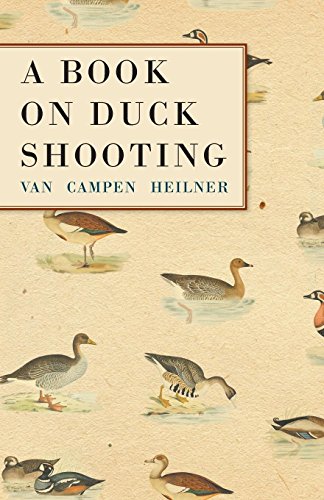
- Vintage duck-shooting tips and technique
- Blends equipment notes with historical anecdotes
- Republished in an affordable modern edition
Best For: Hunters and collectors who like older duck-hunting writing with a wide-ranging perspective.
Decoying Specialist
Ultimate Guide to Calling and Decoying Waterfowl

- Focuses on calling and decoy setup
- Covers species-specific and seasonal approaches
- Includes gear, blinds, boats, and retriever notes
Best For: Hunters who want a focused guide to calling, decoy placement, and field setup.
Expert Roundup
Wildfowl Magazine's Duck Hunting

- Compilation of expert duck-hunting articles
- Covers tactics, gear, scouting, and retrievers
- Compact 160-page format
Best For: Readers who want a compact collection of expert duck-hunting tips and tactics.
Field ID Guide
Waterfowl Identification (LeMaster Method)
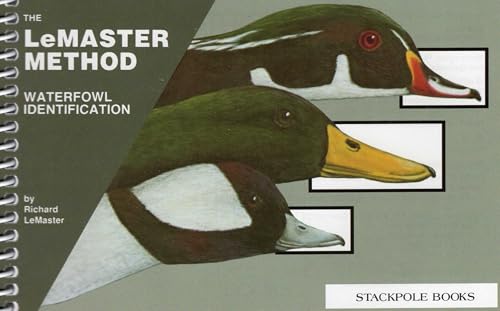
- Identifies 40 species of ducks, geese, and swans
- Revised edition from Stackpole Books
- Compact 80-page field reference
Best For: Hunters who want a compact identification guide
Duck Hunting Basics
The Complete Hunter: Duck Hunting

- Covers duck hunting methods, knowledge, and equipment
- 143-page instructional guide
- Part of The Hunting and Fishing Library
Best For: Hunters wanting a practical duck hunting handbook
Quick Field Reference

- 185 color photos of North American waterfowl
- Laminated, waterproof folding guide
- Side-by-side comparisons for similar species
Best For: Hunters needing a waterproof pocket field guide
Faith-Focused Field Journal

- 365-day devotional built around waterfowl hunting moments
- Pairs hunting scenes with Scripture and Christian reflection
- Large 704-page volume for extended daily reading
Best For: Hunters looking for a faith-based devotional tied to waterfowl experiences
Classic How-To Guide

- Covers blinds, decoys, hides, shelters, and more
- Concise, accessible guide aimed at amateurs
- Antique reprint with a broad classic wildfowling scope
Best For: Beginners and collectors wanting a practical classic duck-hunting reference
Gun and Gear Reference
Modern Waterfowl Guns and Gunning

- Focused specifically on modern waterfowl guns and gunning
- 288-page reference published by Stoeger
- Best suited to readers interested in the equipment side of duck hunting
Best For: Hunters wanting a topic-specific book on waterfowl guns and shooting
Field Guide Pick – Ultimate Guide to Waterfowl Hunting
The Ultimate Guide to Waterfowl Hunting: Tips, Tactics, and Techniques for Ducks and Geese
Check Price On AmazonIf you want waterfowl hunting books that cover the full system, this guide is built for practical use. It walks through ducks and geese, gear selection, decoying, calling, retriever handling, blind placement, and hunting in changing weather and terrain.
Best For: Hunters who want a broad, modern how-to reference for ducks and geese.
Pros:
- Covers many core topics, from species ID to blind placement
- Includes advice on gear, guns, ammo, decoys, and calls
- Addresses hunting in rain, snow, bluebird skies, fields, and flooded timber
- More than a hundred photographs help explain the material
Cons:
- Less focused if you only want one topic, like calling or decoy setup
- Heavy emphasis on practical coverage may feel broad rather than specialized
This is a strong all-around choice if you want one book that touches nearly every part of waterfowling. It suits hunters looking for a current, well-rounded reference rather than a niche manual.
Vintage Classic – A Book on Duck Shooting
For readers browsing waterfowl hunting books with a classic feel, this vintage volume leans into duck-shooting technique and field lore. It combines practical hints, equipment notes, and historical and anecdotal material, with chapters that range across different hunting grounds and styles.
Best For: Hunters and collectors who like older duck-hunting writing with a wide-ranging perspective.
Pros:
- Offers practical tips and hints on duck-shooting technique
- Includes information on equipment and best results
- Mixes historical and anecdotal content with field coverage
- Republished in an affordable modern edition
Cons:
- Vintage style may feel less direct than newer how-to guides
- Broad, chapter-based approach can be less structured for quick reference
This book stands out if you want a classic duck-hunting read with substance beyond pure instruction. It is especially appealing if you value tradition, old hunting stories, and a long-form treatment of the sport.
Decoying Specialist – Ultimate Guide to Calling and Decoying Waterfowl
If you are narrowing your search for waterfowl hunting books to a setup-and-execution resource, this one focuses tightly on calling and decoying. It explains how to work decoys in different conditions, call for different species through the year, and handle the practical gear side of duck and goose hunting.
Best For: Hunters who want a focused guide to calling, decoy placement, and field setup.
Pros:
- Strong focus on calling and decoying for ducks and geese
- Breaks down different species and seasonal calling approaches
- Includes guidance on labs, Chessies, firearms, blinds, and duck boats
- Useful for hunters looking to improve marsh or grain-field results
Cons:
- Less comprehensive than broader all-in-one waterfowl guides
- Best suited to readers who already want a topic-specific book
This is a practical pick if your biggest challenge is getting birds to finish. It keeps the focus on the tactics that matter most when you are trying to set decoys and make calling work in the field.
Expert Roundup – Wildfowl Magazine's Duck Hunting
Among waterfowl hunting books, this compilation is a handy option if you want advice drawn from multiple experts in one place. It collects how-to articles on field tactics, gear selection, scouting, top destinations, and retriever training, making it useful for hunters who like digestible, magazine-style instruction.
Best For: Readers who want a compact collection of expert duck-hunting tips and tactics.
Pros:
- Brings together tips from well-known waterfowl writers and experts
- Covers field tactics, gear, scouting, destinations, and retriever training
- Easy-to-scan compilation format
- Good fit for hunters seeking a broad but shorter resource
Cons:
- Shorter than some other guides at 160 pages
- Compilation format may feel less continuous than a single-author manual
This book works well if you want a quick, practical refresher rather than an exhaustive reference. Its strength is the range of expert voices packed into a slim, focused volume.
Field ID Guide – Waterfowl Identification (LeMaster Method)
If you want a focused waterfowl hunting book for fast field identification, this revised Stackpole edition is built around recognizing 40 species of ducks, geese, and swans. Its compact 80-page format makes it a straightforward reference for hunters who need a practical ID resource rather than a long hunting manual.
Best For: Hunters and birders who need a compact, species-focused waterfowl identification reference.
Pros:
- Covers 40 species of ducks, geese, and swans
- Revised edition from Stackpole Books
- Compact 80-page format for quick reference
Cons:
- Focused on identification rather than broader hunting tactics
- Very slim at 80 pages
- Older publication date may matter to buyers wanting newer material
This is a good pick if your priority is narrowing down species in the field with a concise guide. It looks best as an ID aid alongside other waterfowl hunting books that cover tactics, gear, and calling.
Duck Hunting Basics – The Complete Hunter: Duck Hunting
This waterfowl hunting book is aimed at hunters who want a practical guide to duck hunting methods, equipment, and basic know-how. With 143 pages from the Hunting and Fishing Library, it offers a broader instructional approach than a pure species ID guide.
Best For: Hunters looking for a practical duck hunting guide covering methods and equipment.
Pros:
- Covers knowledge, methods, and equipment for duck hunting
- Longer 143-page format than a pocket guide
- Part of The Hunting and Fishing Library series
Cons:
- Focused specifically on duck hunting, not all waterfowl
- Publication date is 1997
- May be more general than hunters seeking advanced tactics
If you want one of the more instructional waterfowl hunting books in this roundup, this title is a solid fit. It leans toward practical hunting guidance, making it a useful companion to more specialized identification references.
Quick Field Reference – Waterfowl of North America
If you need a pocket-sized waterfowl hunting book for field identification, this laminated Quick Reference Publishing guide is designed for speed and portability. It includes 185 color photos of breeding and commonly occurring North American waterfowl species, plus side-by-side comparisons to help separate similar birds.
Best For: Hunters who want a waterproof, pocketable waterfowl ID field guide.
Pros:
- 185 color photos across all featured species
- Laminated, waterproof folding format
- Includes side-by-side comparisons for similar species
- Fits easily in a back pocket
Cons:
- Only 12 pages, so it is highly condensed
- Designed for identification rather than hunting strategy
- Pamphlet format may feel limited for in-depth study
This is the most portable option here and a strong choice when you want quick visual confirmation in the field. For hunters building a set of waterfowl hunting books, it works best as a durable ID companion rather than a full how-to manual.
Faith-Focused Field Journal – Committed to the Call
If you’re browsing waterfowl hunting books and want something more reflective than technical, this devotional pairs duck hunting scenes with Scripture in a way that fits both quiet mornings and bedside reading. It draws on the stillness of pre-dawn hunts, moonlit waters, swamps, rivers, and fields to connect hunting memories with Christian lessons.
Best For: Waterfowl hunters who want a daily devotional that blends field experiences with faith-based reflection.
Pros:
- 365-day format gives you a full year of short devotional readings.
- Grounded in real waterfowl hunting experiences from the author’s long hunting background.
- Connects hunting stories with relevant Scripture and Christian meaning.
- Large 704-page volume offers plenty of material for ongoing reading.
Cons:
- More devotional than how-to, so it won’t replace a technical hunting manual.
- Strong Christian focus may not fit every reader looking for purely practical advice.
This is a strong pick if you want waterfowl hunting books that emphasize reflection, faith, and personal connection to the sport. It’s less about gear and tactics, and more about the meaning of time spent in the blind.
Classic How-To Guide – A Guide for the Duck Hunter
Among waterfowl hunting books, this antique guide stands out as a compact practical reference for duck hunting basics. It covers blinds, decoys, hides, shelters, bird flight, running a shoot, trapping, legal aspects, and gun selection in a concise format that’s easy to browse.
Best For: Amateur duck hunters who want a broad, practical overview of classic wildfowling topics.
Pros:
- Wide-ranging chapters cover many core duck hunting subjects.
- Concise and accessible, making it suitable for beginners.
- Includes practical subjects like blinds, decoys, and legal aspects of wildfowling.
- Compact 172-page format is easy to read and reference.
Cons:
- An antique reprint, so some information may feel dated.
- Less detailed than a modern in-depth field manual.
If you want waterfowl hunting books that focus on fundamentals instead of stories, this one is a straightforward pick. Its strength is breadth: it gives you a quick tour of many duck hunting essentials in a classic package.
Gun and Gear Reference – Modern Waterfowl Guns and Gunning
If your search for waterfowl hunting books is centered on equipment and shooting rather than storytelling, this title is the most direct fit in the group. Based on its subject and publisher details, it’s a focused reference on modern waterfowl guns and gunning from a well-known hunting publisher.
Best For: Readers who want a dedicated reference on waterfowl guns and shooting.
Pros:
- Clearly focused on modern waterfowl guns and gunning.
- Published by Stoeger, a familiar name in hunting books.
- Mid-length 288-page format suggests a more substantial reference than a slim guide.
- Good fit if you want a topic-specific hunting book rather than a general overview.
Cons:
- Supplied details don’t include a chapter list or deeper topic breakdown.
- Older publication date may matter if you want the newest gear discussion.
This is the most specialized option here for readers who care about the firearm side of the sport. It looks best suited to hunters who want a focused, practical book on guns and gunning within the waterfowl category.
How We Picked These Waterfowl Hunting Books
We focused on books that offer practical value to hunters, not just broad reading material. Selection favored clear instruction, respected subject matter, and topics that directly help in the field, from calling and decoy placement to blind setup, species identification, and shooting fundamentals.
We also looked for a mix of beginner-friendly guides and more specialized titles so readers can choose a book that matches their experience level and hunting style.
Quick Comparison of the 10 Waterfowl Hunting Books
These books cover a few distinct needs. Some are best for learning core duck and goose tactics, others focus on identification or calling, and a few lean toward season-long inspiration and tradition. If you want a single all-purpose starting point, choose a broad tactics guide. If you already know the basics, a specialized title may deliver more immediate value.
Key Buying Factors for Waterfowl Hunting Books
Subject Focus
Look first at what you want to improve. A caller may benefit most from a dedicated calling guide, while a new hunter may need a broader overview of blinds, decoys, shooting, and bird behavior. The best Waterfowl Hunting Books match the subject to the problem you are trying to solve.
Skill Level
Some books assume you already know common terms and field setups. Others are written for beginners and explain the basics in a more approachable way. If you are new to duck hunting, start with an all-around tactics book before moving into specialized references.
Species Coverage
Not every book treats ducks and geese equally. If you hunt both, choose a title that covers each clearly. If you primarily hunt one species, a more focused resource may be more useful.
Reference Value
The most useful Waterfowl Hunting Books are easy to revisit during the off-season. Diagrams, field examples, and clear explanations make a book more practical than one that reads well but offers little you can apply later.
Who Should Buy Which Waterfowl Hunting Books?
Beginners: Start with a broad duck and goose tactics book to learn the essentials of setup, movement, and field behavior.
Calling-focused hunters: Choose a calling and decoying guide that helps refine technique and improve realism in the field.
Bird identification nerds and conservation-minded hunters: A species and identification reference is the best fit.
Experienced hunters wanting deeper technique: Look for books centered on blinds, guns, gunning, and advanced waterfowl strategy.
Hunters who enjoy inspiration and tradition: A devotional or heritage-focused title can be a meaningful companion to the technical guides.
In short, the best choice depends on whether you want practical instruction, specialized improvement, or a broader understanding of waterfowl hunting. Matching the book to your goals will get you far more value than simply choosing the most comprehensive title.