Starting a home garden is easier when you have the right guide in hand. The best vegetable gardening books for beginners turn confusing terms, timing, and techniques into clear steps you can actually use.
This roundup focuses on approachable books for first-time growers, including raised-bed methods, simple planning advice, and harvest tips that help you grow more with fewer mistakes.
Best 10 Vegetable Gardening Books for Beginners Picks for 2026
Beginner-Friendly Starter Guide
Vegetable Gardening for Beginners

- Clear setup help for beds, containers, and soil
- Plant profiles for beginner-friendly vegetables and herbs
- Covers watering, mulching, pests, and companion planting
Best For: New gardeners who want a simple all-purpose vegetable gardening primer
One-Bed Growing Plan
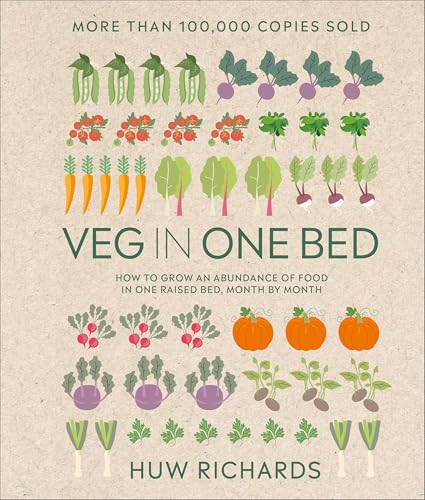
- Month-by-month raised-bed growing plan
- Includes seed starting, maintenance, and harvesting
- Great for small spaces and organic gardening
Best For: Beginners with limited space who want a structured year-round plan
Trusted Almanac Handbook
The Old Farmer's Almanac Vegetable Gardener’s Handbook

- Step-by-step advice for 32 vegetables
- Includes soil, seed, and companion planting guidance
- Handy frost-date charts and note space
Best For: New gardeners who want a detailed, reference-style guide
Space-Smart Raised Bed Guide
Raised-Bed Gardening for Beginners

- Step-by-step raised-bed setup and care
- Tips on crop rotation, seed starting, and partner planting
- Profiles 30 beginner-friendly herbs and vegetables
Best For: Beginners with limited space who want a simple raised-bed approach
Year-Round Harvests
The Year-Round Vegetable Gardener

- Covers succession planting for extended harvests
- Includes cold-weather care and crop protection tips
- Helps beginners choose varieties for flavor and success
Best For: Beginners who want to grow vegetables through more of the year
Simple Starts
GrowVeg Beginner Vegetable Gardening

- Over 30 beginner-friendly projects with photos
- Works well for small spaces and container-style growing
- Includes variety suggestions for first edible gardens
Best For: First-time gardeners who want easy, small-scale projects
First Garden Confidence
The First-Time Gardener: Growing Vegetables
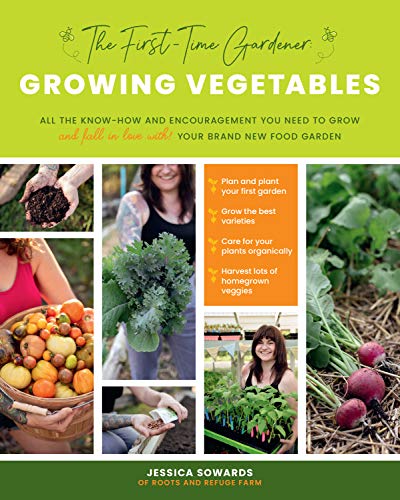
- Answers the most common beginner gardening questions
- Includes step-by-step instructions and full-color illustrations
- Covers soil prep, watering, pests, and seasonal growing
Best For: New gardeners who want encouragement and clear first-step guidance
High-Yield All-Region Guide
The Vegetable Gardener's Bible

- Uses the W-O-R-D system: wide rows, organic methods, raised beds, and deep soil.
- Includes profiles of hundreds of popular varieties.
- Built to help gardeners extend the season and improve yields.
Best For: Beginners who want a detailed, all-region vegetable growing reference.
Seed-Starting Raised Bed Plan
Raised Bed Gardening from Seed

- Focuses on beginner raised-bed gardening from seed.
- Explains bed setup, seed starting, and planting windows clearly.
- Includes 10 practical garden plans for different spaces and goals.
Best For: New gardeners in small spaces who want a seed-first raised-bed guide.
No-Dig Year-Round Beginner Guide
The Year-Round Vegetable Garden for Beginners

- Uses a simple no-dig method aimed at easier soil building.
- Covers raised beds, containers, companion planting, and pest control.
- Includes a vegetable guide and planting calendar for planning.
Best For: Absolute beginners who want a simple organic guide to growing food year-round.
Beginner-Friendly Starter Guide – Vegetable Gardening for Beginners
Vegetable Gardening for Beginners: A Simple Guide to Growing Vegetables at Home
Check Price On AmazonIf you want one of the most approachable vegetable gardening books for beginners, this guide focuses on the basics that help new gardeners get started with confidence. It explains how to build raised beds, prep containers, improve soil, and choose beginner-friendly vegetables and herbs, while also covering watering, mulching, companion planting, and seasonal care.
Best For: First-time gardeners who want a clear, all-around introduction to starting and maintaining a home vegetable garden.
Pros:
- Simple instructions for raised beds, containers, and healthy soil setup
- Includes plant profiles for popular crops like arugula, melons, rosemary, and peppers
- Covers companion planting, pest handling, watering, mulching, and year-round upkeep
- Written by Jill McSheehy, host of The Beginner’s Garden podcast
Cons:
- Broad beginner focus may feel basic for experienced gardeners
- Not centered on month-by-month planning or a single-bed system
- Less specialized if you want a deep reference on one gardening method
This is a practical starting point if you want a straightforward, beginner-first guide that covers the full early journey from setup to maintenance. It offers a solid foundation without overwhelming new growers.
One-Bed Growing Plan – Veg in One Bed
Veg in One Bed New Edition: How to Grow an Abundance of Food in One Raised Bed, Month by Month
Check Price On AmazonFor readers comparing vegetable gardening books for beginners with a practical, space-conscious approach, this title stands out for its month-by-month plan built around a single raised bed. It walks you through assessing your site, building a 4x10ft bed, starting seedlings on a windowsill, and managing planting, maintenance, and harvesting through the year.
Best For: Beginners with limited space who want a structured raised-bed plan they can follow month by month.
Pros:
- Month-by-month instructions make the process easy to follow
- Includes bed-building guidance, seed starting, and maintenance steps
- Offers alternative vegetables and plans for different conditions
- Focuses on organic, sustainable growing in a small space
Cons:
- Best suited to a raised-bed method rather than general garden styles
- Designed around one main bed, so it may feel limiting for larger gardens
- Some readers may prefer a broader overview instead of a structured annual plan
This book is especially useful if you want a step-by-step blueprint rather than a general reference. Its strength is turning a small space into a productive, manageable food-growing system.
Trusted Almanac Handbook – The Old Farmer's Almanac Vegetable Gardener’s Handbook
If you want vegetable gardening books for beginners that double as a dependable reference, this handbook offers step-by-step advice for growing 32 vegetables plus practical tools like frost-date tables and regional charts. It covers soil testing, in-ground growing, straw bale alternatives, seed starting, seed saving, companion planting, and includes plenty of photos, notes space, and Almanac-style humor.
Best For: Beginners who want a trusted, reference-style handbook with lots of practical detail and planning tools.
Pros:
- Step-by-step guidance for 32 vegetables
- Includes soil testing, seed starting, seed saving, and companion planting
- Helpful charts and tables, including frost dates for U.S. and Canadian regions
- Full-color photos and note space make it easy to use as a working handbook
Cons:
- Less focused on a single beginner project like one raised bed
- Reference style may feel less streamlined than a quick-start guide
- Some readers may prefer more visual, step-by-step seasonal planning
This is a strong choice if you want a reliable, information-rich handbook you can keep coming back to. It balances practical growing advice with planning resources that make it useful beyond the first season.
Space-Smart Raised Bed Guide – Raised-Bed Gardening for Beginners
Raised-Bed Gardening for Beginners: Your Guide to Growing Sustainability and Self-Sufficiency
Check Price On AmazonAmong vegetable gardening books for beginners, this title is a practical pick if you want to grow in a small space and keep the process simple. It covers how to plan, build, and maintain a raised-bed garden, plus crop rotation, partner planting, seed starting, growing zones, and growing and harvesting tips for 30 beginner-friendly herbs and vegetables.
Best For: Beginners with limited space who want a straightforward raised-bed guide focused on self-sufficiency.
Pros:
- Step-by-step help for building and maintaining a raised bed
- Covers crop rotation, partner planting, seed starting, and growing zones
- Includes growing and harvesting guidance for 30 beginner-friendly plants
- Designed to help inexperienced gardeners get started quickly
Cons:
- Primarily centered on raised-bed gardening, not all garden styles
- Shorter than some broader handbooks at 142 pages
- May feel basic for readers wanting more advanced planning or troubleshooting
This book is a good fit if your main goal is to turn a small space into a productive garden without unnecessary complexity. It stays focused on the essentials new gardeners need to build momentum fast.
Year-Round Harvests – The Year-Round Vegetable Gardener
If you want one of the most practical vegetable gardening books for beginners that also stretches beyond a single season, this guide focuses on growing food 365 days a year. It walks through succession planting, cold-weather care, and inexpensive structures that help protect crops, so beginners can start learning how to extend harvests without overcomplicating the process.
Best For: Beginners who want to keep harvesting vegetables longer and learn season-extending basics.
Pros:
- Explains succession planting in a beginner-friendly way.
- Includes cold-weather care tips for year-round growing.
- Shows how to build inexpensive crop protection structures.
- Uses variety selection advice to improve flavor and growing success.
Cons:
- Focuses more on extending the season than on absolute garden basics.
- May feel more useful after you’ve learned the first few setup steps.
Overall, this is a strong pick if your goal is not just to start a vegetable garden, but to keep it productive through changing seasons. The advice is practical and grounded in real growing experience, making it a useful next step for beginners who want to plan ahead.
Simple Starts – GrowVeg Beginner Vegetable Gardening
For beginners looking for vegetable gardening books that keep things approachable, this guide is built around small-scale, easy projects. It offers step-by-step photography and simple instructions for everything from a first edible garden to balcony herbs, jar sprouts, and other manageable growing ideas, making it easy to start with the space you have.
Best For: First-time gardeners who want small, achievable vegetable gardening projects.
Pros:
- Provides more than 30 approachable projects for beginners.
- Uses step-by-step photography to support the instructions.
- Includes ideas for small spaces like balconies, baskets, and kitchen counters.
- Offers veggie variety recommendations for a first edible garden.
Cons:
- Geared more toward simple starter projects than advanced planning.
- Best suited to gardeners who want guided examples rather than broad theory.
This is a smart choice if you want a friendly, confidence-building introduction to growing vegetables. The book keeps the scope manageable, which can make it easier for beginners to get started and stay motivated.
First Garden Confidence – The First-Time Gardener: Growing Vegetables
If you’re comparing vegetable gardening books for beginners and want one that answers the most common first-timer questions, this guide is especially helpful. It covers garden placement, soil prep, planting choices, watering, feeding, pests, and seasonal growing, with a friendly tone that aims to make a first food garden feel doable.
Best For: New gardeners who want clear, encouraging answers to the most common vegetable-growing questions.
Pros:
- Addresses core beginner questions in a clear, practical way.
- Includes time-management tips from an experienced homesteader.
- Explains eco-friendly layout, seasons, and small-space harvest tips.
- Features step-by-step instructions and full-color illustrations throughout.
Cons:
- At 176 pages, it is more of a compact starter guide than a deep reference.
- Focuses on first-season fundamentals rather than advanced techniques.
As an introduction to growing vegetables, this book stands out for how directly it answers beginner concerns. It should be a strong fit if you want a reassuring guide that helps you start your first garden with less guesswork.
High-Yield All-Region Guide – The Vegetable Gardener's Bible
If you’re comparing vegetable gardening books for beginners, this one stands out for gardeners who want a clear system and a big-picture reference. It focuses on the W-O-R-D method, using wide rows, organic methods, raised beds, and deep soil to support strong harvests across North American regions.
Best For: Beginners who want a thorough, region-friendly guide with a practical high-yield approach.
Pros:
- Explains Ed Smith’s W-O-R-D system in a way that emphasizes productive home growing.
- Covers wide rows, organic methods, raised beds, and deep soil for flexible garden planning.
- Includes profiles of hundreds of popular varieties, useful when choosing what to plant.
- Offers ideas for extending the growing season and working with fussier plants.
Cons:
- At 352 pages, it is a substantial read rather than a quick-start handbook.
- The depth may be more than some first-time gardeners need for a very small setup.
This is a strong choice if you want one book that can grow with you beyond the basics. It is especially useful if you value detailed variety information and a proven approach to getting more from a vegetable garden.
Seed-Starting Raised Bed Plan – Raised Bed Gardening from Seed
For readers looking at vegetable gardening books for beginners, this title is a practical fit if you want to start with seeds in a small-space raised bed. It explains how to plan, plant, and grow vegetables, herbs, and flowers while saving money and making the first season feel manageable.
Best For: New gardeners who want a clear, seed-focused raised-bed guide for small spaces.
Pros:
- Gives beginner-friendly guidance on bed size, soil, sun, water, drainage, and location.
- Explains direct sowing vs. indoor seed starting, frost dates, and planting windows.
- Includes 10 ready-to-use bed plans for food, flowers, kids, patios, and more.
- Covers vegetables, herbs, and flowers together for a flexible first garden.
Cons:
- Best suited to readers interested in raised beds and seed starting rather than every garden style.
- The long marketing-driven description suggests a more niche, lifestyle-focused approach.
This book is a good pick if you want a simple path from seed packet to harvest without overcomplicating the setup. Its planning tools and concrete examples make it especially friendly for first-time gardeners working in small spaces.
No-Dig Year-Round Beginner Guide – The Year-Round Vegetable Garden for Beginners
If you want vegetable gardening books for beginners that keep things simple, this one is built around an easy no-dig method and a year-round harvest mindset. It promises step-by-step help with raised beds, companion planting, pest control, and practical planning so you can grow fresh food with less confusion.
Best For: Absolute beginners who want a straightforward, organic, year-round garden plan.
Pros:
- Teaches a no-dig approach designed to improve soil with less work.
- Includes practical guidance for raised beds and container gardening in different spaces.
- Offers an A-to-Z guide to popular vegetables plus a planting calendar.
- Covers organic pest and disease control for chemical-free growing.
Cons:
- At 151 pages, it is shorter than some more encyclopedic gardening references.
- The listed publication date is 2025, so it is a newer title with less long-term track record.
This is a solid fit if you want a friendly, encouraging guide that tries to remove guesswork from the process. It is especially appealing for readers who want a simple plan for growing food consistently through the seasons.
How We Picked These Vegetable Gardening Books for Beginners
We looked for books that are genuinely beginner-friendly, with clear instructions, practical layouts, and advice that helps readers start small and succeed early. Priority went to titles that cover the basics without assuming prior gardening knowledge, while also offering enough depth to stay useful as skills improve.
We also favored books that address common starter topics such as soil prep, planting schedules, raised beds, succession sowing, pest prevention, and seasonal planning. For many new gardeners, the best choice is a book that removes uncertainty and gives a repeatable system.
Quick Comparison: Which Type of Book Fits Your Garden?
Some Vegetable Gardening Books for Beginners are broad primers, ideal if you want an all-around introduction. Others focus on raised beds, one-bed growing, no-dig methods, or year-round production. If you have limited space, a compact, systems-based book may be more useful than a general reference. If you want flexibility across climates and growing seasons, choose a title with strong planning and timing guidance.
Key Buying Factors for Vegetable Gardening Books for Beginners
Clarity and Structure
Look for books that break tasks into simple steps and use layouts that are easy to scan during the growing season. Diagrams, checklists, and month-by-month plans can make a big difference for first-time gardeners.
Garden Type and Space
Match the book to your setup. Raised-bed gardeners, container growers, and backyard growers may all need different advice on spacing, soil depth, watering, and crop selection.
Climate and Season Coverage
If you live in a region with short growing windows or unusual weather, choose a book that explains how to adjust planting times. Year-round and regional guidance is especially helpful when you’re learning what works in your area.
Practical Skill Building
The strongest beginner books teach repeatable habits: how to prepare beds, sow seeds, transplant seedlings, feed soil, and keep plants productive. That kind of instruction is more valuable than inspirational advice alone.
Who Should Buy Which Vegetable Gardening Books for Beginners?
If you want the simplest entry point, choose a broad beginner guide that covers the full process from planning to harvest. If you’re working with a raised bed or want to maximize a small space, a focused raised-bed or one-bed system book may be a better fit.
For readers who want to grow longer through the season, books with year-round and no-dig methods are worth a look. And if you prefer a confidence-building approach, pick a title that balances practical instruction with encouragement. The best Vegetable Gardening Books for Beginners make it easier to start, learn fast, and enjoy a productive first season.