Choosing the right trout fishing books can save time on the water and shorten the learning curve. Whether you want better stream reading, clearer fly selection, or more confidence with spin and bait tactics, the right book can make a real difference.
This roundup focuses on practical, buyer-friendly titles for anglers at different skill levels. From hatch matching and insect identification to stillwater strategy and rig setup, these books are built to help you fish smarter in 2026.
Best 10 Trout Fishing Books Picks for 2026
Classic Stream Tactics

- Updated classic hardcover edition
- Covers casting, nymphs, and wet flies
- Includes depth-control advice
Best For: stream anglers who want hands-on tactics
Stillwater Specialist
The Orvis Guide to Stillwater Trout Fishing

- Dedicated guide to lake and stillwater trout
- Covers gear, expectations, and food sources
- Built to help anglers create a strong foundation
Best For: fly fishers targeting lakes and stillwaters
Water-Reading Guide

- Covers riffles, runs, pools, and more
- Explains trout location with water factors
- Includes 140 color photos
Best For: anglers learning how to read trout water
Tip-Driven Handbook

- More than 250 fly-fishing tips
- Covers gear, casting, and water reading
- Compact and easy to reference
Best For: all-skill-level anglers wanting practical tips
Rig-by-Rig Trout Fishing Guide

- 18 rigs and 81 methods
- Moving-water and stillwater coverage
- Hundreds of instructive illustrations
Best For: Anglers who want detailed rig-and-presentation instruction
All-Around Trout Fishing Primer
Trout: The Complete Guide to Catching Trout

- Covers flies, lures, and live bait
- Compact 144-page guide
- Part of The Freshwater Angler series
Best For: Readers wanting a broad trout-catching overview
Spin-Fishing Strategy Book
Spin Fishing for Trout: Strategies and Tactics
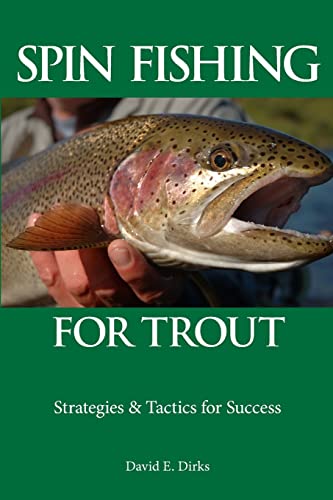
- Advanced spin-trout tactics and strategy
- Insights from multiple experienced anglers
- Covers seasonal lures and pressured water
Best For: Experienced spin anglers seeking advanced trout tactics
Trout Stream Insects Guide

- Covers major trout stream insects across the U.S.
- Includes hatch charts and fly pattern recommendations.
- Explains why particular flies match specific hatches.
Best For: Beginners and improving fly fishers who want practical hatch knowledge
Classic Trout Fishing Reference

- Classic single-volume guide on how, why, and where to catch trout.
- Originally published in 1938; still presented as relevant.
- Substantial 576-page reprint for deeper study.
Best For: Readers who want a classic, comprehensive trout guide
Coastal Trout Tactics

- Targets spotted weakfish, or seatrout, in coastal Gulf and Atlantic waters.
- Draws tips from leading guides and light tackle anglers.
- Covers locating fish, catching fish, and trout behavior.
Best For: Coastal anglers targeting inshore seatrout
Classic Stream Tactics – Joe Humphreys's Trout Tactics
If you want trout fishing books that focus on practical stream skills, this updated classic is built around proven on-water tactics. It covers casting, nymph and wet fly patterns, and ways to control fishing depth, making it a solid choice for anglers who want clear guidance for everyday trout situations.
Best For: Anglers who want a straightforward tactics book for stream fishing fundamentals.
Pros:
- Covers casting and presentation basics.
- Includes nymph and wet fly pattern tips.
- Explains how to control fishing depth.
- Updated hardcover edition of a classic title.
Cons:
- Focused more on tactics than broad trout fishing theory.
- Older original publication date may feel less current than newer guides.
Overall, this is a practical pick for readers who want core trout techniques they can apply on the water right away. Its emphasis on depth control and fly tactics gives it lasting value for stream anglers.
Stillwater Specialist – The Orvis Guide to Stillwater Trout Fishing
Among trout fishing books, this guide stands out for anglers who fish lakes and other stillwaters. It addresses the challenges of stillwater fishing, from the kit bag and expectations to food sources, and is aimed at helping readers build a foundation they can use over a lifetime on the water.
Best For: Fly fishers who want an in-depth guide to lakes and stillwater trout fishing.
Pros:
- Focuses specifically on stillwater trout fishing.
- Explains gear, expectations, and food sources.
- Designed to build a lasting foundation for anglers.
- Substantial 360-page guide with a practical scope.
Cons:
- Very specialized if you mainly fish rivers and streams.
- May be more detailed than a casual beginner needs.
This is a strong choice if your trout fishing happens on lakes and you want a guide that tackles the unique learning curve. It offers a focused path from trial-and-error toward more confident stillwater decisions.
Water-Reading Guide – Reading Trout Water
If you are comparing trout fishing books that teach where fish actually hold, this updated full-color edition is a strong option. It covers riffles, runs, pools, flats, pocket water, and bank water, while also showing how currents, temperature, oxygen levels, and food sources affect trout location.
Best For: Readers who want to improve their ability to locate trout in different water types.
Pros:
- Covers a wide range of water types.
- Explains trout location using key water factors.
- Includes 140 color photos for visual reference.
- Second edition is fully updated and in full color.
Cons:
- More about reading water than tackle or fly selection.
- May be best paired with a technique-focused guide.
This book is especially useful if you want to fish smarter by understanding where trout are likely to be found. Its visual approach and water-type coverage make it a practical reference for on-the-water decision-making.
Tip-Driven Handbook – Trout Tips
Trout Tips: More than 250 fly-fishing tips from the members of Trout Unlimited
Check Price On AmazonFor anglers shopping trout fishing books with broad, practical advice, this tip collection offers a compact approach to improving your game. It brings together more than 250 fly-fishing tips from Trout Unlimited members, covering everything from selecting gear to casting, drifting, water reading, knots, and even tying flies.
Best For: Fly fishers who want a wide-ranging, tip-based refresher they can use at any skill level.
Pros:
- Includes more than 250 fly-fishing tips.
- Covers gear, casting, drifting, and water reading.
- Touches on knots, wading, and fighting fish.
- Compact format makes it easy to dip into as needed.
Cons:
- Tip format may feel less structured than a step-by-step course.
- Broad coverage means some topics are not deeply developed.
This is a versatile pick if you want a quick-reference style book rather than a single-topic deep dive. Its range of tactics makes it useful for beginners and experienced anglers who want practical reminders.
Rig-by-Rig Trout Fishing Guide – Trout Rigs & Methods
If you want trout fishing books that go beyond general advice, this one focuses on how to set up and fish a wide range of rigs in creeks, rivers, tailwaters, and lakes. It covers 18 trout rigs and 81 methods, with clear instruction on reading water, choosing flies, and presenting rigs in moving and still water.
Best For: Anglers who want a detailed, method-focused trout fishing book for fly fishing setups and presentations.
Pros:
- Covers 18 rigs and 81 methods for many trout situations
- Includes moving-water and stillwater tactics
- Explains rig components like leaders, tippet, indicators, and weight
- Uses hundreds of illustrations for visual learning
Cons:
- Heavily focused on rig construction and technique rather than broad trout fishing overview
- Best suited to readers who want detailed instruction
This is a practical reference for anglers who like to learn by system and apply that knowledge on the water. If you want a trout fishing book that helps solve specific fishing situations, it has a lot to offer.
All-Around Trout Fishing Primer – Trout: The Complete Guide to Catching Trout
Trout: The Complete Guide to Catching Trout With Flies, Artificial Lures and Live Bait
Check Price On AmazonAmong trout fishing books, this title stands out for covering flies, artificial lures, and live bait in one compact guide. At 144 pages, it looks like a straightforward resource for anglers who want a broad overview of ways to catch trout without diving into an overly technical manual.
Best For: Readers who want a concise, all-around trout fishing book covering multiple bait and lure approaches.
Pros:
- Covers flies, artificial lures, and live bait
- Broad trout-catching overview in a compact format
- Part of The Freshwater Angler series
Cons:
- Shorter than many other trout fishing books
- Description provides limited detail about specific tactics
This is a simple pick for anglers who want one guide that spans several trout-fishing methods. It appears best for quick learning and general reference rather than deep technical study.
Spin-Fishing Strategy Book – Spin Fishing for Trout: Strategies and Tactics
If you are comparing trout fishing books for spin anglers, this one focuses on strategies and tactics rather than basic instruction. It draws on the experience of guides and trout spinning experts and covers topics like seasonal lure choices, water structure, pressured water, and knowing when to change lures or tactics.
Best For: Spin anglers who already know the basics and want advanced trout tactics and expert perspectives.
Pros:
- Focuses on strategy and tactics, not beginner basics
- Includes advice from multiple experienced anglers and guides
- Covers seasonal lure selection, water structure, and pressured water
- Addresses larger trout and when to switch approaches
Cons:
- Not intended as a basic 101 spin-fishing guide
- More useful for anglers with existing equipment knowledge
This book is a strong fit if you already fish for trout with spinning gear and want to sharpen decision-making on the water. Its value comes from practical insights collected from many experienced anglers.
Trout Stream Insects Guide – The Bug Book
If you’re comparing trout fishing books, this one is built to help you understand aquatic insects and how they influence your fly choice. The Bug Book focuses on the important trout stream insects across the United States, with hatch charts, fly pattern recommendations, and fishing strategies that make the information practical rather than overly technical.
Best For: New fly fishers and more experienced anglers who want a clearer, practical understanding of hatches and imitations.
Pros:
- Covers the major trout stream insects found across the United States.
- Includes hatch charts and fly pattern recommendations.
- Written to explain not just what works, but why it works.
- Approachable for beginners who want a basic entomology reference.
Cons:
- At 118 pages, it is more of a focused guide than an exhaustive encyclopedia.
- Anglers wanting highly detailed species-by-species hatch coverage may want a more specialized text.
Overall, this is a practical trout fishing books pick if you want a reference that connects insect knowledge to on-the-water decisions. It’s especially useful when matching a hatch matters and you want a straightforward explanation of how to choose flies with more confidence.
Classic Trout Fishing Reference – Trout
If you want one of the most respected trout fishing books in classic form, Trout stands out as a long-form reference on how, why, and where to catch trout. Originally published in 1938 and still relevant in this reprint, it offers a substantial guide for anglers who value proven fundamentals and a deeper look at trout fishing.
Best For: Anglers who want a classic, comprehensive trout reference with enduring advice.
Pros:
- Widely described as a standout single-volume trout fishing guide.
- Covers how, why, and where to catch trout.
- Large 576-page reprint offers substantial reading.
- Classic material that remains relevant decades after its original publication.
Cons:
- Its original 1938 roots may feel old-school to readers seeking a modern style.
- Not the lightest option for anglers looking for a quick, pocket-sized guide.
This is a strong choice if you want trout fishing books that go beyond basic tips and lean into established, time-tested knowledge. The depth and reputation make it appealing for readers who want a serious reference on trout tactics and behavior.
Coastal Trout Tactics – Trout Book (Inshore)
Among trout fishing books, this one is aimed at anglers chasing spotted weakfish, or seatrout, in coastal Gulf and Atlantic waters. The Trout Book brings together tips from leading guides and light tackle anglers, covering how to locate fish, read trout behavior, and improve your chances inshore.
Best For: Coastal anglers targeting seatrout who want practical inshore fishing advice.
Pros:
- Focused specifically on spotted weakfish, or seatrout, in coastal waters.
- Includes tips from leading trout guides and light tackle anglers.
- Covers locating trout, catching trout, and trout behavior.
- Useful for both experienced anglers and beginners.
Cons:
- Not a general freshwater trout guide.
- Its coastal focus makes it less useful for inland trout anglers.
If your fishing is centered on inshore seatrout, this book is a targeted choice with practical local insight. It’s less about broad trout theory and more about helping coastal anglers find fish and understand how they behave.
How We Picked These Trout Fishing Books
We looked for books with clear instruction, useful technical coverage, and a strong fit for real-world trout angling. Priority went to titles that explain tactics in a way beginners can follow while still giving experienced anglers enough detail to improve decision-making.
We also favored variety. This list includes fly-fishing fundamentals, stillwater strategy, stream reading, insect identification, and spin-fishing methods so different anglers can find a better match for their goals.
Quick Comparison: Which Trout Fishing Books Fit Which Angler?
If you want broad, all-around trout advice, choose a general tactics or complete-guide title. If you fish rivers often, look for books centered on reading water and stream insects. For lakes and reservoirs, stillwater-focused books are the better starting point. Anglers who prefer spinning gear or mixed methods should look for rig-and-method titles rather than fly-only guides.
Key Buying Factors for Trout Fishing Books
Technique Coverage
Check whether the book focuses on fly fishing, spin fishing, bait fishing, or a mix of methods. The best choice is the one that matches how you actually fish.
Water Type
Some Trout Fishing Books are built for moving water, while others emphasize stillwater. That distinction matters because trout behavior, presentation, and retrieve style can change a lot between the two.
Skill Level
Beginners usually benefit from books with clear diagrams, simple explanations, and foundational topics. Intermediate and advanced anglers may prefer titles with more depth on tactics, insects, or presentation adjustments.
Instruction Quality
Look for books that explain not just what to do, but why it works. Good trout books help you diagnose conditions and adapt on the water instead of memorizing a fixed set of rules.
Who Should Buy Which Trout Fishing Books?
New anglers should start with a general trout guide or a book that covers multiple methods. Fly anglers who want better success on streams should prioritize reading-water and insect-focused titles. Lake anglers should lean toward stillwater books, while spin anglers will get more value from method-driven instruction and rig setup advice.
If you want a small personal library, mix one broad reference with one specialized book for your primary water type. That combination gives you both a foundation and a more targeted playbook for specific fishing situations.