Bringing home a puppy is exciting, but the first few months can feel overwhelming without a clear training plan. The right book can help you stay consistent, avoid common mistakes, and build good habits early.
Our roundup of the best puppy training books for 2026 focuses on beginner-friendly guidance, positive methods, and practical advice for real-life puppy issues like potty training, socialization, and basic manners.
Best 10 Puppy Training Books Picks for 2026
Step-by-Step Beginner Guide
Puppy Training in 7 Easy Steps

- 7-step training structure
- Covers potty, crate, leash, and socializing
- Includes puppy-proofing and troubleshooting
Best For: new puppy owners who want a simple, structured plan
Classic Breeder-Backed Advice

- Revised edition with updated chapters
- Covers behavior, crating, adoption, and health
- Includes new photographs throughout
Best For: owners seeking a trusted, in-depth puppy reference
Behavior-Focused Training

- Focuses on preventing behavior problems early
- Covers housebreaking, nutrition, and obedience
- Includes stage-by-stage puppy development guidance
Best For: owners who want prevention-focused behavior advice
Concise Positive Reinforcement Guide
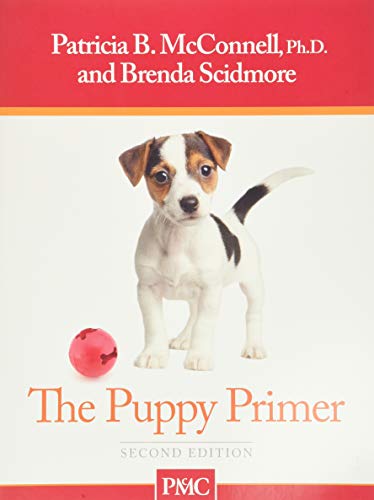
- Short, easy-to-read 117-page guide
- Covers socializing, crate training, and house training
- Built around humane positive reinforcement
Best For: readers wanting a compact, positive-training starter guide
Love-Based Puppy Training Guide
Zak George's Dog Training Revolution

- Positive, practical training approach
- Covers housetraining and behavior issues
- Includes videos tied to the lessons
Best For: New puppy owners who want a friendly, video-supported guide
Rapid Start Puppy Training

- Quick-start format for new puppies
- Compact 176-page guide
- Focused on early training foundations
Best For: Owners who want a short guide for the first week
Positive Step-by-Step Puppy Guide
The Only Positive Puppy Training Book You'll Ever Need

- Positive reinforcement focus
- Short daily training sessions
- Covers potty, crate, and socializing basics
Best For: Busy owners who want a structured, positive plan
Rookie-to-Champion Guide
WINNING with Your PUPPY Without Losing Your Mind

- Focuses on preventing bad habits early
- Covers crate, potty, leash, and socialization basics
- Uses a calm, practical coaching style
Best For: First-time owners who want a straightforward, stress-reducing puppy guide
No-Stress Starter Guide
Puppy Dog Training Made Simple

- Beginner-friendly step-by-step training plan
- Includes printable worksheets and schedules
- Covers potty, crate, obedience, and common issues
Best For: New puppy owners who want an easy, structured handbook with practical tools
Science-Backed Routine Guide
The New Puppy Training Handbook
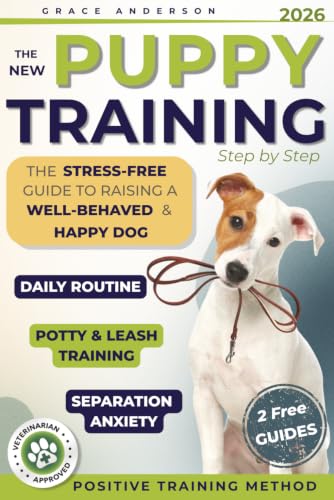
- Uses positive reinforcement and practical routines
- Covers house training, separation anxiety, and leash work
- Includes a long list of core obedience commands
Best For: Puppy owners who want broad, science-based guidance for everyday training
Step-by-Step Beginner Guide – Puppy Training in 7 Easy Steps
Puppy Training in 7 Easy Steps: Everything You Need to Know to Raise the Perfect Dog
Check Price On AmazonIf you want puppy training books that break the process into manageable pieces, this guide is built for first-time owners who want a clear plan. It covers home prep, crate and potty training, food aggression, socialization, leash walking, and key commands, while also explaining puppy body language and behavior so you can train with more confidence.
Best For: New puppy owners who want a simple, stage-by-stage training roadmap.
Pros:
- Breaks training into 7 easy steps for a straightforward learning path
- Covers essentials like crate training, potty training, socialization, and leash walking
- Includes puppy-proofing and supply prep before bringing your dog home
- Offers troubleshooting tips from the puppy’s point of view
Cons:
- Focused on fundamentals rather than advanced training topics
- Best suited to owners who prefer a structured beginner approach
This is a practical pick if you want a friendly, staged introduction to raising a well-behaved puppy. Its emphasis on positive reinforcement and understanding behavior makes it especially useful when you need clear next steps.
Classic Breeder-Backed Advice – The Art of Raising a Puppy
Among puppy training books, this revised edition stands out for readers who want a long-trusted reference with updated guidance. The Monks of New Skete cover canine behavior, the human-animal bond, play, crating, shelter adoption, urban raising, and modern canine health, making it a broad resource for the puppy stage.
Best For: Owners who want a classic, in-depth puppy reference with updated chapters.
Pros:
- Written by established dog-training and behavior authorities
- Updated chapters add current guidance on health, crating, and urban living
- Includes new photographs throughout the revised edition
- Provides broad coverage for both puppy care and behavior understanding
Cons:
- Longer than many beginner puppy guides at 352 pages
- May feel more reference-oriented than quick-fix focused
If you want a well-regarded, comprehensive book rather than a short starter manual, this is a strong choice. It balances training advice with broader puppy-raising insight, which can be useful beyond the first few weeks.
Behavior-Focused Training – How to Raise the Perfect Dog
This is a practical option in puppy training books if you want guidance centered on preventing problems before they start. Cesar Millan focuses on puppy development, housebreaking, nutrition, vaccination, boundaries, calm leadership, and correcting common issues early, all in an accessible style.
Best For: Owners who want behavior guidance and early-stage problem prevention.
Pros:
- Explains what to expect at each stage of puppy development
- Covers housebreaking, nutrition, vaccination, and obedience basics
- Emphasizes rules, boundaries, and calm-assertive leadership
- Offers exercises and play ideas tailored to different breeds
Cons:
- Less of a step-by-step beginner manual than some other titles
- Strong focus on behavior may not appeal if you only want basic training drills
This book works well if your priority is building a solid foundation and avoiding common mistakes. It is especially useful for readers who want a big-picture approach to raising a balanced dog from the start.
Concise Positive Reinforcement Guide – Puppy Primer
If you prefer puppy training books that are short, humane, and easy to put into practice, this concise guide delivers the basics without extra fluff. It focuses on socializing, crate training, house training, and positive reinforcement, making it a straightforward starting point for raising a well-mannered puppy.
Best For: Readers who want a brief, positive-training overview for early puppy care.
Pros:
- Concise format at 117 pages for quick reading
- Uses a humane, positive reinforcement approach
- Covers socializing, crate training, and house training
- Written by a leading animal behaviorist
Cons:
- More limited in scope than fuller training manuals
- May not cover advanced training or troubleshooting in depth
This is a strong pick if you want a compact guide that gets straight to the essentials. Its brevity and positive approach make it appealing for owners who want practical help without a heavy read.
Love-Based Puppy Training Guide – Zak George's Dog Training Revolution
Zak George's Dog Training Revolution: The Complete Guide to Raising the Perfect Pet with Love
Check Price On AmazonIf you’re comparing puppy training books that focus on practical, reward-based guidance, this one stands out for its modern, flexible approach. Zak George covers everything from choosing a pup and housetraining to biting, leash pulling, barking, and other common issues, with extra help from linked videos on his YouTube channel.
Best For: New puppy owners who want a positive, easy-to-follow training guide with video support.
Pros:
- Covers puppy basics like housetraining, basic training, and choosing the right pup
- Addresses common behavior problems including biting, jumping, barking, chewing, and leash pulling
- Includes corresponding videos so you can see the advice in action
- Also touches on health care, travel tips, and fun activities
Cons:
- At 240 pages, it may be more than some buyers want in a quick-reference book
- The broad scope means it covers many topics rather than focusing only on early puppy stage basics
Overall, this is a well-rounded option if you want puppy training books that teach with a positive mindset and practical examples. It is a strong fit for owners who want both instruction and real-world demonstrations.
Rapid Start Puppy Training – Perfect Puppy in 7 Days
For shoppers looking for puppy training books with a fast-start format, this title is built around helping you get a young dog on the right track quickly. It focuses on starting your puppy off right in a compact 176-page guide, making it a straightforward option if you want a concise training resource.
Best For: Owners who want a short, focused puppy training book for the earliest days at home.
Pros:
- Designed as a quick-start guide for new puppies
- Compact 176-page format is easy to manage
- Clear emphasis on getting started right from day one
Cons:
- Supply notes provide limited detail about specific training topics
- Listed condition note mentions some cover and page damage
This is a sensible pick if you want a streamlined, early-stage guide rather than a broad reference book. It looks especially useful for readers who prefer a shorter read they can put into action quickly.
Positive Step-by-Step Puppy Guide – The Only Positive Puppy Training Book You'll Ever Need
If you’re shopping for puppy training books that break the process into short, manageable sessions, this guide is built for busy owners. It emphasizes positive reinforcement and covers potty training, housebreaking, socializing, crate training, leash training, and common behavior issues in a step-by-step format.
Best For: Busy puppy owners who want a positive, structured training plan in small daily sessions.
Pros:
- Step-by-step positive training approach designed for short daily sessions
- Covers core puppy topics like potty training, housebreaking, socializing, and crate training
- Includes guidance on stopping chewing, biting, jumping, barking, and digging
- Promotes praise-and-reward methods over punishment
Cons:
- The description is heavily promotional and makes large results claims
- Includes bonus materials, which may be more than some buyers need
This book is a strong fit if you want a positive-reinforcement resource that aims to be easy to follow and time-friendly. Its short-session structure should appeal to owners who need practical help without a big time commitment.
Rookie-to-Champion Guide – WINNING with Your PUPPY Without Losing Your Mind
WINNING with Your PUPPY -- Without Losing Your Mind: Rookie to Champion: A Puppy Training Guide
Check Price On AmazonIf you want puppy training books that focus on real-life chaos, this guide keeps things simple and practical. It centers on clear communication, smart structure, and preventing bad habits before they stick, with advice on socialization, crate and potty training, leash manners, and surviving the adolescent phase.
Best For: New puppy owners who want a no-nonsense, confidence-building training book with a calm, structured approach.
Pros:
- Practical focus on the problems new owners face most: chewing, jumping, barking, and pulling
- Explains how puppies learn so you can manage the environment and build better habits
- Includes guidance on socialization, crate training, potty training, and adolescent setbacks
- Written in a clear, steady style aimed at reducing overwhelm
Cons:
- Shorter at 104 pages, so it may feel lighter than some fuller reference books
- Newest publication date may matter if you prefer long-established titles
Overall, this is a solid pick if you want puppy training books that translate into day-to-day action without piling on complexity. The NASCAR spotter analogy gives it a memorable framework, but the value is in the practical habits it emphasizes.
No-Stress Starter Guide – Puppy Dog Training Made Simple
This is a practical option if you’re comparing puppy training books and want a beginner-friendly plan you can follow from day one. It lays out step-by-step routines for potty training, crate training, obedience, and common issues like nipping, barking, and whining, all with a positive reinforcement approach.
Best For: First-time puppy parents who want a simple, reassuring training handbook with worksheets and clear routines.
Pros:
- Step-by-step structure designed for real schedules and real puppy problems
- Uses positive reinforcement methods and calm, confidence-building advice
- Covers potty training, crate training, obedience, socialization, and behavior issues
- Includes downloadable worksheets, logs, schedules, and checklists
Cons:
- May be too basic if you already know dog-training fundamentals
- Emphasis on simplicity means advanced training detail is limited
For buyers who want a clear, low-stress starting point, this book does a good job of turning puppy training into a manageable routine. It’s especially appealing if you like having printable tools to keep progress organized.
Science-Backed Routine Guide – The New Puppy Training Handbook
If you’re shopping for puppy training books that balance practicality with a science-based approach, this handbook is a strong fit. It focuses on real-world problems like potty training, separation anxiety, leash pulling, chewing, and barking, while offering step-by-step routines that can work around busy schedules.
Best For: Owners who want a practical, science-backed puppy training book with broad coverage of common behavior issues.
Pros:
- Science-backed, positive reinforcement approach with clear training steps
- Wide coverage of problems including house training, leash manners, and separation anxiety
- Includes many obedience foundations, from Sit and Stay to Heel, Quiet, and more
- Designed to fit both work-from-home and outside-the-home routines
Cons:
- Broad scope may feel less focused if you only need help with one issue
- At 132 pages, it may not go as deep as a more specialized training manual
As a roundup choice, this book stands out for covering a lot of puppy essentials without leaning on outdated advice. It’s a good all-around pick if you want a training-first guide that tries to make daily consistency easier.
How We Picked the Best Puppy Training Books
We focused on books that are useful for first-time and early-stage puppy owners, with clear step-by-step advice and practical coverage of the topics that matter most in the first year. Priority went to titles that emphasize positive reinforcement, simple routines, and realistic expectations for busy households.
We also looked for strong coverage of core training needs such as housebreaking, crate training, biting, leash manners, socialization, and troubleshooting common setbacks. The best Puppy Training Books should help you act quickly and confidently, not just explain training theory.
Quick Comparison
If you want a fast pick, think in terms of your main goal: some books are better for absolute beginners who need a structured start, while others are better if you want a more complete training philosophy that carries beyond puppyhood. If your priority is potty training and early house rules, choose a book built around short-term, day-one tactics. If you want long-term obedience and behavior guidance, look for a more comprehensive training approach.
Key Buying Factors for Puppy Training Books
Training Style
Look for methods that match your comfort level. Many owners prefer positive reinforcement because it is easier to apply consistently and supports a healthy bond with your dog.
Age and Experience Level
Some Puppy Training Books are designed for true beginners, while others assume you already know the basics. Choose a book that matches your current stage so you do not get buried in advanced material too early.
Core Topics Covered
The strongest books usually cover potty training, crate training, mouthing, socialization, basic cues, and problem prevention. If one of those areas is your biggest challenge, make sure the book addresses it directly.
Clarity and Structure
Clear schedules, checklists, and step-by-step instructions make it easier to apply advice consistently. A practical layout is often more valuable than a long, theory-heavy explanation.
Who Should Buy Which Puppy Training Books?
First-time owners should start with the most straightforward, beginner-friendly Puppy Training Books that focus on immediate routines and manageable daily steps. Families with young children may benefit from a book that strongly emphasizes socialization and calm behavior around people.
If you want a deeper, more complete system, choose a broader training guide that goes beyond puppyhood and supports long-term obedience. For owners with limited time, a concise, action-oriented book is usually the best fit because it is easier to follow consistently. The right choice depends on whether you need a fast-start plan, a full training philosophy, or a stress-free reference you can return to throughout puppyhood.