The best nature poetry anthologies make the outdoors feel newly vivid, whether they explore birdsong, wild landscapes, seasonal change, or humanity’s relationship with the planet.
We’ve gathered 10 distinctive collections for nature lovers, including illustrated gift books, daily-reading anthologies, classic selections, and globally minded ecopoetry.
Best 10 Poetry Anthologies for Nature Lovers Picks for 2026
Artful Wild Places

- Pairs nature poems with artwork
- Includes Metropolitan Museum of Art selections
- Focused 176-page format
Best For: Art and poetry readers drawn to wild landscapes
Fields Across Time

- Covers poetry across centuries
- Features international voices
- Explores beauty, war, and environmental crisis
Best For: Readers fascinated by the many meanings of fields and grass
Year-Round Calm

- Offers 365 nightly nature poems
- Follows the changing seasons
- Includes illustrations and classic voices
Best For: Bedside reading and seasonal unwinding
Environmental Voices

- Spans historical and contemporary poetry
- Focuses on nature and environmental concerns
- Includes influential American poets
Best For: In-depth readers of American ecopoetry
Best Women’s Nature Writing

- More than 100 women writers
- Poetry, essays, stories, and journals
- Revised edition with nearly 50 new pieces
Best For: Readers wanting an expansive, women-centered nature anthology
Best Compact Wilderness Gift

- 97-page hardcover collection
- Covers mountains, rivers, and forests
- Includes Wordsworth, Dickinson, Frost, and others
Best For: Casual readers and gift shoppers seeking accessible wild-nature poems
Best Bird-Themed Illustrated Anthology

- More than 100 bird poems
- Nearly 60 original illustrations
- Combines poetry, art, and field-guide elements
Best For: Birdwatchers and art-loving poetry readers
Global Voices in Nature
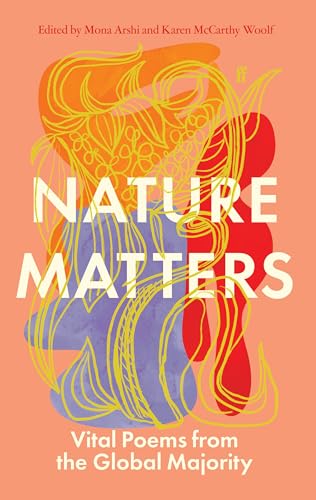
- Global-majority perspectives on nature
- Explores climate and ecological themes
- New commissions plus formative works
Best For: Readers seeking urgent, diverse ecopoetry
Everyday Wonder Pick

- Accessible poems about peace and renewal
- Includes diverse established and emerging poets
- Reflective pauses and group questions
Best For: Mindful readers and poetry newcomers
Classic Nature Keepsake

- Classic poems about flora and fauna
- Covers birds, flowers, trees, land, and sea
- Compact 64-page keepsake format
Best For: Fans of classic nature poetry and gifting
Artful Wild Places – Illustrated Nature Poetry
For readers seeking poetry anthologies for nature lovers with a strong visual component, Art & Nature pairs poems about the magnificence of wild places with artwork, including selections from the Metropolitan Museum of Art. Its 176-page format makes it a focused choice for browsing or gifting.
Best For: Readers who want nature poetry presented alongside fine art and museum-related imagery.
Pros:
- Combines nature poetry with an illustrated art-book presentation.
- Focuses on the magnificence of the world’s wild places.
- Includes works from the Metropolitan Museum of Art.
Cons:
- Its 1992 publication date may feel less current to readers seeking contemporary poetry.
- At 176 pages, it offers a more selective reading experience than larger anthologies.
This is a polished, visually oriented anthology for someone who values the relationship between landscape, poetry, and art more than an expansive survey of environmental writing.
Fields Across Time – Poems of Grasslands
The Echoing Green: Poems of Fields, Meadows, and Grasses (Everyman's Library Pocket Poets Series)
Check Price On AmazonThe Echoing Green is a strong pick among poetry anthologies for nature lovers who want to explore fields, meadows, and grasses across eras and cultures. This illustrated Everyman’s Library volume connects pastoral celebration with war poetry and contemporary environmental concerns in a portable 256-page edition.
Best For: Readers who want a historically broad, internationally sourced anthology centered on grasslands and their complicated human meanings.
Pros:
- Spans poetry from ancient Rome through contemporary writers.
- Includes poets from around the world, including Blake, Wordsworth, Bashō, Dickinson, and Walcott.
- Balances pastoral beauty with war and environmental-crisis perspectives.
Cons:
- Its specific focus on fields, meadows, and grasses may not suit readers seeking poetry about a wider range of nature subjects.
- The compact pocket format may provide less room for display than a larger illustrated book.
Choose this anthology for range and contrast: it treats grasslands as sources of beauty, memory, conflict, and ecological reflection rather than as a single uncomplicated pastoral theme.
Year-Round Calm – A Poem for Every Night
For a calming daily reading habit, A Nature Poem for Every Night of the Year stands out among poetry anthologies for nature lovers with 365 poems organized around the changing seasons. The generously illustrated 496-page volume is designed for bedside reading and includes both familiar and lesser-known poets.
Best For: Readers who want a seasonal nature poem to enjoy each evening before sleep.
Pros:
- Provides one nature poem for every night of the year.
- Reflects seasonal subjects from spring bluebells to winter woodland.
- Includes poets such as Wordsworth, Keats, Dickinson, Brontë, and John Clare.
Cons:
- Its 2.7-pound, 496-page format is less portable than a pocket anthology.
- The soothing bedtime approach may be less suitable for readers seeking an analytical or environmentally focused collection.
This is the most routine-friendly option in the group, especially if you want nature poetry to become a quiet nightly ritual rather than an occasional read.
Environmental Voices – The Ecopoetry Anthology
The Ecopoetry Anthology is the most substantial choice here for readers seeking poetry anthologies for nature lovers with an environmental and historical focus. Its revised 672-page collection covers contemporary American poetry about nature and the environment, while also tracing relevant writing from the mid-nineteenth to the mid-twentieth century.
Best For: Readers who want an authoritative, wide-ranging survey of American ecopoetry, including both celebration and concern about the natural world.
Pros:
- Offers a large 672-page selection of American poetry about nature and the environment.
- Combines historical context with contemporary environmental writing.
- Includes major voices such as Whitman, Dickinson, Stevens, Bishop, and Roethke.
Cons:
- Its substantial length and 2.31-pound weight make it less convenient for casual or portable reading.
- The focus on environmental complexity and disturbance may feel heavier than a purely celebratory nature anthology.
Pick this revised edition when depth and ecological perspective matter most. It is better suited to sustained reading and reference than to a quick, decorative browse.
Best Women’s Nature Writing – Sisters of the Earth
For readers seeking poetry anthologies for nature lovers with broader literary range, Sisters of the Earth combines poems, essays, stories, and journal entries by more than 100 women writers. Its revised edition adds nearly 50 pieces, making it a substantial choice for exploring nature as healer, companion, delight, and threatened home.
Best For: Readers who want an expansive, women-centered collection that blends poetry with nature writing and personal reflection.
Pros:
- Includes more than 100 poets and prose writers.
- Offers varied forms, including poems, essays, stories, and journal entries.
- The revised edition includes a new preface and nearly 50 new pieces.
- Features writers such as Emily Dickinson, Alice Walker, Ursula K. Le Guin, and Terry Tempest Williams.
Cons:
- Its mix of poetry and prose may not suit readers seeking poems exclusively.
- At 496 pages, it is a larger commitment than a compact gift anthology.
This is the strongest pick for depth and variety. Choose it if you want a wide-ranging literary conversation about the natural world rather than a narrowly themed collection.
Best Compact Wilderness Gift – Favorite Poems of the Wild
Favorite Poems of the Wild is a compact, gift-friendly option among poetry anthologies for nature lovers. This 97-page hardcover gathers handpicked poems about mountains, rivers, forests, trees, weather, and other wild subjects, with selections from poets including William Wordsworth, Li Po, Emily Dickinson, and Robert Frost.
Best For: Adventurers, casual poetry readers, and gift shoppers looking for an accessible collection focused on wilderness imagery.
Pros:
- Focuses on familiar wild landscapes such as mountains, rivers, and forests.
- Includes classic selections from a broad range of poets.
- The 97-page hardcover format is relatively compact and giftable.
- Features both widely known and less familiar nature poems.
Cons:
- Its shorter length offers less breadth than the larger anthologies in this roundup.
- The collection centers on selected verses rather than extended commentary or contextual material.
Pick this volume for portability and straightforward enjoyment. It works especially well when you want a concise hardcover collection to read outdoors or give to someone who enjoys wilderness themes.
Best Bird-Themed Illustrated Anthology – Bright Wings
For bird enthusiasts, Bright Wings stands out among poetry anthologies for nature lovers by pairing more than 100 classic and contemporary poems with nearly 60 original illustrations by David Allen Sibley. The collection treats birds as subjects of beauty, escape, transcendence, and connection with the natural world.
Best For: Birdwatchers, art lovers, and readers who want poetry accompanied by detailed bird illustrations.
Pros:
- Pairs more than 100 poems with nearly 60 original illustrations.
- Includes poets ranging from Catullus and Chaucer to Emily Dickinson and Billy Collins.
- Offers a distinctive combination of poetry collection, art book, and field-guide elements.
- Features bird-focused pairings such as Dickinson with the robin and Whitman with the eagle.
Cons:
- Its specialized bird theme may be less suitable for readers seeking landscapes or general nature poetry.
- The illustrated format may appeal less to shoppers wanting a purely text-based anthology.
This is the most specialized and visually oriented choice here. Select it when birds are the main attraction and you value the interplay between literary interpretation and ornithologically precise artwork.
Global Voices in Nature – Nature Matters
For readers seeking poetry anthologies for nature lovers beyond the usual Western canon, Nature Matters offers an urgent, globally focused collection. Edited by Mona Arshi and Karen McCarthy Woolf, it combines new commissions with influential works from the past 50 years.
Best For: Readers interested in global-majority perspectives, ecopoetics, climate themes, and socially engaged nature writing.
Pros:
- Features voices from African, Asian, and Caribbean diasporas.
- Covers climate crisis, urban nature, Indigenous wisdom, protest, and ecological change.
- Includes a broad, formally diverse contributor list and brand-new commissions.
Cons:
- Its urgent and politically engaged focus may not suit readers seeking only tranquil nature poems.
- At 200 pages, it may feel more selective than comprehensive.
This is a strong choice for readers who want contemporary environmental poetry shaped by varied cultural perspectives and alternative histories.
Everyday Wonder Pick – The Wonder of Small Things
The Wonder of Small Things is a welcoming choice for readers browsing poetry anthologies for nature lovers who prefer accessible poems about peace, renewal, and everyday beauty. Editor James Crews brings together established and emerging poets, with reflective pauses throughout.
Best For: Mindful readers, poetry newcomers, and book groups looking for uplifting poems and guided reflection.
Pros:
- Focuses on small wonders, peaceful moments, and connection with the living world.
- Includes diverse voices such as Joy Harjo, Linda Hogan, Ross Gay, Julia Alvarez, and Naomi Shihab Nye.
- Offers reflective pauses and reading group questions.
Cons:
- Its highly accessible, uplifting tone may feel less challenging to readers seeking experimental poetry.
- The collection emphasizes everyday wonder more than detailed natural-history subjects.
Choose this anthology when you want an approachable, restorative poetry collection that supports quiet reading, mindful living, or shared discussion.
Classic Nature Keepsake – Poems on Nature
For shoppers who want a compact classic among poetry anthologies for nature lovers, Poems on Nature gathers several dozen poems about flora, fauna, landscapes, and the sea. Its short format and elegantly designed presentation make it suited to casual browsing or gifting.
Best For: Readers who enjoy classic poets, traditional nature themes, and a concise keepsake edition.
Pros:
- Includes recognizable poets such as John Keats, Emily Dickinson, William Blake, and John Clare.
- Covers birds, wildlife, flowers, trees, land, and sea.
- Compact 64-page format is easy to browse or give as a gift.
Cons:
- Its several-dozen-poem selection is considerably shorter than a full-length anthology.
- The emphasis is on classic poets rather than contemporary or global-majority voices.
This is the simplest pick of the three for readers who value familiar literary names, clearly defined nature subjects, and a small, decorative volume.
How We Picked the Best Poetry Anthologies for Nature Lovers
We selected these anthologies for the quality and variety of their writing, the strength of their editorial focus, and their appeal to different kinds of nature readers. The lineup includes collections centered on birds, fields, wildlife, environmental responsibility, peace, and the changing seasons. We also considered format and usability, including illustrated editions, compact gift-friendly books, and anthologies suited to daily reading.
Because poetry is personal, no single collection will suit everyone. The best choice depends on whether you want familiar classic poems, contemporary ecological perspectives, visual artwork, or a book to read slowly over an entire year.
Quick Comparison
- Best for visual readers: Art & Nature and Bright Wings.
- Best for daily reading: A Nature Poem for Every Night of the Year.
- Best for environmental themes: The Ecopoetry Anthology.
- Best for classic landscapes: The Echoing Green and Poems on Nature.
- Best for broad representation: Nature Matters and Sisters of the Earth.
- Best for reflective gifting: The Wonder of Small Things.
Key Buying Factors for Poetry Anthologies for Nature Lovers
Theme and Scope
Check whether the book focuses on a specific subject or offers a broad survey. Bird lovers may prefer a dedicated collection, while readers interested in conservation, climate, and environmental justice may want an ecopoetry anthology or a collection featuring global voices.
Poem Selection and Reading Style
Some anthologies emphasize canonical poets and recognizable works; others highlight contemporary writers or overlooked perspectives. A dated, one-poem-per-day format encourages a regular habit, while a themed collection is better for browsing and comparison.
Illustrations, Size, and Gift Appeal
Illustrated editions can make nature poetry especially accessible and attractive as gifts, but they may be larger or more expensive. Pocket editions are portable and practical for travel, commuting, or reading outdoors.
Audience and Tone
Consider whether the recipient prefers calming, hopeful poems or more challenging writing about ecological loss and social responsibility. Previewing the contents and editorial introduction can help you choose an appropriate tone.
Who Should Buy Which Poetry Anthologies for Nature Lovers?
Choose Bright Wings for a reader fascinated by birds, or Art & Nature for someone who values the combination of poetry and visual art. The Echoing Green is a strong pick for traditional landscape imagery and a portable classic-poetry format.
For a structured yearlong ritual, choose A Nature Poem for Every Night of the Year. Readers seeking environmental context should consider The Ecopoetry Anthology, while Nature Matters offers a wider global perspective. Sisters of the Earth is particularly suited to readers interested in women’s writing and environmental thought.
Finally, choose The Wonder of Small Things for accessible, restorative themes, Favorite Poems of the Wild for adventure-minded readers, and Poems on Nature for a broadly accessible classic selection.