Philosophy can feel intimidating at first, but the right book can make it approachable, engaging, and even enjoyable. The best philosophy books for beginners explain major ideas clearly without assuming prior knowledge.
In this roundup, we focus on books that help new readers build confidence, explore key thinkers, and find a starting point that matches their learning style.
Best 10 Philosophy Books for Beginners Picks for 2026
Fast, Visual Primer
Philosophy 101: History of Thought

- Illustrated, engaging overview of philosophy
- Covers key thinkers from Plato to Heidegger
- Touches ethics, metaphysics, and free will
Best For: Beginners who want a broad, visual overview
Big Ideas Visual Guide

- Simple explanations of major philosophical concepts
- Visual layout with illustrations and pull-out quotes
- Covers philosophy from ancient to modern thinkers
Best For: Beginners who want a polished, visual reference
Conversational Starter

- Conversational introduction to core philosophical questions
- Focuses on everyday relevance and discussion
- Covers knowledge, ethics, freedom, and belief
Best For: Readers who want a friendly, practical introduction
Compact Modern Intro

- Short, clear introduction to major ideas
- Covers Eastern and Western philosophy
- Includes thought experiments at chapter ends
Best For: New readers who want a short, modern introduction
Compact Starter Guide
Think: A Compelling Introduction to Philosophy

- Accessible introduction to major Western philosophy themes
- Covers knowledge, ethics, identity, God, reason, and truth
- Helps beginners explore classic thinkers with more confidence
Best For: readers who want a clear, wide-ranging introduction to Western philosophy
Visual Explorer

- Uses cartoons, comic strips, and diagrams to explain ideas
- Covers morality, free will, knowledge, and government
- Short, approachable read for adults and children
Best For: adults or children who learn best with visual explanations and bite-sized lessons
Course Companion
Philosophy: A Complete Introduction

- Clear, jargon-free introduction written by a philosophy professor
- Includes summaries, questions, and flashcards for study
- Structured to match many university philosophy courses
Best For: self-learners and students who want a course-style introduction with study support
Beginner-Friendly Christian Introduction
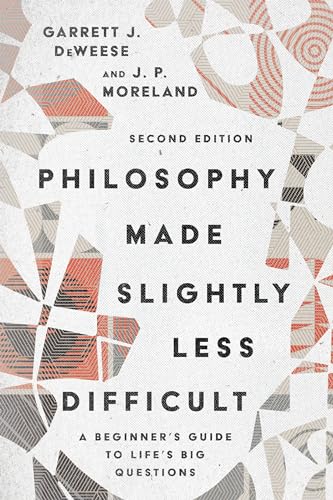
Philosophy Made Slightly Less Difficult
- Straightforward language and everyday examples
- Covers logic, ethics, metaphysics, and more
- Includes new chapters on aesthetics and religion
Best For: Christians and first-time readers who want a practical, faith-aware guide
Youth-Oriented World Survey
A Young Person's Guide to Philosophy

- Covers Eastern, Western, and contemporary philosophers
- Includes fun activities and big questions
- Introduces major thinkers from Confucius to Mill
Best For: Young readers and curious beginners who prefer an engaging, global overview
Simple Historical Overview
A Beginner’s Guide to Philosophy

- Clear, accessible style for newcomers
- Covers Socrates to modern debates
- Links philosophy to everyday decisions
Best For: Readers who want a broad, plain-language introduction with practical relevance
Fast, Visual Primer – Philosophy 101: History of Thought
If you want philosophy books for beginners that feel more like an engaging tour than a dry textbook, Philosophy 101 is built for exactly that. It covers major thinkers, core ideas, and big topics like ethics, free will, and metaphysics in a lively illustrated format, making it easier to get oriented without getting buried in academic jargon.
Best For: Beginners who want a broad, visual overview of philosophy’s history and key ideas.
Pros:
- Breaks down major philosophers and movements in a friendly, accessible style
- Includes illustrations, thought puzzles, and entertaining tidbits to keep things moving
- Covers a wide range of topics from Plato to Heidegger and beyond
- Designed to avoid the tedious, lecture-heavy feel of a standard textbook
Cons:
- Focuses on breadth more than deep philosophical analysis
- Readers wanting a rigorous academic text may find it too light
- Some may prefer a more structured branch-by-branch introduction
Overall, this is a strong starter pick if you want a broad, easy-to-digest introduction that keeps philosophy approachable. It’s especially useful when you’re testing the waters and want a book that explains the landscape before you dive deeper.
Big Ideas Visual Guide – The Philosophy Book
For readers comparing philosophy books for beginners, The Philosophy Book stands out as a clear, visually organized guide to major ideas and thinkers. It explains core concepts simply, adds context boxes and bold visuals, and spans philosophy from ancient Greece and China through modern voices like Judith Butler, making it a practical one-stop overview.
Best For: Beginners who want a polished, visual reference to philosophy’s major schools, concepts, and thinkers.
Pros:
- Clear, simple explanations of complex philosophical ideas
- Strong visual design with bold illustrations and pull-out quotes
- Wide historical coverage from ancient to modern philosophy
- Context and biography boxes help place ideas in perspective
Cons:
- Its broad scope means it won’t go deeply into any one topic
- The visual format may feel more like a reference than a narrative read
- At 360 pages, it may be more substantial than some beginners expect
This is a smart choice if you want a dependable overview that explains the “big ideas” without assuming prior knowledge. It works well as a starting point or a shelf reference when you need quick, understandable context.
Conversational Starter – Philosophy For Dummies
If you’re looking for philosophy books for beginners that connect ideas to everyday life, Philosophy For Dummies takes a conversational approach to the biggest questions people ask. It introduces philosophical fundamentals and uses practical, discussion-friendly language to explore topics like evidence, free will, God, happiness, and moral justification.
Best For: Readers who want a friendly, practical introduction that ties philosophy to everyday questions.
Pros:
- Conversational tone makes difficult questions feel approachable
- Connects philosophical ideas to real-life concerns and discussion
- Covers foundational topics like knowledge, ethics, freedom, and belief
- Encourages reflection rather than passive reading
Cons:
- Older publication date may matter if you want the newest framing
- General overview style means limited depth on any single philosopher
- Its broad, casual approach may not suit readers seeking academic rigor
As an entry point, this book is useful if you want philosophy to feel immediate and relevant instead of abstract and intimidating. It’s a good fit for readers who learn best by thinking through big questions in plain language.
Compact Modern Intro – Philosophy Book for Beginners
The Philosophy Book for Beginners: A Brief Introduction to Great Thinkers and Big Ideas
Check Price On AmazonAmong philosophy books for beginners, The Philosophy Book for Beginners is a compact option that explains key questions and major thinkers in clear language. It covers both Eastern and Western philosophy, walks through branches like metaphysics and epistemology, and ends chapters with thought experiments that help you think through the ideas yourself.
Best For: New readers who want a short, modern introduction with built-in thought experiments.
Pros:
- Compact length makes it easy to start without a big time commitment
- Covers core branches such as metaphysics, epistemology, logic, and axiology
- Includes both Eastern and Western thinkers, from Socrates to Martha Nussbaum
- Thought experiments add an interactive, reflective element
Cons:
- At 152 pages, it is more of an introduction than an in-depth guide
- Digital-only format may not suit readers who prefer print
- Best as a starting point rather than a comprehensive reference
This is a strong choice if you want a concise, easy-to-follow primer that still feels thoughtful and current. Its short length and chapter-ending exercises make it especially approachable for first-time philosophy readers.
Compact Starter Guide – Think: A Compelling Introduction to Philosophy
If you’re looking for philosophy books for beginners, Think is a practical place to start because it explains major questions from the ground up. Simon Blackburn keeps the tone accessible while still covering knowledge, fate, ethics, identity, God, reason, and truth, so you can build a real foundation without feeling overwhelmed.
Best For: Readers who want a clear, wide-ranging introduction to Western philosophy in a readable, non-intimidating format.
Pros:
- Introduces core philosophical themes in a lively, accessible style
- Gives self-contained guides to major issues chapter by chapter
- Brings in Plato, Hume, Kant, Descartes, and other major thinkers
- Designed to help untrained readers continue exploring philosophy with more confidence
Cons:
- Focuses on Western philosophy rather than a broader global survey
- Still covers substantial ideas, so it may feel dense for very casual readers
Overall, this is a strong beginner-friendly choice if you want a serious but approachable guide that connects big questions to classic philosophical thinkers.
Visual Explorer – Philosophy For Beginners
This is a friendly option if you want philosophy books for beginners that explain big ideas without heavy jargon. Using cartoons, comic strips, diagrams, and lively examples, it introduces questions about reality, morality, free will, knowledge, and government in a way that feels easy to approach.
Best For: Adults or children who learn best with visual explanations and simple, bite-sized introductions to philosophy.
Pros:
- Uses cartoons, comic strips, and diagrams to simplify big ideas
- Covers a broad mix of classic beginner questions
- Short 128-page format makes it easy to finish quickly
- Suitable for adults and children alike
Cons:
- Less detailed than longer introductory philosophy books
- Best for overview and curiosity, not deep study
For readers who want an inviting, visual first step into philosophy, this book is a low-pressure way to get familiar with the subject and its biggest questions.
Course Companion – Philosophy: A Complete Introduction
Philosophy: A Complete Introduction: Teach Yourself (Teach Yourself: Philosophy & Religion Book 1)
Check Price On AmazonIf you want philosophy books for beginners that feel more structured, this Teach Yourself title is built to cover the basics in clear, jargon-free English. It mirrors many university courses, adds summaries of key books, and includes end-of-chapter questions, making it a practical choice for self-study or class support.
Best For: Self-learners and students who want a course-style introduction with built-in study help.
Pros:
- Written by a philosophy professor and designed around student needs
- Uses clear, jargon-free language to explain the basics
- Includes summaries, questions, flashcards, and key text references
- Structure closely matches many university philosophy courses
Cons:
- More study-focused than a casual general-interest read
- Digital format may not suit readers who prefer a print-only experience
This is a smart pick if you want an introduction that feels organized, academic, and useful for retaining what you read.
Beginner-Friendly Christian Introduction – Philosophy Made Slightly Less Difficult
Philosophy Made Slightly Less Difficult: A Beginner's Guide to Life's Big Questions
Check Price On AmazonIf you want philosophy books for beginners that explain the big questions without academic overload, this guide is built for that job. It uses straightforward language and everyday examples to cover logic, metaphysics, epistemology, ethics, philosophical anthropology, philosophy of science, plus new chapters on aesthetics and philosophy of religion.
Best For: Christians, students, pastors, and campus workers who want a practical starting point with a faith-friendly emphasis.
Pros:
- Written in straightforward language with everyday examples.
- Covers core areas like logic, ethics, and epistemology in one place.
- Includes updated content plus new chapters on aesthetics and philosophy of religion.
- Designed to make philosophy feel more approachable for non-specialists.
Cons:
- Its Christian framing may be less appealing if you want a neutral introduction.
- At 224 pages, it is broad rather than deeply technical.
This is a solid pick if you want an accessible overview that ties philosophy to real-life questions and worldview formation.
Youth-Oriented World Survey – A Young Person's Guide to Philosophy
For shoppers comparing philosophy books for beginners, this one stands out for its friendly, exploratory approach and global scope. It introduces Eastern, Western, and contemporary philosophers, while using fun activities and big questions to make the subject feel more like an adventure than a lecture.
Best For: Young readers and curious beginners who want a lively introduction to major philosophers and ideas from around the world.
Pros:
- Covers Eastern, Western, and contemporary philosophy in one beginner-friendly volume.
- Introduces thinkers such as Confucius, Plato, Aristotle, the Buddha, Simone de Beauvoir, and John Stuart Mill.
- Includes fun activities and thought-provoking questions to keep readers engaged.
- Uses a clear, enthusiastic tone that encourages curiosity.
Cons:
- Only 135 pages, so it is more of an overview than a deep study guide.
- The youth-focused style may feel too light for readers wanting a more academic tone.
This is a good choice if you want an inviting first philosophy book that mixes classic names, modern issues, and interactive learning.
Simple Historical Overview – A Beginner’s Guide to Philosophy
If you’re looking for philosophy books for beginners that keep things clear and practical, this title is aimed at exactly that audience. It traces philosophy from Socrates and Plato through modern debates about technology, freedom, and the meaning of life, while emphasizing critical thinking and everyday relevance.
Best For: Beginners who want an easy-to-read overview of philosophy’s history and modern relevance.
Pros:
- Written in a clear, accessible style for newcomers.
- Connects classic philosophy to modern topics like technology and freedom.
- Explains how philosophical ideas affect everyday decisions about love, work, ethics, and responsibility.
- Part of a simple series focused on philosophy and logic.
Cons:
- Only described as Book 1 of 3, so the broader series may be needed for fuller coverage.
- Independent publication may appeal less to readers seeking a traditional academic press.
This book works well as a plain-language starting point if you want a broad historical arc and a strong focus on practical thinking.
How We Picked These Philosophy Books for Beginners
We focused on accessibility, clarity, and breadth. The strongest picks introduce core questions about knowledge, ethics, reality, and meaning in plain language, while still respecting the subject’s depth. We also looked for books that work well for self-study, casual reading, and first-time learners who want a solid foundation.
Quick Comparison: Which Style Fits You Best?
Some Philosophy Books for Beginners are visual and overview-driven, while others are narrative, workbook-like, or organized around major thinkers. If you prefer simple definitions and quick reference, a visually structured title may be best. If you want a more traditional introduction, choose a book that walks through philosophical themes in sequence. For readers who like practical examples and lighter tone, a guide with a conversational style can feel easier to finish.
Key Buying Factors for Philosophy Books for Beginners
Clarity of Explanation
Look for books that define unfamiliar terms and explain arguments in everyday language. A good beginner book should reduce confusion, not add to it.
Scope and Focus
Some titles cover the history of philosophy, while others concentrate on core questions or major schools of thought. Choose a broad survey if you want context, or a focused guide if you want a gentler start.
Reading Experience
Consider layout, length, and tone. Short chapters, illustrations, summaries, and examples can make difficult ideas feel more manageable.
Philosophical Balance
The best introductions avoid oversimplifying. Even Philosophy Books for Beginners should present multiple viewpoints and show why thinkers disagree.
Who Should Buy Which Philosophy Books for Beginners?
If you want a highly approachable first book, choose a title with a simple structure and friendly tone. If you prefer a more classic overview of the field, pick a book that covers major philosophers and historical developments. If you learn best through visuals, a highly illustrated format may be the easiest entry point. And if you want a broader cultural perspective, look for a book that includes both Western and Eastern thinkers.
For most first-time readers, the best choice is the book that matches your pace and curiosity. The right starting point should make philosophy feel open, not overwhelming.