Choosing the right book on mushrooms can be confusing, especially when some titles focus on foraging, others on cultivation, and others on research or clinical use.
This roundup of the best medicinal mushroom books for 2026 helps you compare your options quickly so you can pick a guide that matches your goals and experience level.
Best 10 Medicinal Mushroom Books Picks for 2026
Medicinal Mushroom Fundamentals
Christopher Hobbs's Medicinal Mushrooms
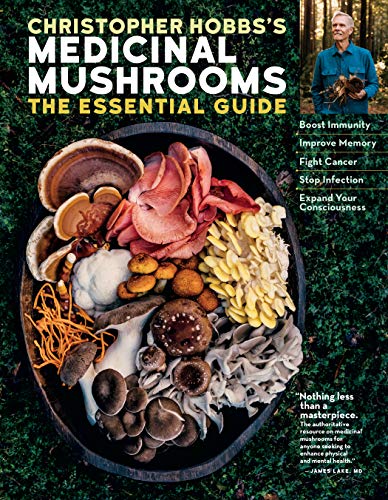
- Profiles widely used medicinal mushrooms
- Explains compounds, benefits, and research
- Includes home preparation and storage guidance
Best For: Readers seeking a practical, science-aware introduction
Culinary Wellness Guide

- Focuses on adaptogenic mushrooms for health
- Covers 10 key mushrooms with practical use
- Includes 50 recipes for daily meals
Best For: Home cooks building a mushroom-based wellness routine
Mushroom Cultivation Masterclass
Growing Gourmet and Medicinal Mushrooms

- Detailed guide to growing 31 mushroom species
- Includes production techniques and troubleshooting
- Packed with photos, charts, and recipes
Best For: Readers focused on cultivation and production
North American Field Reference

- Profiles more than 300 medicinal fungi
- Includes 200 full-color identification photos
- Covers preparation methods and historical use
Best For: Hunters and wild-crafters needing a broad reference
Chaga Spotlight
Chaga: King of the Medicinal Mushrooms

- Chaga-focused with coverage of reishi and cordyceps
- Includes research, lore, and future-oriented discussion
- Adds recipes plus tips for quality chaga products
Best For: Readers who want a chaga-centered guide with practical uses
Practical Mushroom Reference
Medicinal Mushrooms: A Practical Guide to Healing Mushrooms

- Research-backed overview of healing mushrooms
- Covers 28 super-mushrooms and many uses
- Explains safe prep, tinctures, and mushroom tea
Best For: Readers wanting a broad, practical mushroom-use guide
Foraging Field Guide

- Profiles over 50 edible and medicinal North American mushrooms
- Includes photos, ID advice, and seasonal harvesting guidance
- Covers recipes plus medicinal forms like tinctures and teas
Best For: Foragers wanting an ID-and-harvest guide with medicinal uses
Traditional & Cultural Reference
Medicinal Mushrooms: Tradition, Healing, & Culture

- Explores Eastern and Western healing traditions
- Covers 100+ edible fungi and their benefits
- Revised 251-page handbook format
Best For: Readers seeking a broad, culturally grounded overview of medicinal mushrooms
Growing & Indigenous Knowledge
The Mycelial Healer: Comprehensive Guide
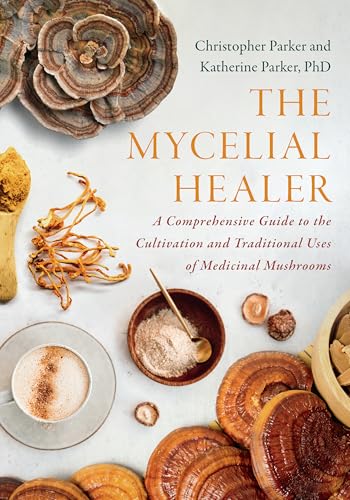
- Blends Indigenous perspectives with cultivation guidance
- Covers indoor/outdoor growing plus preservation
- Profiles 14 medicinal mushroom species
Best For: Herbalists and cultivators wanting practical growing advice with traditional context
Clinical & Practitioner Guide
Medicinal Mushrooms: A Clinical Guide

- Covers pharmacology and Chinese medical uses
- Discusses 20+ commonly prescribed medicinals
- Concise 152-page practitioner-friendly primer
Best For: Practitioners and students wanting a compact clinical reference
Medicinal Mushroom Fundamentals – Christopher Hobbs's Medicinal Mushrooms
If you want medicinal mushroom books that balance tradition with current research, this guide is a strong starting point. Christopher Hobbs profiles the most widely used medicinal mushrooms, explains the key compounds behind their effects, and shows how to make mushroom medicine at home, with practical guidance on selecting, storing, preparing, growing, or foraging.
Best For: Readers who want a research-informed, hands-on introduction to medicinal mushrooms and home preparation.
Pros:
- Covers the best-known medicinal mushroom varieties and their health benefits
- Explains nutritional and medicinal compounds in an accessible way
- Includes detailed instructions for selecting, storing, and preparing mushrooms
- Useful whether you source mushrooms locally, grow them, or forage them
Cons:
- Focused on medicinal use more than recipes or cultivation depth
- May be best for readers comfortable with a practical herbal medicine approach
This is a well-rounded choice if you want a single reference that connects mushroom science, traditional use, and at-home preparation. The award-winning reputation also adds confidence for buyers comparing medicinal mushroom books.
Culinary Wellness Guide – Healing Mushrooms
Healing Mushrooms: A Practical and Culinary Guide to Using Mushrooms for Whole Body Health
Check Price On AmazonFor shoppers comparing medicinal mushroom books, this title stands out for its everyday usability. It focuses on adaptogenic mushrooms for whole-body health, covering 10 key varieties and pairing the health information with 50 mushroom-boosted recipes that make it easier to bring them into breakfast, lunch, dinner, and dessert.
Best For: Home cooks who want a practical, recipe-friendly way to add medicinal mushrooms to daily routines.
Pros:
- Centers on adaptogenic mushrooms and their wellness uses
- Includes 10 mushrooms commonly used for health support
- Offers 50 recipes across multiple meals and even dessert
- Practical for readers who want to use mushrooms in food, not just read about them
Cons:
- Presented as an audiobook, so it may be less convenient for quick reference
- Less focused on deep scientific detail than some reference-style books
This is a good pick if your priority is incorporating mushrooms into a daily wellness routine through cooking. It bridges health education and kitchen use better than many medicinal mushroom books.
Mushroom Cultivation Masterclass – Growing Gourmet and Medicinal Mushrooms
If your version of medicinal mushroom books needs serious cultivation detail, this is the deep-reference pick. It offers a comprehensive guide to growing gourmet and medicinal mushrooms commercially or at home, with precise growth parameters, production techniques, lab and grow-room advice, recipes, and troubleshooting help.
Best For: Growers and hobbyists who want a thorough cultivation manual for medicinal and gourmet mushrooms.
Pros:
- Covers 31 mushroom species with precise growth parameters
- Includes state-of-the-art production techniques and construction guidance
- Features more than 500 photos, illustrations, and charts
- Provides recipes and a troubleshooting guide for practical use
Cons:
- Very large and detailed, so it may feel overwhelming for casual readers
- More cultivation-focused than a general health or medicinal overview
This is the strongest option if your goal is to grow mushrooms rather than simply learn about them. Its depth makes it especially valuable for readers who want a long-term cultivation reference.
North American Field Reference – The Fungal Pharmacy
The Fungal Pharmacy: The Complete Guide to Medicinal Mushrooms and Lichens of North America
Check Price On AmazonAmong medicinal mushroom books, this one is the most identification-heavy. Robert Rogers presents more than 300 species of medicinal mushrooms and lichens of North America, with descriptions of their active components, preparation methods, historical use, and healing applications, plus full-color photos to help with recognition.
Best For: Mushroom hunters, wild-crafters, and natural health readers who want a broad North American reference.
Pros:
- Profiles over 300 medicinal mushrooms and lichens
- Includes 200 full-color photos for easier identification
- Covers active chemical components and preparation methods
- Strong mix of historical, cultural, and practical information
Cons:
- Large, reference-style format may be more than casual readers need
- Broad scope can make it less focused than a single-topic guide
This is an excellent choice if you want a comprehensive North American field and medicine reference. It combines identification, preparation, and medicinal context in one substantial volume.
Chaga Spotlight – Chaga: King of the Medicinal Mushrooms
If you’re shopping for medicinal mushroom books with a focused, ingredient-first angle, this title centers on chaga while still covering other important fungi like reishi and cordyceps. It blends history, research, practical use, and simple recipes, so it works well for readers who want both the “why” and the “how.”
Best For: Readers who want a chaga-centered guide with recipes, research, and general medicinal mushroom context.
Pros:
- Dedicated to chaga, the book’s main focus, with broad medicinal mushroom context.
- Includes history, lore, scientific research, and future possibilities.
- Offers practical recipes for teas, soups, fermentations, and tinctures.
- Gives tips on finding quality chaga products.
Cons:
- Most of the book is centered on chaga rather than a wide field-guide approach.
- Less suitable if you want a very broad mushroom identification manual.
The strength of this book is its combination of enthusiasm and utility: it’s not just about the mushroom’s reputation, but about how readers can understand and use it in real life. For buyers who want medicinal mushroom books with a strong chaga emphasis, it’s a clear, practical pick.
Practical Mushroom Reference – Medicinal Mushrooms: A Practical Guide to Healing Mushrooms
Medicinal Mushrooms: A Practical Guide to Healing Mushrooms (Urban Homesteading)
Check Price On AmazonFor shoppers comparing medicinal mushroom books, this one leans hard into everyday usefulness. It’s positioned as a research-backed, practical guide with mushroom history, safety guidance, and step-by-step preparation methods, making it a straightforward option for readers who want hands-on reference material.
Best For: Readers who want a broad, practical introduction to medicinal mushrooms with preparation and use guidance.
Pros:
- Covers the secret history of healing mushrooms and their traditional use.
- Lists 28 “super-mushrooms” and many illnesses or ailments associated with them.
- Explains safe consumption and different preparation methods, including extractions and tinctures.
- Includes photos and graphics to support learning.
Cons:
- As an independently published guide, it may appeal more to practical readers than academic ones.
- Focused more on broad use than deep species-by-species detail.
This is a solid pick if you want a usable, no-frills reference that translates mushroom knowledge into action. Among medicinal mushroom books, it stands out for covering both what mushrooms are used for and how to prepare them.
Foraging Field Guide – Go Forth and Forage
If you’re looking for medicinal mushroom books that go beyond theory, this one is built for real-world foraging. It focuses on over 50 edible and medicinal North American mushrooms, with identification help, harvesting advice, and seasonal guidance for readers who want to find mushrooms in the wild.
Best For: Foragers who want a field guide with edible and medicinal mushroom identification, harvesting, and preparation tips.
Pros:
- Covers over 50 common North American edible and medicinal fungi.
- Includes color photos and identification advice for confirming edibility.
- Offers seasonal foraging guidance and responsible harvesting tips.
- Provides preparation advice, recipes, and notes on tinctures and teas.
Cons:
- Best suited to North American foragers rather than a global audience.
- Not as focused on deep medicinal science as some other medicinal mushroom books.
This book is especially useful if you want a practical guide that connects identification, harvest, and use. For readers who value hands-on mushroom hunting as much as medicinal applications, it’s a strong and well-rounded choice.
Traditional & Cultural Reference – Medicinal Mushrooms: Tradition, Healing, & Culture
Medicinal Mushrooms: An Exploration of Tradition, Healing, & Culture (Herbs and Health Series)
Check Price On AmazonIf you’re comparing medicinal mushroom books, this revised edition is a strong pick for readers who want a broad, tradition-focused overview rather than a narrow field guide. Christopher Hobbs covers the cultural, nutritional, and health-promoting uses of more than 100 edible fungi, making it a practical reference for anyone interested in how mushrooms have been used in both Eastern and Western healing traditions.
Best For: Readers who want a wide-ranging, culturally grounded introduction to medicinal mushrooms and their traditional uses.
Pros:
- Covers the healing traditions of mushrooms in both Eastern and Western cultures
- Documents the nutritional and health benefits of over 100 species
- Works well as a broad handbook for edible and medicinal fungi
- Revised edition with a substantial 251-page format
Cons:
- Published in 2002, so some readers may want a more recent clinical perspective
- Focused more on tradition and culture than step-by-step cultivation
Overall, this is one of the more comprehensive medicinal mushroom books for readers who value historical context and a large species overview. It’s a solid choice if you want a balanced, readable reference that connects healing, culture, and nutrition.
Growing & Indigenous Knowledge – The Mycelial Healer: Comprehensive Guide
If you’re shopping for medicinal mushroom books that blend cultivation with traditional wisdom, this guide stands out for its practical and philosophical approach. The book explores ancestral and Indigenous uses of mushrooms, then moves into indoor and outdoor growing, preservation, ingestion, and detailed profiles of 14 species, making it especially useful for readers who want both how-to guidance and deeper context.
Best For: Herbalists, cultivators, and readers looking for a practical guide to growing medicinal mushrooms alongside traditional uses.
Pros:
- Combines ancestral and Indigenous perspectives with practical mushroom growing guidance
- Covers both indoor and outdoor cultivation methods
- Includes preservation and ingestion guidance for food and medicine use
- Profiles 14 medicinal species, including reishi, lion’s mane, chaga, and turkey tail
Cons:
- Publication date is listed as 2025, so availability may matter for buyers
- Its reflective, relationship-centered approach may be broader than buyers seeking a strictly clinical manual
This is a compelling option if you want medicinal mushroom books that go beyond identification and dosing to include cultivation and traditional knowledge. It should appeal most to readers who want an accessible but deeper exploration of how mushrooms fit into whole-person health.
Clinical & Practitioner Guide – Medicinal Mushrooms: A Clinical Guide
For buyers comparing medicinal mushroom books with a more clinical angle, this guide is tailored to practitioners who want concise, usable information. It covers the pharmacology, applications, and Chinese medical uses of over 20 commonly prescribed mycological medicinals, while balancing research evidence with practical clinical application.
Best For: Acupuncture, Chinese herbal medicine, and complementary medicine readers who want a compact clinical reference.
Pros:
- Focuses on pharmacology, applications, and Chinese medical uses
- Discusses over 20 commonly prescribed medicinal mushrooms
- Balances research evidence with practical clinical application
- Concise 152-page format for quick reference
Cons:
- Less suited to readers looking for cultivation or broader cultural history
- Shortest of the three, so it is more of a primer than an expansive handbook
This is the strongest pick if your priority is a practitioner-friendly overview rather than a general-interest survey. Among medicinal mushroom books, it offers the most focused clinical framing for readers working in or studying integrative medicine.
How We Picked the Best Medicinal Mushroom Books
We focused on Medicinal Mushroom Books that offer clear, credible, and practical value. Priority went to titles with strong subject coverage, useful structure, and a clear reader audience, whether that means beginners, growers, foragers, or health-focused readers.
We also looked for range: some books emphasize traditional use and cultural context, while others lean into cultivation, wild identification, culinary use, or clinical detail.
Quick Comparison
For a broad overview, choose a general-reference title. If you want to grow your own fungi, look for cultivation-centered books. If your goal is wild harvesting, pick a foraging guide with strong identification support and safety guidance. Readers interested in evidence and therapeutic applications may prefer more clinical or research-oriented works.
Key Buying Factors for Medicinal Mushroom Books
Scope and Depth
Some books cover many species at a high level, while others go deep on one mushroom or one use case. Decide whether you need a starter guide or a more specialized reference.
Audience Level
Beginners usually benefit from straightforward explanations, photos, and practical advice. Advanced readers may want more scientific detail, traditional medicine context, or cultivation methods.
Practical Use
Think about how you plan to use the book. Foraging readers need safety and identification details. Home growers need spawn, substrate, and fruiting guidance. Wellness readers may want preparation methods, dosages, and broader background, though books should never replace medical advice.
Credibility and Safety
Because mushrooms can be misidentified or misused, choose books written by authors with real expertise and a cautious, responsible tone. Clear warnings, accurate terminology, and up-to-date information matter more than hype.
Who Should Buy Which Medicinal Mushroom Books?
If you are new to the topic, start with a broad, approachable overview. If you want to cultivate mushrooms, choose a growth-focused title. For foragers, a field-friendly guide with edible and medicinal species coverage is the better fit. Readers drawn to tradition, herbal medicine, or research can narrow in on books that match those interests more closely.
The best Medicinal Mushroom Books are the ones that fit your purpose, skill level, and preferred style of learning, so use this roundup to match the right title to the right job.