If you’re learning to knit, the right book can make the difference between frustration and steady progress. The best beginner-friendly guides break down tools, stitches, and simple projects in a way that feels manageable from day one.
This roundup of knitting books for beginners focuses on clear instruction, useful patterns, and formats that help new knitters build confidence quickly.
Best 10 Knitting Books for Beginners Picks for 2026
Absolute Beginner’s Starter Pick
Knitting for the Absolute Beginner

- Wire-bound small format
- Step-by-step photo instructions
- Covers core beginner techniques
Best For: first-time knitters who want a portable, easy-reference guide
All-in-One Learn-and-Knit Guide

- Three skill levels for steady progress
- 15 photo-guided projects
- Explains yarn, stitches, and patterns
Best For: new knitters who want a structured path from basics to garments
Style-Forward Beginner Reference
Vogue Knitting The Learn-to-Knit Book

- Step-by-step photos for basics
- 31 easy patterns to practice skills
- Covers finishing and fixing mistakes
Best For: beginners who want a polished, long-term reference with stylish projects
Fast Project Favorite

- Step-by-step tutorials and sidebars
- Wide mix of quick beginner projects
- Includes scarves, mittens, socks, and more
Best For: new knitters who want fast, stylish patterns and lots of variety
Absolute Beginner Pick

- Step-by-step beginner guidance from cast-on onward
- Covers needles, yarns, stitches, and techniques
- Nine chapter-end projects reinforce each lesson
Best For: New knitters who want a guided, project-based start
All-in-One Reference
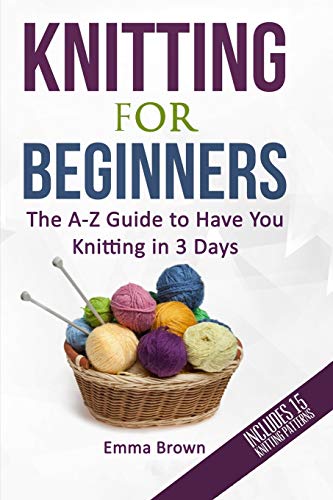
- Step-by-step guide with color photos and diagrams
- Covers stitches, techniques, charts, and pattern reading
- Includes 15 patterns, FAQs, and a glossary
Best For: Beginners who want a detailed handbook and reference
Quick Skill Builder

- Full-color instructions make basics easy to follow
- Starts with holding needles, casting on, and stitches
- More than 15 gradual projects for practice
Best For: Beginners who want short, visual lessons and easy projects
Comprehensive Visual Guide

- 400+ step-by-step photos
- Covers basics through advanced techniques
- Includes 20 designs and pattern help
Best For: Beginners who want a single reference they can grow into
Classic No-Fuss Guide

- Classic from Elizabeth Zimmermann
- Focuses on fixing common knitting frustrations
- Includes sweaters, baby items, and accessories
Best For: Beginners who prefer a timeless, practical knitting classic
Fast Start Beginner Course

- Visual step-by-step teaching style
- Covers tools, stitches, and finishing
- Includes a beginner scarf project
Best For: Total beginners who want a quick, visual first knitting lesson
Absolute Beginner’s Starter Pick – Knitting for the Absolute Beginner
If you’re looking for knitting books for beginners that keep things simple, this compact guide is built for first-time knitters. It focuses on the essentials—cast on, cast off, knit and purl stitches, increasing, decreasing, and blocking—while using clear photos and easy instructions to walk you through each project.
Best For: Beginners who want a small, easy-to-carry reference with step-by-step instruction and classic starter projects.
Pros:
- Wire-bound format lies open while you work
- Clear photographs and simple instructions for every pattern
- Covers core techniques like garter stitch, stocking stitch, and blocking
- Includes beginner-friendly scarves, sweaters, hats, and home projects
Cons:
- Shorter page count than some broader beginner guides
- Smaller format may feel less detailed than larger reference books
This is a practical, no-frills starting point for anyone who wants a handy beginner knitting book with timeless projects and a strong focus on fundamentals.
All-in-One Learn-and-Knit Guide – Two Needles, Many Knits
Among knitting books for beginners, this one stands out for combining lessons and projects in a single, structured guide. It explains essential techniques in plain language, then moves into 15 photo-led projects arranged across three skill levels so you can build confidence at a comfortable pace.
Best For: New knitters who want a step-by-step path from the very first stitch to simple garments.
Pros:
- Explains basics like yarn choices, purl stitch, and reading patterns
- Three skill levels help beginners progress gradually
- Includes 15 guided projects with photos
- Covers everything from a square to a sweater
Cons:
- Very new release, so it has less long-term track record
- Focuses on fundamentals rather than advanced variety
If you want a modern beginner knitting book that teaches technique and immediately puts it into practice, this is a well-rounded choice with a clear learning progression.
Style-Forward Beginner Reference – Vogue Knitting The Learn-to-Knit Book
If you want knitting books for beginners with a polished, reference-style feel, this Vogue Knitting guide is a strong option. It covers the core techniques with step-by-step photos, then backs them up with 31 easy patterns ranging from scarves and hats to cardigans, wraps, and pullovers.
Best For: Beginners who want a comprehensive, visually polished guide with plenty of stylish practice patterns.
Pros:
- Step-by-step photos explain first stitches and core techniques
- Includes 31 easy patterns for practical skill-building
- Covers finishing skills like seaming and buttonholes
- Durable wipe-clean flexi-cover
Cons:
- Larger and heavier than some compact beginner books
- May feel more like a full reference than a quick-start booklet
This is a strong pick if you want a beginner knitting book you can keep using after the basics, especially if you value clear instruction and stylish project ideas.
Fast Project Favorite – 60 Quick Knits for Beginners
For knitters who want knitting books for beginners with lots of practical project variety, this collection is aimed squarely at quick wins. It uses step-by-step instructions, helpful tutorials, and sidebars to support newer knitters while offering projects like scarves, cowls, mittens, shawls, socks, and baby knits.
Best For: Beginners who like fast, stylish projects and want plenty of pattern options to choose from.
Pros:
- Step-by-step instructions and helpful tutorials
- Wide range of beginner-friendly projects
- Projects include scarves, mittens, socks, and baby knits
- Part of a proven quick-knits series
Cons:
- Some projects are beginner-specific while others may suit more experienced knitters too
- Less of a dedicated fundamentals course than some learn-to-knit books
This is a good choice if you learn best by making lots of different things quickly, especially when you want a beginner knitting book with modern, giftable patterns.
Absolute Beginner Pick – First Time Knitting
If you’re looking for knitting books for beginners that feel like a patient instructor, this guide is built to take you from cast-on to finished projects with clear, step-by-step help. It covers needles, yarns, stitches, and core techniques, then reinforces each chapter with projects that help you practice what you’ve learned.
Best For: Absolute beginners who want a structured, project-based introduction to knitting.
Pros:
- Guides you from the first cast-on through more confident knitting
- Covers needles, yarns, stitches, and techniques in beginner-friendly terms
- Includes nine projects at the end of each chapter for skill-building practice
- Projects include scarves, throw blankets, table runners, and more
Cons:
- At 128 pages, it may feel compact for readers wanting a very large reference book
- Focuses on fundamentals and beginner projects rather than advanced methods
Overall, this is a strong starter option if you want a hands-on introduction that teaches the basics and immediately turns them into usable practice.
All-in-One Reference – Knitting For Beginners
This is one of the more expansive knitting books for beginners if you want a broad reference that grows with you. It combines step-by-step instructions, color photos, charts, patterns, and a glossary, making it useful for learning basics and revisiting techniques as your skills improve.
Best For: Beginners who want a detailed, all-in-one handbook with photos, diagrams, and patterns.
Pros:
- Includes step-by-step instructions with color photos
- Explains stitches, techniques, charts, and patterns in one place
- Offers 15 patterns plus a glossary and FAQs for quick reference
- Useful as both a learning guide and a refresher book
Cons:
- Some readers may prefer a slimmer, more focused beginner book
- Black-and-white pattern presentation may be less visual than the photo content
If you want one book to cover supplies, common mistakes, techniques, and pattern reading, this is a practical choice for building confidence over time.
Quick Skill Builder – My First Knitting Book
For knitting books for beginners that keep things simple, this title offers a clear introduction with more than 15 projects and easy-to-follow full-color instructions. It starts with the basics like holding needles and yarn, casting on, basic stitches, and finishing touches, then gradually moves into slightly more challenging projects.
Best For: Beginners of all ages, especially readers who want short, easy projects and clear visual instructions.
Pros:
- Clear, step-by-step instructions in full color
- Introduces core skills like casting on, basic stitches, and finishing
- More than 15 projects that begin simply and build gradually
- Includes gift-friendly ideas like bracelets, hair ornaments, pocketbooks, scarves, and hats
Cons:
- At 64 pages, it is shorter than many other beginner knitting books
- Best suited to basic learning rather than a deep technique library
This is a straightforward starter book if you want a concise, visual path into knitting with projects that are approachable and fun to make.
Comprehensive Visual Guide – A-Z of Knitting
A-Z of Knitting: The ultimate resource for beginners and experienced knitters (A-Z of Needlecraft)
Check Price On AmazonIf you’re looking for knitting books for beginners that can also grow with your skills, this one is built as a full reference guide. It covers the basics like casting on, stitch patterns, increasing, decreasing, and fixing mistakes, while also introducing more advanced methods such as knitting in the round, Fair Isle, lace, and intarsia.
Best For: Beginners who want one thorough, picture-heavy guide they can keep using as they improve.
Pros:
- Over 400 step-by-step photographs make techniques easier to follow
- Covers beginner fundamentals through advanced knitting methods
- Includes 20 designs plus advice on tools, yarns, and finishing
- Explains how to read and adapt patterns and correct mistakes
Cons:
- Only 156 pages, so some topics are covered more as a reference than a deep course
- Broader scope may feel more detailed than a true first-project-only guide
This is a strong pick if you want a compact but comprehensive knitting resource with lots of visual instruction. It’s especially useful if you want a beginner-friendly book that won’t become outdated once you move past the first stitches.
Classic No-Fuss Guide – Knitting Without Tears
Knitting Without Tears: Basic Techniques and Easy-to-Follow Directions for Garments to Fit All Sizes
Check Price On AmazonAmong knitting books for beginners, this classic stands out for its practical, reassuring approach. Elizabeth Zimmermann focuses on solving common frustrations with clear directions and timeless garment ideas, including sweaters, baby jackets, hats, socks, slippers, and mittens.
Best For: Beginners who want a classic, problem-solving book with simple garment-focused ideas.
Pros:
- Clear, easy-to-follow instructions aimed at reducing knitting frustration
- Includes timeless projects like sweaters, baby jackets, and accessories
- Known as an influential classic from Elizabeth Zimmermann
- Useful for knitters who want practical solutions, not just patterns
Cons:
- Older publication may feel less visually guided than newer beginner books
- Less focused on modern step-by-step teaching style
This book is a good fit if you want a respected classic that emphasizes comfort, confidence, and smart problem-solving. It’s less of a modern tutorial and more of a foundational knitting companion.
Fast Start Beginner Course – Knitting Basics for Beginners
If you want knitting books for beginners that feel friendly and structured, this guide is designed to get you started quickly. It uses a visual step-by-step style to walk through tools, casting on, garter stitch, purl stitch, binding off, and simple shaping, then leads you into a first scarf project.
Best For: Total beginners who want a fast, encouraging introduction with plenty of visuals.
Pros:
- Visual step-by-step format keeps instructions easy to follow
- Covers all the core basics, from tools to finishing techniques
- Includes troubleshooting tips and encouragement for new knitters
- Features a first project scarf to help beginners practice what they learn
Cons:
- More of a beginner course than an advanced reference
- Project range appears limited compared with more comprehensive books
This is a straightforward choice if you want a gentle, beginner-first book that aims to build confidence fast. It’s especially appealing if you like learning visually and want to finish a real project early.
How We Picked These Knitting Books for Beginners
We focused on books that are genuinely useful for first-time knitters: clear explanations, beginner-safe project pacing, visual learning support, and instruction that covers the basics without assuming prior knowledge. We also favored titles that help readers move from casting on to finishing simple projects with less guesswork.
Quick Comparison
Some books are best for absolute beginners who want a very gentle start, while others are better for readers who want lots of practice projects or a more comprehensive reference they can keep using later. If you learn best by visuals, look for step-by-step photo or illustrated guides. If you prefer structure, choose books organized around a progression of skills and small wins.
Key Buying Factors for Knitting Books for Beginners
Clarity of Instructions
Look for plain language, short steps, and technique explanations that define terms before using them. A good beginner book should make common concepts like yarn weight, needles, gauge, and finishing feel approachable.
Visual Learning Support
Photos, diagrams, and close-up stitch illustrations are especially helpful in Knitting Books for Beginners. Visual learners often benefit from books that show hand positions and stitch formation rather than relying on text alone.
Project Difficulty
The best first projects are small, repeatable, and forgiving. Scarves, dishcloths, washcloths, and simple accessories are ideal because they let new knitters practice basics without getting overwhelmed.
Skill Progression
Choose a book that moves logically from tools and setup to foundational stitches, then to simple patterns. That progression makes it easier to build momentum and avoid gaps in understanding.
Reference Value
Some books are designed as one-time learning tools, while others can remain useful long after the first project. If you want long-term value, consider books that also explain troubleshooting, finishing, and fit.
Who Should Buy Which Knitting Books for Beginners?
If you want the gentlest introduction, choose a highly visual, step-by-step guide. If you want to learn by making, a book with multiple easy projects may be the best fit. If you expect to keep knitting beyond the basics, pick a more comprehensive title that doubles as a reference.
For most shoppers, the best Knitting Books for Beginners are the ones that match how you learn: visual, structured, or project-first. Pick the style that keeps you motivated, and you’ll be much more likely to finish your first pieces and keep going.