Japanese tattoo art books can be invaluable whether you’re studying irezumi traditions, collecting striking art volumes, or looking for reference material to inform your next design.
With so many styles on the market, the best picks balance visual depth, cultural context, and practical drawing reference so you can choose a book that matches your goals.
Best 10 Japanese Tattoo Art Books Picks for 2026
Motif Guide
Japanese Tattoos: Meanings, Shapes and Motifs

- Breaks down the symbolism of classic Japanese motifs
- Covers history, shapes, and major subject categories
- Includes original designs and a glossary
Best For: People who want a visual motif-and-meaning reference
Ukiyo-e Reference
TATTOO: The Iconography of Japan

- Links Japanese tattoos to ukiyo-e print traditions
- Bilingual Japanese-English presentation
- Organizes motifs like deities, animals, plants, and yokai
Best For: Readers who want ukiyo-e-based tattoo reference material
Buying-Guide Pick
Japanese Tattoos: History * Culture * Design

- Explains tattoo imagery and kanji symbolism
- Includes 350+ photos across traditional and modern styles
- Adds interviews with artists and clients
Best For: Buyers who want a practical overview before getting inked
Photo Documentary

- Documents Yakuza-linked Japanese tattoo body art
- Includes photos plus interviews and field observations
- Focuses on dragons, fish, gods, and symbolic motifs
Best For: Readers drawn to documentary photography and Yakuza-linked tattoos
Editor’s Pick
Bushido: Legacies of the Japanese Tattoo

- Firsthand perspective from Takahiro Kitamura
- Over 200 photos by Jai Tanju
- Includes five unpublished Horiyoshi III prints
Best For: Readers who want a thoughtful, history-minded look at Japanese tattoo culture with collector appeal
Photo Classic

- Large-format 20 x 24 inch Polaroid photos
- Text and imagery document irezumi culture
- Distinctive look at the yakuza tattoo world
Best For: Readers who want a bold, photographic look at the dramatic side of Japanese tattoo culture
Global Survey
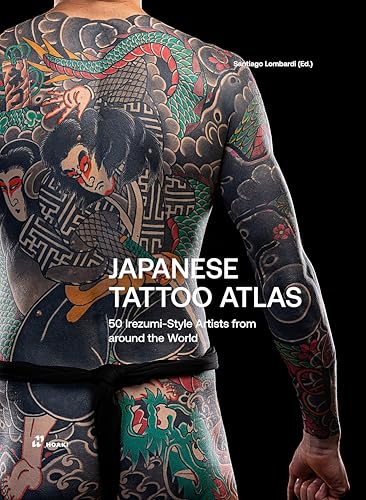
- Profiles 45 irezumi-style artists worldwide
- Built from interviews plus large-format photos
- Connects traditional roots with modern approaches
Best For: Buyers who want a wide-ranging, modern survey of Japanese-style tattoo artists across the globe
Complete Japanese Tattoo Reference Bundle
Japanese Tattoos: Complete Collection Volumes 01-03

- 3-book bundle covering warriors, dragons, koi, and backgrounds
- Mixes hand-drawn art, ukiyo-e references, and drawing guides
- Includes 12 bonus pages across the collection
Best For: A full-reference set for artists and collectors who want broad Japanese tattoo coverage
Culture-First Irezumi Guide
Japanese Irezumi Tattoos: Dragons, koi, peonies and art

- Explains irezumi history and major Japanese tattoo motifs
- Offers placement and composition guidance for real skin
- Includes respect guidelines to avoid cliché or misuse
Best For: Readers who want cultural context and practical advice before getting a Japanese tattoo
Dragon and Koi Reference Volume
Japanese Tattoos: Legends of Dragons & Koi

- Focused reference for dragons and koi tattoo designs
- Combines line art, ukiyo-e prints, and drawing guides
- Adds myth and symbolism notes for stronger context
Best For: Designers and fans who want a focused dragon-and-koi Japanese tattoo reference
Motif Guide – Japanese Tattoos: Meanings, Shapes and Motifs
If you’re comparing Japanese tattoo art books, this one is especially useful if you want to understand the meaning behind traditional irezumi imagery. It focuses on the origins, shapes, and symbolism of common motifs—so you can read the art more confidently before choosing a design or simply deepen your appreciation of the culture.
Best For: Readers who want a motif-by-motif guide to the symbolism and history of Japanese tattoo imagery.
Pros:
- Explains the meaning of major motifs like mythological creatures, animals, Buddhist deities, flowers, and historical characters.
- Includes a brief history of Japanese tattoo art for helpful context.
- Features original designs by the author plus a glossary for quick reference.
- Richly illustrated, making it practical for visual study.
Cons:
- More focused on symbolism and reference than on step-by-step tattoo instruction.
- Best suited to traditional themes, so it may feel less relevant if you want modern-style tattoos.
Overall, this is a strong pick for anyone who wants a clear, visual introduction to the language of Japanese tattoo motifs. It balances history, imagery, and interpretation in a way that works well for both collectors and future tattoo clients.
Ukiyo-e Reference – TATTOO: The Iconography of Japan
For buyers browsing Japanese tattoo art books with a strong fine-art angle, this title stands out for its ukiyo-e focus. It connects tattoo design to classic Japanese prints and organizes examples by motif, making it a practical reference for anyone studying traditional imagery or looking for design inspiration rooted in Japanese art history.
Best For: Tattoo fans, artists, and Japanese culture readers who want ukiyo-e-based design references.
Pros:
- Explores Japanese tattoo beauty and design through ukiyo-e prints.
- Bilingual Japanese-English text adds accessibility for a wider audience.
- Groups tattoo designs by motif, including deities, animals, plants, yokai, and caricatures.
- Useful as a design reference for tattoo lovers and tattoo artists.
Cons:
- Less of a general overview than a motif-focused reference book.
- Its specialized ukiyo-e emphasis may not suit readers seeking modern tattoo styles.
This is a smart choice if you want your Japanese tattoo study to start with classic imagery and print culture. The structure makes it easy to browse by theme, while the bilingual presentation broadens its usefulness as a reference book.
Buying-Guide Pick – Japanese Tattoos: History * Culture * Design
If you want Japanese tattoo art books that help you make a smarter tattoo decision, this one is built for practical context. It explains imagery and kanji symbols, traces tattoo history, and shows a wide range of styles, from traditional tebori to anime-inspired and modern work.
Best For: Readers who want a photo-heavy guide to Japanese tattoo meaning, history, and style variety.
Pros:
- Explains the iconography and kanji symbols behind Japanese tattoos.
- Includes 350+ photos for a visually rich browsing experience.
- Covers traditional tebori, kanji tattoos, anime-inspired pieces, and modern works.
- Features interviews with Japanese tattoo artists and clients for added perspective.
Cons:
- At 160 pages, it’s relatively compact compared with some larger reference books.
- More informative than instructional, so it’s not a how-to tattoo manual.
As a buying-guide style pick, this book offers one of the most practical overviews in the group. It is especially helpful if you want to avoid choosing a design without understanding its meaning first.
Photo Documentary – Yakuza Tattoo
Among Japanese tattoo art books, this one is the most documentary-driven and offers a rare look at the tattoo culture linked to the Yakuza. It focuses on dragons, fish, gods, and other body art motifs, while also documenting the settings and people behind them through photography and interviews.
Best For: Readers interested in the Yakuza connection, documentary photography, and uncommon tattoo imagery.
Pros:
- Provides a unique look at Japanese tattooing through the lens of Yakuza culture.
- Includes detailed images of a wide range of Yakuza tattoos.
- Combines photography with interviews and firsthand observations.
- Offers insight into symbols shaped by Japanese history and mythology.
Cons:
- At 112 pages, it is shorter than many reference-heavy tattoo books.
- Its specific focus on Yakuza body art makes it narrower in scope.
This is a standout choice if you want a more immersive and unusual angle on Japanese tattooing. The book’s strength is its access and photography, making it ideal for readers who value real-world documentation over broad how-to coverage.
Editor’s Pick – Bushido: Legacies of the Japanese Tattoo
If you want Japanese tattoo art books that go beyond picture-only browsing, this volume offers a strong mix of insight and imagery. It follows the roots of traditional Japanese tattooing through the lens of Bushido and includes firsthand perspective from Takahiro Kitamura, plus more than 200 photographs of Horiyoshi III’s work.
Best For: Readers who want a thoughtful, history-minded look at Japanese tattoo culture with collector appeal.
Pros:
- Combines cultural context with firsthand experiences from Takahiro Kitamura.
- Includes over 200 photographs by Jai Tanju.
- Features five exclusive unpublished prints by Horiyoshi III.
- Balances philosophy, artistry, and visual reference in one compact volume.
Cons:
- At 160 pages, it is not a large reference book.
- Focuses heavily on Horiyoshi III and traditional themes.
- May be less useful if you want a broad survey of many artists.
Overall, this is a polished choice if you want a Japanese tattoo art book that feels both informative and collectible. It is especially appealing for readers drawn to the legacy and deeper meaning behind the style.
Photo Classic – The Japanese Tattoo
For shoppers comparing Japanese tattoo art books, this title stands out for its striking documentary style. Sandi Fellman’s text and large Polaroid photographs capture the intense world of irezumi as it appears on members of Japan’s yakuza and the artists who create these living works.
Best For: Readers who want a bold, photographic look at the dramatic side of Japanese tattoo culture.
Pros:
- Features large 20 x 24 inch Polaroid photographs.
- Combines text with vivid documentary imagery.
- Focuses on the irezumi tradition and its cultural setting.
- Has a distinctive, visually memorable presentation.
Cons:
- Only 120 pages, so coverage is relatively concise.
- Leans more toward visual documentation than broad instruction.
- Its subject matter is intense and may not suit casual readers.
This is a strong pick if you value photography and atmosphere over encyclopedic coverage. It works well as a visual companion for readers interested in the raw, dramatic side of Japanese tattooing.
Global Survey – Japanese Tattoo Atlas
If you want Japanese tattoo art books that show how the style influences artists worldwide, this atlas is the most expansive option here. It profiles 45 irezumi-style artists from around the world, using interviews and large-format photos to connect traditional Japanese tattoo values with contemporary approaches.
Best For: Buyers who want a wide-ranging, modern survey of Japanese-style tattoo artists across the globe.
Pros:
- Profiles 45 artists from multiple continents.
- Uses interviews to explain each artist’s background and influences.
- Includes large, detailed photographs and prints throughout.
- Links traditional Japanese tattooing with newer international interpretations.
Cons:
- Publication date is listed as 2025, so availability may vary.
- More survey-based than deeply focused on one artist or one studio.
- May feel broad if you only want classic Japanese tattoo history.
Overall, this is the best choice for readers who want breadth. It offers a modern, global view of Japanese-style tattooing while still grounding the subject in traditional influences.
Complete Japanese Tattoo Reference Bundle – Japanese Tattoos: Complete Collection Volumes 01-03
If you’re looking for Japanese tattoo art books that cover both imagery and structure, this 3-volume bundle gives you a practical reference library in one place. It combines hand-drawn line art, ukiyo-e-inspired print references, step-by-step guides, and background elements for building Japanese-style tattoo compositions with flow.
Best For: Tattoo artists, apprentices, illustrators, and collectors who want a broad Japanese tattoo reference set with both inspiration and drawing support.
Pros:
- Combines all three volumes of the Japanese Tattoo Reference series in one bundle
- Includes warriors, dragons, koi, and essential background elements
- Features hand-drawn line art plus authentic ukiyo-e woodblock print references
- Includes 12 exclusive bonus pages not found in the individual books
Cons:
- Published as a reference collection rather than a deep cultural history book
- Focused on traditional Japanese tattoo subjects, so it may be less useful for broader style research
This is the most complete of the Japanese tattoo art books in this roundup if you want one source for subjects, symbols, and compositional elements. It’s especially useful for designing sleeves, body suits, flash, or custom work where structure and flow matter.
Culture-First Irezumi Guide – Japanese Irezumi Tattoos: Dragons, koi, peonies and art
Among Japanese tattoo art books, this guide stands out for pairing symbolism with practical tattoo advice. It focuses on dragons, koi, phoenixes, tigers, oni, Hannya masks, waves, cherry blossoms, and peonies, while also explaining history, placement, and respectful use of motifs.
Best For: Readers and tattoo clients who want a concise, culture-aware introduction to Japanese irezumi before choosing a design.
Pros:
- Covers the history of irezumi from Edo-period woodblock prints to modern studios
- Explains core motifs and what they traditionally express
- Includes body placement and composition guidance for authentic flow
- Adds respect guidelines to help avoid shallow clichés and misuse of symbols
Cons:
- At 112 pages, it is lighter on visual reference than larger art books
- More educational than step-by-step drawing focused
This is a strong pick if you want context first and artwork second. It’s especially helpful for anyone planning a tattoo and wanting to understand the meaning, placement, and cultural framing behind Japanese designs.
Dragon and Koi Reference Volume – Japanese Tattoos: Legends of Dragons & Koi
If you want Japanese tattoo art books focused on two of the most iconic motifs, this volume is built for dragons and koi. It combines tattoo-style line drawings, classic ukiyo-e prints, step-by-step sketching help, and short symbolic explanations for designs with stronger visual and mythological grounding.
Best For: Tattooers, illustrators, and Japanese art fans who want focused reference material for dragon and koi designs.
Pros:
- Dedicated to Japanese dragons and koi, with a clear thematic focus
- Includes line art, woodblock prints, and step-by-step drawing guides
- Provides short explanations of myths, folklore, and symbolism
- Useful for flash, stencils, and custom tattoo design work
Cons:
- Covers only dragons and koi, so it is narrower than a full Japanese reference collection
- Less suited to readers looking for broader background or history outside the theme
This is the most focused reference in the series for iconic creature-based designs. It’s a practical choice if you want strong visual inspiration without sorting through unrelated subjects.
How We Picked These Japanese Tattoo Art Books
We focused on books that offer more than attractive cover art. The strongest options combine clear imagery, strong subject coverage, and useful context about motifs, history, or technique. We also prioritized books that suit different readers, from beginners building a visual library to experienced artists looking for inspiration and source material.
Quick Comparison
Some Japanese Tattoo Art Books lean toward historical and cultural study, while others are built as visual references for dragons, koi, warriors, background elements, and full-body compositions. A few are especially useful for artists who want motif breakdowns, while others are better for readers who want broader insight into the tradition and symbolism behind the art.
Key Buying Factors for Japanese Tattoo Art Books
Purpose
Decide whether you want reference images, cultural education, or both. Drawing-focused books are best for artists, while history-heavy titles are better for collectors and general readers.
Motif Coverage
Check which classic subjects are included, such as dragons, koi, peonies, tigers, samurai, masks, and wave or wind backgrounds. The best reference books show how these elements work together in traditional compositions.
Image Quality and Layout
Large, clean images and uncluttered pages matter more than you might expect. For Japanese Tattoo Art Books, strong printing and organized layouts make it easier to study line work, placement, and flow.
Cultural Depth
If you care about authenticity, look for books that explain symbolism, regional influences, and the evolution of irezumi. This is especially important if you want context beyond surface-level inspiration.
Who Should Buy Which Japanese Tattoo Art Books?
Artists and apprentices should prioritize reference-heavy titles with clear motif studies and composition examples. Collectors and readers interested in the tradition itself may prefer books with stronger historical and cultural analysis. If you want one versatile purchase, choose a volume that blends detailed artwork with explanations of meaning and design structure.
For most buyers, the best Japanese Tattoo Art Books are the ones that stay useful over time: they inspire new ideas, teach visual language, and deepen appreciation for the tradition.