If you want to build real-world wilderness confidence, the best hunting survival books do more than inspire—they teach skills you can actually use in the field. From shelter and fire to food gathering and navigation, the right guide can help you prepare for remote hunts and unexpected setbacks.
We looked for books that are practical, well-rounded, and useful for hunters, campers, and survival-minded readers at different experience levels.
Best 10 Hunting Survival Books Picks for 2026
Field-Tested Wilderness Guide
The MeatEater Guide to Wilderness Skills and Survival

- Real-world wilderness skills from Steven Rinella
- Covers navigation, first aid, and water purification
- Mixes traditional methods with modern tools
Best For: Hunters and outdoors readers who want practical survival guidance
Classic Woods Survival Manual
How to Stay Alive in the Woods

- Illustrated guide to food, shelter, and safety
- Covers edible plants, signaling, and basic shelter
- Includes hunting without a gun
Best For: Traditional readers who want a clear survival reference
Primitive Hunter-Gatherer Guide
Hunting & Gathering Survival Manual

- 221 primitive and wilderness survival skills
- Covers foraging, hunting, and camp cooking
- Durable flexicover with step-by-step illustrations
Best For: Hands-on readers who want primitive self-sufficiency skills
Food-Finding Survival Reference

- Focuses on food sources in the wild
- Covers trapping, fishing, and edible plants
- Includes water, fire, and utensil-free cooking
Best For: Readers who want a food-first wilderness survival guide
Ultimate All-Around Survival Guide
SAS Survival Handbook, Third Edition

- Updated with 100+ pages of new material.
- Covers navigation, campcraft, food, and first aid.
- Adds urban survival and terrorism topics.
Best For: Hunters and outdoor adventurers who want a broad survival reference.
Trapping and Field Skills Reference
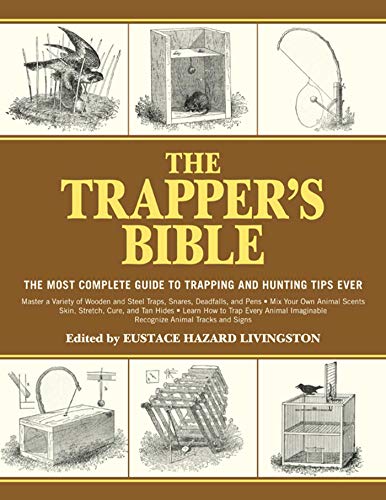
- Covers traps, snares, deadfalls, and pens.
- Includes tracks, signs, and animal behavior details.
- Packed with photos, illustrations, and hide-processing tips.
Best For: Hunters and trappers who want a specialized trapping reference.
Bushcraft-Focused Survival Basics
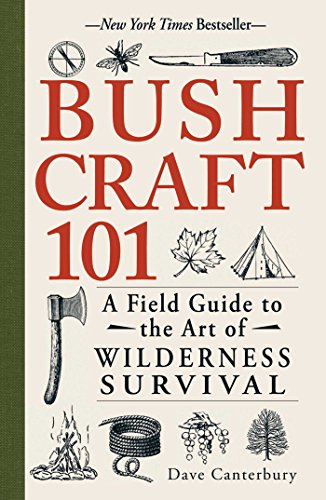
- Centered on the 5Cs of survivability.
- Covers tool-making, shelter, food, and cooking.
- Compact, practical guide for backcountry use.
Best For: Hunters and backcountry travelers who want a concise bushcraft guide.
Wilderness Fundamentals
The Essential Skills of Wilderness Survival

- Systematic coverage of shelter, water, fire, food, and navigation
- Teaches practical survival steps for emergency situations
- Includes survival kit planning and no-match fire starting
Best For: Hunters and outdoors readers who want a structured survival reference
Bushcraft Bundle

- Four-book set covering survival, advanced bushcraft, food, and first aid
- Built around the 5Cs of survivability and self-reliance
- Broad reference option for woods and field prep
Best For: Readers who want a multi-book bushcraft collection covering survival, food, and first aid
Field Food Guide
The Bushcraft Field Guide to Trapping, Gathering, and Cooking in the Wild

- Covers trapping, gathering, and cooking food outdoors
- Includes recipes plus full-color plant photos
- Compact, illustrated guide sized for a pack
Best For: Hunters and hikers who want a compact guide to wild food, foraging, and cooking
Field-Tested Wilderness Guide – The MeatEater Guide to Wilderness Skills and Survival
If you want hunting survival books that focus on real-world usefulness rather than hype, this guide fits the bill. Steven Rinella draws on his own experience and advice from hunters, doctors, climbers, paddlers, and guides to cover the core skills that matter when you’re spending serious time outdoors.
Best For: Hunters and outdoors readers who want a practical survival reference with modern and traditional skills.
Pros:
- Covers navigation, first aid, tourniquets, and water purification.
- Blends old-school methods with modern satellite tools.
- Built from hard-earned experience and expert input.
- Useful for everything from extended trips to day outings.
Cons:
- More of a broad wilderness manual than a pure hunting handbook.
- At 464 pages, it is a substantial read.
This is a strong pick if you want a serious, well-rounded survival book for the field. It prioritizes practical know-how over theatrics and offers a wide skill set that translates well to hunting and backcountry travel.
Classic Woods Survival Manual – How to Stay Alive in the Woods
How to Stay Alive in the Woods: A Complete Guide to Food, Shelter and Self-Preservation Anywhere
Check Price On AmazonFor readers looking for hunting survival books with a classic, no-nonsense approach, this illustrated manual is a strong choice. It focuses on core backcountry survival needs like food, shelter, orientation, and safety, with clear instructions that are easy to follow.
Best For: Traditional survival readers who want a straightforward guide to food, shelter, and self-preservation.
Pros:
- Breaks survival into four practical sections: Sustenance, Warmth, Orientation, and Safety.
- Includes illustrated guidance on edible plants, shelters, clothing, and signaling.
- Shows how to catch game without a gun.
- Clear, at-a-glance instructions make it easy to use in the field.
Cons:
- Older-style presentation may feel less modern than newer guides.
- Focuses on fundamentals rather than advanced gear or tech.
This book works well as a foundational survival reference for outdoor time in the woods. If you want a practical companion built around timeless skills, it delivers exactly that.
Primitive Hunter-Gatherer Guide – Hunting & Gathering Survival Manual
Hunting & Gathering Survival Manual: 221 Primitive & Wilderness Survival Skills (Outdoor Life)
Check Price On AmazonIf your hunting survival books shortlist needs something that leans into self-sufficiency, this manual is a practical fit. It covers foraging, hunting, cooking, and emergency survival with step-by-step illustrations and a durable flexicover format.
Best For: Outdoors enthusiasts who want a hands-on guide to hunting, foraging, and living off the land.
Pros:
- Includes 221 primitive and wilderness survival skills.
- Covers edible plants, nuts, mushrooms, hunting, and camp cooking.
- Designed for both backyard preparedness and wilderness use.
- Step-by-step illustrations make techniques easier to learn.
Cons:
- More focused on primitive skills than modern survival gear.
- At 224 pages, it is shorter than some broader reference books.
This is a solid pick if you want a compact, skill-heavy manual centered on living off the land. It offers a broad mix of hunting, gathering, and emergency basics in a highly usable format.
Food-Finding Survival Reference – How to Eat in the Woods
Among hunting survival books, this one is especially useful if your priority is finding and preparing food in the wild. It offers a practical guide to trapping, fishing, edible plants, and other food sources, with trusted information aimed at real backcountry use.
Best For: Readers who want a focused guide to foraging, trapping, fishing, and finding sustenance in the woods.
Pros:
- Covers tracking, trapping, killing, and preparing animals.
- Includes fishing, bait selection, and cleaning the catch.
- Identifies edible plants, fruits, berries, nuts, eggs, and insects.
- Also explains water finding, fire building, and food prep without utensils.
Cons:
- More food-focused than a full all-around survival manual.
- Less emphasis on shelter and navigation than some broader guides.
This is a strong specialty title if you want to learn how to eat in the woods, not just survive there. Its food-centered approach makes it a useful companion for hunters, foragers, and backcountry travelers alike.
Ultimate All-Around Survival Guide – SAS Survival Handbook, Third Edition
If you want one of the most established hunting survival books for broad outdoor preparedness, this updated SAS guide is built to cover far more than just campsite basics. It moves from navigation and campcraft to food, first aid, self-defense, and surviving in harsh climates, making it a practical pick for hunters who also want a wider disaster-readiness reference.
Best For: Hunters, campers, and outdoor adventurers who want a comprehensive survival manual with broad coverage.
Pros:
- Updated with more than 100 pages of additional material.
- Covers campcraft, navigation, food, first aid, and disaster survival.
- Includes newer topics like urban survival and terrorism.
- Addresses a wide range of climates and terrain.
Cons:
- Very broad, so it is not focused only on hunting-specific field skills.
- Large 672-page format may be more than some readers need.
This is the kind of handbook that works best as a long-term reference rather than a quick field pamphlet. If your priority is a single survival book with extensive coverage and updated topics, it stands out as a strong all-around choice.
Trapping and Field Skills Reference – The Trapper's Bible
The Trapper's Bible: The Most Complete Guide to Trapping and Hunting Tips Ever
Check Price On AmazonAmong hunting survival books, this title stands out for readers who want deep reference material on trapping and animal behavior. It focuses on recognizing tracks and signs, using wood and steel traps, snares, deadfalls, and pens, plus practical details like making scents and processing hides.
Best For: Hunters, trappers, and readers who want a detailed trapping reference with lots of illustrated guidance.
Pros:
- Explains tracks, signs, and the behavior of commonly hunted animals.
- Covers a wide range of traps, snares, deadfalls, and pens.
- Includes tips on skinning, stretching, curing, and tanning hides.
- Uses hundreds of photos and illustrations.
Cons:
- More specialized than a general survival handbook.
- Best suited to readers interested in trapping techniques and reference detail.
If you want a book with a strong focus on trapping know-how and animal-specific information, this is a highly specialized pick. It works especially well for readers who value detailed field reference material over a general survival overview.
Bushcraft-Focused Survival Basics – Bushcraft 101
Bushcraft 101: A Field Guide to the Art of Wilderness Survival (Bushcraft Survival Skills Series)
Check Price On AmazonFor hunting survival books centered on practical backcountry skills, Bushcraft 101 keeps the focus tight on the essentials. Built around the 5Cs of Survivability—cutting tools, covering, combustion devices, containers, and cordages—it emphasizes making useful resources from what you carry and what you find outdoors.
Best For: Hunters and backcountry travelers who want a concise bushcraft guide with core survival skills.
Pros:
- Built around the five essentials of survivability.
- Covers tool-making, shelter, food collection, and cooking.
- Practical for learning how to use surroundings to your advantage.
- Compact 256-page format is easy to handle.
Cons:
- Less expansive than larger all-purpose survival manuals.
- Focused more on bushcraft fundamentals than advanced disaster scenarios.
This book is a smart choice if you want a streamlined guide that teaches core wilderness survival skills without extra bulk. It is especially appealing for readers who want to build practical field confidence through bushcraft basics.
Wilderness Fundamentals – The Essential Skills of Wilderness Survival
If you’re comparing hunting survival books for general backcountry preparedness, this guide is a strong fit because it lays out the core priorities in a clear order: shelter, water, fire, food, navigation, and survival kits. It is built as a systematic survival manual, which makes it useful when you want practical steps instead of scattered tips.
Best For: Hunters and outdoors readers who want a structured survival reference covering the basics in the right order.
Pros:
- Covers the major survival essentials: shelter, water, fire, food, navigation, and kits.
- Focuses on practical, step-by-step preparation for emergency situations.
- Includes techniques for natural materials, map use, and no-match fire starting.
- Described as beautifully illustrated and masterfully organized.
Cons:
- Broad survival focus rather than a hunting-specific manual.
- Centers on wilderness fundamentals, so experienced readers may already know some basics.
Overall, this is a dependable foundation book if you want hunting survival books that emphasize confidence, order, and all-around field readiness. It reads like a practical companion for remote trips and emergency preparation.
Bushcraft Bundle – The Bushcraft Boxed Set
For buyers looking at hunting survival books with a bigger skill range, this boxed set stands out because it combines four separate bushcraft titles into one collection. It covers the 5Cs of survivability, advanced self-reliance, food gathering and cooking, and first aid, making it a broad library-style option for the woods.
Best For: Readers who want a multi-book bushcraft collection covering survival, food, and first aid.
Pros:
- Includes four titles in one set for a wide skill range.
- Covers core bushcraft fundamentals through advanced self-reliance.
- Adds food-focused guidance and a dedicated first aid resource.
- Based on Dave Canterbury’s wilderness survival approach.
Cons:
- Bulkier than a single field guide.
- Less portable if you want one compact pack book.
This set is a strong value pick if you want one purchase that covers several key outdoor topics at once. It makes the most sense for readers building a serious reference shelf rather than a minimalist pack.
Field Food Guide – The Bushcraft Field Guide to Trapping, Gathering, and Cooking in the Wild
If your version of hunting survival books needs a food-focused reference, this field guide is especially practical. It concentrates on what to eat, where to find it, and how to cook it, while also covering trapping, gathering, and trail recipes for trips from a day hike to a weeklong expedition.
Best For: Hunters and hikers who want a compact guide to wild food, foraging, and cooking.
Pros:
- Focuses on packing, trapping, gathering, and preparing food in the wild.
- Includes recipes for trail use and full-color plant photos.
- Contains illustrations to support the instructions.
- Compact size makes it easy to keep in a pack.
Cons:
- More specialized toward food and foraging than general survival.
- Does not cover the full range of wilderness skills on its own.
This is the most targeted choice in the group if your priority is edible plants, food gathering, and cooking outdoors. It works well as a carry-along reference for readers who want a practical, packable resource.
How We Picked These Hunting Survival Books
We focused on books with clear instruction, broad field coverage, and a strong balance of survival basics and hunting-adjacent skills. The best Hunting Survival Books should help with preparation before the trip and decision-making once you are in the woods.
We also favored titles that cover core priorities like fire, shelter, water, navigation, food procurement, and situational awareness. For many readers, the right pick is the one that matches your skill level and the environments you actually hunt.
Quick Comparison
Some books lean toward all-around survival, while others emphasize bushcraft, trapping, foraging, or primitive skills. If you want a single broad reference, choose an encyclopedic guide. If you want fieldcraft you can practice and refine, a more specialized bushcraft or trapping title may be the better fit.
Key Buying Factors for Hunting Survival Books
Skill Coverage
Look for Hunting Survival Books that explain shelter building, water sourcing, fire starting, food procurement, and navigation without relying on vague advice. Clear step-by-step instruction is more valuable than dramatic survival stories.
Practicality in the Field
Choose books that are realistic for your region and season. A good guide should reflect the conditions you are likely to face, whether that means cold-weather travel, wet terrain, or backcountry overnight hunts.
Food and Foraging Guidance
If food self-reliance matters to you, prioritize books that discuss fishing, trapping, edible plants, and safe foraging with enough detail to reduce guesswork.
Format and Depth
Some readers want a compact field reference, while others prefer a deeper manual or boxed set. Heavier, more detailed books are great for home study; slimmer guides may be easier to pack.
Who Should Buy Which Hunting Survival Books?
Beginners should start with a broad, easy-to-follow overview that covers the fundamentals without assuming prior knowledge. Intermediate readers may prefer a more specialized title focused on bushcraft, trapping, or food gathering. Experienced outdoorspeople often benefit from advanced references that can serve as a field library rather than a single how-to book.
If you are building a prepper or hunting library, a mix of general survival and skill-specific Hunting Survival Books is often the smartest move. That combination gives you both the big-picture framework and the detailed techniques you can practice before you need them.