For a reluctant reader, the right book can make the difference between avoiding reading and asking for one more chapter. Humor, interactive prompts, silly characters, and fast-moving stories provide an inviting way to build confidence without making reading feel like homework.
These 10 humor books for reluctant readers include joke collections, beginning-reader books, interactive read-alouds, and funny chapter books for a range of ages and reading levels.
Best 10 Humor Books for Reluctant Readers Picks for 2026
Reluctant Reader Rescue
- Highly visual, humorous format
- Designed for reluctant readers
- Ages 6–10; 112 pages
Best For: Children who resist reading and need a confidence-building starting point
Joke-Book Starter
- Jokes, riddles, and one-liners
- Themed chapters add variety
- Compact 128-page collection
Best For: Kids who prefer quick, shareable reading activities
Laugh-and-Read Treasury

- Stories, poems, jokes, and word games
- Large type and simple vocabulary
- Colorful format for ages 5–8
Best For: Beginning readers who need variety and accessible reading practice
Middle-Grade Mayhem
- Funny school story about classroom misfits
- Distinctive characters and comic conflict
- 304 pages for ages 8–12
Best For: Older reluctant readers ready for a full-length humorous novel
Giggle-Trigger Pick
If You Laugh, I'm Starting This Book Over

- Interactive no-laughing challenge
- Silly illustrations and character names
- 40-page storytime-friendly format
Best For: Young children who enjoy participatory read-alouds
Prankster Adventure Pick

- Middle-school prankster protagonist
- Robot fights, experiments, and comic mishaps
- Heartfelt underdog story about belonging
Best For: Ages 8–12 who enjoy funny school adventures
Silly Early-Reader Quest

- Step into Reading Step 3 format
- Giant, sheep, and puzzle-driven adventure
- Playful gross-out humor in 48 pages
Best For: Beginning readers in kindergarten through third grade
Best Interactive Read-Aloud

- Bold graphics and laugh-out-loud humor
- Invites readers to shout, sing, and wiggle
- Suitable for read-alouds or independent reading
Best For: Children ages 5–8 who enjoy active story time
Best Silly Rhyming Pick
- Hilarious rhymes and playful illustrations
- Simple premise encourages easy engagement
- Short 32-page format supports repeat readings
Best For: Young children who enjoy silly bathroom humor
Best Humorous Chapter Book

- Full-color, highly visual chapter-book format
- Uses humor and interactivity to reduce reading resistance
- Designed for ages 6–10 and reluctant readers
Best For: Children transitioning to longer independent reading
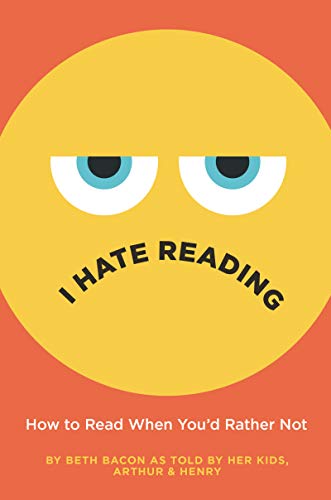
Reluctant Reader Rescue – I Hate Reading
For children who resist traditional books, I Hate Reading is a highly visual choice among humor books for reluctant readers. Its playful approach is designed to make a 20-minute reading session feel more manageable while helping kids experience success and laughter.
Best For: Kids ages 6–10 who need an encouraging, funny introduction to independent reading.
Pros:
- Directly validates the frustrations of reluctant readers.
- Highly visual illustrated format supports an approachable reading experience.
- 112 pages provide plenty of reading practice in a humorous package.
Cons:
- Its narrow focus may be less appealing to children who already enjoy reading.
- The humor-driven approach may not replace more structured reading instruction.
This is the most purpose-built pick in the group for a child who actively avoids reading. It combines a short, accessible format with humor intended to reduce resistance and build confidence.
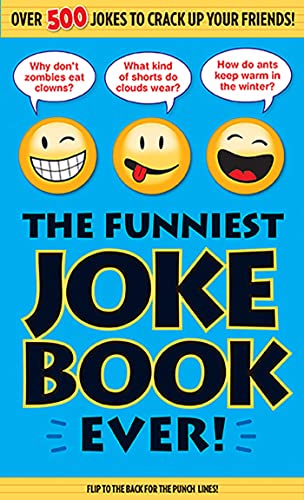
Joke-Book Starter – The Funniest Joke Book Ever!
The Funniest Joke Book Ever! is a compact, shareable option for humor books for reluctant readers. With jokes, riddles, knock-knock jokes, and one-liners, it encourages kids to pick up the book for quick laughs rather than a long reading commitment.
Best For: Kids ages 7 and up who enjoy performing jokes, sharing laughs, and reading in short bursts.
Pros:
- Offers multiple joke formats, including riddles and one-liners.
- Includes themed chapters on elephants, pirates, and space.
- Compact 128-page format is easy to carry and revisit.
Cons:
- Some jokes may appeal more to children who enjoy familiar joke-book wordplay.
- It is a joke collection rather than a connected story.
This is a practical choice when the goal is to make reading social and immediately rewarding. Kids can read one joke at a time, then practice fluency and expression by sharing it aloud.
Laugh-and-Read Treasury – Ready, Set, Read–And Laugh!
Ready, Set, Read–And Laugh! brings together humorous stories, poems, jokes, and word games for beginning readers. Its simple vocabulary, large type, and colorful illustrations make it a strong all-around option among humor books for reluctant readers who benefit from varied, accessible selections.
Best For: Beginning readers ages 5–8 who enjoy switching between short stories, poems, jokes, and wordplay.
Pros:
- Variety of formats helps prevent reading fatigue.
- Simple vocabulary and large type are suited to beginning readers.
- Bright illustrations and familiar children’s characters add appeal.
Cons:
- As a treasury, it may feel less cohesive than a single story.
- Its 1995 publication date may mean some selections feel older in style.
This treasury is a flexible pick for shared reading or independent browsing. The mix of short, funny pieces gives young readers several low-pressure ways to practice without committing to a full-length narrative.
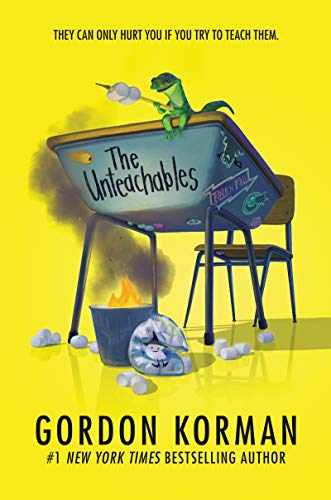
Middle-Grade Mayhem – The Unteachables
The Unteachables: A Hilarious Novel About a Class of Misfits and Mayhem for Children (Ages 8–12)
Check Price On AmazonThe Unteachables is a longer middle-grade novel for readers who respond to character-driven humor and school chaos. The story follows a class of misfits and their burned-out teacher, making it a compelling choice among humor books for reluctant readers ages 8–12 who are ready for a sustained narrative.
Best For: Readers ages 8–12 who enjoy school stories, misfit characters, mayhem, and an eventual theme of redemption.
Pros:
- Strong premise pairs a notoriously difficult class with a reluctant teacher.
- Multiple distinctive characters create opportunities for humor and conflict.
- 304-page novel offers a substantial reading experience.
Cons:
- The longer length may be intimidating for highly resistant or beginning readers.
- Its middle-grade themes and reading level are less suitable for younger children.
This is the best fit when a reluctant reader is ready to move beyond short jokes or highly visual books. The school setting, misfit ensemble, and comedic mayhem provide a strong hook while the story develops toward renewed purpose and redemption.
Giggle-Trigger Pick – If You Laugh, I'm Starting This Book Over
For younger children who resist reading time, this interactive picture book turns humor books for reluctant readers into a playful read-aloud experience. The no-laughing challenge, silly names, narrative twists, and goofy illustrations invite children to participate rather than simply listen.
Best For: Preschool through early elementary storytime, especially children who enjoy interactive books and broad visual humor.
Pros:
- Interactive premise encourages children to react and join in.
- Short 40-page format works well for storytime.
- Silly illustrations and character names support the comedy.
Cons:
- The repeated-reset joke may be less appealing to children who prefer a traditional story.
- Designed primarily for read-aloud use rather than independent reading.
This is a strong choice when the goal is to make reading feel like a game. Its humor is immediate and participation-driven, making it particularly useful for drawing young, hesitant listeners into books.
Prankster Adventure Pick – Ungifted
For older children who need a compelling story before they will commit to a novel, Ungifted combines school humor, pranks, and an unexpected mix-up. Among humor books for reluctant readers, it stands out for pairing goofy situations with a heartfelt underdog story.
Best For: Readers ages 8–12 who enjoy middle-school adventures, rule-breaking protagonists, robot fights, and comedic misunderstandings.
Pros:
- Fast-moving premise places a prankster in an unlikely gifted program.
- Includes humorous set pieces such as dances, experiments, and pranks.
- Balances comedy with themes of intelligence, friendship, and belonging.
- At 288 pages, it offers a substantial chapter-book reading experience.
Cons:
- The longer novel format may still feel demanding for readers who avoid chapter books.
- Its middle-school setting may be less relevant to younger children.
Choose this book for a reluctant reader who responds to mischievous characters and school-based comedy. Donovan’s accidental placement creates enough plot momentum to carry readers through a fuller novel while retaining an accessible, warm tone.
Silly Early-Reader Quest – The Stinky Giant
The Stinky Giant offers humor books for reluctant readers in a guided early-reader format. Its simple adventure follows Pepper and Jake as they confront a giant whose dirty laundry causes floods, then face cryptic puzzles with high stakes for the children and their sheep.
Best For: Kindergarten through third-grade readers working through Step 3 books and children who enjoy giants, puzzles, and silly problem-solving adventures.
Pros:
- Step 3 format provides a clear early-reading level.
- Funny premise centers on a big, stinky giant and smelly soup.
- Adventure and puzzles give the story forward momentum.
- Compact 48-page illustrated format is approachable for young readers.
Cons:
- The gross-out humor may not suit every household.
- Its simple plot may feel too young for advanced elementary readers.
This is a practical pick for children building confidence with independent reading. The recognizable Step 3 structure, humorous giant, and puzzle-based danger add enough fun to make a short reading session feel like an adventure.
Best Interactive Read-Aloud – The Worst Book Ever
For families seeking humor books for reluctant readers, The Worst Book Ever turns story time into an active performance. Its bold graphics, meta-storytelling, and invitations to shout, sing, and wiggle can help beginning to intermediate reluctant readers stay engaged.
Best For: Children ages 5–8 who enjoy participatory read-alouds and playful library-themed humor.
Pros:
- Uses interactive prompts to involve children in the story.
- Features bold, colorful graphics and laugh-out-loud humor.
- Works for read-alouds, story time, or independent reading.
Cons:
- The interactive format may be less suitable for quiet reading sessions.
- Its 146-page length is substantial for a younger picture-book audience.
This is a strong pick when the goal is to make reading feel like an energetic group activity rather than a passive task.
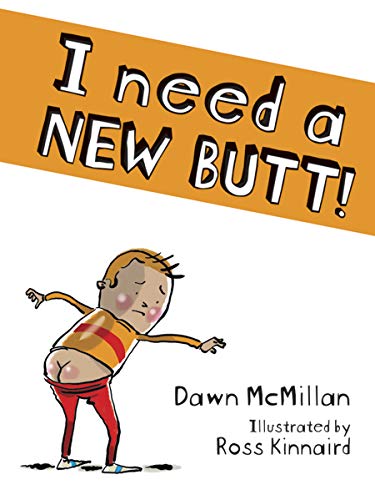
Best Silly Rhyming Pick – I Need a New Butt!
I Need a New Butt! is a straightforward choice among humor books for reluctant readers who respond to silly body humor. Its quirky premise, rhyming text, and illustrated search for an unusual replacement butt are designed to keep children giggling from beginning to end.
Best For: Children ages 3 and up, especially kindergarten through fourth grade, who enjoy short, funny read-alouds.
Pros:
- Uses hilarious rhymes and playful illustrations.
- The simple, silly premise is easy to follow.
- Its 32-page format suits repeat readings.
Cons:
- Its bathroom humor may not appeal to every family or classroom.
- The very short format offers less reading volume than a chapter book.
Choose this book when immediate laughs and repeat read-aloud appeal matter more than a longer or more complex storyline.
Best Humorous Chapter Book – The Book No One Wants to Read
For readers ready to move beyond short picture books, The Book No One Wants to Read uses humor, interactivity, and meta-storytelling to make chapter-book reading feel less intimidating. The full-color presentation and direct deal with the reader are especially useful for children who find conventional reading boring or frustrating.
Best For: Reluctant readers ages 6–10 who need an encouraging, highly visual introduction to chapter books.
Pros:
- Combines humor and interactivity to reward continued page-turning.
- Full-color visuals make the 176-page chapter book feel approachable.
- Directly validates reluctant readers’ frustration with reading.
Cons:
- The meta-storytelling premise may feel unconventional to readers seeking a traditional narrative.
- Its longer chapter-book format may still be demanding for beginning readers.
This is the most suitable option here for children who need a bridge between illustrated humor and sustained independent reading.
How We Picked These Humor Books for Reluctant Readers
We selected books that use humor as a practical gateway into reading. The list includes short jokes, visual or interactive formats, accessible early readers, and chapter books with strong comic momentum. We also considered age range, reading difficulty, read-aloud appeal, and whether each title offers enough variety to keep a hesitant reader engaged beyond the first few pages.
Quick Comparison
| Best For | Formats to Consider | What to Look For |
|---|---|---|
| Beginning readers | Step readers and joke treasuries | Short text, repetition, and easy wins |
| Independent readers ages 6–10 | Interactive chapter books | Direct humor, prompts, and manageable chapters |
| Readers ages 8–12 | Funny middle-grade novels | Distinct characters and fast-moving plots |
| Family story time | Read-aloud picture and novelty books | Audience participation and visual comedy |
Key Buying Factors for Humor Books for Reluctant Readers
Match the Reading Level
Choose a book that is challenging enough to feel rewarding but not so difficult that the jokes become frustrating. Early readers benefit from controlled vocabulary, repetition, and short sections, while confident listeners may enjoy more advanced chapter books read aloud.
Consider the Type of Humor
Physical comedy, silly body humor, jokes, wordplay, and mischievous characters appeal to different children. If one style falls flat, try another rather than assuming the child dislikes reading altogether.
Check the Format and Length
Short joke books and interactive titles are useful for quick wins. Longer novels work well when the child enjoys recurring characters, classroom chaos, or an unfolding plot. Illustrations, large type, and frequent chapter breaks can also reduce the visual effort of reading.
Think About How the Book Will Be Used
A read-aloud should invite participation and work for repeated performances. An independent-reading book should offer accessible pages and enough momentum to sustain attention. For reluctant readers, flexibility is often more valuable than choosing the most advanced title.
Who Should Buy Which Humor Books for Reluctant Readers?
For a child just beginning to read, start with an early reader or short joke collection that delivers frequent successes. For children who enjoy being part of the joke, an interactive book or comic read-aloud can turn reading into a shared activity. Readers ages 8–12 who are ready for longer fiction may prefer a humorous school story with memorable misfits, pranks, and escalating problems.
Adults shopping for a gift should consider buying one short-format title and one longer story. The shorter book can create immediate engagement, while the chapter book provides a path toward sustained independent reading. Whichever option you choose, let the child’s sense of humor guide the decision: the best book is the one they are eager to open.