Helicopter history books can be surprisingly different from one another. Some focus on the first rotary-wing experiments and engineering breakthroughs, while others emphasize combat service, iconic aircraft, or richly illustrated storytelling.
This roundup brings together ten standout picks for readers who want a clear, buyer-friendly guide to the history of helicopters. Whether you want a visual reference, a technical deep dive, or a military aviation overview, there’s an option here that fits.
Best 10 Helicopter History Books Picks for 2026
Rotary-Wing Foundations
Helicopter: An Illustrated History of Rotary-Winged

- Illustrated overview of helicopter development
- Covers early designs through modern advances
- Includes both successful and unsuccessful concepts
Best For: Readers who want a visual overview of helicopter development
Pre-Helicopter Origins
Helicopters Before Helicopters
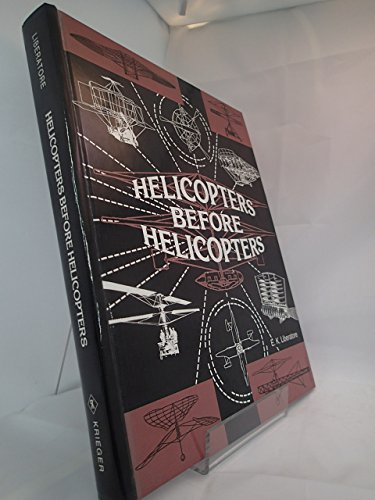
- Covers vertical-flight ideas before practical helicopters
- Includes 200+ illustrations and a glossary
- Aimed at professionals, students, and enthusiasts
Best For: Professionals, students, and aviation enthusiasts studying vertical-flight roots
Classic Illustrated Survey
The helicopter: An illustrated history

- Classic illustrated helicopter history title
- Compact 224-page format
- Older first-edition aviation book
Best For: Readers looking for a classic illustrated history in a compact format
Military Rotary-Wing History
Helicopters in Combat: The First Fifty Years

- Military history of helicopter use in combat
- Covers rescue, med-vac, and antitank roles
- Focuses on the first fifty years of service
Best For: Readers interested in the military and combat use of helicopters
History, Innovation, and Flight

- Broad helicopter history from early ideas to modern uses
- Covers war, rescue, and media moments
- Profiles key helicopter pioneers and inventors
Best For: Readers seeking an accessible overview of helicopter development
Military Reference and Rotorcraft Survey
Illustrated Encyclopedia of Military Helicopters
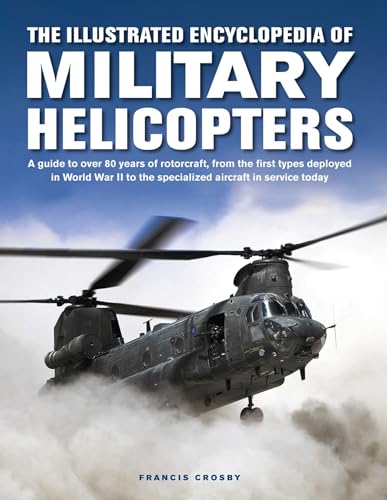
- Covers 80+ years of military rotorcraft history
- A–Z entries include specs and development notes
- Packed with 500+ photos and cutaway drawings
Best For: Buyers who want a visual military helicopter reference
Combat Origins and Crew Stories

- Firsthand accounts from RAF and Royal Navy crews
- Focuses on early British helicopter operations
- Covers Malayan Emergency and Indonesian Confrontation
Best For: Readers focused on early British military helicopter history
Kid-Friendly Pick
The Extraordinary World of Helicopters

- Simple explanation of how helicopters fly
- Covers helicopter evolution and history
- Vibrant illustrations and photos for young readers
Best For: Kids and beginners who want an easy helicopter introduction
In-Depth Military Profile
Black Hawk: The Story of a World Class Helicopter

- Detailed account of Black Hawk development and testing
- Written by Ray Leoni, closely tied to the program
- Covers military, rescue, and humanitarian service
Best For: Readers who want a focused, detailed Black Hawk history
Modern Reference Choice

- More than 130 artworks and photos
- Covers attack, utility, transport, and reconnaissance types
- Includes major modern helicopters and the V-22 Osprey
Best For: Modellers and aviation fans wanting a modern helicopter reference
Rotary-Wing Foundations – Helicopter: An Illustrated History of Rotary-Winged
If you’re comparing helicopter history books, this title offers a broad illustrated look at how rotary-wing aircraft evolved from early concepts to modern designs. It covers historic past and present machines, including both successful and unsuccessful designs, and traces the path from Igor Sikorsky’s early work to later advances in electronics, CAD, and composite materials.
Best For: Readers who want a visual overview of helicopter development from early pioneers to modern technology.
Pros:
- Tracks the major stages of helicopter development in one compact volume.
- Includes historic and present designs, with attention to both successes and missteps.
- Discusses modern advances such as digitized electronics and composite materials.
- Illustrated format should appeal to readers who prefer a visual survey.
Cons:
- At 144 pages, it is shorter than some deeper reference-style helicopter history books.
- Focuses more on overview than on a single narrow era or technical specialty.
This is a solid pick if you want a concise, image-friendly introduction to helicopter evolution without getting lost in technical detail. It works especially well as a general history book for enthusiasts who want the big picture.
Pre-Helicopter Origins – Helicopters Before Helicopters
Among helicopter history books, this one is especially useful if you want to understand the ideas that came before practical helicopters. It follows vertical-rising aircraft from the earliest concepts to the late 1930s, then adds over 200 illustrations and an encyclopedic glossary to help explain the development of the technology and procedures.
Best For: Professionals, students, and aviation enthusiasts who want a detailed look at the roots of vertical flight.
Pros:
- Covers the full pre-history of vertical-rising aircraft up to the practical helicopter era.
- Includes over 200 illustrations for visual reference.
- Features an encyclopedic glossary that supports learning and research.
- Useful for professionals, students, and aviation conservators.
Cons:
- Its depth may feel more specialized than a casual overview.
- Strong focus on early development means less emphasis on later helicopter history.
If you want a more scholarly take on how the helicopter became possible, this is one of the stronger choices. The combination of illustrations and glossary makes it practical as both a reading book and a reference tool.
Classic Illustrated Survey – The helicopter: An illustrated history
If you want helicopter history books with a straightforward historical focus, this illustrated history by Keith Carey is a classic option. It presents the subject as a visual survey of helicopter development, making it a reasonable pick for readers who want a dedicated history volume without extra technical framing.
Best For: Readers looking for a classic illustrated history of helicopters in a compact format.
Pros:
- Dedicated to helicopter history and presented as an illustrated history.
- Compact 224-page length makes it approachable.
- First edition from 1986 may appeal to collectors of older aviation books.
Cons:
- Supplied details are limited, so there is less information about specific topics covered.
- Older publication date means it will not include later helicopter developments.
This is best viewed as a traditional history title for readers who appreciate a classic, straightforward treatment. It is a sensible choice if you want an older illustrated survey rather than a modern technical overview.
Military Rotary-Wing History – Helicopters in Combat: The First Fifty Years
For readers focused on helicopter history books with a military angle, this title covers the first fifty years of helicopter combat use. It moves from rescue and med-vac roles at the close of World War II through antitank warfare during the Gulf War, giving it a clear operational history focus.
Best For: Readers interested in the military and combat use of helicopters over their first fifty years.
Pros:
- Centers on the military history of helicopters rather than general development.
- Covers roles from rescue and med-vac to antitank warfare.
- Second edition suggests an updated treatment within its publication era.
- Moderate 256-page length offers more depth than a brief overview.
Cons:
- Less suitable if you want a broad civilian or design-focused helicopter history.
- Its scope ends with the first fifty years, so it won’t cover later conflicts.
This book is a strong fit if your interest is helicopter operations in warfare rather than airframe design. It gives a focused account of how helicopters were used in combat and support missions across several major conflicts.
History, Innovation, and Flight – The God Machine
If you want helicopter history books that read like both an invention story and an adventure, The God Machine offers a broad, engaging look at how the helicopter evolved from early ideas into a versatile machine. It covers major uses in war, rescue, and media, while also explaining the imaginative thinkers behind its development.
Best For: Readers who want a lively general history of the helicopter with examples from warfare, rescue work, and popular culture.
Pros:
- Connects helicopter development to war, rescue missions, and TV history.
- Profiles the inventors and helicopter pioneers who shaped the aircraft.
- Written as a readable “flying lesson” with a broad historical scope.
Cons:
- Not a narrow technical reference or model-by-model guide.
- Coverage is broader than a specialized military-only history.
This is a strong pick if you want a helicopter history book that balances storytelling with real historical context. It feels especially useful for readers who want the big picture rather than a dry technical treatment.
Military Reference and Rotorcraft Survey – Illustrated Encyclopedia of Military Helicopters
For shoppers comparing helicopter history books with a military focus, this encyclopedia is built as a detailed reference rather than a narrative read. It traces rotorcraft history from Leonardo da Vinci through modern tilt-rotor aircraft and adds an A–Z guide to more than 80 helicopters with specs, development notes, and extensive visuals.
Best For: Readers who want an illustrated military helicopter reference with historical context, aircraft data, and lots of photos.
Pros:
- Authoritative overview of military helicopters across more than 80 years.
- A–Z directory covers over 80 aircraft from major manufacturers.
- Includes specifications, cutaway drawings, and over 500 photographs.
Cons:
- More reference-oriented than story-driven.
- Focuses on military rotorcraft rather than civilian helicopter history.
This is the best fit if you want a visually rich field guide with enough history to anchor the aircraft profiles. It is especially useful for readers who value facts, specs, and side-by-side comparison.
Combat Origins and Crew Stories – The First Helicopter Boys
The First Helicopter Boys: The Early Days of Helicopter Operations—The Malayan Emergency, 1947–1960
Check Price On AmazonIf you prefer helicopter history books grounded in firsthand operations, this title focuses on the early days of British rotary-wing combat during the Malayan Emergency and the Indonesian Confrontation. The book emphasizes how crews learned on the job, how helicopter resources shaped jungle warfare, and how those early missions helped define British helicopter operations.
Best For: Readers interested in early military helicopter operations, British service history, and crew-centered firsthand accounts.
Pros:
- Tells the story through the words of RAF and Royal Navy air and ground crews.
- Explains how helicopter operations developed during the Malayan Emergency.
- Shows the practical impact of helicopters in difficult jungle and border terrain.
Cons:
- Focused on a specific era and region rather than the full history of helicopters.
- Less suitable if you want a broad general overview or technical aircraft reference.
This book stands out for its operational detail and first-person perspective, making it a strong choice for readers who want history from the cockpit and the ground crew perspective. It is especially compelling if your interest is in how helicopter warfare evolved in real conditions.
Kid-Friendly Pick – The Extraordinary World of Helicopters
If you’re looking for helicopter history books that introduce the subject in a simple, visual way, this one is built for young readers and curious beginners. It explains how helicopters fly, traces how they evolved from early ideas to modern machines, and adds colorful illustrations and photos to keep the topic approachable.
Best For: Kids, families, and first-time readers who want a light introduction to helicopter history and flight basics.
Pros:
- Uses simple explanations that are easy for young readers to follow
- Includes vibrant illustrations and wonderful photos
- Covers how helicopters work and how they evolved over time
- Touches on famous helicopters and why they matter
Cons:
- Very short at 42 pages
- Written for a broad 2–18 reading age, so depth is limited
- More of an introductory overview than a detailed history book
This is a friendly, giftable pick if you want helicopter history books that prioritize accessibility and visual appeal over technical detail. It works best as an engaging starter title for children or casual helicopter fans.
In-Depth Military Profile – Black Hawk: The Story of a World Class Helicopter
Among helicopter history books, this one stands out as a detailed case study of how a major military helicopter was developed, tested, modified, and produced. Written by Ray Leoni, it focuses on the Black Hawk’s design, the Army requirements it had to meet, and the aircraft’s long service record across military and rescue missions.
Best For: Readers who want a serious, detailed helicopter history book focused on the Black Hawk program and its real-world impact.
Pros:
- Written by Ray Leoni, described as the father of the Black Hawk
- Explains the development, testing, and production process in clear detail
- Connects design decisions to Army performance, survivability, and reliability needs
- Covers widespread service use, including combat, rescue, and humanitarian roles
Cons:
- Highly specialized in one helicopter type
- More technical than a general-interest overview
- Not aimed at casual readers looking for broad rotary-wing history
If you want helicopter history books with real depth, this is a strong choice because it documents one of the world’s most successful helicopters from concept to global service. It’s especially appealing for readers interested in military aviation and aircraft development.
Modern Reference Choice – Modern Military Helicopters
Modern Military Helicopters: Attack * Utility * Transport * Reconnaissance (Technical Guides)
Check Price On AmazonIf your version of helicopter history books leans toward modern service aircraft, this illustrated technical guide is a practical reference. It organizes helicopters by role—attack, reconnaissance, utility, transport, and maritime—and highlights major examples like the AH-64 Apache, Mi-24 Hind, Ka-52, V-22 Osprey, and Mi-26.
Best For: Aviation enthusiasts, modellers, and readers who want a current reference on military helicopters in service today.
Pros:
- Includes more than 130 helicopter artworks and photos
- Organized clearly by aircraft type and mission role
- Features many major modern military helicopters and tiltrotors
- Useful as an accessible reference for modellers and enthusiasts
Cons:
- Focuses on modern helicopters rather than early history
- More reference-oriented than narrative-driven
- Publication date is listed as 2025, so availability may vary
This is a smart pick if you want helicopter history books that double as a current visual guide to rotary-wing aircraft. It’s strongest for readers who care about modern designs, aircraft roles, and reference-style browsing.
How We Picked These Helicopter History Books
We prioritized books that offer strong historical coverage, credible aviation context, and clear value for different types of readers. The list balances general histories, illustrated references, military-focused titles, and more specialized works so buyers can choose based on interest rather than guesswork.
We also looked for books with a useful scope: enough depth to be informative, but not so narrow that they only appeal to one very specific audience. For Helicopter History Books, that mix matters because readers often want either a broad overview or a focused study of a particular era, role, or aircraft family.
Quick Comparison
If you want a broad visual survey, illustrated histories and encyclopedias are the easiest place to start. If your interest leans military, titles on combat helicopters, the Black Hawk, and modern rotary-wing aircraft will likely fit best. Readers who prefer early development and aviation origins should look at books centered on the first rotorcraft concepts and the earliest operational eras.
For younger or more casual readers, lighter illustrated titles can be a better match than technical guides. For collectors and serious enthusiasts, denser reference-style books usually offer better long-term value.
Key Buying Factors for Helicopter History Books
Scope and Historical Focus
Some books cover the entire evolution of rotorcraft from early concepts to modern platforms, while others focus on a specific aircraft, conflict, or time period. Choose a book that matches how broad or narrow you want the history to be.
Illustrations, Photos, and Diagrams
Many Helicopter History Books are bought as much for visuals as for text. If you value cockpit views, cutaways, archival photos, or color artwork, check the image style and page density before buying.
Technical Depth
Books range from accessible narrative histories to highly technical reference works. Engineers, pilots, and serious aviation hobbyists may prefer the deeper end of the spectrum, while general readers usually benefit from a clearer, more narrative approach.
Military Versus General Aviation
Several of these titles lean heavily into military operations, combat development, and service history. If you want broader Helicopter History Books, look for titles that include civilian use, experimentation, and the wider evolution of rotary-wing flight.
Who Should Buy Which Helicopter History Books?
If you want a broad starting point, choose an illustrated general history or encyclopedia. If you’re specifically interested in combat operations, pick a military-focused title with strong operational coverage. Readers fascinated by early invention and development should prioritize books on pre-helicopter concepts and the first rotary-wing breakthroughs.
For gift buyers, illustrated and visually engaging books are usually the safest choice. For enthusiasts building a personal library, combine one broad overview with one specialized title to get both context and depth.