Heirloom quilting books are a smart starting point if you want quilts that feel timeless, personal, and built to last. The best titles blend history, technique, and design ideas you can actually use.
Whether you love antique blocks, machine quilting, or modern keepsake projects, this roundup highlights books that help you create more meaningful quilts with confidence.
Best 10 Heirloom Quilting Books Picks for 2026
Machine Quilting Classic
Heirloom Machine Quilting, 4th Edition

- 25 years of quilting and teaching experience
- Covers straight-line, free-motion, feather, and padded quilting
- Includes 4 quilt galleries with quilting details
Best For: Quilters seeking a detailed machine quilting reference
Historic Block Source

- 69 quilt blocks from the oldest dated British patchwork coverlet
- Illustrated, step-by-step instructions
- Can be used for replicas or original projects
Best For: Quilters interested in historical blocks and textile heritage
Quilting Technique Staple

- Classic guide to machine quilting fundamentals
- Focuses on hand-quilted effects with a sewing machine
- Compact 176-page format
Best For: Quilters wanting a foundational machine quilting guide
Quilt History Reference
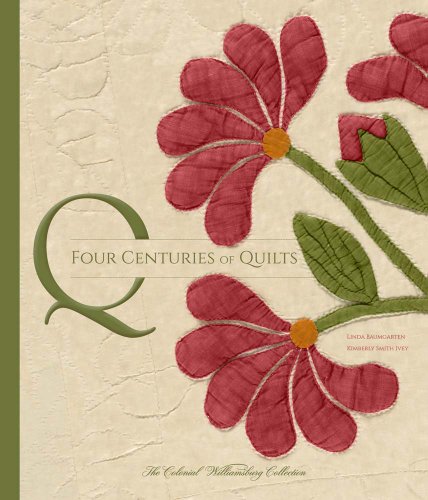
- More than 300 color images
- Covers quilt history across four centuries
- Includes essays on cultural and social context
Best For: Collectors and historians seeking a visual quilt reference
Machine Technique Guide
How to Create an Heirloom Quilt

- 35+ machine techniques
- Nine-panel heirloom quilt project
- Bonus cushion, stocking, bag, and album cover
Best For: Technique-focused quilters who want a project-based machine quilting guide
Historic Design Reference
Quilting Designs from the Past

- 300+ authentic quilting designs
- Covers 1810–1940 in four eras
- Works for hand or machine quilting
Best For: Quilters seeking antique-style design inspiration and historical quilting motifs
Modern Heirloom Projects

- 18 quilts and home accessories
- Traditional blocks with modern fabrics
- Stash-friendly, gift-ready projects
Best For: Quilters who want refreshed traditional patterns and quick home-sewing projects
Heritage Pinecone Guide
Pinecone Quilts: Keeping Tradition Alive

- Covers pinecone quilt history and origins
- Gives detailed instructions for making a quilt
- Includes five home decor projects and tips
Best For: Quilters who want a tradition-centered pinecone quilt guide
Natural Dye Quilt Studio

- Teaches natural dyeing with foraged plants
- Includes 20 color formulas for 10 projects
- Offers 7 full-size quilt patterns
Best For: Quilters interested in natural dyeing and heirloom quilts from scratch
Vintage Patchwork Rework
Antique To Heirloom Jelly Roll Quilts

- Adapts antique quilt designs into modern patterns
- Includes 12 quilt patterns using one Jelly Roll
- Covers basic tools, borders, and binding
Best For: Quilters who want vintage-inspired patchwork with an easy strip-piecing approach
Machine Quilting Classic – Heirloom Machine Quilting, 4th Edition
If you want heirloom quilting books that focus on polished machine techniques, this classic by Harriet Hargrave is a strong pick. It covers straight-line and free-motion quilting, elegant feathers, and padded quilting, with guidance that walks through planning, preparation, and the quilting process step by step.
Best For: Quilters who want a thorough, hands-on guide to creating hand-quilted effects with a sewing machine.
Pros:
- Comprehensive instruction from planning to detailed quilting techniques
- Covers straight-line, free-motion, feather, and padded quilting
- Includes 4 quilt galleries that showcase quilting details
- Draws on 25 years of quilting and teaching experience
Cons:
- Focused on machine quilting rather than general quilt history
- May be best suited to readers ready for detailed technique instruction
This is a practical reference for quilters who want a proven, technique-driven book with a long teaching pedigree. If your goal is refined machine quilting with heirloom-style results, it offers deep coverage in a compact format.
Historic Block Source – The 1718 Coverlet
The 1718 Coverlet: 69 Quilt Blocks from the Oldest Dated British Patchwork Coverlet
Check Price On AmazonAmong heirloom quilting books, this title stands out for its historical focus and block-by-block instruction. Susan Briscoe presents 69 quilt blocks drawn from the oldest dated British patchwork coverlet, giving you a rare chance to study and recreate an important textile artifact.
Best For: Quilters and textile-history fans who want historically inspired blocks they can use in their own projects.
Pros:
- Features 69 unique quilt blocks from the 1718 Coverlet
- Offers illustrated, step-by-step guidance
- Useful for recreating blocks or making a replica of the historical piece
- Draws from a rare eighteenth-century patchwork tradition
Cons:
- More historical and project-specific than a broad quilting manual
- Appeals most to readers interested in reproduction work or textile history
This is a compelling choice if you want inspiration rooted in a documented antique coverlet. It balances historical context with practical block instructions, making it a strong pick for makers who enjoy heritage quilting projects.
Quilting Technique Staple – Heirloom Machine Quilting
Heirloom Machine Quilting: A Comprehensive Guide to Hand-Quilted Effects Using Your Sewing Machine
Check Price On AmazonIf you are comparing heirloom quilting books for a straightforward technique reference, this earlier edition of Harriet Hargrave’s classic delivers the essentials. It is described as a brand-new edition of the machine quilting classic and focuses on giving you everything you need to know about machine quilting.
Best For: Quilters who want a classic, no-frills guide to machine quilting fundamentals.
Pros:
- Presented as a classic, comprehensive machine quilting guide
- Short, focused format at 176 pages
- Helpful for readers seeking a foundational reference
- Built around hand-quilted effects using a sewing machine
Cons:
- Older edition than the 4th edition listing
- Product notes provide fewer detail cues than the newer version
This edition makes sense if you want the core concept of the book in a leaner package. It is a practical option for quilters who value a classic guide and do not need the expanded details of a later revision.
Quilt History Reference – Four Centuries of Quilts
For readers looking at heirloom quilting books as references rather than how-to manuals, this illustrated collection is a standout. It draws from the Colonial Williamsburg Foundation’s renowned collection and uses more than 300 color images to trace quilt history, style, and cultural context across four centuries.
Best For: Quilters, collectors, and historians who want a richly illustrated reference on quilt traditions and development.
Pros:
- More than 300 color images and detailed views
- Covers four centuries of quilts and quilting from around the world
- Includes essays on social, political, and economic influences
- Features quilts from multiple cultural and religious groups
Cons:
- Large, heavy book at 4.38 pounds
- More reference-oriented than technique-focused
This is a strong library-style resource for understanding the broader story of quilting. If you want a beautifully produced book that combines scholarship, visuals, and historical range, it earns a place on the shelf.
Machine Technique Guide – How to Create an Heirloom Quilt
How to Create an Heirloom Quilt: Learn Over 35 Machine Techniques to Build a Beautiful Quilt
Check Price On AmazonIf you’re comparing heirloom quilting books for hands-on technique building, this guide stands out for its focus on machine embellishment and fabric manipulation. It walks you through a nine-panel heirloom quilt in step-by-step detail while introducing more than 35 creative machine techniques, so you can learn as you follow the project.
Best For: Quilters who want an in-depth machine-technique book with a full heirloom quilt project and smaller matching makes.
Pros:
- Explores over 35 machine techniques, including wavy corded tucks, smocking, machine lace, and cutwork
- Includes a nine-panel heirloom quilt with step-by-step instructions
- Features bonus projects like a trapunto cushion, Christmas stocking, bag, and album cover
- Built for quilters who want clear technique advice and tips alongside practical projects
Cons:
- Centered on machine techniques, so it may not suit quilters looking for hand-stitched heritage methods
- Best fit is a more advanced or technique-focused sewing approach
This is a strong choice if you want an heirloom quilting book that teaches by doing rather than simply showing finished quilts. Its detailed layouts and project mix make it useful both as a technique reference and as a project-based guide.
Historic Design Reference – Quilting Designs from the Past
For shoppers browsing heirloom quilting books with an emphasis on authentic motifs, this collection is a practical reference. It offers more than 300 historically accurate quilting designs from 1810 to 1940, organized by era so you can match the look of an antique or vintage-inspired quilt top.
Best For: Quilters who want a historical design reference for antique-style hand or machine quilting.
Pros:
- Includes 300+ quilting designs gathered from old quilts, patterns, books, magazines, and other original sources
- Organized into four time periods for easier design selection
- Suitable for all skill levels, from beginner to advanced
- Can be used for both hand and machine quilting
Cons:
- Focuses on quilting designs rather than full quilt projects
- Better as a reference book than a step-by-step how-to guide
This book is especially useful if your goal is to make quilts look like they belong to another era. It works well as a go-to source when you need historically grounded quilting motifs for heirloom-style finishes.
Modern Heirloom Projects – Fresh Family Traditions
If you want heirloom quilting books that blend tradition with a lighter modern look, this collection delivers a friendly mix of projects. It features 18 quilts and home accessories, with updated versions of traditional blocks, fresh colors, and fabrics drawn from today’s designers.
Best For: Quilters who like traditional blocks refreshed with modern fabrics and easy giftable projects.
Pros:
- Contains 18 projects, including quilts, pillows, and table runners
- Updates traditional blocks from the author’s grandmother-inspired family patterns
- Good for scrap fabrics, fat quarters, Charm Packs, and Jelly Rolls
- Designed with fast, easy projects that make homemade gifts
Cons:
- Less focused on technique instruction than some other heirloom quilting books
- Projects lean toward a fresh, modern style rather than a fully classic antique look
This is a smart pick if you want heritage-inspired quilts without a heavy or formal feel. The project variety and stash-friendly approach make it approachable for quilters who want to sew useful, attractive pieces quickly.
Heritage Pinecone Guide – Pinecone Quilts: Keeping Tradition Alive
If you’re looking for heirloom quilting books that do more than offer patterns, this title is a strong pick for learning a traditional Southern form with cultural context. Betty Ford-Smith explains the history of pinecone quilts, shows how the folded-triangle construction works, and includes five home decor projects with helpful tips for getting started.
Best For: Quilters who want a history-rich, technique-focused guide to pinecone quilts and their Southern and African-American roots.
Pros:
- Explains the origins and inspirations behind pinecone quilts
- Includes detailed instructions for making your own quilt
- Offers five home decor projects with practical tips
- Includes a gallery of student and author-made quilts for reference
Cons:
- Focuses on one specific quilt tradition rather than broad quilting styles
- Only 104 pages, so the project count is limited
This is a good choice if you want a book that preserves tradition while still giving you hands-on guidance. It’s especially appealing for readers who value quilting history as much as the finished project.
Natural Dye Quilt Studio – Farm & Folk Quilt Alchemy
Among heirloom quilting books, this one stands out if you want to build quilts from the ground up with natural materials. Sara Larson Buscaglia takes readers through natural dyeing with foraged plants and hand-stitching natural-fiber quilts, with an emphasis on slow, intentional making and traditional handwork techniques.
Best For: Quilters who want to learn natural dyeing and create heirloom quilts from scratch using cotton and linen.
Pros:
- Teaches natural dyeing methods using foraged plants
- Focuses on hand stitching and traditional techniques
- Includes 20 color formulas for 10 projects
- Features 7 full-size quilt patterns with full-color images
Cons:
- Best suited to readers interested in dyeing as well as quilting
- Centered on a specific aesthetic and materials like cotton and linen
If you want a process-driven quilting book with a strong handmade feel, this is a compelling option. It offers a clear path from dye plant to finished quilt, making it useful for patient makers who enjoy experimentation.
Vintage Patchwork Rework – Antique To Heirloom Jelly Roll Quilts
Antique To Heirloom Jelly Roll Quilts: Stunning Ways to Make Modern Vintage Patchwork Quilts
Check Price On AmazonIf you want heirloom quilting books with a modern shortcut, this title turns antique quilt inspiration into approachable Jelly Roll projects. Pam and Nicky Lintott adapt antique English and American heirloom designs—some over 100 years old—into 12 quilt patterns that use pre-cut strips and step-by-step guidance.
Best For: Quilters who like vintage-inspired patchwork and want 12 Jelly Roll quilt patterns with clear instructions.
Pros:
- Reimagines antique English and American quilt designs
- Includes 12 modern quilt patterns
- Requires just one Jelly Roll per quilt
- Covers core techniques like borders, binding, and quilting tools
Cons:
- Uses pre-cut Jelly Roll fabrics, so it’s not ideal for all stash-based projects
- Published in 2012, so the styling may feel less current to some readers
This is a practical pick if you want vintage style without a complicated build. The mix of antique inspiration and simplified construction makes it beginner-friendly while still delivering classic-looking results.
How We Picked These Heirloom Quilting Books
We focused on books that offer lasting value for quilters who want more than trendy project ideas. That meant choosing titles with strong historical references, clear technique instruction, pattern variety, and project concepts suited to heirloom-quality work. We also looked for books that serve different skill levels, from confident beginners to experienced quilters who want archival inspiration.
Quick Comparison
Some of these Heirloom Quilting Books lean toward antique pattern study and source material, while others emphasize making finished quilts with a vintage feel. If you want inspiration from museum collections and old coverlets, choose the historically focused titles. If you want step-by-step making guidance, look for books centered on machine techniques, quilt construction, and repeatable project designs.
Key Buying Factors for Heirloom Quilting Books
Historical Depth
If authenticity matters to you, prioritize books with documented antique quilts, dated coverlets, or research-based pattern archives. These titles are especially helpful when you want to understand how traditional motifs were used and adapted over time.
Technique Level
Some Heirloom Quilting Books are best for visual reference, while others teach practical methods like quilting design placement, piecing, or finishing. Pick a book that matches how you want to use it: reference only, skill building, or full project execution.
Project Style
Think about whether you want traditional reproduction quilts, vintage-inspired modern quilts, or family keepsakes with a contemporary touch. The right book should match your aesthetic and the amount of time you want to invest.
Pattern Accessibility
Clear diagrams, block layouts, and usable templates can make a big difference. A strong quilting book should help you translate inspiration into an actual finished quilt without guesswork.
Materials and Finishing Ideas
For heirloom-quality results, look for guidance on fabric choice, color planning, and finishing details. These decisions often matter as much as the pattern itself when you want a quilt to become a long-term keepsake.
Who Should Buy Which Heirloom Quilting Books?
Choose historically rich Heirloom Quilting Books if you enjoy research, antique textiles, and pattern preservation. Choose technique-driven books if you want help improving your quilting process and finishing cleaner, more durable work. If you prefer fresh interpretations of tradition, look for books that bridge vintage influence with modern making.
For many quilters, the best choice is a mix: one book for historical inspiration, one for practical instruction, and one for project ideas that fit your current sewing goals. That combination gives you both direction and flexibility as your skills grow.