Learning woodworking by hand starts with the right instruction. The best hand tool woodworking books break down tools, techniques, and shop habits in a way that’s practical, clear, and easy to apply.
Whether you’re just getting started or refining traditional skills, this roundup highlights books that can help you work more confidently and make better buying decisions.
Best 10 Hand Tool Woodworking Books Picks for 2026
Core Hand-Tool Reference

- Covers hand tool fundamentals and technique
- Includes tool care and maintenance tips
- Uses step-by-step projects and clear photos
Best For: Woodworkers wanting a broad, practical hand-tool guide
Foundation Builder
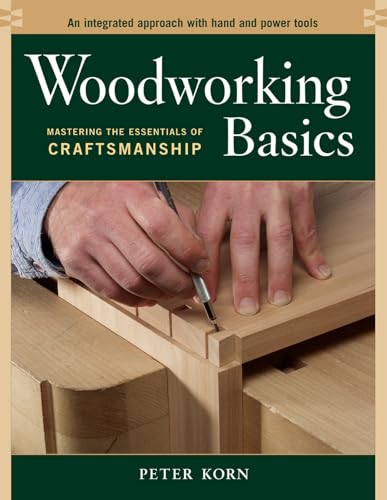
- Covers fundamentals with clear instruction
- Includes hand tool and machinery safety
- Features two confidence-building projects
Best For: Beginners building a solid woodworking foundation
Classic Tool Manual

- Tool-by-tool explanations in plain language
- Includes 450 black-and-white illustrations
- Adds bench and shop equipment plans
Best For: Readers who want a detailed hand-tool reference
Traditional Handwork Encyclopedia
Traditional Woodworking Handtools

- Broad coverage of traditional hand tools
- Hundreds of line drawings aid learning
- Mixes instruction with expert anecdotes
Best For: Tool-focused woodworkers wanting a deep reference
All-Around Shop Reference
The Complete Book of Woodworking

- Covers skills, tools, tips, and techniques
- Includes 40+ projects with plans and materials lists
- Features 1,200+ photos plus diagrams and illustrations
Best For: Beginners and experienced woodworkers wanting a broad project-based reference
Traditional Tool Guide

- Focuses on Japanese tools, use, and care
- Covers saws, chisels, planes, and stones
- Adds apprenticeship stories and craft context
Best For: Woodworkers interested in Japanese tools and traditional technique
Hand-Tool Master Guide

- Dedicated guide to woodworking with hand tools
- Nearly 3,000 illustrations explain techniques and projects
- Covers furniture, cabinets, sheds, fences, and more
Best For: DIY woodworkers seeking an in-depth hand-tool reference
Hand Tool Essentials
Hand Tool Basics: Woodworking Tools and How to Use Them

- Covers selecting tools and setting up shop
- Includes sharpening, prep, and tuning guidance
- Teaches mortise-and-tenon, dovetails, and rabbets
Best For: Beginners who want a broad introduction to hand tool woodworking
Precision Joinery
Woodworking Joinery by Hand: Innovative Techniques Using Japanese Saws and Jigs

- Uses jigs and magnetic sheets to guide saw cuts
- Aims to help beginners make straight, square joints
- Focuses on precision hand-cut joinery with Japanese saws
Best For: Readers who want a specialized guide to accurate hand-cut joinery
Tool-Focused Guide
Essential Woodworking Hand Tools

- Covers the essential tools Paul Sellers recommends
- Explains what to look for when buying hand tools
- Includes sharpening and practical usage tips
Best For: Readers who want a focused reference on essential hand tools
Core Hand-Tool Reference – Woodworking with Hand Tools
If you’re building a hand tool woodworking books library, this title is a strong all-around guide to working wood with simple, time-tested tools. It covers the fundamentals of preparing rough lumber, choosing and caring for tools, and tackling joinery and projects with clear photos and step-by-step instruction.
Best For: Woodworkers who want a broad, practical reference for hand tools, maintenance, and project-based learning.
Pros:
- Covers essential hand tool techniques from planes and chisels to saws and scrapers
- Includes tool maintenance guidance to help keep tools performing well
- Uses detailed project walkthroughs to reinforce skills
- Draws on Fine Woodworking magazine expertise
Cons:
- Focused on hand-tool methods rather than a full power-tool workflow
- Best suited to readers who want a practical reference, not a light overview
This is a solid pick if you want one book that balances fundamentals, technique, and project application. It’s especially useful for makers who value quality results and want a dependable guide for improving hand-tool work.
Foundation Builder – Woodworking Basics
For readers comparing hand tool woodworking books, this one stands out as a structured introduction to the craft. Peter Korn focuses on building good habits from the start, with clear instruction on safe machinery use, correct hand tool handling, classic joinery, and two beginner-friendly projects.
Best For: Beginners who want a step-by-step foundation in woodworking with both hand and power tools.
Pros:
- Teaches core techniques from the beginning with a proven instructional approach
- Covers safe use of machinery and proper hand tool handling
- Explains classic joints like mortise-and-tenon and dovetails
- Includes two practical projects to build confidence
Cons:
- Not focused exclusively on hand tools
- Less specialized than books dedicated to tool references or traditional handwork
This is a smart choice if you want a fundamentals-first book that helps you learn woodworking the right way. It’s especially helpful for new woodworkers who want clear instruction and a manageable learning curve.
Classic Tool Manual – Hand Tools
If you want hand tool woodworking books with a strong reference angle, this illustrated guide is a standout. Aldren Watson explains how the basic tools of woodworking work, how they’re held and manipulated, and how they contribute to good results, with extensive line drawings throughout.
Best For: Woodworkers who want a detailed, tool-by-tool reference with clear illustrations.
Pros:
- Explains a wide range of hand tools and their uses in plain language
- Contains 450 black-and-white illustrations by the author
- Includes detailed procedures for working with tools like planes, saws, and chisels
- Offers appendix material for bench and shop equipment plans
Cons:
- Illustrations are black and white rather than color photos
- More of a reference manual than a project-focused guide
This book is especially useful when you want to understand the tools themselves, not just follow a project recipe. It works well as a long-term reference for readers who like learning by studying how each tool operates.
Traditional Handwork Encyclopedia – Traditional Woodworking Handtools
Traditional Woodworking Handtools: A Manual for the Woodworker (Illustrated Workshop)
Check Price On AmazonAmong hand tool woodworking books, this volume leans heavily into reference value. Graham Blackburn presents a wide-ranging look at traditional woodworking handtools, describing what each tool does and how it’s used, with hundreds of line drawings and a perspective shaped by decades of shop experience.
Best For: Woodworkers and tool enthusiasts who want an in-depth reference on traditional hand tools.
Pros:
- Covers a broad range of traditional handtools, from saws and planes to striking tools
- Includes full descriptions of what each tool does and how it’s used
- Features hundreds of line drawings for visual reference
- Combines instruction with anecdotes from a master woodworker
Cons:
- More reference-oriented than project-oriented
- May be denser than a beginner-only overview
This is a strong fit if you want a deep catalog of traditional tools rather than a light intro. It should appeal to readers who enjoy studying hand tools in detail and want a practical guide for bringing them back into the shop.
All-Around Shop Reference – The Complete Book of Woodworking
If you want a broad hand tool woodworking books option that covers skills, techniques, tools, and project-building in one place, this guide is built for practical learning. It pairs step-by-step instruction with more than 40 projects, making it useful whether you’re setting up a shop, learning joints and finishes, or just looking for clear project plans.
Best For: Beginners and experienced woodworkers who want a broad, project-based reference with shop basics and detailed plans.
Pros:
- Covers essential woodworking skills, tools, tips, and techniques
- Includes 40+ projects with detailed plans and materials lists
- Offers 1,200+ full-color photos, diagrams, and illustrations
- Useful for shop setup, safety, jigs, joints, and finishing
Cons:
- Large, 480-page format may feel more like a reference than a quick-start manual
- Broad scope means it is not focused on one specialty area
This is the kind of woodworking book you keep nearby as you build skills and take on more ambitious projects. Its mix of fundamentals and complete plans makes it a strong all-purpose choice for steady, hands-on learning.
Traditional Tool Guide – Japanese Woodworking Tools
For readers who want hand tool woodworking books centered on Japanese craft traditions, this title focuses on the tools, use, and spirit behind the work. It explains how Japanese saws, chisels, planes, marking tools, and stones are used and cared for, while also giving context from the author’s apprenticeship and long experience.
Best For: Woodworkers curious about Japanese tools, sharpening, and traditional craft practice.
Pros:
- Dedicated to Japanese woodworking tools and traditions
- Explains how each tool works and how to care for it
- Covers saws, chisels, marking tools, stones, axes, hammers, and planes
- Includes stories that add context to the craft
Cons:
- More specialized than a general woodworking manual
- At 189 pages, it is less project-heavy than some broader books
This is a focused, craft-forward guide rather than a general how-to encyclopedia. If you want deeper insight into Japanese hand tools and the traditions behind them, it offers a distinctive and practical perspective.
Hand-Tool Master Guide – Working with Hand Tools
If you’re looking for hand tool woodworking books with a strong do-it-yourself angle, this one is built around making things with hand tools alone. It offers a comprehensive overview of tools and techniques, plus precise illustrations for a huge range of projects, from furniture and cabinets to sheds, fences, and porches.
Best For: DIY woodworkers who want a deep hand-tool reference with extensive project coverage.
Pros:
- Focuses specifically on woodworking with hand tools
- Includes nearly 3,000 illustrations for clarity
- Covers a wide range of projects, from furniture to outdoor builds
- Long-running reference that has remained useful for generations
Cons:
- Very long at 768 pages, so it is not a light read
- More reference-oriented than modern, photo-driven books
This is a substantial guide for anyone who wants to build practical skill with hand tools and understand what those tools can do across many types of projects. Its depth and illustration count make it especially appealing for serious DIYers.
Hand Tool Essentials – Hand Tool Basics: Woodworking Tools and How to Use Them
If you want to get started with hand tool woodworking, this book is a practical all-round guide to the basics. It covers choosing the tools, setting up your shop, sharpening, stock prep, and classic joinery like mortise-and-tenon, dovetails, and rabbets, making it a solid fit for beginners who want a clear foundation.
Best For: Woodworkers who want a beginner-friendly overview of essential hand tools and core techniques.
Pros:
- Covers tool selection and basic shop setup
- Includes sharpening and tuning guidance
- Explains key joinery methods used in hand tool work
- Offers technique variations and alternate methods
Cons:
- Does not focus on building complete projects
- May be broad if you only want joinery or sharpening
Overall, Hand Tool Basics is strongest as a start-to-finish introduction that helps remove the guesswork from hand tools. If you want a book that covers the essentials without diving too far into one narrow specialty, it is a useful pick.
Precision Joinery – Woodworking Joinery by Hand: Innovative Techniques Using Japanese Saws and Jigs
Woodworking Joinery by Hand: Innovative Techniques Using Japanese Saws and Jigs
Check Price On AmazonThis hand tool woodworking book focuses on making accurate joints with Japanese saws and jigs. Its main appeal is the guided method for controlling the saw blade with jigs and magnetic sheets, which is aimed at helping even complete beginners produce straight, square cuts for high-precision joinery.
Best For: Woodworkers who want a technique-driven guide to hand-cut joinery with Japanese saws and jigs.
Pros:
- Introduces a distinctive jig-based saw guidance method
- Designed to help beginners make straight, square cuts
- Focuses specifically on joint-making by hand
- Targets high-precision results in wood joinery
Cons:
- More specialized than a general hand tool overview
- Less useful if you want broader tool or shop coverage
If your main goal is better joinery rather than a general tool primer, this book stands out for its structured approach. It is a strong choice for readers who want a modern take on hand-cut precision.
Tool-Focused Guide – Essential Woodworking Hand Tools
For hand tool woodworking readers who want a book centered on the tools themselves, this title stays focused on the essentials. Paul Sellers covers which tools he considers essential, what to look for when buying them, how to sharpen them, and practical tips for using them well.
Best For: Woodworkers who want a tool-centered reference from an experienced hand-tool user.
Pros:
- Focuses entirely on essential hand tools
- Includes buying advice and selection tips
- Covers sharpening plus usage tips and tricks
- Written by an experienced woodworker with decades of practice
Cons:
- Does not include project builds
- Less useful if you want joinery instruction in depth
This is a good match if you want a concentrated guide to choosing, tuning, and using hand tools without distraction. It works well as a reference book for building confidence with the core toolkit.
How We Picked These Hand Tool Woodworking Books
We focused on books that teach real shop skills, not just theory. The strongest picks offer clear instruction, useful drawings or photos, and a logical learning path for different experience levels. We also looked for coverage of essential hand-tool topics such as sawing, planing, chiseling, sharpening, layout, and joinery.
Because readers approach woodworking differently, this list includes both beginner-friendly titles and more specialized references. That makes it easier to choose a book that matches your current skill level and the style of work you want to do.
Quick Comparison
If you want a broad foundation, choose a general woodworking guide that covers tools and core skills. If your goal is traditional craftsmanship, look for titles focused on classic hand tools, joinery, or Japanese methods. For absolute beginners, the most helpful Hand Tool Woodworking Books are usually the ones that explain setup, tool use, and workflow in plain language before moving into projects.
Key Buying Factors for Hand Tool Woodworking Books
Skill Level
Match the book to your experience. A beginner will benefit from step-by-step instruction and tool primers, while an experienced woodworker may prefer a deeper manual on technique or a specialty topic like hand-cut joinery.
Instruction Style
Look for books with clear sequencing, practical demonstrations, and visual support. Good Hand Tool Woodworking Books explain not only what to do, but also why it matters in the shop.
Tool Coverage
Some books focus on essential starter tools, while others assume you already own bench planes, saws, chisels, and layout tools. Choose one that aligns with your current setup so the advice is immediately usable.
Project Vs. Technique Focus
If you learn best by building, a project-based book may be the right fit. If you want to improve technique first, select a manual that emphasizes fundamentals, sharpening, and joinery methods.
Who Should Buy Which Hand Tool Woodworking Books?
Beginners should start with a broad, approachable title that explains the essentials and helps them avoid common mistakes. Intermediate woodworkers may get the most value from books on traditional hand tools or joinery, especially if they want better accuracy and cleaner results.
If you are specifically interested in Japanese tools or hand-cut joinery, choose a specialized guide rather than a general overview. And if you want one all-around reference, a comprehensive woodworking manual can serve as a dependable shop companion long after you finish the basics.
In short, the best Hand Tool Woodworking Books are the ones that match your goals, your current skill level, and the kinds of projects you actually want to build.