Choosing among freshwater fishing books can be tricky when some focus on fish identification, others on casting, tackle, or trip-ready tactics. The best option depends on whether you want a beginner-friendly start or a more advanced reference.
This roundup highlights 10 useful picks for different skill levels and fishing goals, so you can quickly find a book that fits how you fish and what you want to learn next.
Best 10 Freshwater Fishing Books Picks for 2026
Definitive Field Guide
Peterson Field Guide to Freshwater Fishes
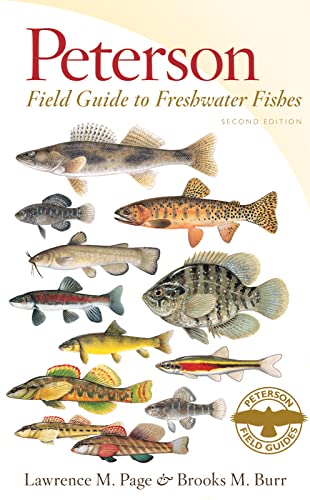
- Nearly 1,000 North American freshwater species
- Updated maps and revised identification plates
- Detailed habitat and location information
Best For: Detailed fish identification and species reference
Beginner Starter Guide
Basic Fishing: A Beginner's Guide

- Step-by-step lessons for new anglers
- Covers tackle, bait, boats, and safety
- Includes cleaning and cooking basics
Best For: First-time anglers and family learning
Compact Species Guide
Ken Schultz's Field Guide to Freshwater Fish

- Profiles 140 common freshwater species
- Covers identification, habitat, size, and diet
- Compact format for easy trip use
Best For: Portable species reference for fishing trips
Technique Mastery Guide

- 318 field-tested fishing skills and tactics
- Covers gear, finding fish, and setting the hook
- Works across streams, ponds, lakes, and more
Best For: Anglers who want a practical all-around skills manual
Expert Tip Book
IGFA's 101 Freshwater Fishing Tips & Tricks

- 101 practical tips from Bill Dance
- Covers knots, lures, and fish behavior
- Approachable for beginners and veterans
Best For: Anglers who want fast, experience-based freshwater tactics
Field Guide Manual
The Total Fishing Manual (Revised Edition)

- Updated, expanded fishing reference
- Covers gear, tactics, and locations
- Durable flexicover for repeated use
Best For: Anglers wanting a broad, hands-on fishing reference
Freshwater Insider Guide
What Fish Don't Want You to Know

- Clear basics for freshwater anglers
- Covers baits, lures, gear, and water reading
- Photos and illustrations aid learning
Best For: Beginners seeking simple freshwater fishing fundamentals
Classic Starter Guide
The Complete Book of Freshwater Fishing

- Finds popular North American gamefish
- Covers techniques and equipment basics
- Compact 208-page reference
Best For: Beginners and casual anglers wanting a straightforward guide
Photo-Rich Technique Guide
The Ultimate Guide to Freshwater Fishing

- Covers lures, bait, and techniques
- Packed with 1,000 color photos and illustrations
- Expanded 432-page reference
Best For: Anglers who want a visual, detailed how-to guide
Comprehensive Angler Reference
The Complete Guide to Freshwater Fishing

- Covers major North American freshwater species
- Includes 500+ photos and step-by-step visuals
- Built from guide-tested tips and research
Best For: Anglers seeking a broad, expert-driven resource
Definitive Field Guide – Peterson Field Guide to Freshwater Fishes
Peterson Field Guide to Freshwater Fishes, Second Edition (Peterson Field Guides)
Check Price On AmazonIf you need freshwater fishing books that help with real-world identification, this field guide is built for that job. It covers nearly 1,000 freshwater fish species in North America, with updated species entries, revised plates, and maps that show where each fish can be found.
Best For: Anglers, students, and naturalists who want a detailed identification guide for North American freshwater fish.
Pros:
- Covers nearly 1,000 freshwater species in North America
- Updated with new species, revised plates, and all-new maps
- Detailed visuals help distinguish fish with subtle color and shape differences
- Includes habitat and location information for rivers, lakes, and small pools
Cons:
- Very detailed, so it is not a quick-start beginner handbook
- Focuses on identification more than general fishing tactics
This is a strong choice if your priority is accurately identifying freshwater fish rather than learning broader how-to fishing basics. It is best treated as a reference guide for trips, study, and species checks.
Beginner Starter Guide – Basic Fishing: A Beginner's Guide
Among freshwater fishing books for newcomers, this guide is aimed squarely at people who want a clear starting point. It walks through tackle, bait, boats, accessories, fishing spots, safety, and even cleaning and cooking fish, using diagrams and photos to keep the basics approachable.
Best For: New anglers and families who want a straightforward introduction to fishing.
Pros:
- Step-by-step beginner guidance with diagrams and photos
- Covers tackle, bait, boats, accessories, and fishing spots
- Includes safety plus cleaning and cooking basics
- Useful for families learning together
Cons:
- Less specialized than advanced technique-focused books
- Not centered on species identification
If you want a practical entry-level book, this is a solid pick for learning the basics before you head out. It is especially helpful for readers who want a broad, easy-to-follow overview rather than a deep technical manual.
Compact Species Guide – Ken Schultz's Field Guide to Freshwater Fish
If you want freshwater fishing books that work well on trips, this compact field guide is built for quick reference. It profiles 140 of the most common freshwater fish species in North American rivers, lakes, and streams, with information on identification, habitat, size, and diet.
Best For: Anglers who want a portable reference for identifying common freshwater fish species.
Pros:
- Covers 140 common freshwater species
- Includes identification, habitat, size, and diet details
- Compact format suits fishing trips and field use
- From a respected sportfishing name
Cons:
- Less expansive than larger full-spectrum field guides
- Focused on common species rather than exhaustive coverage
This is a practical grab-and-go guide when you want useful species info without carrying a heavy reference. It fits anglers who value portability and clear fish profiles over broad, in-depth coverage.
Technique Mastery Guide – The Total Fishing Manual
The Total Fishing Manual (Paperback Edition): 318 Essential Fishing Skills (Field & Stream)
Check Price On AmazonFor readers shopping freshwater fishing books with a strong skills focus, this manual offers a broad library of practical tactics. It collects 318 field-tested tools, techniques, and strategies, including guidance on gear, finding fish, and setting the hook across different waters.
Best For: Beginners through serious anglers who want a technique-heavy reference with practical tips.
Pros:
- Includes 318 field-tested skills, tools, and tactics
- Covers gear selection and equipment customization
- Offers strategies for streams, ponds, lakes, and more
- Useful for both casual trips and serious fishing outings
Cons:
- Broader than a pure freshwater species guide
- Less focused on a single fishing style or niche
This is a strong all-around reference if you want one book that goes beyond species ID and into practical fishing execution. It stands out for its wide range of actionable advice and visual support.
Expert Tip Book – IGFA's 101 Freshwater Fishing Tips & Tricks
If you want freshwater fishing books that are easy to dip into for practical on-the-water advice, this one leans hard into quick, useful tips from Bill Dance’s 50+ years of experience. It focuses on the small adjustments that can improve results, like lure color, lure size, knot tying, and how fish behavior changes with water levels.
Best For: Anglers who want bite-sized freshwater tactics and fast, experience-based guidance.
Pros:
- Shares 101 tips and tricks drawn from decades of on-water experience
- Covers practical topics like lure choice, knot tying, and fish behavior
- Useful for both beginners and experienced anglers
- Supported by the International Game Fish Association
Cons:
- More of a tips-and-tricks collection than a deep technical manual
- Focused on freshwater angling rather than broader fishing styles
This is a strong pick if you prefer concise advice you can apply right away. The illustrated format and short length make it an approachable reference for learning a few smart changes that can lead to better catches.
Field Guide Manual – The Total Fishing Manual (Revised Edition)
The Total Fishing Manual (Revised Edition): 318 Essential Fishing Skills (Field & Stream)
Check Price On AmazonFor shoppers comparing freshwater fishing books, this revised Field & Stream manual stands out as a broad, practical handbook. It covers gear selection, tactics, and where fish hide across streams, ponds, lakes, and even saltwater settings, making it a useful all-around reference before heading out.
Best For: Anglers who want a wide-ranging, field-tested manual they can use before and during trips.
Pros:
- Updated and expanded with expert information
- Explains gear, baits, flies, tackle, and fishing tactics
- Covers many water types, including streams, ponds, and big lakes
- Durable flexicover is designed for heavy use
Cons:
- Broad coverage may be more than some freshwater-only buyers need
- Less of a focused freshwater-specific guide than narrower titles
This is the most all-purpose option here if you want a sturdy manual packed with essentials. It’s a good fit for anglers who like having one reference book that covers both equipment decisions and on-water strategy.
Freshwater Insider Guide – What Fish Don't Want You to Know
If you’re browsing freshwater fishing books for straightforward instruction, this guide focuses on the basics that help anglers catch more fish. It explains how to read water and weather, choose baits and lures, and decide which gear is essential versus optional, all in an accessible style with photos and illustrations.
Best For: Beginners and casual anglers who want clear freshwater fundamentals with a light, practical tone.
Pros:
- Covers bass, trout, salmon, and walleye in a freshwater context
- Explains water reading, weather, baits, lures, and gear selection
- Includes photographs, illustrations, and easy-to-follow instructions
- Adds humor and anecdotes to keep the material approachable
Cons:
- Shorter than some more expansive fishing manuals
- May feel basic for anglers already comfortable with fundamentals
This book is a solid choice if you want a friendly, no-nonsense introduction to catching more freshwater fish. Its emphasis on common-sense advice and simple decision-making makes it easy to use as a starting point or quick refresher.
Classic Starter Guide – The Complete Book of Freshwater Fishing
If you want freshwater fishing books that focus on the basics, this guide gives a straightforward look at where to find popular North American gamefish, plus the angling techniques and equipment used to catch them. It’s a practical choice for anglers who want a broad, easy-to-follow reference rather than an oversized deep dive.
Best For: Beginners and casual anglers looking for a concise freshwater fishing reference.
Pros:
- Covers where to find popular gamefish in North America
- Includes angling techniques and equipment information
- Compact 208-page format is easy to handle
Cons:
- Older 1989 edition may feel dated to some readers
- Shorter than more image-heavy fishing guides
This is a solid pick if you want a no-frills overview that covers the core pieces of freshwater angling in one manageable book.
Photo-Rich Technique Guide – The Ultimate Guide to Freshwater Fishing
Among freshwater fishing books, this guide stands out for its detailed coverage of lures, bait, and tried-and-true techniques, backed by 1,000 color photographs and illustrations. It suits buyers who want a visual, hands-on manual for learning how to make the catch.
Best For: Anglers who prefer a highly visual freshwater fishing reference.
Pros:
- Covers lures, bait, and proven fishing techniques
- Includes 1,000 color photographs and illustrations
- Large 432-page format offers extensive content
Cons:
- Bulkier and heavier than smaller guidebooks
- May be more book than a casual reader needs
If you want a detailed, image-driven fishing book, this one offers plenty of visual support and practical instruction in a single volume.
Comprehensive Angler Reference – The Complete Guide to Freshwater Fishing
This is one of the most comprehensive freshwater fishing books in the list, covering major North American freshwater species along with tips and techniques for different on-the-water situations. It was built from travel and field experience with guides and tournament anglers, and it leans heavily on step-by-step visuals and guide-tested instruction.
Best For: Anglers wanting a broad, expert-driven freshwater fishing resource.
Pros:
- Covers all major freshwater species in North America
- Includes step-by-step visuals for important fishing skills
- Features over 500 fishing photographs
- Built from guide-tested tips and field research
Cons:
- Larger 288-page hardcover-style book may be less portable
- More comprehensive than a quick-start guide
For readers who want a fuller reference with strong visuals and expert-backed advice, this title is a strong all-around pick.
How We Picked These Freshwater Fishing Books
We focused on books that offer clear instruction, practical value, and broad usefulness for anglers who fish lakes, rivers, ponds, and reservoirs. Selection favored titles with strong reputations, useful subject coverage, and a balance between beginner accessibility and long-term reference value.
We also looked for variety. Some readers need fish identification and regional knowledge, while others want step-by-step technique, casting fundamentals, or a compact tip book they can keep in a tackle bag.
Quick Comparison
If you want a species guide, choose a field guide. If you need a learning path, choose a beginner manual or skills-based handbook. If you want fast, actionable advice, a tips-and-tricks format may be the best fit. Among Freshwater Fishing Books, the best choice is usually the one that matches your experience level and the type of fishing you do most often.
Key Buying Factors for Freshwater Fishing Books
Skill Level
Beginners should look for books that explain tackle, knots, bait, casting, and seasonal basics in plain language. More experienced anglers may prefer detailed references, species identification, or advanced presentation strategies.
Content Focus
Decide whether you need a general fishing manual, a freshwater species guide, or a technique-first book. A broad how-to title is useful for new anglers, while a field guide is better for identifying fish and understanding habitat.
Practical Use
Consider where the book will be used. A compact guide is easier to carry on the water, while a larger reference book may be better at home for planning trips and learning details.
Edition and Updates
Fishing methods and regulations change over time, so newer editions are often worth prioritizing. Updated Freshwater Fishing Books may reflect better illustrations, revised techniques, and more current terminology.
Who Should Buy Which Freshwater Fishing Books?
New anglers should start with a beginner-friendly manual or a broad skills book. Anglers who want to identify catches or understand species differences should choose a field guide. If you want quick improvement, a tips-and-tricks or essentials-focused title is usually the most efficient option. For readers who want one dependable all-around reference, a comprehensive freshwater fishing book with broad coverage is often the smartest buy.