For readers who want more than a shocking case narrative, forensic science true crime books offer a closer look at the evidence, methods, and reasoning behind real investigations.
From DNA breakthroughs to crime scene analysis, these picks balance readability with factual depth so you can choose the right book for your interests and experience level.
Best 10 Forensic Science True Crime Books Picks for 2026
Editors’ Pick

- Broad coverage of crime scene science and evidence
- Built from interviews with forensic experts
- Mixes true stories with practical investigation detail
Best For: Readers who want a broad, readable introduction to real-world forensic methods and casework.
Case-File Deep Dive

- Examines nine famous real cases through forensic pathology
- First-person account from Dr. Cyril Wecht
- Strong focus on autopsy evidence and cause of death
Best For: Readers who want a forensic pathology angle on well-known true crime cases.
Practical Starter
Forensic Science: Crime Scene Analysis

- Easy-to-read introduction to crime scene work and lab science
- Covers evidence, warrants, admissibility, and confessions
- Includes modern topics like digital evidence and DNA
Best For: Beginners, crime writers, and legal readers who want an easy-to-follow forensic overview.
Modern Forensics

- Covers forensic science from early history to today
- Uses interviews, research, and field reporting
- Includes real examples from bodies, fires, and DNA
Best For: Readers who want a modern, story-rich overview of how forensic science works today.
Human, Honest Forensics

- Memoir plus forensic anthropology
- Clear, practical look at human remains
- Humane tone with humor and common sense
Best For: Readers seeking an expert, compassionate primer on death investigation
Crime Scene Procedure Guide
FBI Handbook of Crime Scene Forensics

- Official FBI procedural guide
- Covers evidence handling and safety
- Good reference for crime scene methods
Best For: Readers who want a technical guide to crime scene forensics
DNA Sleuthing Breakthrough

- Golden State Killer and other cold cases
- Shows investigative genetic genealogy in action
- Firsthand account from Barbara Rae-Venter
Best For: Fans of DNA-driven true crime and cold-case breakthroughs
Agatha Christie Forensics Lens
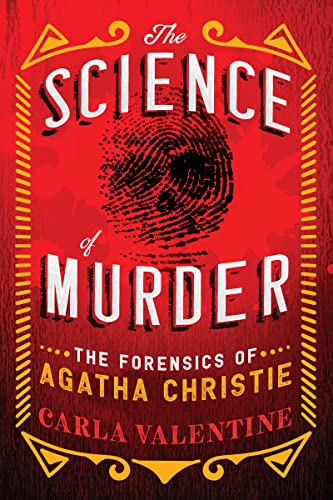
- Covers fingerprints, firearms, handwriting, blood spatter, and toxicology.
- Analyzes Agatha Christie’s use of early crime-detection science.
- Pairs true crime context with literary mystery discussion.
Best For: Christie readers and forensic-curious mystery fans
Pathologist Case Files

- Four true crime cases from forensic pathologist Cyril Wecht’s files.
- Mixes technical detail with the human side of murder.
- Revised edition includes new revelations and updates.
Best For: Readers who want an expert pathologist’s case files
Forensic TV Case Recaps

- Retells 40 memorable cases from the TV series.
- Emphasizes DNA evidence and other forensic science.
- Includes updates, an interview, and a narrator profile.
Best For: Forensic Files fans who want science-driven case stories
Editors’ Pick – The Forensic Casebook
If you want forensic science true crime books that go beyond headlines and into the mechanics of investigation, The Forensic Casebook is a strong fit. It reads like a guide to real crime scene work, with true stories and clear coverage of everything from blood spatter and fingerprints to DNA, trace evidence, and forensic photography.
Best For: Readers who want a broad, readable introduction to real-world forensic methods and casework.
Pros:
- Covers a wide range of forensic topics, including crime scene security, blood spatter, and DNA.
- Draws on interviews with police personnel and forensic scientists for an authoritative feel.
- Includes true crime examples that make the science easier to follow.
- Spans both classic evidence collection and newer areas like computer crime.
Cons:
- Its encyclopedic scope may feel more reference-oriented than narrative-driven.
- The black-and-white illustrations and photos are practical rather than flashy.
Overall, this is a solid pick if you want a detailed, practical overview of forensic science without losing the pull of real crime stories. It is especially useful for readers who like books that explain how investigators actually build a case.
Case-File Deep Dive – Mortal Evidence
For readers looking for forensic science true crime books centered on famous cases, Mortal Evidence offers a case-by-case look at how forensic pathology can reshape an investigation. Dr. Cyril Wecht leads the reader through nine shocking cases, using a first-person approach that stays focused on the evidence and the unanswered questions behind each death.
Best For: Readers who want a forensic pathology angle on well-known true crime cases.
Pros:
- Focuses on nine real cases, including JonBenet Ramsey, O.J. Simpson, and Sam Sheppard.
- Explains how forensic pathology can uncover hidden or overlooked evidence.
- Written in a first-person style that keeps the narrative direct and engaged.
- Blends expert analysis with reporting from veteran journalists.
Cons:
- Leans heavily on case analysis, so it is less of a general forensic overview.
- Best suited to readers already interested in famous criminal cases.
This is a strong choice if you want a true crime book that focuses on autopsies, cause of death, and how forensic pathologists interpret complex evidence. It is more specialized than a general primer, but that focus is also what makes it compelling.
Practical Starter – Forensic Science: Crime Scene Analysis
If you are comparing forensic science true crime books for a practical starting point, Forensic Science: Crime Scene Analysis is built as an approachable introduction. It covers what happens at a crime scene and how evidence moves into laboratory testing, while also explaining how crime shows like CSI differ from real investigative work.
Best For: Beginners, crime writers, and legal readers who want an easy-to-follow forensic overview.
Pros:
- Designed as an introduction to both crime scene analysis and forensic science.
- Uses a witty, easy-to-read style instead of a textbook tone.
- Covers a wide range of topics, including fingerprints, DNA, toxicology, digital evidence, and ballistics.
- Includes law-focused material such as search warrants, evidence, admissibility, and confessions.
Cons:
- Its broad scope may be more introductory than deeply technical.
- The “perfect crime” chapter is playful, which may not suit every reader.
For readers who want a practical, readable overview rather than a dense technical text, this book covers a lot of ground. It is especially useful if you want both the science and the legal context behind criminal investigation.
Modern Forensics – Forensics
Forensics is a smart pick if you want forensic science true crime books that connect historical roots to modern methods. Val McDermid follows the trail from early forensic practice to cutting-edge science, using interviews, research, and field reporting to show how clues from bodies, fire scenes, and crime scenes are interpreted.
Best For: Readers who want a modern, story-rich overview of how forensic science works today.
Pros:
- Traces the history of forensics from its beginnings to the modern day.
- Includes vivid examples such as maggots, DNA traces, and genocide investigations.
- Draws on interviews with top-level professionals and hands-on reporting.
- Covers a range of settings, including war zones, fire scenes, and autopsy suites.
Cons:
- More sweeping and topical than case-by-case true crime accounts.
- Readers looking for a strict procedural manual may want something more technical.
This title stands out for blending science, history, and real-world reporting into one accessible package. If you want a modern overview that still feels grounded in investigative work, it belongs on the shortlist.
Human, Honest Forensics – All That Remains
All That Remains: A Renowned Forensic Scientist on Death, Mortality, and Solving Crimes
Check Price On AmazonIf you want forensic science true crime books that are as informative as they are readable, All That Remains is a strong pick. Sue Black blends forensic anthropology, memoir, and clear explanations of identifying human remains, making the subject feel practical rather than sensational. It is a good fit if you want a book that connects crime work, mortality, and the real-world basics of forensic science.
Best For: Readers who want a humane, expert-led introduction to forensic anthropology and death investigations.
Pros:
- Written by an internationally renowned forensic anthropologist and human anatomist
- Combines case-based forensic science with memoir and observations on death
- Uses a clear, no-nonsense style with humor and common sense
- Covers topics like dissection, burial sites, mass fatalities, and violent crime scenes
Cons:
- Includes frank material about death, violence, and human remains
- More reflective and educational than a fast-paced true-crime narrative
This is a standout choice if you want forensic science true crime books that explain the work behind the headlines. It offers expertise, perspective, and a grounded view of what forensic science can and cannot reveal.
Crime Scene Procedure Guide – FBI Handbook of Crime Scene Forensics
FBI Handbook of Crime Scene Forensics: The Authoritative Guide to Navigating Crime Scenes
Check Price On AmazonFor readers browsing forensic science true crime books with a more technical angle, FBI Handbook of Crime Scene Forensics is the most procedural option here. It lays out the FBI’s guidance on crime scene handling, evidence collection, packing, shipping, and safety protocols in a straightforward format. If you want a book that focuses on how investigations are managed rather than on narrative storytelling, this is the one to consider.
Best For: Readers who want an authoritative, process-focused guide to crime scene work and evidence handling.
Pros:
- Official procedural guide from the FBI’s Laboratory Division and Operational Technology Division
- Covers safe and efficient methods for investigating crime scenes
- Explains evidence types, recording methods, and shipping procedures
- Useful as both a professional reference and an accessible introduction
Cons:
- More handbook than narrative true crime
- Likely best for readers interested in process, not suspense
This book stands apart because it is built around procedure, not case drama. If your priority is understanding the mechanics of forensic work, it delivers a clear and practical overview.
DNA Sleuthing Breakthrough – I Know Who You Are
If you are comparing forensic science true crime books centered on modern investigation, I Know Who You Are stands out for its focus on investigative genetic genealogy. Barbara Rae-Venter describes how she helped identify the Golden State Killer and solve other cold cases using DNA samples, records research, and close work with law enforcement. It is especially appealing if you want a true-crime story built around a new forensic tool and the determination behind it.
Best For: Readers interested in DNA genealogy, cold cases, and the modern evolution of forensic crime solving.
Pros:
- Centers on the Golden State Killer case and other cold cases
- Explains investigative genetic genealogy in an engaging, firsthand way
- Written by the DNA sleuth who helped drive the investigations
- Includes interactions with sheriffs, FBI agents, and district attorneys
Cons:
- Available here as an audiobook listing rather than a print edition
- Focuses heavily on one forensic method and related cases
This is a compelling choice if you want a book about how DNA has changed crime fighting forever. It combines real investigative momentum with a strong sense of how identity is reconstructed from small clues.
Agatha Christie Forensics Lens – The Science of Murder
The Science of Murder: The Forensics of Agatha Christie (Fascinating True Crime Book)
Check Price On AmazonIf you want forensic science true crime books that connect real investigative methods to classic crime fiction, this title offers a smart angle. It examines how Agatha Christie used fingerprints, firearms, handwriting, blood spatter analysis, toxicology, and other early crime-detection techniques in her novels, making it a practical pick for readers who enjoy science-driven mystery analysis.
Best For: Christie fans and readers who like forensic science explained through famous mystery plots.
Pros:
- Explores multiple forensic methods, including fingerprints, firearms, handwriting, blood spatter, and toxicology.
- Blends true crime context with a deep dive into Agatha Christie’s writing and research.
- Grounded in early 20th-century crime detection and scientific developments of the era.
- Includes reader-friendly praise for being thoroughly researched and highly entertaining.
Cons:
- Less focused on modern forensic practice than on historical crime detection.
- Works best if you already enjoy Agatha Christie or literary analysis.
This is a strong choice if you want a book that makes forensic science feel accessible through familiar detective stories. It is more analytical than sensational, which gives it a distinctive place in the true crime and forensic science bookshelf.
Pathologist Case Files – Final Exams
Forensic science true crime books often work best when they balance technical detail with case storytelling, and this revised edition does that through four cases from forensic pathologist Cyril H. Wecht. It focuses on both the technical and human sides of murder, with new and shocking revelations added to the cases, making it a practical fit for readers who want expert-led true crime analysis.
Best For: Readers who want a pathologist’s perspective on unusual true crime cases.
Pros:
- Features four in-depth true crime cases from the files of Cyril H. Wecht, M.D., J.D.
- Includes both technical and human angles on murder cases.
- Revised edition adds new and shocking revelations.
- Covers a wide range of case types, from abduction to cover-ups and legal fallout.
Cons:
- Shorter than some comparable true crime books at 223 pages.
- Focused on a limited number of cases rather than a broad survey.
This book is a good pick if you prefer case-by-case forensic analysis over broad theory. Its emphasis on a medical-legal expert’s files gives it a more specialist feel than many general true crime titles.
Forensic TV Case Recaps – Forensic Files Now
If you’re shopping for forensic science true crime books that read like a companion to a classic TV series, this one is a natural fit. It retells 40 unforgettable cases from Forensic Files, with many solved in large part through forensic science like DNA evidence, plus updates and background material that deepen the original stories.
Best For: Forensic Files fans and readers who like case retellings with science-heavy resolutions.
Pros:
- Retells 40 true crime cases from the original Forensic Files.
- Highlights DNA evidence and other forensic science used to solve cases.
- Includes updates on the cases, not just recap-style summaries.
- Features an interview with creator Paul Dowling and a profile of narrator Peter Thomas.
Cons:
- Works best if you already enjoy the Forensic Files format.
- As an audiobook, it may not suit readers who prefer a print-only experience.
This is a strong option if you want fast-moving true crime stories anchored by forensic investigation. The combination of case updates and show-related extras makes it feel tailored to dedicated fans.
How We Picked These Forensic Science True Crime Books
We focused on books that connect real cases with clear forensic explanations, credible authorship, and strong value for readers who want both true crime storytelling and scientific context. Selection also considered topic range, from crime scene investigation and pathology to DNA genealogy and broader forensic principles.
We favored titles that are accessible without being overly simplistic, so they work for casual readers, students, and true crime fans who want a smarter, more evidence-driven read.
Quick Comparison
If you want a broad overview of the field, choose a general forensic survey. If you prefer case-by-case analysis, look for books centered on specific investigations or forensic disciplines. Readers interested in modern breakthroughs may lean toward DNA-focused titles, while those drawn to classic pathology or crime scene work may prefer books from veteran examiners and investigators.
Key Buying Factors for Forensic Science True Crime Books
Topic Focus
Some Forensic Science True Crime Books emphasize crime scene reconstruction, while others cover forensic pathology, entomology, fingerprints, blood evidence, or DNA analysis. Pick a subject area that matches your curiosity.
Level of Technical Detail
If you want an engaging introduction, choose a book with plain-language explanations and case examples. If you already know the basics, a more technical title may provide better depth and professional insight.
Author Credibility
Look for authors with direct experience in forensic science, law enforcement, pathology, or investigative reporting. Firsthand expertise usually improves both accuracy and context.
Case Selection and Scope
Some books cover a handful of major cases in depth, while others offer a wider survey of many investigations. Narrower books often deliver stronger narrative focus; broader books can help readers compare methods across cases.
Who Should Buy Which Forensic Science True Crime Books?
Beginners should start with accessible overviews that explain core forensic methods in simple terms. Readers who want real investigative process should choose books centered on crime scene work or landmark cases. Fans of modern true crime may prefer DNA and identification-focused titles, while readers interested in forensic medicine or pathology should choose books written by experienced medical examiners.
For the best overall fit, match the book’s scientific angle to the kind of evidence you find most compelling. That way, your next read will be both informative and genuinely engaging.