If you’re passionate about fashion, understanding its history can enrich your perspective on style today. The right books can offer insights into how clothing evolved and influenced society over time. Whether you’re curious about women’s fashion or the impact of cosmetics, there’s a wealth of knowledge to explore. Let’s take a closer look at ten essential titles that every style enthusiast should consider adding to their collection. You might find a few surprises along the way.
Dress me Rococo: Women Fashion History and Modern Times

If you’re a fashion enthusiast or a history buff enthusiastic to explore the intricate connections between past and present styles, “Dress Me Rococo: Women’s Fashion History and Modern Times” is the perfect choice for you. Alaya Aifel immerses you in the rich world of 18th-century Rococo fashion, showcasing icons like Queen Marie Antoinette. You’ll discover unique design elements, such as the Watteau pleat, while learning about societal norms that shaped fashion. With enchanting visuals and engaging narratives, Aifel brings the elegance of this era to life, igniting your passion for both historical and modern styles in a delightful way.
Best For: Fashion enthusiasts and history buffs eager to explore the connections between Rococo style and modern trends.
Pros:
- Rich Visual Content: The book features numerous captivating images that enhance understanding of Rococo fashion.
- Engaging Narrative: Aifel’s storytelling captivates readers, making historical fashion accessible and enjoyable.
- In-depth Historical Insights: The text provides a comprehensive look at societal norms and beauty rituals of the 18th century.
Cons:
- Minor Repetitiveness: Some readers may find certain themes or details repeated throughout the narrative.
- Niche Appeal: The focus on Rococo fashion may not resonate with those uninterested in historical fashion trends.
- Limited Modern Comparisons: The connections to contemporary styles may feel sparse for readers seeking more direct relevance to current fashion.
Real Clothes, Real Lives: 200 Years of Women’s Fashion

“Real Clothes, Real Lives: 200 Years of Women’s Fashion” is an essential read for anyone passionate about fashion history, particularly those interested in the everyday lives of women rather than high-fashion trends. This beautifully curated collection from Smith College captures the essence of what real women wore, showcasing practical garments like day dresses, uniforms, and even Sylvia Plath’s Girl Scout uniform. The stunning photography enhances your understanding of these pieces, while socio-cultural insights enrich your appreciation. Although it could use more special-occasion wear, this book will spark conversations and serve as a fascinating addition to your fashion library.
Best For: Fashion history enthusiasts and those interested in the everyday clothing worn by women over the last 200 years.
Pros:
- Rich historical context provides insight into the lives of real women and their clothing choices.
- Outstanding photography enhances the visual appeal and understanding of the garments.
- Diverse collection includes practical items like uniforms and home wear, showcasing a wide range of women’s experiences.
Cons:
- Limited coverage of special-occasion wear may leave some readers wanting more decorative garments.
- Focus on working-class clothing might not appeal to those interested in high fashion.
- Oversized volume may be cumbersome for some readers to handle or display.
Fashion, New Edition: The Definitive Visual Guide

“Fashion, New Edition: The Definitive Visual Guide” is the perfect choice for anyone passionate about the evolution of style and design. This coffee table book dazzles with high-quality images that showcase fashion’s journey through diverse eras. You’ll appreciate its well-structured content, detailing how social and cultural shifts shape trends. The extensive “Illustrated Glossary” and Index make it accessible, whether you’re a novice or an expert. Readers love the durable materials and engaging visuals, making it a worthwhile investment. Immerse yourself to deepen your understanding of fashion history while enjoying its stunning aesthetic appeal.
Best For: Fashion enthusiasts, design aficionados, and anyone interested in the history and evolution of style.
Pros:
- Visually stunning: High-quality images that enhance the aesthetic appeal and learning experience.
- Well-structured content: Offers insights into the influence of social and cultural changes on fashion trends.
- Accessible for all: Includes an extensive “Illustrated Glossary” and Index, making it suitable for both novices and experts.
Cons:
- Limited depth in some areas: While informative, certain sections may not delve deeply enough for advanced fashion scholars.
- Physical size: As a coffee table book, it may take up considerable space and might not be portable.
- Price point: The high-quality visuals and materials may come with a higher price tag compared to standard fashion books.
Fashion History from the 18th to the 20th Century

For those passionate about the evolution of style, the “Best Fashion History Books” series offers an invaluable resource that spans from the 18th to the 20th century. This stunning publication features over 700 pages filled with detailed photographs of costumes from the Kyoto Costume Institute collection. Displayed on manikins, these garments showcase rich colors and intricate details. The book’s impressive size enhances your visual experience, making it a striking addition to any collection. Readers rave about its quality and accessibility, viewing it as a must-have for anyone interested in fashion history, whether you’re a designer or simply a style enthusiast.
Best For: Fashion historians, designers, and enthusiasts seeking an in-depth visual exploration of costume evolution from the 18th to the 20th century.
Pros:
- Stunning visuals with detailed, full-page photographs that highlight intricate garment designs and colors.
- Comprehensive content featuring over 700 pages of costumes from the prestigious Kyoto Costume Institute collection.
- Impressive format that enhances visual experience, making it a striking coffee table book.
Cons:
- Limited text may leave some readers wanting more historical context or detailed descriptions.
- Heavy weight may make it less portable for some users.
- Price point could be seen as a treat, which might be a barrier for casual readers or those on a budget.
The Pocket: A Hidden History of Womens Lives, 1660–1900

Exploring the hidden intricacies of women’s lives from 1660 to 1900, “The Pocket: A Hidden History of Women’s Lives” is an essential read for anyone fascinated by social history and material culture. This book investigates the significance of pockets, revealing what women carried and how these items shaped their daily experiences. You’ll appreciate the engaging writing and stunning illustrations, making it a visually intriguing addition to your collection. While some may find its focus narrow, its scholarly depth and emotional resonance connect you with women of the past, offering insights into their lives that still echo today.
Best For: Those interested in women’s history, social customs, and material culture from the 17th to 19th centuries.
Pros:
- Engaging writing and rich illustrations make for a visually appealing read.
- Offers valuable insights into the daily lives of women and the significance of pockets in their experiences.
- Scholarly depth appeals to enthusiasts of women’s history, social history, and material culture.
Cons:
- Some readers may find the focus on pockets too narrow for their interests in broader women’s history.
- Small print and perceived tediousness could detract from the reading experience for some.
- A few readers returned the book, indicating it may not resonate with everyone.
Victorian and Edwardian Fashion: A Photographic Survey

Delving into “Victorian and Edwardian Fashion: A Photographic Survey” reveals a treasure trove of insights perfect for historians, writers, and enthusiasts keen to understand clothing from 1839 to WWI. This book showcases 235 photographs, offering a realistic view of fashion beyond the idealized images in magazines. It covers both men’s and women’s styles, with detailed annotations that provide context. While the photographs may be dark and of lower quality, the dense information makes it invaluable for research. You’ll appreciate its unique content and might even want to grab extra copies for your collection, given its significance in fashion history.
Best For: Historians, writers, and fashion enthusiasts seeking an authentic depiction of Victorian and Edwardian clothing.
Pros:
- Comprehensive coverage of both men’s and women’s fashion from 1839 to WWI.
- Detailed annotations that provide valuable historical context for each photograph.
- Unique photographic documentation that is a rare find for those studying fashion history.
Cons:
- Photographs are of lower quality, often appearing dark and difficult to discern.
- Lack of page numbers complicates navigation, making it challenging to locate specific images.
- Smaller size may feel inadequate for those expecting a more visually impactful presentation.
Little Guides to Style: The Story of Four Iconic Fashion Houses

Little Guides to Style: The Story of Four Iconic Fashion Houses serves as the perfect choice for fashion enthusiasts who appreciate both aesthetic appeal and informative content. These charming little coffee table books not only elevate your décor but also provide quality insights into renowned designers. Their small size makes them easy to collect, while their beautiful images and engaging text offer a delightful reading experience. Whether you’re gifting a fashion lover or enhancing your own collection, these books are a classy addition. You’ll find that they brighten up any space and leave you feeling inspired and satisfied.
Best For: Fashion enthusiasts who appreciate stylish décor and informative content.
Pros:
- High-quality images and engaging text make for a delightful reading experience.
- Small size allows for easy collection and display on coffee tables or shelves.
- Ideal as a thoughtful gift for fashion lovers, adding charm to any space.
Cons:
- The small size may not appeal to those who prefer larger coffee table books.
- Limited content might leave some readers wanting more in-depth information.
- May not be suitable for readers uninterested in fashion or design.
The Complete Book of Fashion History

If you’re looking for an intriguing introduction to fashion history that appeals to both adults and children, “The Complete Book of Fashion History” is an excellent choice. This visually stunning encyclopedia captivates young fashion enthusiasts and engages curious minds. Parents rave about how it inspires kids, sparking creativity and meaningful discussions about fashion’s evolution. With high-quality illustrations and well-organized sections on designers, footwear, and iconic figures, it’s both educational and fun. While some readers desire more inclusivity in its narratives, the book remains a fantastic tool for homeschooling and nurturing your child’s fashion interests.
Best For: Kids interested in fashion design and parents looking for an engaging educational resource.
Pros:
- High-quality illustrations and well-written content make the book visually appealing and informative.
- Sparks creativity and meaningful discussions about fashion history between parents and children.
- Suitable for homeschooling, providing a fun way to integrate history lessons.
Cons:
- Some readers wish for more inclusivity regarding Africa’s influence on fashion and African Americans.
- Concerns about the condition of the book upon arrival, with instances of receiving used copies intended as gifts.
- Limited depth in certain fashion topics may not satisfy adult readers seeking comprehensive insights.
Compacts and Cosmetics: Beauty from Victorian times to the Present Day
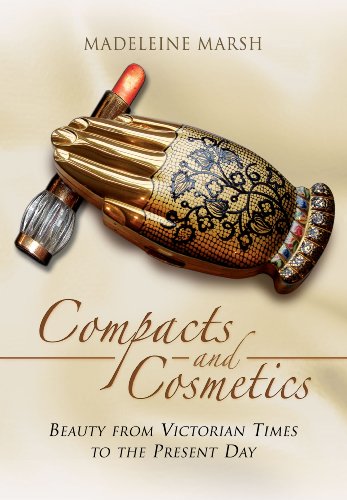
For anyone fascinated by the evolution of beauty and its cultural significance, “Compacts and Cosmetics: Beauty from Victorian Times to the Present Day” by Madeleine Marsh is an essential addition to your library. This book offers a enthralling journey through the history of cosmetics, showcasing trends for both men and women. With stunning photographs from the author’s collection, it highlights how beauty routines reflect societal changes. You’ll discover intriguing facts about cosmetics during wartime and peace. While some formatting issues exist, the engaging narrative makes it a delightful read, perfect for collectors and history buffs alike.
Best For: Anyone interested in the history of beauty, cosmetics enthusiasts, and collectors of vintage makeup items.
Pros:
- Stunning photographs showcasing a variety of compacts and cosmetics from the author’s private collection.
- Engaging narrative that connects beauty trends to societal changes, making it a captivating read.
- Intriguing insights into the role of cosmetics during different historical periods, including wartime.
Cons:
- Some formatting issues with images and text can make it challenging to view pictures alongside the narrative.
- The book may feel abruptly ended due to the lack of a conclusive section.
- While enjoyable, it may not be suitable for those seeking extensive research on cosmetics history.
Auguste Racinet. The Costume History (Bibliotheca Universalis)

Auguste Racinet’s “The Costume History” is an essential resource for costume designers and history enthusiasts keen to explore the evolution of clothing styles across various cultures. This engaging book boasts a rich collection of colorful images and detailed illustrations, making it a visual delight. You’ll appreciate its organized structure, which simplifies your research into authentic looks from different eras. Whether you’re a student or simply love browsing beautifully illustrated books, this volume offers valuable insights. While larger editions provide more text, the smaller version remains an affordable gem, ensuring that you don’t miss out on this thorough costume history reference.
Best For: Costume designers, students, and history enthusiasts looking for a visually engaging exploration of historical clothing styles.
Pros:
- Rich collection of colorful images and detailed illustrations, enhancing visual understanding of costume history.
- Well-organized structure makes it easy to research and find authentic looks from different eras.
- Appealing to a broad audience, from designers seeking inspiration to casual readers who enjoy beautifully illustrated books.
Cons:
- Larger editions, while more comprehensive, come with a significantly higher price tag.
- Some readers may prefer larger page sizes for better visibility of the illustrations.
- Minor delivery issues have been noted, though overall satisfaction with content remains high.
Factors to Consider When Choosing Fashion History Books
When you’re picking out fashion history books, think about what you want to learn. Consider the depth of content, the visual appeal, and how well the historical context is presented. You’ll also want to guarantee the book matches your interests and is authored by someone with solid expertise.
Content Depth and Coverage
Choosing a fashion history book requires careful consideration of content depth and coverage to guarantee it meets your needs. Look for books that cover a thorough timeline, ideally from the 18th to the 20th century, to give you a broader context of fashion evolution. It’s essential to find works that include both high fashion and everyday wear, revealing insights into clothing worn by women across various social classes. Pay attention to historical context and social customs, as these enrich your understanding of fashion’s relationship with societal changes. A balanced focus on practical garments alongside special-occasion wear will highlight the complexities of women’s fashion, making your reading experience more rewarding.
Visual Quality and Appeal
A well-rounded understanding of fashion history benefits greatly from visual quality and appeal. High-quality visuals enhance your grasp of garments and styles, showcasing the intricate details of color, texture, and design elements. Look for books featuring full-page photographs, as they immerse you in the historical context of fashion items. A visually appealing layout with organized images and text makes maneuvering through different eras easier and more engaging. Books that blend color illustrations with black-and-white images provide a thorough overview of evolving trends across cultures. Finally, pay attention to presentation quality; durable materials and a polished finish guarantee that your collection remains valuable and enjoyable for years to come.
Historical Context Included
Understanding the historical context of fashion is essential for appreciating how trends evolve over time. When choosing fashion history books, look for those that connect fashion trends to the social, political, and cultural events of their era. Books with detailed narratives about clothing styles often reveal the societal norms and values influencing fashion choices. Consider how economic factors, like class structures and industrialization, shaped clothing availability and variety. Publications that incorporate primary sources, such as diaries or letters, offer personal perspectives on individual experiences. A well-rounded book may also discuss the impact of significant movements, like feminism or environmentalism, on women’s fashion throughout different periods. This context enriches your understanding of fashion’s intricate relationship with history.
Target Audience Suitability
When exploring fashion history books, it’s important to contemplate who will be reading them. Consider the age and interests of your audience; some books cater specifically to children, while others appeal to adults. You’ll want to evaluate the writing style and complexity, ensuring it matches your readers’ knowledge levels—whether they’re experts or casual fans. Look for books that highlight practical historical experiences or everyday clothing if your audience prefers real-life applications over high fashion. Also, assess the visual quality; engaging illustrations can enhance the reading experience. Finally, consider the thematic focus; certain readers may be drawn to topics like social customs or iconic fashion figures, so choose books that align with their interests for maximum engagement.
Author Expertise and Insights
Choosing fashion history books becomes much easier when you focus on the author’s expertise and insights. Start by considering their background and qualifications in fashion history, as this greatly impacts the depth and accuracy of the content. Look for authors who share personal anecdotes, enriching the narrative and providing unique perspectives. It’s also essential to evaluate their research experience or history of publishing in the field, which often indicates a reliable viewpoint. Assess how well they connect historical trends to contemporary relevance, enhancing your understanding of fashion’s evolution. Finally, check for any accolades or recognition within the fashion or academic community, as these reflect the author’s authority on the topic and can guide your selection.
Practicality and Usability
While delving into fashion history books, it’s important to contemplate their practicality and usability. First, think about the size and weight; those stunning coffee table editions might look great, but they can be hard to handle and store. Next, evaluate the book’s structure—clear headings and a well-organized layout make it easier to locate specific topics or images. Also, check for glossaries and indexes; these tools can help you quickly find terms and references. Don’t overlook the quality of visuals; high-quality images are crucial for capturing the intricate details of fashion history. Finally, consider the target audience; some books are dense and academic, while others offer a more engaging style for casual readers.