Dog agility is one of the most rewarding ways to build speed, focus, teamwork, and confidence with your dog. The right book can help you learn the basics faster, avoid common training mistakes, and create a safer path to better performance.
This roundup of dog agility training books focuses on practical, buyer-friendly options for puppies, first-time handlers, backyard competitors, and teams aiming for higher-level skills.
Best 10 Dog Agility Training Books Picks for 2026
Beginner-Friendly Agility Basics
The Beginner's Guide to Dog Agility

- Covers pre-agility and step-by-step training
- Uses correction-free methods and clicker ideas
- Includes homemade obstacles and trial entry basics
Best For: New handlers looking for a broad first agility book
Handling Skills on the Flat
Flatwork: Foundation for Agility

- Focuses on handling away from equipment
- Helps make body language clear and consistent
- Teaches dogs to stay connected on course
Best For: Handlers building communication and foundation skills
Modern Positive Training System

- Step-by-step training from basic to advanced
- Includes 600+ photos for guidance
- Integrates handling and reward systems early
Best For: Handlers seeking a detailed positive-training manual
Puppy-to-Foundation Plan

- Builds pre-agility skills before obstacles
- Covers shaping, reinforcement, and obedience
- Includes flatwork, testing, and proofing
Best For: Puppies and young dogs starting agility foundations
Positive Foundations

- Positive methods, including clicker training
- Built for fun rather than rigid competition
- Suitable for many dog sizes and breeds
Best For: Beginners who want a relaxed, positive agility introduction
DIY Equipment Guide
Build Better Training Obstacles
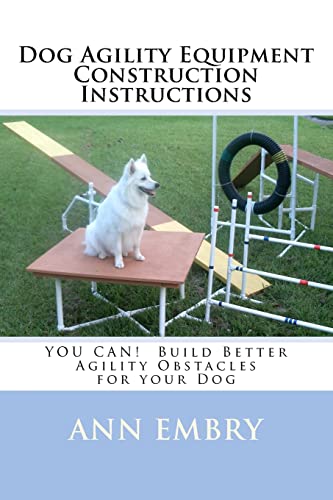
- Step-by-step agility obstacle construction
- Uses common tools and hardware-store materials
- Includes more than 15 equipment plans
Best For: DIY owners who want to build home agility gear
Skill-Building Overview
Understanding Dog Agility Training

- Covers agility for fun or competition
- Includes home practice exercises
- DIY jumps and tunnel instructions included
Best For: Beginners and intermediate handlers wanting a concise agility overview
Elite All-Around Agility Guide
The Complete Guide to Canine Agility
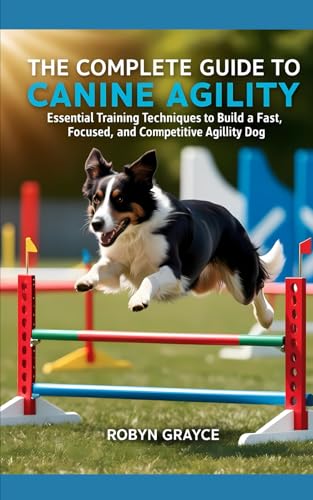
- Covers foundations through advanced handling
- Includes speed, precision, and troubleshooting
- Designed for backyard practice or competition prep
Best For: Handlers who want a broad agility manual that covers basics and advanced work
Classic Step-by-Step Trainer
Agility Training for You and Your Dog

- Clear step-by-step training approach
- Uses diagrams, illustrations, and photos
- Built on positive methods from top competitors
Best For: Beginners and developing handlers who want a visually guided introduction
Beginner-Friendly Agility Basics – The Beginner's Guide to Dog Agility
If you’re comparing dog agility training books and want a clear starting point, this guide focuses on the full beginner journey. It covers pre-agility training, correction-free methods, clicker use, homemade obstacles, and the basics of entering agility trials, making it a practical all-in-one introduction for new handlers.
Best For: New agility teams that want a broad, straightforward introduction to training, equipment, and getting started in trials.
Pros:
- Covers pre-agility training and step-by-step agility techniques
- Includes correction-free training guidance
- Explains clicker motivation and making your own obstacles
- Walks through entering agility trials
Cons:
- Older publication compared with newer agility titles
- Broad beginner focus may be less useful for advanced handlers
This is a solid pick if you want a foundational book that touches both training and the practical side of getting involved in the sport.
Handling Skills on the Flat – Flatwork: Foundation for Agility
Among dog agility training books, this one stands out for focusing on what happens between obstacles rather than on the equipment itself. It teaches flatwork as the foundation for handling skills, helping you keep your body language clear, consistent, coherent, and timely while your dog learns to take direction and stay connected on course.
Best For: Handlers who want to strengthen communication and course handling before or alongside obstacle training.
Pros:
- Centers on handling skills away from equipment
- Emphasizes clear and consistent body language
- Teaches dogs to take direction and stay with the handler
- Concise illustrated format makes it easy to review quickly
Cons:
- Shorter than many other agility books
- Less focused on obstacle-specific training
If you want to improve the handler side of agility, this is a focused, efficient manual on the foundation work that supports better runs.
Modern Positive Training System – Agility Right from the Start
If you want dog agility training books that go deep into a modern, structured system, this title is built for serious foundations and long-term progress. It offers step-by-step exercises from basic to advanced, detailed photo support, and a positive approach that integrates handling skills and reward systems from the beginning.
Best For: Trainers who want a comprehensive, highly detailed agility manual with a strong positive-training framework.
Pros:
- Very detailed with 600+ instructional photographs
- Step-by-step exercises from basic through advanced
- Integrates handling skills and reward systems early
- Designed to support faster learning and less frustration
Cons:
- Heavier, more in-depth read than a quick-start guide
- May feel overwhelming for readers who want only a brief overview
This is the most comprehensive option here, especially if you want a training manual you can return to as your skills progress.
Puppy-to-Foundation Plan – From the Ground Up
For anyone starting with a puppy or young dog, this entry in dog agility training books focuses on the work that should happen before the course. It lays out a complete foundation plan covering luring, prompting, shaping, reinforcements, pre-agility obedience, flatwork, obstacle training, and the testing and proofing that come after.
Best For: Puppy owners and beginner handlers planning a future in agility who want a clear foundation training path.
Pros:
- Built around pre-agility relationship and foundation work
- Covers luring, prompting, shaping, and reinforcement basics
- Includes pre-agility obedience, flatwork, and obstacle training
- Moves into testing and proofing for readiness
Cons:
- More foundation-focused than course strategy focused
- Best suited to early-stage training rather than experienced teams
This is a smart choice if you want to build skills in the right order and avoid rushing into obstacles before the basics are in place.
Positive Foundations – Having Fun With Agility
If you want dog agility training books that focus on enjoyment as well as skill, this guide is built for a low-pressure start. It emphasizes positive methods like clicker training and is aimed at owners who want the fun of agility without the rigid rules, competition stress, or expensive setup.
Best For: Beginners and casual handlers who want a positive, fun introduction to agility with dogs of many sizes and breeds.
Pros:
- Uses positive training methods, including clicker training
- Designed for fun at home, not just formal competition
- Welcomes a wide range of dogs, from Chihuahuas to Great Danes
Cons:
- Not focused on rigid competition rules or advanced trial strategy
- May feel too general for handlers seeking a sport-specific technical manual
This is a practical pick if your priority is building confidence and having a good time with your dog while learning the basics of agility.
DIY Equipment Guide – Build Better Training Obstacles
For buyers comparing dog agility training books that also help with setup, this one stands out as a hands-on equipment guide. It focuses on building agility obstacles with easy-to-find materials, clear diagrams, and step-by-step instructions that can save time and reduce wasted trips to the store.
Best For: Dog owners who want to build their own agility obstacles using common tools and hardware-store materials.
Pros:
- Includes more than 15 plans for agility equipment
- Uses commonly available materials and household tools
- Features color-coded diagrams and full-color progress photos
Cons:
- Focused on construction rather than training theory
- Short booklet format may feel limited for readers wanting deeper instruction
If your main goal is to practice at home with self-built gear, this guide offers a practical, budget-aware approach to getting obstacles made correctly.
Skill-Building Overview – Understanding Dog Agility Training
Understanding Dog Agility Training for Fun or Competition: With Skill-Building Exercises
Check Price On AmazonIf you’re shopping for dog agility training books that balance learning with practice, this newer guide is aimed at both beginners and more seasoned competitors. It explains the sport in a way that supports skill-building, and it also includes simple DIY jump and tunnel exercises for at-home practice.
Best For: Beginners through intermediate handlers who want an overview of agility plus easy practice exercises.
Pros:
- Covers agility for fun or competition
- Includes skill-building exercises for home practice
- Provides DIY instructions for four jumps and a tunnel
Cons:
- Intended as a guide to better understanding the sport, not a full advanced training system
- Only 72 pages, so coverage is likely concise
This is a solid pick if you want a compact overview that helps you understand agility while giving you a few practical ways to start training at home.
Elite All-Around Agility Guide – The Complete Guide to Canine Agility
If you want dog agility training books that cover both the fundamentals and the finer points of handling, this guide offers a practical path from first-time training to more competitive work. It focuses on step-by-step foundations, advanced course skills, and troubleshooting so you can build speed, focus, and confidence together.
Best For: Handlers who want a broad agility manual that covers basics, advanced techniques, and competition readiness.
Pros:
- Step-by-step training foundations for obstacle confidence and core commands
- Advanced handling topics like distance handling, threadles, backsides, and tight turns
- Includes speed, precision, and troubleshooting guidance for common training issues
- Mentions DIY setup ideas for training without a full course
Cons:
- At 94 pages, it may feel brief for readers wanting very deep instruction
- Newer release, so it has less of a long track record than older titles
Overall, this is a strong choice if you want a concise agility reference that moves beyond basics into real handling strategy. It looks especially useful for handlers who want one book that can support both backyard practice and competition goals.
Classic Step-by-Step Trainer – Agility Training for You and Your Dog
Agility Training for You and Your Dog: From Backyard Fun To High-Performance Training
Check Price On AmazonAmong dog agility training books, this one stands out for its clear, step-by-step approach and practical visual aids. It is built on positive training methods from experienced competitors, and it aims to help you progress from backyard fun to high-performance training with drills, diagrams, and full-color photos.
Best For: Beginners and developing handlers who want a classic, visually guided introduction to agility training.
Pros:
- Step-by-step format makes the training path easy to follow
- Includes footing diagrams, course illustrations, and full-color photographs
- Based on positive training methods from top agility competitors
- Works for both backyard practice and more serious training goals
Cons:
- Published in 2008, so some readers may prefer a newer title
- May be more introductory than readers looking for highly advanced handling theory
This is a solid pick if you value clarity, visuals, and a proven training structure. It should appeal to anyone who wants a well-organized resource that can support long-term agility enjoyment and skill building.
Positive Reinforcement Agility Roadmap – Puppy and Dog Agility Training Guidebook
This entry in dog agility training books is geared toward building a confident agility partner from the ground up, with an emphasis on positive reinforcement and practical safety. It covers foundations, equipment, obstacle training, and competition prep, while also addressing backyard and indoor setups for real-world training situations.
Best For: Owners who want a positive-reinforcement agility guide that works for puppies, adults, seniors, and rescue or reactive dogs.
Pros:
- Broad coverage of foundations, obstacle training, and competition preparation
- Includes health, safety, and age- or breed-specific considerations
- Offers strategies for rescue dogs, reactive dogs, seniors, and multi-dog homes
- Provides backyard and indoor agility ideas for small spaces
Cons:
- Its wide scope may be less focused for readers wanting only advanced handling detail
- Digital-only format may not suit buyers who prefer a print handbook
Overall, this guide reads like a practical all-in-one roadmap for handlers who want to grow a dog’s skills while keeping training supportive and safe. It is especially appealing if you need adaptable advice that fits a range of ages, temperaments, and living spaces.
How We Picked These Dog Agility Training Books
We focused on books that offer clear instruction, sensible training progressions, and useful coverage of real agility topics such as flatwork, obstacle introduction, handling, motivation, and safe foundation work. We also looked for a mix of beginner-friendly guides, more advanced training manuals, and titles that support either recreational fun or competition goals.
Because readers come to Dog Agility Training Books with different needs, the list includes options for puppies, novice handlers, and teams building toward speed and precision. We favored books that explain concepts plainly and can be used as a reference over time, not just read once.
Quick Comparison
If you want a simple starting point, choose a general beginner guide. If your dog is very young or new to training, look for a foundation-first title. Handlers who already understand the basics may benefit more from books focused on flatwork, handling, or competitive refinement. If you need affordable home setup help, a book on equipment construction can be especially practical.
Key Buying Factors for Dog Agility Training Books
Training Stage
Match the book to your current level. Puppy and beginner books help you build confidence early, while advanced titles are better once your dog already understands core obstacles and basic cues.
Training Style
Some Dog Agility Training Books emphasize clicker methods, others focus on conventional handling, and some blend both. Pick a style that fits how you like to train and what motivates your dog.
Scope and Specificity
Broad guides are ideal if you want an all-in-one overview. More focused books can be better if you need help with flatwork, obstacle skills, or designing training equipment.
Safety and Foundations
Good agility training starts with controlled movement, body awareness, and gradual progression. Look for books that explain foundation work clearly and avoid rushing into advanced sequences too soon.
Who Should Buy Which Dog Agility Training Books?
New handlers should prioritize beginner and foundation titles. Puppy owners should look for books that stress age-appropriate progression and confidence building. Recreational teams may prefer guides centered on fun, motivation, and practical home training. Competitors should choose more technical Dog Agility Training Books that cover handling, efficiency, and performance details.
If you are unsure where to start, choose the book that best matches your dog’s current training stage rather than the one with the broadest promise. That approach usually leads to safer practice, better consistency, and faster long-term progress.