Great glazing starts with the right reference. The best ceramic glazing books can help you understand firing ranges, surface effects, recipe structure, and troubleshooting so you spend less time guessing at the kiln.
Whether you want beginner-friendly fundamentals or advanced glaze chemistry, this roundup focuses on books that offer practical value, clear instruction, and useful inspiration for real studio work.
Best 10 Ceramic Glazing Books Picks for 2026
Editor’s Pick
Amazing Glaze: Techniques, Recipes, Finishing, and Firing

- Covers glaze chemistry, safety, testing, and application
- Includes 60+ recipes across multiple firing ranges
- Packed with photos, artist features, and advanced techniques
Best For: Potters who want a comprehensive glaze guide with recipes and inspiration
Beginner-Friendly Pick

- Simple language aimed at new ceramic artists
- Includes a first glaze recipe and troubleshooting tips
- Covers safe glaze testing and test tiles
Best For: Absolute beginners who want a simple glaze introduction
Recipe Powerhouse
Amazing Glaze Recipes and Combinations

- 200+ recipes and combinations across firing ranges
- Technically edited recipes with photos for each one
- Includes majolica, raku, and artist inspiration
Best For: Potters who want a recipe-heavy glaze book with visual inspiration
Technique Focus

- Step-by-step images explain glaze application
- Concise 136-page handbook format
- Technique-first, not a recipe-heavy reference
Best For: Potters who want step-by-step guidance on glaze application
Mid-Range Studio Guide
The Complete Guide to Mid-Range Glazes

- Hundreds of cone 4–7 glaze recipes
- Covers testing, application, and firing
- Includes tips for stains, washes, and special firings
Best For: Potters who need a practical mid-range glaze reference
Food-Safe Glaze Lab Guide
Amazing Glaze Food-Safe Recipes
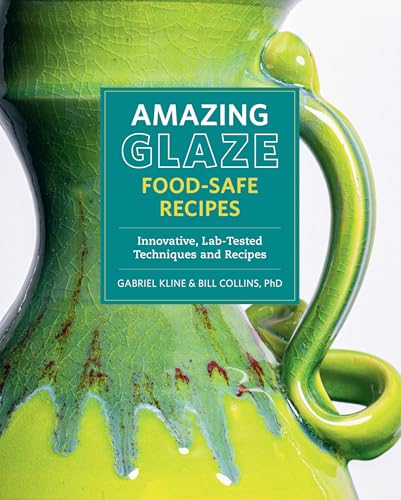
- Focuses on food-safe glaze formulation
- Includes 100+ tested recipes and combinations
- Explains leaching, toxic materials, and testing
Best For: Functional potters who need food-safe glaze recipes
High-Fire Reference Pick
The Complete Guide to High-Fire Glazes

- Hundreds of cone 10 glaze recipes
- Covers glaze chemistry, tools, and firing
- Includes multiple glaze families and indexes
Best For: Cone 10 potters needing a detailed high-fire reference
Natural Materials
Ash glazes and natural-source glazing techniques

- Updated 3rd edition with new photos and recipes
- Shows how to collect, test, and use wood ash
- Includes history plus examples from potters worldwide
Best For: Potters seeking a specialized guide to ash-based glazing and natural materials.
Low-Fire Studio Guide
Low-fire glaze recipes, testing, and troubleshooting

- Explains glaze setup, formulation, and fault-finding
- Includes test tiles, layering, decals, and firing ideas
- Features recipes for gloss, satin, matte, and tin finishes
Best For: Artists looking for a detailed low-fire glazing handbook with recipes and studio methods.
Beginner Basics
A beginner’s intro to ceramic glazing and firing

- Explains glaze science, tools, and safety basics
- Gives step-by-step glaze application guidance
- Shows how to build a glaze recipe and choose a kiln
Best For: New ceramicists who want an accessible first guide to glazing and firing.
Editor’s Pick – Amazing Glaze: Techniques, Recipes, Finishing, and Firing
Amazing Glaze: Techniques, Recipes, Finishing, and Firing (Mastering Ceramics)
Check Price On AmazonIf you want a practical introduction to ceramic glazing books without feeling overwhelmed, Amazing Glaze offers a clear, studio-friendly path from glaze basics to more advanced finishing and firing ideas. It covers safety, tools, materials, chemistry, testing, application methods, and a large set of recipes, so it works well as both a learning guide and a reference on the shelf.
Best For: Potters who want a comprehensive glaze guide with recipes, techniques, and inspiration.
Pros:
- Covers glaze basics, chemistry, testing, and application methods
- Includes over 60 glaze recipes across high fire, mid-range, low fire, and raku
- Features advanced topics like layering, resists, crystalline effects, decals, and more
- Strong visual appeal with color photography and artist galleries
Cons:
- May be more than a true beginner needs for a first glaze project
- Focuses on broad coverage rather than a narrow kiln or clay-body niche
This is the strongest all-around pick if you want one of the most complete ceramic glazing books for building confidence and expanding your glaze vocabulary.
Beginner-Friendly Pick – Ceramic Glazing for Beginners
Ceramic Glazing for Beginners: What Every Ceramic Artist Should Know to Get Better Glazes
Check Price On AmazonFor shoppers looking for ceramic glazing books that keep things simple, this short guide focuses on beginner questions and common frustrations. It promises clear explanations of the basics, a first glaze recipe, testing tips, and practical troubleshooting ideas, which makes it a useful starting point if glazing has felt confusing or inconsistent.
Best For: Absolute beginners who want a simple, low-pressure glaze introduction.
Pros:
- Written for novices and explained in simple language
- Includes a basic first glaze recipe and troubleshooting ideas
- Offers tips on safe glaze testing and making test tiles
- Short length may make it easy to get started quickly
Cons:
- No pictures are included
- Much less detailed than fuller glaze references
- Best suited to basics rather than deep technical study
If you want an approachable overview rather than a visual, technique-heavy handbook, this book is a straightforward entry point into glazing.
Recipe Powerhouse – Amazing Glaze Recipes and Combinations
If your priority is collecting useful ceramic glazing books with lots of tested looks, this volume is built around recipes and combinations. It focuses on low-fire, mid-range, and high-fire finishes, with plenty of photos, technically edited recipes, and glaze pairings to help you move from single recipes to more creative surface combinations.
Best For: Potters who want a recipe-heavy glaze book with plenty of visual inspiration.
Pros:
- Contains 200+ glaze recipes and combinations
- Covers low-fire, mid-range, and high-fire pottery
- Includes technically edited recipes and photos for each one
- Adds special topics like majolica, raku firing, and artist features
Cons:
- Less about fundamentals than about recipes and combinations
- Readers mainly seeking beginner instruction may want a more basic guide
This is a strong choice if you already glaze and want more finishing ideas, more color exploration, and more tested combinations to try.
Technique Focus – Glazing Techniques
For buyers comparing ceramic glazing books that emphasize process over recipes, Glazing Techniques is a compact handbook on how to apply glaze to ceramic surfaces. Its step-by-step images and accompanying text make it a practical option if you want a straightforward techniques guide rather than a recipe collection.
Best For: Potters who want step-by-step guidance on glaze application techniques.
Pros:
- Focused specifically on glaze application techniques
- Uses step-by-step images with supporting text
- Compact 136-page format for targeted reference use
- Published by the American Ceramic Society
Cons:
- Limited description suggests less depth on recipes and chemistry
- May feel narrower than broader all-in-one glaze books
This is a good fit if you want a technique-first guide and prefer to learn glazing through process visuals rather than a dense catalog of recipes.
Mid-Range Studio Guide – The Complete Guide to Mid-Range Glazes
If you are shopping for ceramic glazing books that make mid-range work easier to understand, this fully illustrated guide is a strong studio reference. It focuses on cones 4–7 and covers glaze mixing, testing, application, firing, and cooling, with hundreds of recipes and practical tips for getting consistent results.
Best For: Potters who want a broad, illustrated reference for mid-range glaze recipes and firing methods.
Pros:
- Covers hundreds of tested mid-range glaze recipes.
- Explains mixing, testing, application, firing, and cooling cycles.
- Includes guidance on stains, washes, underglazes, and alternative firings.
- Designed as a complete studio guide for cones 4–7.
Cons:
- Focused specifically on mid-range temperatures, not low-fire or cone 10.
- Recipe-heavy approach may be less useful if you want a theory-only text.
Overall, this book stands out for potters who want a practical mid-range glaze reference with both recipes and process guidance. It is especially useful if you work at cone 4–7 and want a more reliable path to repeatable results.
Food-Safe Glaze Lab Guide – Amazing Glaze Food-Safe Recipes
Amazing Glaze Food-Safe Recipes: Innovative, Lab-Tested Techniques and Recipes (Mastering Ceramics)
Check Price On AmazonAmong ceramic glazing books focused on functional ware, this title is built around food-safe results and lab-tested methods. It explains glaze safety, toxic materials, leaching, and testing, while also offering more than 100 recipes and step-by-step help with mixing, applying, and troubleshooting.
Best For: Potters making functional ceramics who want food-safe glaze recipes and clear testing guidance.
Pros:
- Centered on food-safe glaze formulation and safety testing.
- Includes more than 100 tested recipes and combinations.
- Covers mixing, application, and troubleshooting in a studio-friendly way.
- Combines ceramic and chemistry perspectives for practical learning.
Cons:
- Limited to food-safe and functional glaze work rather than decorative-only exploration.
- Scheduled publication date may mean it is not yet widely reviewed or proven in circulation.
This is a smart pick if your priority is dependable, food-safe glaze work rather than broad glaze theory. The emphasis on tested methods makes it especially relevant for potters who need both aesthetics and everyday usability.
High-Fire Reference Pick – The Complete Guide to High-Fire Glazes
The Complete Guide to High-Fire Glazes: Glazing & Firing at Cone 10 (A Lark Ceramics Book)
Check Price On AmazonIf you need ceramic glazing books that go deep into cone 10 work, this reference is built for high-fire studios. It offers hundreds of recipes, a thorough look at glaze materials and chemistry, and practical coverage of mixing, application, and firing procedures for a wide range of high-fire glaze types.
Best For: Ceramists who work at cone 10 and want a detailed, recipe-rich high-fire glazing reference.
Pros:
- Contains hundreds of high-fire glaze recipes.
- Explains materials, chemistry, tools, and firing basics.
- Covers many glaze families, including copper, iron, shino, salt/soda, and crystalline.
- Includes subject and recipe indexes for quick lookup.
Cons:
- Strictly focused on high-fire cone 10 glazing.
- Less suitable if you primarily work in mid-range or low-fire temperatures.
This book is a strong match for experienced potters or dedicated learners who want a thorough high-fire glaze manual. Its tested recipes and organized indexes make it especially useful as a working studio reference.
Natural Materials – Ash glazes and natural-source glazing techniques
If you’re comparing ceramic glazing books for a more natural, experimental approach, this updated guide to ash glazes is a strong specialist pick. It explains how to collect and test wood ashes, turn them into usable glazes, and apply them to decorate pots, with plenty of practical advice for working potters.
Best For: Potters and ceramicists who want to work with ash, natural materials, and glaze recipes rooted in real studio practice.
Pros:
- Fully updated third edition with new photographs and glaze recipes
- Clear step-by-step coverage of collecting, testing, and using wood ash
- Includes history, techniques, and examples from potters around the world
- Strong fit for makers interested in natural resource-based glazing
Cons:
- Focused specifically on ash glazes, so it is not a broad all-purpose glazing manual
- Most useful for readers already interested in studio ceramics and firing
For anyone drawn to ash glazing, this book offers a focused blend of technique and inspiration. It stands out among ceramic glazing books because it combines practical guidance with a deep appreciation for natural materials and contemporary ceramic work.
Low-Fire Studio Guide – Low-fire glaze recipes, testing, and troubleshooting
Among ceramic glazing books, this one is aimed at artists who want to explore low-fire work without sacrificing visual impact. It covers glaze setup, formulation, troubleshooting, test tiles, layering, decals, atmospheric firing, and a wide range of recipe ideas for gloss, satin, matte, and tin finishes.
Best For: Ceramic artists and potters who want a practical, photo-rich guide to low-fire glaze techniques and studio testing.
Pros:
- Covers both the science and creative possibilities of low-fire glazes
- Includes guidance on setting up a glaze lab and making test tiles
- Offers troubleshooting tips for common glaze faults
- Features recipes and techniques for layering, decals, and varied finishes
Cons:
- Strictly focused on low-fire work, so it won’t cover every firing range
- Best suited to readers who want hands-on glaze experimentation
This is a well-rounded choice if you want low-fire glazing that is both technical and inspiring. It gives you enough structure to test confidently while still leaving room for creative exploration in the studio.
Beginner Basics – A beginner’s intro to ceramic glazing and firing
Ceramic Glazes: A Beginner’s Guide to Understanding Ceramic Glazing and Firing Techniques
Check Price On AmazonIf you’re shopping ceramic glazing books as a newcomer, this beginner-friendly guide is built to help you get started with confidence. It walks through glazing and firing basics, workspace setup, essential tools, glaze science, application methods, and how to build your own glaze recipe.
Best For: Beginners who want a straightforward introduction to glazing, firing, tools, and first glaze recipes.
Pros:
- Covers the history and science of ceramics and glazes in beginner terms
- Explains essential equipment, safety gear, and glaze supplies
- Includes step-by-step glazing application methods
- Offers tips for developing a glaze recipe and choosing a kiln
Cons:
- More introductory than advanced, so experienced potters may want a deeper technical resource
- Broad beginner scope means it is less specialized than focused glaze recipe books
For a first look at glazing and firing, this book keeps the learning curve approachable. It is a practical starting point if you want a clear overview before moving on to more specialized ceramic glazing books.
How We Picked These Ceramic Glazing Books
We prioritized books that are useful in an active pottery studio: clear instruction, dependable recipes or methods, strong coverage of firing temperatures, and guidance that helps you make repeatable choices. We also favored titles that suit different skill levels, from first-time glazers to potters refining a specific firing range.
Quick Comparison
Some Ceramic Glazing Books lean heavily on technique and troubleshooting, while others focus on recipe collections, surface effects, or specialized topics like food-safe glaze development, ash glazes, or high-fire and low-fire systems. If you want broad foundations, choose a general guide. If you already know your firing range, a targeted book may be the better fit.
Key Buying Factors for Ceramic Glazing Books
Skill Level
Beginners usually benefit most from books that explain glaze basics, application methods, and firing results in plain language. More advanced potters may want deeper coverage of glaze composition, cone ranges, and testing strategies.
Firing Temperature
Pick a book that matches your kiln use. Low-fire, mid-range, and high-fire systems behave differently, and a recipe book is most valuable when it aligns with your actual firing cone.
Recipe Vs. Technique
Some Ceramic Glazing Books are recipe-heavy, while others teach broader methods for mixing, layering, and controlling finishes. If you already have a working glaze base, technique-focused books can help you improve consistency. If you need more ideas, a recipe collection may be more useful.
Safety and Practical Use
If you make functional ware, look for guidance on food safety, durability, and testing. A beautiful glaze is not enough if it does not perform well in real use.
Who Should Buy Which Ceramic Glazing Books?
Beginners should look for straightforward introductions that explain essential concepts without too much jargon. Studio potters who want reliable results may prefer books with proven recipes and firing-specific advice. Artists exploring new surfaces can benefit from specialized titles on ash glazes, glaze combinations, or food-safe finishes. If you work across multiple clay bodies or firing ranges, a broader handbook-style title may give you the most flexibility.
In short, the best Ceramic Glazing Books are the ones that match your kiln, your experience level, and the kind of surfaces you want to make next. Start with your firing range, then choose the book that fills the biggest gap in your current process.