Choosing the right cabinet making book can save time, reduce mistakes, and make your joinery, layout, and finishing choices far more confident.
Whether you’re building kitchen cabinets, vanities, or custom storage, this roundup highlights books that balance clear instruction with practical shop methods.
Best 10 Cabinet Making Books Picks for 2026
Kitchen Cabinet Planning Guide
Bob Lang's Complete Kitchen Cabinetmaker

- Covers measuring, design, and shop drawings
- Explains face-frame and frameless cabinet builds
- Includes tips for doors, drawers, and installation
Best For: Woodworkers planning custom kitchen and built-in cabinets
Craft Mastery Reference

- Focuses on sharpening, honing, and grinding
- Teaches wood selection and grain reading
- Covers resawing and wood movement basics
Best For: Experienced woodworkers refining cabinetmaking technique
Visual Construction Reference
Complete Illustrated Guide to Furniture & Cabinet Construction

- Includes 1,000+ photos and diagrams
- Breaks down boxes, doors, drawers, and shelves
- Works as a reference for beginners and pros
Best For: Visual learners seeking a broad construction reference
Kitchen Build How-To

- Shows how to design cabinets for custom spaces
- Covers common shop tools and construction steps
- Includes hardware, hinges, slides, and countertops
Best For: DIYers building custom kitchen cabinets with standard tools
Foundations for Hand Skill
The Art and Craft of Cabinet-Making
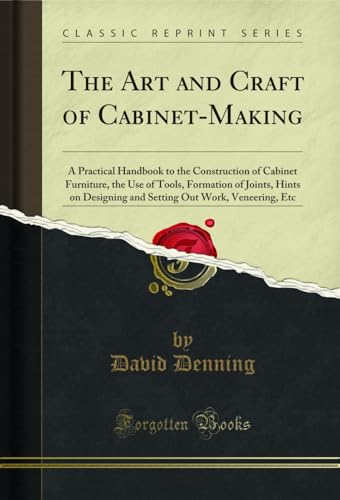
- Covers tools, joints, layout, assembly, and veneering
- Step-by-step, workshop-focused instruction
- Illustrations support hands-on learning
Best For: Beginners and self-taught woodworkers building core cabinetmaking skills
Custom Storage Projects
Bookcases, Cabinets & Built-Ins

- 25 projects for bookcases, cabinets, and built-ins
- Expert how-to articles from trusted woodworking sources
- Good mix of design ideas and practical build guidance
Best For: DIYers and woodworkers building custom storage and built-ins
Doors and Drawers Guide
Building Cabinet Doors & Drawers

- Covers many cabinet door styles and matching drawers
- Illustrated notes include measurements and construction details
- Explains key joinery used in cabinet components
Best For: Woodworkers focusing on cabinet doors, drawers, and joinery
Visual reference guide
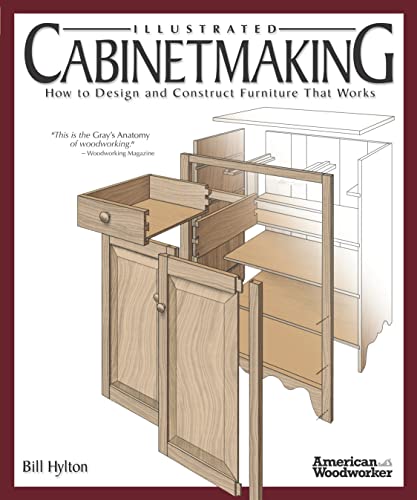
- 1,300+ drawings and diagrams
- Covers joints, subassemblies, and dimensions
- Includes cabinets, bookcases, tables, and more
Best For: Woodworkers who want a highly visual design and joinery reference
Beginner build guide

- Step-by-step from design to installation
- Covers kitchens, bathrooms, shelving, and storage
- Practical guidance for home workshop builds
Best For: Beginners and DIY homeowners wanting a start-to-finish cabinet guide
Illustrated project manual
Building Kitchen Cabinets and Bathroom Vanities

- Nearly 500 photos and drawings
- Covers face-frame kitchen cabinets and vanities
- Includes design, build, finish, and install steps
Best For: Woodworkers focused on illustrated kitchen and bathroom cabinet projects
Kitchen Cabinet Planning Guide – Bob Lang's Complete Kitchen Cabinetmaker
If you’re looking for cabinet making books that focus on real-world kitchen projects, this revised guide is built for planning, drawing, and building custom cabinets from the ground up. It walks you through measuring a room, creating shop drawings and cutting lists, and choosing materials like solid wood, veneered plywood, MDF, and laminate for both face-frame and frameless work.
Best For: Woodworkers and DIYers who want a practical, shop-tested guide to designing and building kitchen and built-in cabinets.
Pros:
- Covers room measurement, design, shop drawings, and cutting lists
- Explains both traditional face-frame and Euro-style frameless cabinets
- Includes detailed instructions for doors, drawer boxes, countertops, and installation
- Offers professional tips to save time, materials, and frustration
Cons:
- Geared more toward technical cabinet construction than general woodworking inspiration
- Focuses mainly on kitchen and built-in projects rather than all furniture types
For buyers who want cabinet making books with a strong emphasis on planning and execution, this title delivers a clear path from layout to final installation. It is especially useful if you want a detailed reference that shows how cabinets go together in the real world.
Craft Mastery Reference – The Fine Art of Cabinetmaking
Among cabinet making books, this one stands out as a technique-focused reference for woodworkers who want to sharpen their skills and understand the craft more deeply. It concentrates on sharpening and honing tools, grinding angles, wood selection, grain reading, resawing, and the effects of moisture content and wood movement.
Best For: Woodworkers who want a serious technical sourcebook for improving cabinetmaking fundamentals and precision.
Pros:
- Strong focus on sharpening, honing, and grinding methods
- Explains wood choices, grain, and air-dried versus kiln-dried stock
- Covers resawing, moisture content, and wood movement concerns
- Designed to help builders work closer to the limits of their skill
Cons:
- Less project-driven than some step-by-step cabinet guides
- Better suited to technique study than quick beginner builds
This is a strong pick if you want cabinet making books that teach craft at a deeper level rather than just project assembly. It works best as a technical companion for improving shop habits and material understanding.
Visual Construction Reference – Complete Illustrated Guide to Furniture & Cabinet Construction
If you prefer cabinet making books with lots of visual instruction, this illustrated guide breaks down furniture and cabinet construction into clear, manageable parts. It uses step-by-step photos and diagrams to explain boxes, cases, doors, drawers, shelves, feet, and assembly methods for both newer learners and seasoned woodworkers.
Best For: Woodworkers who want a highly visual shop reference for cabinet and furniture construction methods.
Pros:
- Over 1,000 step-by-step photos and diagrams
- Breaks down key cabinet components in detail
- Covers construction methods and assembly choices
- Useful as both a learning tool and a reference book
Cons:
- Less specialized for kitchen-only cabinet projects
- Can feel broad if you only need one specific build process
For anyone comparing cabinet making books by clarity and visual guidance, this one is especially approachable. It is a strong all-around reference when you want to understand how the major parts of cabinets and furniture fit together.
Kitchen Build How-To – Building Kitchen Cabinets
For shoppers comparing cabinet making books with a practical kitchen focus, this guide shows how to build custom cabinets that fit your space and style. It covers design choices, shop-friendly construction with common tools, and installation details like concealed hinges, drawer slides, and countertop selection.
Best For: DIY woodworkers who want step-by-step help building custom kitchen cabinets with standard shop tools.
Pros:
- Explains how to design cabinets for specific spaces and needs
- Covers routers, tablesaws, and drills in a practical workflow
- Includes styles such as arched doors and custom cornice treatments
- Addresses hardware, drawer slides, concealed hinges, and countertops
Cons:
- Shorter than some other cabinet making books
- Focused primarily on kitchen cabinet projects rather than general furniture
This book is a solid fit if you want a hands-on kitchen cabinet guide with clear construction and installation coverage. It is especially helpful for builders who already know basic tools and want to move into custom cabinetry.
Foundations for Hand Skill – The Art and Craft of Cabinet-Making
If you want cabinet making books that focus on core workshop technique, this practical handbook is a straightforward place to start. It covers cabinet furniture construction, tool use, joints, setting out work, milling, assembly, and veneering in a hands-on, step-by-step format.
Best For: Beginners and self-taught woodworkers who want a dependable reference for learning essential cabinetmaking methods in the shop.
Pros:
- Clear step-by-step instruction for core cabinetmaking tasks
- Covers tools, joints, stock preparation, assembly, and veneering
- Illustrations help explain how the methods come together
- Designed around practical workshop use rather than theory
Cons:
- More focused on fundamentals than on project variety
- Classic reprint format may feel dated to some readers
- Best suited to hands-on learning, not quick inspiration
This is a solid choice if you want a reliable, method-first guide to the craft. It works best as a workshop companion for building skill one process at a time.
Custom Storage Projects – Bookcases, Cabinets & Built-Ins
For cabinet making books that emphasize real projects and custom storage, this collection offers a practical blueprint. It brings together 25 how-to articles on bookcases, built-ins, kitchen cabinets, mudroom organizers, and media storage, with guidance aimed at both DIY homeowners and experienced carpenters.
Best For: Woodworkers and DIYers who want project ideas and step-by-step guidance for building custom storage pieces.
Pros:
- Includes 25 projects across bookcases, cabinets, and built-ins
- Offers expert advice from Fine Homebuilding and Fine Woodworking contributors
- Focuses on sturdy, stylish storage that maximizes space
- Helpful for both home use and developing woodworking services
Cons:
- Less of a single-topic manual than some dedicated cabinet books
- Project collection format may not suit readers wanting a linear course
- Some builds may be better matched to readers with prior experience
This book is a strong pick if you want practical cabinetmaking ideas with a clear payoff in home storage. It balances inspiration and instruction well for makers who prefer project-based learning.
Doors and Drawers Guide – Building Cabinet Doors & Drawers
If your cabinet making books shortlist is centered on the parts that define a finished cabinet, this title is a focused technical guide. It explains how to design, build, and install a wide range of cabinet door and drawer styles, with illustrated construction notes and measurements throughout.
Best For: Woodworkers who want a detailed reference for cabinet doors, drawers, and the joinery behind them.
Pros:
- Covers many door styles, including slab, raised panel, frame-and-panel, and tambour
- Explains matching drawers and common installation methods
- Includes joinery details such as dowels, biscuits, splines, and mortise-and-tenon
- Useful as a technical reference for design and construction
Cons:
- Limited page count means less breadth than larger cabinetmaking titles
- Best suited to specific components rather than full furniture projects
- May be too focused for readers seeking general shop fundamentals
This is a practical pick for readers who need clarity on cabinet fronts and drawer construction. It stands out as a compact reference for making the most visible and functional parts of cabinetry.
Visual reference guide – Illustrated Cabinetmaking
If you want a cabinet making book that helps you design furniture with confidence, this visual guide is built for exactly that purpose. Illustrated Cabinetmaking focuses on dimensions, joinery, exploded drawings, and construction solutions, making it a strong reference for planning cabinets, tables, bookcases, and other furniture pieces.
Best For: Woodworkers who want a highly visual reference for furniture design, joinery, and cabinet construction standards.
Pros:
- More than 1,300 drawings and diagrams clarify joints, subassemblies, and construction details.
- Covers furniture styles, dimensions, ergonomic standards, and classic solutions to common build problems.
- Includes guidance for kitchen cabinets, desks, bookcases, chests, and more.
- Useful for finding plans and understanding how finished furniture pieces come together.
Cons:
- More of a reference guide than a beginner-friendly step-by-step project manual.
- Focused on design and construction concepts rather than one complete cabinet build.
This is a strong choice if you value visual detail and want to understand cabinet making from the inside out. It’s especially helpful when you need design ideas, standard dimensions, and proven construction options in one place.
Beginner build guide – Building Cabinet from Scratch
If you’re looking for cabinet making books that walk you through the process in practical, workshop-style language, this guide is aimed at beginners and DIY builders. It covers designing, measuring, cutting, assembling, finishing, and installing kitchen cabinets, bathroom cabinets, shelving systems, and storage furniture.
Best For: Beginners and DIY homeowners who want a straightforward guide to building cabinets from planning to installation.
Pros:
- Step-by-step coverage of design, measurement, cutting, assembly, finishing, and installation.
- Explains kitchen cabinets, bathroom vanities, wall units, shelving systems, and storage furniture.
- Written in a practical, field-tested style that does not assume prior cabinetmaking experience.
- Addresses real home challenges like plumbing, walls, and uneven floors.
Cons:
- At 171 pages, it is shorter than some more comprehensive cabinetmaking references.
- Newer independent title, so there is less long-term track record than established shop manuals.
This book stands out if you want a clear start-to-finish path rather than an overview. It is a good pick for readers who want to understand how cabinet makers think and then apply that process at home.
Illustrated project manual – Building Kitchen Cabinets and Bathroom Vanities
For shoppers comparing cabinet making books with a project-focused approach, this Taunton Press guide is a dependable option. It uses nearly 500 photos and drawings to show how to build face-frame kitchen cabinets and bathroom vanities, with clear coverage of design, tools, wood selection, finishing, and installation.
Best For: Woodworkers who want an illustrated, project-based guide to building kitchen cabinets and bathroom vanities.
Pros:
- Nearly 500 photos and drawings make the process easy to follow.
- Covers face-frame cabinets in Shaker, slab, and cottage styles.
- Includes chapters on design, tools, wood selection, building, finishing, and installing.
- Works for both beginners and more experienced craftsmen.
Cons:
- Focused mainly on kitchen cabinets and bathroom vanities rather than broader furniture building.
- Targets face-frame construction, so it may not suit every cabinet style.
This is a solid choice if you want a practical guide centered on common home cabinetry projects. Its visual format and step-by-step layout make it easy to use in the shop while you build.
How We Picked These Cabinet Making Books
We focused on books that offer usable shop guidance rather than vague inspiration. That means clear drawings or photos, solid coverage of cabinet construction, and helpful detail on topics like sizing, face frames, doors, drawers, and installation. We also favored titles that suit both dedicated woodworkers and ambitious DIY readers.
Quick Comparison
Some Cabinet Making Books are better for full kitchen builds, while others are stronger on furniture-style casework, built-ins, or component details. If you want a broad visual reference, choose a highly illustrated guide. If you need a project roadmap, look for books centered on kitchen cabinets or step-by-step construction. For joinery and hand-tool fundamentals, classic methods can be especially useful.
Key Buying Factors for Cabinet Making Books
Project Scope
Match the book to your goal. Kitchen cabinet books usually cover toe kicks, uppers, bases, and installation, while furniture-focused titles may go deeper into case construction, proportions, and design details.
Level of Visual Instruction
Photos and diagrams matter. The best Cabinet Making Books show sequences clearly, especially for cutting parts, assembling boxes, building doors and drawers, and fitting hardware.
Joinery and Materials Guidance
Look for explanations of plywood selection, solid-wood edging, pocket screws, dados, rabbets, and other joints. A strong book should also explain where to use each approach and why.
Layout and Hardware Advice
Cabinet projects often fail in the planning stage. Books that cover measurement, squareness, reveals, hinge selection, drawer slides, and installation tolerances can prevent expensive rework.
Audience Fit
Some books assume you already know shop basics, while others are written for first-time builders. If you’re new, pick a title with broad step-by-step support. If you’re experienced, choose one that emphasizes efficient methods or professional-level detail.
Who Should Buy Which Cabinet Making Books?
DIY beginners should prioritize straightforward, photo-heavy guides with kitchen-specific instructions. Intermediate woodworkers may prefer Cabinet Making Books that balance design, construction, and hardware setup. Advanced builders or professionals often get the most value from titles with shop drawings, deeper engineering detail, and repeatable methods for custom work.
If your goal is a single dependable reference, choose the book that matches your most common project type first, then your preferred teaching style second. That approach will give you a guide you’ll actually use in the shop.