British railways shaped industry, travel, and daily life for nearly two centuries, and the best books bring that story to life with authority and detail. Whether you want a broad historical overview or a richly illustrated volume, the right choice depends on your interests.
This roundup of British railway history books focuses on titles that offer strong research, clear writing, and lasting value for readers, collectors, and gift buyers alike.
Best 10 British Railway History Books Picks for 2026
Postwar-era overview
The Times British Railways: An Illustrated History 1948-1994

- Covers British Railways from 1948 to privatization
- Fully illustrated with broad topic coverage
- Includes steam, diesel, branch lines, and accidents
Best For: Readers who want a visual, accessible history of British Rail from 1948 onward.
Big-picture social history
The Railways: Nation, Network and People

- Covers nearly 200 years of British railways
- Blends technology with social and cultural history
- Substantial 768-page reference-style read
Best For: Readers looking for a deep, wide-ranging history of Britain’s rail network and its people.
Lavish anniversary guide
Bradley's Railway Guide: Two Centuries of British Railway History

- Covers British rail history from 1825 to 2025
- Lavishly illustrated and easy to browse
- Mixes major milestones with unusual side stories
Best For: Readers who want a visually rich, highly readable railway history across two centuries.
Route-based illustrated tour
200 Years of Britain's Railways in 14 Journeys

- Uses 14 journeys to tell the railway story
- Highlights stations, bridges, viaducts, and people
- Features striking illustrations by the author
Best For: Readers who like railway history presented as a visual journey through places and architecture.
Design and Visual Reference
British Rail Designed 1948-1997

- Covers British Rail design from 1948 to 1997
- Large-format 272-page reference book
- Published by Ian Allan Publishing
Best For: Readers who want a visually rich reference on British Rail design
Broad Chronology Pick
Great Britain's Railways: A New History

- Covers over 400 years of railway history
- Includes 200+ photographs
- Discusses steam, electric, diesel, and major reforms
Best For: Readers who want a comprehensive, long-span history of British railways
Steam Locomotive Survey
Classic British Steam Locomotives

- Profiles 85 steam locomotive classes
- Covers about 150 years of development
- Includes illustrations, glossary, and technical details
Best For: Readers who want a compact, class-by-class guide to British steam locomotives
Rolling Stock Spotlight
200 Years of British Train Development
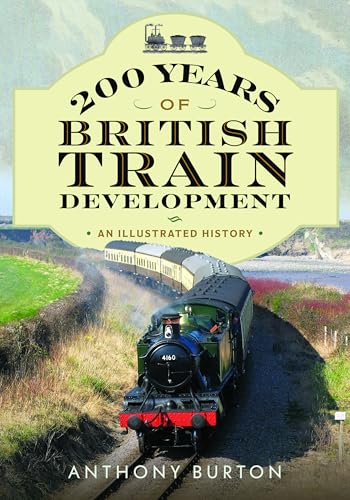
- Covers passenger carriages and freight wagons
- Explains travel classes, special trains, and accidents
- Includes preserved railways and modern container trains
Best For: Readers who want a rolling-stock-focused British railway history
Steam Icons Survey
Great British Steam Locomotives that Made History

- Profiles landmark locomotives from Penny-darren to Tornado
- Links engine milestones to railway history
- Covers early steam, famous express engines, and modern new-builds
Best For: Readers who want a locomotive-led British railway history
Photographic Steam Showcase
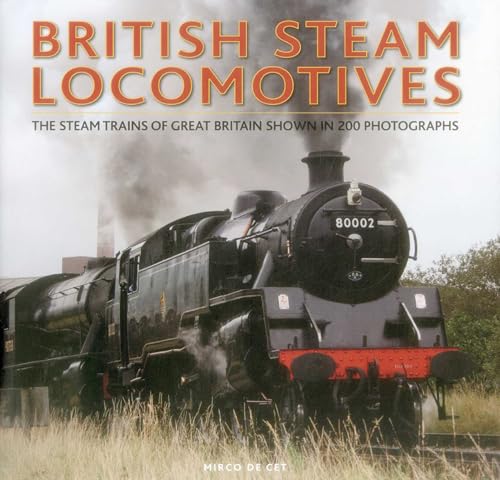
- Features 200 photographs of British steam locomotives
- Highlights heritage lines across the country
- Large-format book designed for visual browsing
Best For: Readers who want a photo-heavy British steam locomotive overview
Postwar-era overview – The Times British Railways: An Illustrated History 1948-1994
If you want British railway history books that focus on the modern national network, this illustrated history is a strong fit. Julian Holland covers British Railways from nationalization in 1948 through the British Rail era and into privatization, with a clear emphasis on major changes in operations, branding, and rolling stock.
Best For: Readers who want a visual, easy-to-follow history of British Rail from 1948 to privatization.
Pros:
- Tracks the story of British Railways from birth to privatization
- Fully illustrated and broad in scope, with many major topics covered
- Includes locomotives, branch lines, boat trains, accidents, and trainspotting culture
Cons:
- Focuses on the 1948-1994 period rather than the full railway story
- Likely better for general readers than for highly specialized research
This is a practical pick if you want a single-volume guide to the postwar railway era, especially one that balances history with plenty of illustrations and familiar milestones.
Big-picture social history – The Railways: Nation, Network and People
Among British railway history books, this is one of the most wide-ranging options for readers who want the network in its social and cultural context. Simon Bradley looks at nearly 200 years of railways, combining architecture, engineering, passenger experience, work, safety, crime, tourism, and social change in a single substantial volume.
Best For: Readers who want a deep, expansive history of Britain’s railways and their impact on society.
Pros:
- Spans nearly 200 years of railway history
- Connects railways with architecture, engineering, and social life
- Uses fresh research and cultural references to build the narrative
- Large 768-page format for readers who want depth
Cons:
- Very long book, so it may feel heavy for casual browsing
- More encyclopedic than a quick introduction
If you want a serious, comprehensive railway read rather than a slim illustrated survey, this title stands out for its breadth and its attention to how railways shaped Britain.
Lavish anniversary guide – Bradley's Railway Guide: Two Centuries of British Railway History
Bradley's Railway Guide: A journey through two centuries of British railway history, 1825-2025
Check Price On AmazonThis is a strong choice if you want British railway history books that are both approachable and richly illustrated. Simon Bradley traces two centuries of rail development from the Stockton & Darlington Railway in 1825 to the present day, using short, engaging entries that move easily between famous themes and lesser-known details.
Best For: Readers who want a beautifully illustrated, highly digestible two-century railway history.
Pros:
- Covers the full story from 1825 to 2025
- Lavishly illustrated and designed for easy browsing
- Includes lively entries on dining saloons, collecting dogs, wartime salvage, and Rail Alphabet
- Praised as comprehensive and accessible by notable reviewers
Cons:
- Digital edition details may matter if you prefer print-specific features
- Less suited to readers wanting a dense academic style
This book works especially well as a gift or coffee-table read, since it combines strong visual appeal with a broad sweep of railway history and memorable side stories.
Route-based illustrated tour – 200 Years of Britain's Railways in 14 Journeys
If you prefer British railway history books that are organized around travel and place, this illustrated tour is a smart pick. Using 14 journeys, the book explores stations, bridges, viaducts, and the people linked to them, giving readers a visually led way to understand how the network grew over two centuries.
Best For: Readers who enjoy railway history through journeys, architecture, and illustration.
Pros:
- Builds the story around 14 varied journeys
- Focuses on stations, bridges, viaducts, and architecture
- Includes people and personalities alongside infrastructure
- Filled with stunning illustrations by the author
Cons:
- More selective in scope than a full national history
- Likely best for readers who value visual presentation heavily
This title is a good match if you want a book that blends railway history with architecture and scenery, rather than a purely chronological survey.
Design and Visual Reference – British Rail Designed 1948-1997
If you are looking for British railway history books with a strong design-and-era focus, this volume offers a large-format look at British Rail styling from 1948 to 1997. At 272 pages and 8.46 x 0.87 x 11.26 inches, it reads more like a visual reference than a slim narrative history, making it useful for readers who want to study the appearance and evolution of the postwar railway era.
Best For: Readers who want a visually rich reference on British Rail design across the nationalised era.
Pros:
- Covers British Rail design from 1948 to 1997.
- Large 11.26-inch format suits illustration-heavy reference reading.
- Substantial 272-page length for a focused historical survey.
- Published by Ian Allan Publishing, a familiar railway imprint.
Cons:
- Scope is centered on design, not a full broad railway history.
- The large size and 3.06-pound weight make it less portable.
This is a strong pick if your interest in British railway history books leans toward rolling stock presentation and the visual identity of British Rail rather than a sweeping chronological narrative.
Broad Chronology Pick – Great Britain's Railways: A New History
For readers browsing British railway history books that go beyond the usual steam-era timeline, this title offers a wide-ranging history of more than 400 years of railways in Great Britain. Colin Maggs covers early horse and gravity-worked lines, steam, electricity and diesel, plus key turning points such as amalgamation, nationalisation, and privatisation, making it a practical choice if you want a single volume with broad historical coverage.
Best For: Readers who want a comprehensive, long-span history of British railways.
Pros:
- Covers over 400 years of British railway history.
- Includes early lines, steam, electric, and diesel eras.
- Discusses major changes like amalgamation, nationalisation, and privatisation.
- Includes more than 200 photographs of rolling stock, architecture, and ephemera.
Cons:
- At 608 pages, it may feel substantial for casual readers.
- Focuses on breadth, so some topics may be covered in overview form.
This is the best all-round option here if you want one of the most comprehensive British railway history books in the group, with strong visual support and a wide historical frame.
Steam Locomotive Survey – Classic British Steam Locomotives
If your version of British railway history books means locomotives first, this book provides a focused survey of classic British steam. It spans roughly 150 years and profiles 85 classes, pairing historical context with technical background, key facts, figures, and detailed illustrations. That makes it a solid pick for readers who want a structured overview of Britain’s steam locomotives rather than a general railway narrative.
Best For: Readers who want a compact, class-by-class guide to British steam locomotives.
Pros:
- Profiles 85 locomotive classes across about 150 years.
- Includes historical and technical overviews for each period.
- Contains a glossary and detailed illustrations.
- Covers pioneers, record-breakers, wartime engines, and post-war standards.
Cons:
- Only 192 pages, so coverage is selective rather than exhaustive.
- Specialist steam focus may not suit readers seeking broader railway history.
This is a useful choice if you want a concise reference-style addition to your British railway history books shelf, especially for the evolution of steam locomotive design and performance.
Rolling Stock Spotlight – 200 Years of British Train Development
If you are comparing British railway history books and want a title focused on the vehicles behind the trains, this illustrated survey offers a clear angle. It traces the development of passenger carriages and freight wagons from the earliest railways through to modern stock, with attention to travel classes, special trains, accidents, and preserved railways.
Best For: Readers who want a rolling-stock-focused overview of British railway history rather than a locomotive-led narrative.
Pros:
- Looks at both passenger vehicles and goods wagons across 200 years of change
- Includes sections on special trains, everyday coaches, and train travel experience
- Covers freight evolution from loose-coupled wagons to container trains
- Touches on preserved railways that recreate the steam era
Cons:
- Not the best fit if you mainly want locomotive portraits and technical locomotive detail
- At 112 pages, it is a relatively compact overview
This is a practical pick if you want a concise illustrated history that explains how British rail travel changed through the rolling stock itself. It is especially useful for readers interested in the everyday experience of railways, not just the engines out front.
Steam Icons Survey – Great British Steam Locomotives that Made History
Great British Steam Locomotives that Made History: The Story of Railways in Britain
Check Price On AmazonAmong British railway history books, this title is aimed at readers who want the landmark steam locomotives and the broader story that grew around them. It moves from early pioneers like the Penny-darren and Locomotion No.1 through to Rocket, North Star, Flying Scotsman, Mallard, Britannia, and Tornado, while charting railway development across Britain.
Best For: Readers who want a compact history built around Britain’s most significant steam locomotives.
Pros:
- Profiles many famous and historically important British steam locomotives
- Connects locomotive milestones to wider railway history
- Covers early steam through to new-build Tornado
- Offers a focused story of steam-era innovation and public fascination
Cons:
- Best suited to steam-locomotive interest rather than broader railway subjects
- Small-format, 11.1-ounce book may feel modest for readers wanting deep technical detail
If you want a readable overview of the locomotives that helped define British railways, this is a strong choice. It balances the history of the machines with the wider railway story, making it a good entry point for enthusiasts and casual readers alike.
Photographic Steam Showcase – British Steam Locomotives
British Steam Locomotives: The Steam Trains Of Great Britain Shown In 200 Photographs
Check Price On AmazonIf your shortlist of British railway history books leans toward visual browsing, this 200-photograph overview is the most image-led option in the group. It presents different locomotives from British heritage lines across the country, making it useful for readers who prefer a broad photographic survey of preserved steam.
Best For: Readers who want a large-format, photo-heavy introduction to British steam locomotives.
Pros:
- Includes 200 photographs for strong visual reference
- Focuses on locomotives from British heritage lines
- Large 10.33-inch format suits browsing and display
- Good fit for readers interested in preserved steam trains
Cons:
- Supplied notes are brief, so subject depth is hard to judge
- More of a photographic overview than a detailed historical study
This book makes sense if you want pictures first and commentary second. It should appeal to enthusiasts looking for a broad, attractive survey of steam locomotives on heritage railways rather than a deeply analytical history.
How We Picked These British Railway History Books
We looked for books that balance historical accuracy, readability, and production quality. Priority went to titles with strong editorial credibility, useful dates and context, and formats that suit different buyers, from casual readers to serious railway historians. We also considered how well each book covers the wider story of Britain’s rail network, steam era, design history, and modern legacy.
Quick Comparison
Broad national histories are the best fit if you want the full picture of how railways changed Britain. Illustrated histories and photo-led books work better for visual learners and gift buyers. If your interest is more specific, choose books focused on locomotives, steam era engineering, or a narrower historical period. For collectors, presentation, image quality, and depth of detail often matter as much as the subject itself.
Key Buying Factors for British Railway History Books
Scope and Time Period
Some British Railway History Books cover the entire arc from the early 1800s to the present, while others focus on nationalisation, steam, or post-war design. Match the scope to the reader’s interests so the book feels comprehensive rather than overly broad.
Text Versus Images
If the book is for reference or deep reading, choose a text-heavy title with strong chronology and analysis. If it is for display, gifting, or casual browsing, an illustrated volume with maps, photographs, and design visuals may be more satisfying.
Depth of Historical Detail
Look for books that explain not just locomotives and routes, but also the social and economic impact of railways. The best British Railway History Books connect engineering developments with passenger travel, freight, policy, and national change.
Audience and Readability
Some readers want an accessible overview; others want specialist terminology and technical detail. A well-judged book should suit the intended audience without assuming too much prior knowledge.
Who Should Buy Which British Railway History Books?
If you are buying for a general reader, choose a broad, well-illustrated history with a clear narrative. For steam enthusiasts, a locomotive-focused title is usually the safest bet. For collectors and long-time hobbyists, a more specialist or design-led book may offer better long-term value. If you are unsure, pick one of the broader British Railway History Books that combines strong visuals with a clear national story.
For gifts, the safest choice is usually a beautifully produced book with strong photography and an accessible structure. For serious research, look for the most detailed and historically ambitious title in the list.