When it comes to helping kids understand their emotions, choosing the right books can make all the difference. These titles not only introduce feelings but also teach children how to express them effectively. You’ll find engaging stories and interactive elements that spark meaningful conversations. Curious about which books stand out and how they can benefit your little ones? Let’s explore some top picks that can enhance emotional intelligence in fun and engaging ways.
A Little SPOT of Feelings 8 Book Box Set (Books 25-32)
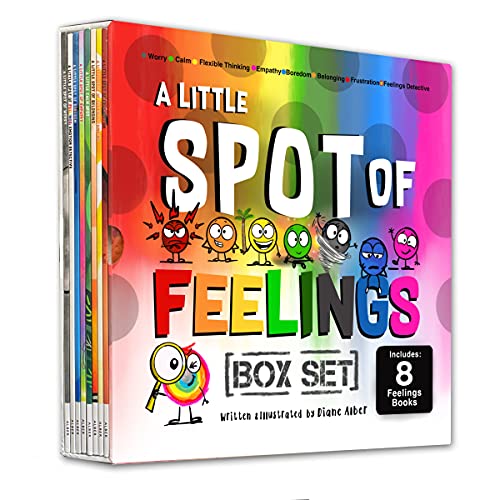
The “A Little SPOT of Feelings 8 Book Box Set (Books 25-32)” is an excellent choice for kids, especially those with emotional regulation challenges like ASD and ADHD. This set helps you teach your child about emotions such as empathy, frustration, and worry. Each book provides clear explanations, relatable examples, and vibrant illustrations, making complex feelings easier to grasp. You’ll find interactive activities that promote bonding and engagement, while adorable stuffed spots serve as visual aids. Highly recommended by parents and educators, this set enhances your child’s ability to articulate feelings and manage emotional challenges effectively. It’s a must-have for emotional education!
Best For: Children with emotional regulation challenges, such as those with ASD and ADHD, as well as parents and educators seeking to enhance emotional literacy.
Pros:
- Provides clear explanations and relatable examples of complex emotions.
- Encourages bonding and engagement through interactive activities and visual aids.
- Highly recommended by parents and educators for promoting emotional intelligence.
Cons:
- Some concerns about American spelling may affect international readers.
- May not address every emotional challenge in depth.
- The set may require adult guidance for optimal engagement, especially with younger children.
A Little SPOT Emotional Regulation Box Set (Books 49-56)

For parents seeking a powerful tool to enhance their child’s emotional intelligence, the A Little SPOT Emotional Regulation Box Set is a standout choice. This set includes eight engaging titles like Peaceful Hands, Anger Shield, and Positive Thinking, designed to help kids understand and manage their emotions. Parents rave about the positive impact these books have on their children’s emotional vocabulary and comprehension. Many find that incorporating these stories into daily routines fosters meaningful discussions about feelings. Additionally, the quality artwork and included activities make learning enjoyable, making this box set a must-have for any home or educational setting.
Best For: Parents, educators, and childcare professionals looking to improve children’s emotional intelligence and regulation skills.
Pros:
- Engaging stories that make learning about emotions enjoyable for children.
- High-quality artwork and included activities enhance the reading experience and promote interaction.
- Positive feedback from parents highlights significant improvements in children’s emotional vocabulary and understanding.
Cons:
- Some parents may find the content more suitable for younger children, limiting its age range effectiveness.
- The set may require parental involvement to facilitate discussions, which some caregivers might find challenging.
- Availability may vary, making it difficult for some families to purchase the complete set.
A Little SPOT of Emotion 8 Plush Toys with Feelings Book Box Set

Introducing a delightful way for kids to connect with their feelings, the “A Little SPOT of Emotion 8 Plush Toys with Feelings Book Box Set” stands out as an ideal resource for children aged 4-10. This set includes eight plush toys, each representing a different emotion, paired with an illustrated book that’s easy to understand. These toys help kids identify and express their feelings, making them especially useful in therapeutic settings. Educators also appreciate them for promoting emotional awareness in classrooms. While some users wish for more books, the set’s long-term benefits for emotional development are undeniable.
Best For: Children aged 4-10 who need support in identifying and expressing their emotions, as well as educators and therapists looking for effective emotional development tools.
Pros:
- Engaging plush toys provide a tactile way for children to connect with their emotions.
- Beautifully illustrated books enhance understanding and relatability for kids.
- Effective in both therapeutic settings and educational environments, promoting emotional literacy.
Cons:
- Some users were disappointed that the set includes only one book instead of eight.
- Concerns about value for price have been noted by certain customers.
- Reports of missing plush toys have affected the overall experience for some users.
Me and My Feelings: A Kids Guide to Understanding and Expressing Themselves

“Me and My Feelings: A Kids Guide to Understanding and Expressing Themselves” stands out as a fantastic resource for young readers exploring the often confusing world of emotions. This book helps you understand and label your feelings, making it easier to talk about both the good and the challenging ones. With quizzes and exercises, it encourages meaningful conversations and promotes emotional growth. Plus, sharing this journey with your parents creates a safe space for discussion. Recommended by parents and educators alike, it’s perfect for all ages, helping you navigate your emotions effectively and improving communication along the way.
Best For: Children of various ages who are looking to understand and express their emotions more effectively.
Pros:
- Engaging quizzes and exercises promote meaningful conversations about emotions.
- Encourages parental involvement, fostering a safe space for emotional discussions.
- Highly recommended by parents, therapists, and educators for its clear vocabulary and colorful design.
Cons:
- May not resonate with all children, particularly those who are less open to discussing feelings.
- Some parents may find the content too simplistic for older children.
- Requires active participation from parents to maximize its benefits.
The Way I Feel

Children managing their emotions will find “The Way I Feel” an invaluable resource. This book helps kids articulate their feelings, making it easier for them to express emotions like “sad” and “angry.” With colorful illustrations, it captures their attention and encourages interactive reading. Parents often notice improved behavior after reading it, as children learn to discuss their feelings instead of acting out. Caregivers recommend it for classrooms and therapy sessions, making it a versatile tool. While some wish for more emotion words, the book lays a solid foundation for understanding and managing emotions in young children.
Best For: Parents, caregivers, and educators seeking to help young children articulate and manage their emotions effectively.
Pros:
- Engaging illustrations that capture children’s attention and encourage interactive reading.
- Helps children articulate and understand their emotions, leading to improved behavior and communication.
- Recommended by caregivers and educators as a valuable tool for emotional development in various settings.
Cons:
- Some parents wish for a broader range of emotion words included in the book.
- A desire for additional pages in the board book to cover more emotions has been expressed by some readers.
- Limited vocabulary may not fully support all aspects of young children’s emotional development.
The Color Monster: A Story About Emotions (The Color Monster, 1)

For young readers grappling with their feelings, “The Color Monster: A Story About Emotions” by Anna Llenas is a perfect choice. In this engaging tale, a colorful monster learns to identify his mixed emotions with the help of a girl. Each feeling is represented by a different color, making it easy for kids to relate and discuss their own emotions. The vibrant illustrations capture attention and encourage exploration of feelings, while the simple text appeals to toddlers and preschoolers. This book not only fosters emotional intelligence but also reignites a love for reading, making it a valuable resource for families.
Best For: Young children aged 3-7 who are learning to understand and express their emotions.
Pros:
- Engaging illustrations that capture children’s attention and encourage emotional exploration.
- Simple text that is easy for toddlers and preschoolers to comprehend, promoting early literacy.
- Promotes emotional intelligence by helping children identify and discuss their feelings in a relatable way.
Cons:
- Limited depth for older children or those seeking more complex emotional discussions.
- Repetitive structure may not hold the attention of all young readers over multiple readings.
- Cultural nuances in emotional expression may not be fully addressed, potentially limiting relatability for some audiences.
The Feelings Monsters: Children’s Book About Emotions and Feelings

The Feelings Monsters is perfect for preschoolers aged 3-5, offering a colorful and engaging way to explore emotions. With adorable, color-coded illustrations, these lovable monsters help kids learn about feelings like love, anxiety, and worry. You’ll appreciate how it teaches emotional regulation and provides strategies to manage and accept emotions. Though some vocabulary may challenge younger readers, it’s beneficial as they grow. This fast and enjoyable read is great for bedtime or mealtime. While some reviews mention quality concerns, the book remains a valuable tool for fostering emotional intelligence in your little ones. Consider the hardback version for better durability.
Best For: Preschool children ages 3-5 who are learning to understand and articulate their emotions.
Pros:
- Adorable, color-coded illustrations that enhance engagement and help teach emotions.
- Offers strategies for emotional regulation and acceptance of feelings.
- Fast and enjoyable read, making it ideal for bedtime or mealtime.
Cons:
- Some vocabulary may be challenging for younger readers, particularly 2-year-olds.
- Reviews mention concerns about material quality and packaging issues.
- Considered a bit expensive for its size, leading to mixed value perceptions.
Roaring Mad Riley: An Anger Management Story for Kids

Roaring Mad Riley: An Anger Management Story for Kids stands out as an exceptional choice for young readers grappling with big feelings. Kids engage with Riley’s journey through vibrant illustrations and relatable emotions. Techniques like the bowl of soup help children manage anger effectively, making it a useful resource for parents and educators alike. Though some kids might initially deny their feelings, many eventually learn to recognize and tackle their emotions. With positive feedback from therapists and parents, this book is highly recommended for any child’s library, especially those facing emotional challenges. It truly fosters valuable discussions about feelings.
Best For: Young readers aged 3 to 5 who are learning to manage their emotions and develop anger management skills.
Pros:
- Engaging illustrations and relatable story that captivates children’s attention.
- Teaches effective anger management techniques that resonate with children and parents alike.
- Positive feedback from therapists and educators highlights its educational value and utility.
Cons:
- Some children may initially struggle to recognize their feelings, potentially leading to denial about their anger.
- Effectiveness of the strategies may vary among children, with no guaranteed results for every child.
- A few parents noted that they shouldn’t expect immediate miracles from the techniques introduced.
The Feelings Activity Book for Toddlers

Packed with engaging activities, “The Feelings Activity Book for Toddlers” is perfect for parents looking to help their little ones navigate the complex world of emotions. Aimed at children aged 12-36 months, it’s especially beneficial for 2-year-olds grappling with big feelings. You’ll find fun, age-appropriate activities that promote creativity and emotional understanding, making rainy days enjoyable. This book not only educates your toddler but also fosters communication about feelings, enhancing emotional intelligence. Many parents rave about its usefulness, though some note that it may be too advanced for younger toddlers. Overall, it’s a valuable resource for early emotional development.
Best For: Parents of toddlers aged 12-36 months looking to enhance their child’s emotional understanding and communication skills.
Pros:
- Engaging and fun activities that help toddlers identify and manage their feelings.
- Promotes emotional intelligence and communication between parents and children.
- Ideal for filling rainy days with creative and educational play.
Cons:
- Activities may be too advanced for younger toddlers, particularly those under 16 months.
- Some parents reported delivery issues, such as damaged books upon arrival.
- Not all activities may be suitable for every child, requiring parental guidance.
Thought-Spot Emotions Chart for Kids
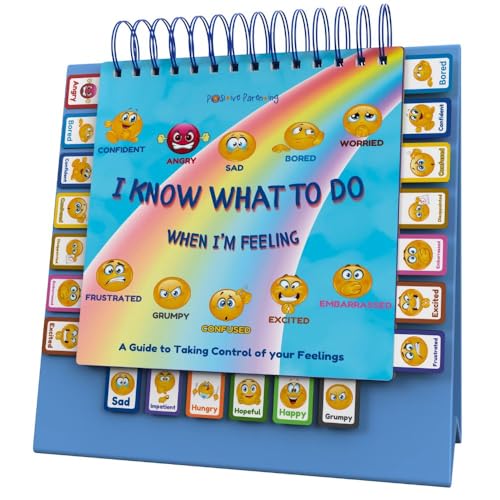
Designed specifically for children with autism or ADHD, the Thought-Spot I Know What to Do Flipbook is an invaluable resource for helping kids identify and communicate their feelings. This flipbook features 20 emotions, each presented on durable, laminated pages with large text for easy reading. With a built-in stand and user-friendly tabs, it’s perfect for homes or classrooms. Each page includes simple coping strategies, fostering emotional resilience and self-awareness. Parents and educators appreciate its effectiveness, noting improvements in emotional expression and self-regulation. With a high customer rating, it’s a must-have tool for supporting children’s emotional development.
Best For: Children with autism or ADHD who need support in identifying and communicating their feelings.
Pros:
- Durable laminated pages ensure longevity and withstand frequent handling.
- Includes simple coping strategies to help children manage emotions effectively.
- Highly rated by parents and educators for enhancing emotional expression and self-regulation.
Cons:
- Some users suggest that certain components could benefit from additional reinforcement.
- Limited to 20 emotions, which may not cover all feelings children experience.
- May require adult supervision for younger children to navigate and utilize effectively.
Factors to Consider When Choosing Books About Emotions for Kids
When you’re picking books about emotions for kids, you should consider several key factors. Age appropriateness, engaging illustrations, and emotional complexity can make a big difference in how well the child connects with the material. Also, look for interactive elements and practical applications that help reinforce what they learn.
Age Appropriateness
Choosing age-appropriate books about emotions for kids is crucial because children’s understanding of feelings evolves as they grow. For toddlers aged 1-3, look for books that use simple language and bright illustrations to introduce basic emotions like happy and sad. As kids move into preschool (ages 3-5), they can handle more complex feelings and even some coping strategies. For children aged 4-6, opt for books that include activities and discussions that help with emotional identification and regulation. As they grow older, books should explore mixed emotions and offer advanced techniques for expressing and managing feelings. Selecting the right age range guarantees the content resonates with their experiences, fostering meaningful discussions about emotions.
Illustrations and Design
Illustrations play an essential role in making books about emotions engaging for kids. Vibrant colors and expressive characters capture their attention and encourage interaction. Look for color-coded designs that help teach emotional concepts, making it easier for your child to connect specific feelings with visuals. Detailed illustrations can express various emotions, allowing kids to recognize and articulate their own feelings through relatable imagery. Simple yet appealing formatting enhances the reading experience, making it enjoyable and encouraging repeated revisits. High-quality illustrations not only entertain but also contribute to the book’s educational value, facilitating discussions about emotions and supporting your child’s emotional learning. So, choose books that feature engaging and thoughtful illustrations to foster emotional intelligence.
Emotional Complexity
Understanding emotional complexity is essential as kids navigate their feelings, often experiencing a mix of emotions simultaneously. When choosing books about emotions, look for stories that provide relatable examples reflecting these nuanced experiences. Books that normalize varied emotions can empower your child to understand and articulate their feelings more effectively. It’s also important that the stories include discussions on identifying and managing complex emotions, helping kids develop coping strategies and emotional regulation skills. Engaging illustrations and relatable narratives simplify these concepts, making them accessible for young readers. By selecting books that highlight emotional complexity, you’ll foster your child’s emotional intelligence and resilience, equipping them with the tools to navigate their emotional landscape.
Interactive Elements
Books that incorporate interactive elements can make exploring emotions even more engaging for kids. Look for titles that include quizzes, exercises, or activities that spark meaningful conversations about feelings. Plush toys or visual aids can enhance the experience, allowing children to connect with their emotions through tactile interactions. Vibrant illustrations and relatable examples capture their attention, making emotional learning enjoyable. Additionally, books that feature activities at the end encourage parents and kids to practice emotional regulation techniques together, fostering bonding and open communication. Consider interactive formats like flipbooks or charts with mood tabs, which help children navigate and identify different emotions, ultimately supporting their emotional literacy and self-awareness.
Practical Application
Choosing the right books about emotions for kids can be a rewarding experience, especially when you keep a few key factors in mind. First, verify the content matches your child’s age; some books suit toddlers, while others are better for older kids. Look for interactive elements like activities or plush toys that boost engagement and help kids express their feelings. Assess each book’s educational value—check for coping strategies or exercises that teach emotional management. Relatable illustrations and storytelling can spark meaningful conversations between you and your child. Finally, read user feedback and testimonials to find books that effectively enhance emotional vocabulary and regulation skills, guiding you towards choices that resonate with your child’s experiences and needs.