If you’re new to birding, the right book can make every walk more rewarding. The best birdwatching books for beginners explain common species clearly, keep identification simple, and help you build confidence fast.
Below, we’ve focused on approachable field guides, backyard bird books, and region-specific picks that are easy to use in the field or at home.
Best 10 Birdwatching Books for Beginners Picks for 2026
Beginner-Friendly Field Guide
North American Bird Watching for Beginners

- Covers 150 North American species
- Explains birding basics and equipment
- Simple sections for quick lookup
Best For: New birders who want an easy field guide for common North American birds
Pocket ID Guide
Stokes Beginner's Guide to Birds: Eastern Region
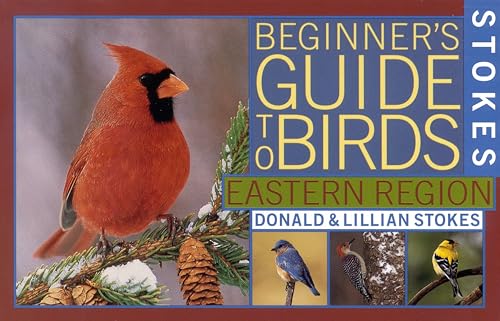
- Pocket-size guide for Eastern birds
- Organized by plumage color for fast lookup
- Includes feeder and habitat tips
Best For: Beginners in the Eastern U.S. who want a compact bird ID guide
Photo-Heavy Starter Guide
North America Bird Watching for Beginners

- Full-color photos and illustrations
- Covers ID, calls, behavior, and attraction tips
- Includes owls, hawks, and yard birds
Best For: Beginners who learn best from pictures and want a quick visual guide
Comprehensive Regional Handbook
Smithsonian Handbooks: Birds of North America -- Eastern Region

- Covers 706 species in the East
- Annotated photos, artworks, and range maps
- Strong detail on songs, behavior, and nesting
Best For: Beginners and serious birders in the Eastern region who want a thorough reference
Midwest Backyard Starter Pick
Stan Tekiela’s Birding for Beginners: Midwest

- Backyard setup tips on feeders, seed, and bird-friendly yards
- 55 common Midwestern birds organized by color
- Full-page photos plus field marks and naturalist notes
Best For: New Midwest birders who want a simple backyard-focused introduction
Classic Field Guide Choice
Peterson Field Guide To Birds Of Eastern & Central North America
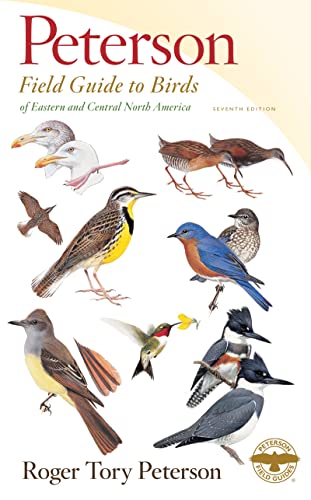
- Famous Peterson Identification System
- Updated range maps and revised text
- Suitable for backyard watchers and advanced birders
Best For: Beginners who want a trusted, traditional ID guide
Best All-Around Backyard Guide
National Geographic Backyard Guide to the Birds of North America

- Covers 150 common North American birds
- Backyard Basics section on attracting and feeding birds
- Includes range maps, behavior notes, and vocal descriptions
Best For: Casual beginners who want a broad, practical backyard guide
Beginner Field Starter
North America Birdwatching Complete Guide

- 200+ North American species
- Full-color illustrations plus bird sounds
- Simple ID tips and practical birding advice
Best For: Absolute beginners and families
Backyard Beginner Pick
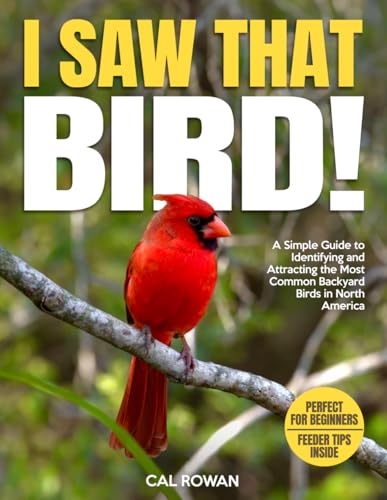
- 90+ common backyard birds
- Full-color photos and simple ID tips
- Feeder and food advice for attracting birds
Best For: New birders watching from home
Field Notebook Guide

- 150 North American species
- Photo profiles with behavior and song notes
- Includes log sheets for field observations
Best For: Beginners who want to track sightings
Beginner-Friendly Field Guide – North American Bird Watching for Beginners
If you’re looking for birdwatching books for beginners, this compact field guide is a practical starting point. It introduces the basics of bird watching, explains what equipment to have on hand, and helps you log and submit sightings while covering 150 North American species with full-color photos and simple organization.
Best For: New birders who want a straightforward pocket guide to common North American species.
Pros:
- Covers 150 species with full-color photos and key identification details
- Includes beginner basics like terminology, equipment, and sighting logs
- Organized into easy sections for backyard birds, songbirds, shorebirds, waterbirds, and raptors
Cons:
- Focused on North American birds rather than broader global coverage
- At 176 pages, it is compact rather than exhaustive
This is a solid starter guide if you want a simple, field-ready introduction without a lot of clutter. Its beginner-friendly structure makes it easy to carry and use on casual outings.
Pocket ID Guide – Stokes Beginner's Guide to Birds: Eastern Region
For birdwatching books for beginners, this pocket-size guide is built for quick identification in the Eastern United States. It uses clear color photographs, range maps, and a unique organization by plumage colors, while also giving practical tips for attracting and observing birds in your yard and nearby habitats.
Best For: Beginners in the Eastern U.S. who want a small, easy-reference bird ID book.
Pros:
- Simple-to-use layout organized by birds’ plumage colors
- Full-color photographs and separate male/female images when needed
- Includes tips on feeders, habitat, voice, behavior, and nesting details
Cons:
- Covers 100 species, so it is narrower than larger regional handbooks
- Older publication may feel less current than newer guides
This guide works well as a compact companion for backyard birding and first-time identification. It balances visual reference with useful observing tips, which makes it especially approachable for beginners.
Photo-Heavy Starter Guide – North America Bird Watching for Beginners
If you want birdwatching books for beginners with big visuals, this full-color field guide is designed to make bird ID feel less confusing. It focuses on North America and emphasizes stunning photos and illustrations, plus practical guidance on identifying birds, understanding songs and calls, attracting birds to your yard, and spotting owls and hawks.
Best For: New birders who prefer a visual, photo-driven guide with quick-start advice.
Pros:
- Full-color edition with high-quality pictures and illustrations
- Covers identification, songs, calls, behavior, and bird-attracting tips
- Includes sections on elusive birds like owls and hawks
Cons:
- At 102 pages, it is short and not deeply comprehensive
- Marketing-heavy language suggests style over depth
This book is best suited to beginners who want a bright, visual introduction rather than a dense reference. Its simple, photo-forward approach should make early birdwatching outings feel more approachable.
Comprehensive Regional Handbook – Smithsonian Handbooks: Birds of North America — Eastern Region
Smithsonian Handbooks: Birds of North America -- Eastern Region (Smithsonian Handbooks)
Check Price On AmazonAmong birdwatching books for beginners, this is the most detailed option here for the Eastern Region. It covers 706 species with annotated photographs, artworks, range maps, and concise life-history notes, making it a strong choice if you want a beginner-friendly guide that also doubles as a deep reference.
Best For: Beginners and dedicated birders in the Eastern U.S. and Canada who want thorough coverage.
Pros:
- Covers 706 species with full-page profiles and clear field marks
- Shows similar species side by side to help with identification
- Includes songs, behavior, nesting, migration, and range maps
Cons:
- Much larger and heavier than a pocket field guide
- May be more detail than a casual beginner needs at first
This handbook is ideal if you want one guide that can grow with you as your skills improve. It is less portable than the others, but the depth and clarity make it a very capable identification tool.
Midwest Backyard Starter Pick – Stan Tekiela’s Birding for Beginners: Midwest
If you’re looking for birdwatching books for beginners with a simple, local approach, this Midwest-focused guide makes it easy to start spotting birds around feeders and backyards. It begins with practical basics on feeders, birdseed, bird-friendly yard setup, and even DIY bird food, then moves into an identification section for 55 common Midwestern birds organized by color.
Best For: New birders in the Midwest who want a beginner-friendly mix of backyard setup tips and easy ID help.
Pros:
- Starts with clear how-to advice on feeders, food, and attracting birds
- Uses color-based organization to make quick identification simpler
- Includes full-page photos with key field marks and naturalist notes
- Focused on 11 Midwestern states, so the coverage feels relevant and practical
Cons:
- Regional scope is limited to the Midwest
- Covers 55 birds, so it is not a comprehensive field encyclopedia
This is a strong choice if you want an approachable first bird book that combines setup advice with easy visual identification. It’s especially useful for people who expect to learn from their own backyard before moving on to broader guides.
Classic Field Guide Choice – Peterson Field Guide To Birds Of Eastern & Central North America
For birdwatching books for beginners who want a trusted reference they can keep using as they learn, this Peterson field guide is a classic option. It uses the well-known Peterson Identification System, updated range maps, and revised text and illustrations to help birders identify species across Eastern and Central North America.
Best For: Beginners who want a traditional field guide with a proven identification system and broad regional coverage.
Pros:
- Uses the famous Peterson Identification System for quick visual ID
- Updated range maps reflect current bird distribution and migration routes
- Revised text and illustrations reflect newer ornithology knowledge
- Works for backyard bird watchers and more advanced users alike
Cons:
- More reference-oriented than beginner-friendly how-to books
- Focused on Eastern and Central North America rather than all regions
If you want one of the most established bird ID books, this edition is a dependable pick. It’s best when you’re ready for a more complete field guide that can grow with your skills.
Best All-Around Backyard Guide – National Geographic Backyard Guide to the Birds of North America
This is one of the most practical birdwatching books for beginners if you want a broad backyard guide with approachable organization. It covers 150 common and interesting North American birds, pairs them with identification tips, behavior, vocal descriptions, range maps, and includes a Backyard Basics section with advice on attracting birds and creating bird-friendly landscapes.
Best For: Casual beginners and returning birdwatchers who want a well-rounded backyard guide with extra help on attracting birds.
Pros:
- Covers 150 common North American birds, offering broader scope than many beginner guides
- Includes a Backyard Basics section with feeding and habitat tips from Noah Strycker
- Combines identification advice, behavior notes, vocal descriptions, and range maps
- Modern redesign and updated descriptions make it easy to use
Cons:
- Less specialized than a region-specific beginner guide
- Not as narrowly focused on a single area as some local bird books
For most new birders, this is the most balanced option in the group because it mixes identification and practical backyard advice. It’s a smart pick if you want one book that feels useful right away without being overly technical.
Beginner Field Starter – North America Birdwatching Complete Guide
If you want birdwatching books for beginners that make identification feel manageable, this guide focuses on 200+ North American species with full-color illustrations, bird sounds, and simple techniques. It is built for readers who want a clear starting point, with practical tips on gear, observation spots, and seasonal birding.
Best For: Absolute beginners, families, teachers, and nature lovers who want a straightforward introduction to North American birds.
Pros:
- Covers 200+ North American species in an updated format.
- Includes full-color illustrations and authentic bird sounds for each species.
- Explains habitat, behavior, migration, and fun facts in beginner-friendly language.
- Offers simple ID techniques plus practical birdwatching tips.
Cons:
- At 92 pages, it is a compact guide rather than a deep reference work.
- Focused on North America, so it is not a global birding book.
This is a strong pick if you want a beginner-first birdwatching guide that mixes visual identification with sound and simple field advice. It should work especially well for new birders who want an approachable book they can actually use outdoors.
Backyard Beginner Pick – I Saw That Bird!
For shoppers comparing birdwatching books for beginners, this handbook keeps things simple with 90+ common North American backyard birds, full-color photographs, and clear identification tips. It is designed for people who want to start birdwatching from a feeder, porch, garden, or window without needing extra gear or complicated jargon.
Best For: Brand-new birders, homeowners, and casual nature lovers who want an easy backyard bird guide.
Pros:
- Covers 90+ common backyard birds across North America.
- Uses full-color photos and simple ID tips for quick recognition.
- Includes feeder and food advice to help attract more birds.
- Written in beginner-friendly language with a quick-reference format.
Cons:
- Focused on common backyard birds rather than a wider field-guide scope.
- Does not rely on apps, checklists, or advanced birding tools.
This book is a good fit if you want a low-pressure way to start identifying birds around home. It is especially appealing for readers who value simplicity, photos, and practical backyard advice over a more technical field guide.
Field Notebook Guide – 150 Birds of North America
This option stands out among birdwatching books for beginners because it combines 150 North American species with photo-based ID help, behavior notes, bird sounds, and included log sheets. It is aimed at readers who want a practical field companion that helps them identify birds quickly and keep track of what they see.
Best For: Beginner birders, students, and outdoor enthusiasts who want a field-ready guide with note-taking tools.
Pros:
- Profiles 150 North American species with full-color photos.
- Includes size, song, behavior, feeding habits, and best observation season.
- Covers major habitats with seasonal and regional insights.
- Built-in log sheets make it easy to record sightings and field notes.
Cons:
- Less species coverage than broader guides with 200+ entries.
- The log-sheet format may be more useful to active note-takers than casual readers.
If you want a beginner field guide that goes beyond basic pictures and names, this is a practical choice. The combination of identification, behavior, and log sheets makes it especially useful for birders who want to learn by observing and recording.
How We Picked These Birdwatching Books for Beginners
We prioritized beginner-friendly language, clear organization, useful visuals, and practical identification support. That means strong species coverage, readable layout, and features that actually help new birders in real-world use, such as range maps, photos or illustrations, feeder tips, and quick-ID cues.
We also looked for books that suit different learning styles. Some readers learn best from detailed photos, while others prefer classic field-guide illustrations or a backyard-focused approach. A good starter book should lower confusion, not add it.
Quick Comparison: Which Type of Guide Fits You Best?
If you want broad coverage and plan to bird beyond your yard, a regional field guide is usually the smartest starting point. If you mostly watch feeders or backyard visitors, a beginner guide with common species and feeding advice may be more useful. Photo-heavy books can feel more approachable, while illustration-based guides often make subtle field marks easier to compare.
Key Buying Factors for Birdwatching Books for Beginners
Region Matters
Choose a book for your area whenever possible. Eastern, Midwest, and broader North American guides vary in relevance, and a region-specific book will usually help you identify local birds faster.
Photos Vs. Illustrations
Photos are intuitive and appealing, especially for first-time birders. Illustrations can be better for showing exact field marks, posture, and seasonal differences. Many beginners benefit from a mix of both styles across their library.
Range Maps and ID Tips
Look for updated range maps, size comparisons, habitat notes, and quick visual clues. These are the details that turn a guess into a confident identification.
Backyard Vs. Field Use
Some Birdwatching Books for Beginners are ideal for porches, feeders, and suburban yards. Others are built for hikes, parks, and travel. Pick the format that matches where you’ll actually be birding most often.
Who Should Buy Which Birdwatching Books for Beginners?
New birders who want a classic all-purpose guide should lean toward a traditional field handbook. Backyard watchers may prefer a simpler, more approachable book centered on common birds and feeder behavior. If you want visual clarity above all, choose a photo-rich title. If you plan to identify birds across seasons and habitats, a more comprehensive regional guide is the better long-term investment.
For most buyers, the best choice is the book you’ll open often. The strongest Birdwatching Books for Beginners are the ones that make identification easier, encourage regular use, and help you learn one bird at a time.