Automotive electrical problems can be some of the hardest issues to diagnose, especially when symptoms overlap across batteries, charging systems, sensors, wiring, and modules.
This roundup of the best automotive electrical repair books for 2026 focuses on clear troubleshooting methods, practical repair guidance, and books that help both beginners and experienced techs work faster and smarter.
Best 10 Automotive Electrical Repair Books Picks for 2026
Classic Troubleshooting Guide
How to Diagnose and Repair Automotive Electrical Systems

- Explains Ohm’s Law and 12-volt systems
- Covers wiring diagrams and common faults
- Includes tools like multimeters and lab scopes
Best For: Classic and collectible car owners
Shop-Ready Testing Manual
LOADpro Electronic Specialties 182 Fundamental Electrical Troubleshooting Book

- Written by a mechanic for hands-on testing
- Explains voltage drop, corrosion, and schematics
- Applies to automotive, marine, and heavy-duty systems
Best For: Technicians and DIYers needing practical troubleshooting
Advanced Diagnostics Reference
Advanced Automotive Fault Diagnosis

- Covers modern diagnostic principles and tools
- Includes 25 real-life case studies
- Built for higher-level technical study
Best For: Students and technicians building advanced fault-finding skills
Modern Electrical Systems Handbook
Car electrical & electronic systems
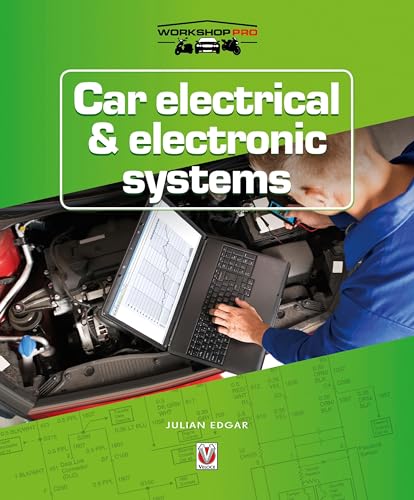
- Starts with basic circuits and builds up
- Covers OBD, multimeters, and oscilloscopes
- Includes modern control systems and upgrades
Best For: Readers wanting a practical intro to modern car electronics
Classic DIY Troubleshooting
Automotive Electrical Haynes TECHBOOK

- Covers troubleshooting, repair, maintenance, and rewiring
- Includes clear step-by-step instructions and hundreds of photos
- Compact 192-page hands-on guide for DIY work
Best For: DIYers who want a straightforward guide to diagnosing and rewiring automotive electrical systems
Technical Reference Choice
Auto Electricity and Electronics

- Covers diagnosis, testing, and service of modern systems
- Includes OBD II and advanced diagnostic procedures
- Useful for ASE A6 Electrical/Electronic Systems study
Best For: Technicians, students, and serious DIYers needing a detailed modern electrical reference
Wiring Project Guide
Automotive Electrical Handbook

- Made for restoration, race car, kit car, trailer, and street rod wiring
- Explains theory, diagrams, test tools, and troubleshooting
- Includes step-by-step harness building and installation help
Best For: Builders and restorers wiring custom or project vehicles
Enthusiast’s Guide
Automotive Wiring and Electrical Systems

- Explains voltage, amperage, resistance, and Ohm’s law
- Covers troubleshooting, circuit repair, and aftermarket installs
- Good for wiring projects, harnesses, and hot rod builds
Best For: DIY enthusiasts learning automotive wiring from scratch
Troubleshooting Basics

- Explains schematics, parts selection, and system basics
- Emphasizes test instruments and diagnostic results
- Includes diagrams, photos, and chapter quizzes
Best For: Beginners focused on diagnosis and repair fundamentals
Project Upgrades
Automotive Wiring and Electrical Systems Vol. 2

- Step-by-step project guide with color photos
- Shows upgrades for fans, gauges, and charging systems
- Includes complete aftermarket harness installation
Best For: Owners upgrading classic cars and applying wiring skills
Classic Troubleshooting Guide – How to Diagnose and Repair Automotive Electrical Systems
How to Diagnose and Repair Automotive Electrical Systems (Motorbooks Workshop)
Check Price On AmazonIf you want automotive electrical repair books that explain the basics clearly and focus on real troubleshooting, this guide is built for weekend mechanics and classic-car owners. It covers Ohm’s Law, 12-volt systems, wiring diagrams, batteries, charging and starting systems, ignition, fuel injection, and the tools used to diagnose faults.
Best For: Classic and collectible car owners who want a practical introduction to diagnosing electrical problems.
Pros:
- Explains core electrical principles in plain language
- Covers common shop tools like multimeters, voltmeters, and lab scopes
- Includes troubleshooting for wiring, grounds, and amp draws
- Illustrated Motorbooks Workshop format with step-by-step reference images
Cons:
- Focused more on fundamentals than advanced modern electronics
- Only 160 pages, so it is a relatively concise reference
This is a strong choice if you want a hands-on primer that helps take the mystery out of older vehicle electrical systems without getting overly technical.
Shop-Ready Testing Manual – LOADpro Electronic Specialties 182 Fundamental Electrical Troubleshooting Book
LOADpro Electronic Specialties 182 Fundamental Electrical Troubleshooting Book
Check Price On AmazonFor buyers comparing automotive electrical repair books with a strong shop focus, this guide stands out for its hands-on testing approach. It is written by a mechanic and explains voltage drop, corrosion causes, batteries, relays, resistors, solenoids, voltmeters, schematics, and troubleshooting methods that also apply to heavy-duty, equipment, machinery, and marine electrical systems.
Best For: Technicians and DIYers who want a practical, real-world troubleshooting reference for multiple vehicle types.
Pros:
- 200-page guide centered on real-world electrical testing
- Clear explanations of voltage drop and corrosion-related issues
- Covers batteries, relays, potentiometers, and schematics
- Useful across automotive, marine, heavy-duty, and machinery applications
Cons:
- Product notes emphasize troubleshooting more than system theory
- May feel narrow if you want a broader automotive technology overview
This is a solid pick if you want a mechanic-minded manual that leans heavily into testing methods you can use in the shop right away.
Advanced Diagnostics Reference – Advanced Automotive Fault Diagnosis
Advanced Automotive Fault Diagnosis: Automotive Technology: Vehicle Maintenance and Repair
Check Price On AmazonIf you are shopping for automotive electrical repair books that go beyond basic wiring fixes, this advanced diagnostics text is aimed at students and experienced technicians. It covers vehicle systems and components, diagnostic principles, case studies, and current tools such as scanners, pass-through devices, sensor simulators, breakout boxes, decade boxes, VCDS, and multimeter updates for HV use.
Best For: Students and technicians preparing for higher-level diagnostics courses or sharpening fault-finding skills.
Pros:
- Designed around diagnostic principles and modern fault-finding
- Includes 25 real-life case studies in the fifth edition
- Covers current diagnostic tools and higher-voltage multimeter use
- Useful for formal study and professional skill development
Cons:
- More advanced than a beginner-friendly repair guide
- Best suited to readers who already want a structured diagnostics approach
This is the most study-oriented option here, making it a good fit when you need depth, current diagnostic coverage, and a course-aligned reference.
Modern Electrical Systems Handbook – Car electrical & electronic systems
Among automotive electrical repair books, this handbook is the broadest entry point for readers who want both simple circuit basics and more advanced electronics. It starts with fundamental circuits and moves into engine management, transmission control, stability control, OBD, multimeter use, and oscilloscope-based diagnostics, while also offering practical ideas for electrical upgrades and modifications.
Best For: Readers who want a no-prior-knowledge guide that grows into modern car electronics and practical troubleshooting.
Pros:
- Starts with simple circuits and builds toward complex electronic systems
- Covers OBD, multimeters, and oscilloscope use
- Includes diagnostics for charging and lighting problems
- Useful for both repairs and hands-on modifications
Cons:
- Digital-only format may not suit readers who prefer print
- Broad scope may be more than someone needs for very basic fixes
This is a versatile choice if you want one book that bridges the gap between beginner-friendly electrical basics and newer automotive electronics.
Classic DIY Troubleshooting – Automotive Electrical Haynes TECHBOOK
If you want automotive electrical repair books that explain the basics without overwhelming jargon, this Haynes TECHBOOK is a practical place to start. It focuses on electrical system troubleshooting, repair, maintenance, and rewiring, with clear step-by-step instructions and plenty of photos to help you work through jobs yourself.
Best For: DIYers who want a straightforward guide to diagnosing, repairing, and rewiring automotive electrical systems.
Pros:
- Covers troubleshooting, repair, maintenance, and rewiring in one compact guide
- Step-by-step instructions make it easier to follow along on real projects
- Hundreds of photos support the repair process visually
- Useful for readers who want a professional-style result at home
Cons:
- At 192 pages, it is not as in-depth as larger reference texts
- Focused on hands-on repair rather than advanced electrical theory
- Best suited to practical projects, not broad certification study
This is a solid pick if you want a compact, visual guide centered on doing the work yourself. It stands out for its hands-on approach and clear presentation of core electrical repair tasks.
Technical Reference Choice – Auto Electricity and Electronics
Among automotive electrical repair books, this title is geared toward readers who want a deeper technical understanding of electrical, electronic, and computer control systems. It covers operation, diagnosis, testing, and service for modern automobiles and light trucks, including OBD II diagnostic systems and advanced diagnostic procedures.
Best For: Technicians, students, and serious DIYers who need a detailed reference for modern vehicle electrical and electronic systems.
Pros:
- Covers electrical, electronic, and computer control systems in detail
- Includes OBD II diagnostic systems and advanced diagnostic procedures
- Valuable for ASE A6 Electrical/Electronic Systems preparation
- Substantial 574-page reference for study and troubleshooting
Cons:
- More technical and extensive than a quick-start repair guide
- Likely best for readers comfortable with formal diagnostic material
- Heavier, larger format may be less convenient for casual garage use
If you need a more complete technical manual rather than a basic how-to book, this one delivers. Its emphasis on diagnosis, service, and modern onboard systems makes it especially strong for current vehicles.
Wiring Project Guide – Automotive Electrical Handbook
If your priority is wiring a project vehicle, this automotive electrical repair book is aimed right at that job. It is written for restoration projects, race cars, kit cars, trailers, and street rods, and it explains basic electrical theory, component selection, circuit diagrams, test equipment, troubleshooting, and harness building in a practical way.
Best For: Builders and restorers who want step-by-step help wiring a custom or project vehicle.
Pros:
- Targets custom wiring for restorations, race cars, kit cars, trailers, and street rods
- Explains basic electrical theory and how components work
- Includes help with circuit diagrams, test equipment, and troubleshooting
- Offers step-by-step guidance for building and installing wiring harnesses
Cons:
- Best suited to project wiring rather than general vehicle electrical repair
- Shorter 160-page length means it is not a deep technical reference
- Older publication date may matter if you need coverage of newer systems
This is a strong fit if you are wiring something from the ground up and want a book that stays focused on the job. The added diagrams, photos, and supplier list make it especially practical for hands-on builders.
Enthusiast’s Guide – Automotive Wiring and Electrical Systems
If you’re shopping for automotive electrical repair books, this one is built for hands-on enthusiasts who want to understand wiring instead of guessing their way through it. It explains core electrical principles like voltage, amperage, resistance, and Ohm’s law, then moves into real-world tasks such as troubleshooting circuits, adding aftermarket electronics, and designing harnesses.
Best For: DIY car owners, hot rod builders, and anyone learning automotive wiring from the ground up.
Pros:
- Breaks down electrical basics in clear, concise language
- Covers tools, equipment, circuit design, and troubleshooting
- Includes practical projects like relay systems and aftermarket installs
- Useful for wiring from scratch or modifying existing systems
Cons:
- Focused on enthusiast-level learning rather than quick reference fixes
- Only 144 pages, so it is not an exhaustive shop manual
This is a strong pick if you want a practical foundation before tackling repairs or upgrades. It leans heavily into understanding how automotive electrics work, which makes it especially helpful for readers who want to build confidence as well as complete projects.
Troubleshooting Basics – Automotive Electrical Systems
For buyers comparing automotive electrical repair books, this title is a straightforward troubleshooting-focused option. It explains automotive electrical systems, shows readers how to read repair schematics, and emphasizes electronic test instruments and test-result interpretation over guesswork.
Best For: Readers who want a practical introduction to diagnosing electrical problems and using test tools.
Pros:
- Walks through schematic reading and parts selection
- Focuses on troubleshooting and repair techniques
- Uses electronic test instruments as a central teaching point
- Includes black-and-white photos, diagrams, and chapter quizzes
Cons:
- Older publication date may matter to readers seeking newer coverage
- Less project-oriented than some enthusiast-focused alternatives
This book fits readers who want a methodical, repair-first approach. Its strength is helping you understand systems, interpret schematics, and make smarter diagnostic decisions before you buy parts or open a manual.
Project Upgrades – Automotive Wiring and Electrical Systems Vol. 2
If you want automotive electrical repair books that go beyond theory, this follow-up volume is aimed at hands-on upgrade work. It uses color photos and step-by-step captions to show how to install popular electrical improvements, from electric fans and electronic gauges to charging-system upgrades and complete aftermarket harnesses.
Best For: Classic-car owners and modifiers ready to put wiring knowledge into practice.
Pros:
- Focuses on real-world electrical performance projects
- Uses brilliant color photos and step-by-step captions
- Covers upgrades like electric fans, gauges, and charging systems
- Includes installation of a complete aftermarket wiring harness
Cons:
- Works best after you already understand basic wiring concepts
- Centered on projects and upgrades rather than broad electrical theory
This volume is a strong companion to a fundamentals book if your goal is to improve an older vehicle with modern electrical functionality. It is especially useful once you are ready to apply what you know to specific upgrades and installations.
How We Picked These Automotive Electrical Repair Books
We looked for books that explain real-world diagnosis clearly, cover core electrical and electronic systems, and offer practical repair steps rather than theory alone. Priority went to titles with strong troubleshooting frameworks, good coverage of wiring and circuits, and usefulness for home mechanics, students, and working technicians.
We also favored books that help readers build confidence with test equipment, interpret symptoms logically, and avoid guesswork when tracking down intermittent faults.
Quick Comparison
Some Automotive Electrical Repair Books are broad all-around references, while others are better for learning fundamentals, improving diagnostic workflow, or tackling wiring and project-based repairs. If you want a single starting point, choose a general repair-and-diagnostics title. If you already understand the basics, a more advanced fault-diagnosis or electronics-focused book may be a better fit.
Key Buying Factors for Automotive Electrical Repair Books
Skill Level
Match the book to your current experience. Beginners usually benefit from clear explanations of voltage, current, resistance, relays, fuses, and circuit testing. More advanced readers may want deeper coverage of diagnostic strategy, scan tools, and electronic control systems.
Diagnostic Depth
Good Automotive Electrical Repair Books should show how to isolate faults step by step. Look for coverage of no-start conditions, charging problems, parasitic draw, bad grounds, open circuits, shorts, and intermittent failures.
Vehicle System Coverage
Choose a book that reflects the systems you work on most often. Some titles emphasize legacy wiring and basic circuits, while others include modern electronics, modules, and computer-controlled systems.
Hands-On Usability
The best guides are practical in the garage. Diagrams, test procedures, troubleshooting flow, and tool guidance matter more than dense theory if your goal is fast repair.
Who Should Buy Which Automotive Electrical Repair Books?
DIY owners and beginners should look for approachable fundamentals and step-by-step testing methods. Students and aspiring technicians may prefer a more structured diagnostic textbook that builds from basic theory to advanced fault-finding. Experienced mechanics and electricians may get the most value from books with deeper electrical theory, wiring strategy, and modern system diagnosis.
If you regularly troubleshoot complex drivability or electrical complaints, a broader reference plus a more specialized diagnostic book can be a smart combination. That way, you have one resource for core concepts and another for workflow when the problem gets difficult.