Finding the right world literature anthology means balancing breadth, context, readability, and the practical needs of a course or personal library. The best choices can connect major works across languages, regions, periods, and literary traditions without overwhelming readers.
This roundup compares 10 selected anthologies and editions, including broad surveys, period-specific volumes, teacher-focused resources, and enriched collections. Use the guide below to match your priorities with the format and coverage that fit best.
Best 10 Annotated World Literature Anthologies Picks for 2026
Best Overall Value
Norton World Literature, Shorter Fourth Edition
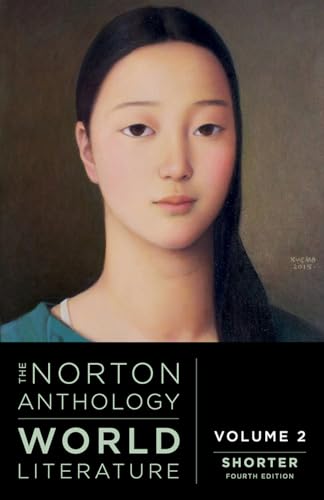
- Updated selections and translations
- Helpful apparatus and digital resources
- 1,488-page shorter edition
Best For: Students wanting broad coverage in a manageable format
Best for Classroom Instruction
World Literature Annotated Teacher's Edition

- Specifically labeled for teachers
- Educational-publisher edition
- Substantial reference volume
Best For: Instructors building or supporting a world literature course
Best Classic Edition
Norton Anthology of World Literature, Third Edition

- Teacher- and specialist-informed editing
- Rich notes, maps, and timelines
- Interactive ebook and media resources
Best For: Structured courses needing extensive context and guidance
Best for Cross-Genre Exploration
180 Masterpieces of World Literature, Vol. 2

- Broad historical and cultural range
- Multiple genres in one volume
- Context, analysis, and reflection questions
Best For: Readers comparing traditions, eras, and literary forms
Best Context-Rich Classic
Longman World Literature: Twentieth Century

- Twentieth-century focus
- Multiple genres and complete works
- Maps, annotations, and pronunciation guides
Best For: Context-rich modern literature courses
Best Updated Teaching Edition
Norton World Literature: Pre-1650

- Fifth edition from 2024
- New translations and Translation Lab
- Digital annotation, video, and audio
Best For: Pre-1650 survey courses with digital resources
Best All-Around Survey
Norton Anthology of World Literature

- Teacher-informed third edition
- New selections, translations, and headnotes
- Maps, timelines, illustrations, and media
Best For: Broad introductory world literature surveys
Best New Edition
Norton World Literature Post-1650

- Fifth edition with updated selections
- Includes Translation Lab and thematic clusters
- Ebook adds annotation, video, and audio
Best For: Readers wanting a current post-1650 anthology with digital study tools
Best Classic Overview
Norton World Literature, Third Edition

- 928-page Third Edition volume
- Adds selections, translations, and headnotes
- Includes maps, timelines, illustrations, and media
Best For: Students seeking a broad, established classroom anthology
Best Longer Volume
Norton World Literature, 1,024 Pages

- Longer 1,024-page Third Edition
- Includes editorial and visual aids
- Interactive ebook is available
Best For: Readers wanting a substantial Third Edition reference volume
Best Overall Value – Norton World Literature, Shorter Fourth Edition
For readers comparing annotated world literature anthologies, this Shorter Fourth Edition offers a dependable balance of breadth, editorial support, and affordability. It retains popular selections while adding new works and translations, with illustrations and digital resources to support study.
Best For: Students and general readers seeking a widely used, compact two-volume anthology with substantial study support.
Pros:
- Includes new selections and translations alongside popular works.
- Provides helpful apparatus, illustrations, and digital resources.
- Offers 1,488 pages in a shorter, more manageable edition.
Cons:
- Its shorter format may omit material found in longer editions.
- The print set is divided into two volumes.
This is the strongest all-around choice when you want an established anthology with updated content and practical academic extras without choosing the largest available format.
Best for Classroom Instruction – World Literature Annotated Teacher's Edition
Among annotated world literature anthologies, this teacher’s edition is the most clearly oriented toward classroom use. Its supplied details identify it specifically as an annotated teacher’s edition, making it a practical option for instructors who need an educator-focused reference text.
Best For: Teachers and course instructors seeking a dedicated annotated edition for world literature instruction.
Pros:
- Designed and titled as an annotated teacher’s edition.
- Published by Holt, Rinehart and Winston, an established educational publisher.
- Its 6.95-pound weight suggests a substantial classroom reference volume.
Cons:
- The supplied notes do not specify selections, page count, edition, or digital features.
- Its substantial weight may make it less convenient for everyday carrying.
This is a targeted choice for educators rather than shoppers seeking detailed information about the anthology’s literary range. Verify the contents and edition details before buying.
Best Classic Edition – Norton Anthology of World Literature, Third Edition
This Third Edition remains a strong contender among annotated world literature anthologies for readers who value extensive editorial guidance. It was shaped by input from more than 500 teachers and regional specialists, and includes new selections, translations, introductions, headnotes, illustrations, maps, timelines, and media resources.
Best For: Students and instructors who want a comprehensive, teachable anthology with extensive contextual material.
Pros:
- Includes dozens of new selections and translations for its edition.
- Provides introductions, headnotes, maps, timelines, and illustrations.
- Offers interactive ebook availability and media resources.
Cons:
- It is an older Third Edition published in 2012.
- The 1,504-page volume may be demanding to carry and navigate.
Choose this edition when editorial depth and classroom usability matter more than having the newest version. Its extensive apparatus makes it particularly useful for structured study and comparison.
Best for Cross-Genre Exploration – 180 Masterpieces of World Literature, Vol. 2
This enriched volume takes a broad, comparative approach to annotated world literature anthologies. It brings together fiction, drama, poetry, philosophy, and social critique across eras and traditions, then adds an introduction, historical context, synopses, analysis, and reflection questions.
Best For: Readers who want to compare literary movements, genres, themes, and cultural traditions in one expansive digital volume.
Pros:
- Covers works ranging from ancient literature through early twentieth-century modernism.
- Combines multiple genres and cultural traditions.
- Adds context, analysis, synopses, and reflection questions.
- Offers enhanced typesetting, page flip, and Word Wise features.
Cons:
- The listed 36,492-page length may be unwieldy for readers seeking a concise anthology.
- It is Volume 2, so readers may want the companion volume for the complete set.
- The ebook file size is 63.3 MB.
This is the most expansive and comparison-oriented option in the group. Its supporting material suits independent exploration, while its huge scope may be more useful as a digital reference than as a quick read.
Best Context-Rich Classic – Longman World Literature: Twentieth Century
For readers seeking annotated world literature anthologies focused on modern writing, The Longman Anthology of World Literature: The Twentieth Century, Volume F offers a broad, classroom-friendly selection. It combines poetry, drama, prose, and epic with introductions, scholarly annotations, maps, pronunciation guides, and illustrations.
Best For: Students and instructors studying twentieth-century world literature who want contextual support alongside primary texts.
Pros:
- Covers multiple genres, including epic, lyric poetry, drama, and prose narrative.
- Includes many works in their entirety.
- Provides annotations, cultural introductions, regional maps, and pronunciation guides.
- Groups selections to encourage connections across regions and eras.
Cons:
- Focuses specifically on the twentieth century rather than a broader historical span.
- The second edition was published in 2008, so it is not the newest edition in this roundup.
Choose this volume if teachability and cultural framing matter more than covering literature from multiple centuries in one book. Its editorial tools make it especially practical for structured course reading.
Best Updated Teaching Edition – Norton World Literature: Pre-1650
Among annotated world literature anthologies, The Norton Anthology of World Literature: Pre-1650 stands out for its recent fifth edition and expanded teaching features. It includes new translations, refreshed thematic clusters, and access to the Norton Ebook Reader with annotation tools, video, and audio.
Best For: Students and instructors who want foundational pre-1650 texts with updated translations and digital study resources.
Pros:
- Fifth edition published in 2024.
- Includes new translations such as Emily Wilson’s Iliad and Kimi Traube’s Don Quixote.
- Features a Translation Lab and refreshed clusters on themes including storytelling and travel.
- Offers an ebook platform with annotation tools, video, and audio.
Cons:
- This listing focuses on the pre-1650 portion of world literature.
- The print item weighs 5 pounds, which may be less convenient to carry.
This is a strong choice for readers prioritizing current editorial updates and interactive learning. Its combination of new translations and digital tools gives traditional anthology reading a more active format.
Best All-Around Survey – Norton Anthology of World Literature
The Norton Anthology of World Literature is a dependable option for shoppers comparing annotated world literature anthologies for broad course use. Its third edition adds new selections and translations, updated introductions and headnotes, redesigned maps and timelines, illustrations, and media resources.
Best For: Students who want a widely used general world literature anthology with substantial editorial and visual support.
Pros:
- Built from input by more than 500 world literature teachers and regional specialists.
- Includes dozens of new selections and translations in the third edition.
- Provides introductions, headnotes, maps, timelines, illustrations, and media resources.
- Available as an interactive ebook at a fraction of the print price, according to the description.
Cons:
- This third edition was published in 2012, making it older than the listed fifth edition.
- The supplied details do not specify a focused historical period or volume coverage.
Consider this edition when you want the classic Norton approach in a compact 688-page format. It balances scholarly guidance with accessible navigation for students beginning a world literature survey.
Best New Edition – Norton World Literature Post-1650
For shoppers seeking annotated world literature anthologies with current classroom features, The Norton Anthology of World Literature: Post-1650 (Volumes D) is the newest option here. Its fifth edition adds new translations, refreshed thematic clusters, and the Translation Lab, while the Norton Ebook Reader supports annotation, video, and audio.
Best For: Students and instructors who want a contemporary post-1650 anthology with built-in digital reading and annotation tools.
Pros:
- Fifth edition published in 2024.
- Includes new translations, including Emily Wilson’s Iliad and Kimi Traube’s Don Quixote.
- Offers Translation Lab, refreshed thematic clusters, and an interactive ebook platform with annotation tools.
Cons:
- Focuses on post-1650 literature rather than presenting the full chronological range.
- The print edition weighs about 4 pounds.
This is the strongest pick when fresh editorial content and digital study features matter most. Buyers who need a broader or older edition may prefer one of the complete Third Edition volumes.
Best Classic Overview – Norton World Literature, Third Edition
This Third Edition is a practical choice for readers comparing annotated world literature anthologies for broad academic use. It combines new selections and translations with all-new introductions, headnotes, illustrations, maps, timelines, and media resources in a compact 928-page volume.
Best For: Students who want a well-established, accessible world literature anthology with substantial editorial and visual support.
Pros:
- Draws on guidance from more than 500 teachers and regional specialists.
- Includes dozens of new selections and translations for its edition.
- Provides redesigned maps and timelines plus media resources.
Cons:
- Published in 2012, so it is older than the 2024 fifth edition.
- The supplied details do not identify a specific post-1650-only focus.
Choose this volume for a proven classroom anthology with extensive contextual material. Its interactive ebook availability may also appeal to readers seeking a lower-cost digital format.
Best Longer Volume – Norton World Literature, 1,024 Pages
Among annotated world literature anthologies, this 1,024-page Third Edition volume suits readers who want more room for selections and supporting material. It features new translations, introductions, headnotes, illustrations, maps, timelines, and media resources, with an interactive ebook also available.
Best For: Students and instructors who prefer the longer Third Edition format for sustained reading and classroom reference.
Pros:
- Provides 1,024 pages of anthology content.
- Includes new selections, translations, introductions, and headnotes.
- Adds visual and digital resources, including maps, timelines, illustrations, and media.
Cons:
- Published in 2012 rather than being the latest edition.
- Its longer format may be less convenient for readers seeking a lighter book.
This is a sensible pick when page count and reference depth take priority over having the newest edition. Compare the format and assigned readings with the 928-page Third Edition volume before buying.
How We Picked These Annotated World Literature Anthologies
We evaluated the selected books by looking at the scope of their literary coverage, historical organization, annotation quality, editorial usefulness, and likely audience. We also considered whether each volume works best as a college course text, a teaching resource, a focused period survey, or a more approachable general collection.
Because several entries share the same title but may represent different volumes, editions, or formats, check the ISBN, publication date, volume designation, and seller description before buying. Contents and supplementary materials can vary substantially between editions.
Quick Comparison
| Best for | Look for | Typical advantage |
|---|---|---|
| Broad survey courses | Multi-period Norton or Longman sets | Extensive historical and geographic range |
| Early literature | Pre-1650 volumes | Focused coverage with less duplication |
| Modern literature | Post-1650 or twentieth-century volumes | Stronger emphasis on later movements and authors |
| Teachers | Annotated teacher’s editions | Classroom notes, prompts, and instructional support |
| Independent readers | Enriched single-volume collections | Convenient access to recognizable major works |
Key Buying Factors for Annotated World Literature Anthologies
Coverage and Organization
Start with the period and regions you need. A comprehensive set offers context and variety, while a pre-1650, post-1650, or twentieth-century volume may be more efficient for a specialized syllabus. Check the table of contents rather than relying on the title alone.
Annotations and Context
Useful annotations explain historical references, unfamiliar terms, translation choices, and cultural background without interrupting the reading experience. Look for introductions, timelines, glossaries, bibliographies, and notes written for the intended level.
Format, Size, and Usability
Large multi-volume anthologies provide depth but can be expensive and difficult to carry. Paperback, hardcover, digital, and used editions may differ in durability, page layout, and included supplements. Confirm whether the listed product includes one volume or a complete set.
Translation and Editorial Approach
World literature anthologies necessarily depend on translation and selection. If a particular author, language, or tradition matters to you, review the translators and editorial introductions. Different editions may present different excerpts or translations of the same work.
Who Should Buy Which Annotated World Literature Anthologies?
Students taking a broad survey course will generally benefit from a major Norton or Longman collection that organizes works within a clear historical framework. Readers studying early traditions should prioritize the pre-1650 volumes, while those focused on modern movements may prefer post-1650 or twentieth-century coverage.
Teachers and instructors should consider the annotated teacher’s edition when lesson planning, discussion prompts, and classroom context are priorities. Independent readers who want a manageable selection may prefer an enriched single-volume collection rather than a complete academic set.
Before ordering, compare the required reading list with the exact contents, edition, and volume number. That final check is especially important for anthologies with repeated titles, regional versions, or multi-volume listings.