Choosing the right tracking book can make a real difference in the field, especially when you need to identify fresh sign quickly and accurately.
This roundup of the best animal tracking books for hunters focuses on practical instruction, species identification, and the kind of field-ready advice that helps you hunt smarter.
Best 10 Animal Tracking Books for Hunters Picks for 2026
Field-Reading Classic
Tracking and the Art of Seeing

- Covers tracks, sign, and habitat clues for 50+ species
- Hundreds of original photos support identification
- Revised and updated North American field guide
Best For: Hunters and woods walkers who want a broad, visual guide to animal sign
Quick Pocket Guide

- Small take-along format for field use
- Covers clues from 17 wildlife species
- Beginner-friendly and visually engaging
Best For: Beginners and younger readers learning basic animal signs
Comprehensive Mammal Guide

- Detailed manual for North American mammals
- Hundreds of drawings and photos included
- Based on decades of tracking experience
Best For: Hunters who need a detailed field guide for mammal tracking
Most Detailed Reference

- 680-page North American mammal reference
- Over 1300 photos and 450 illustrations
- Covers tracks, scat, urine, nests, and lodges
Best For: Hunters needing the most detailed mammal sign reference
Whitetail Field Guide
Hunting Big Woods Bucks: Tracking & Stalking

- Tracks whitetail deer behavior and sign
- Covers calling, still hunting, and stand hunting
- Designed for big woods or open-country hunters
Best For: Whitetail hunters needing a practical tracking-and-stalking guide
Pocket Track ID
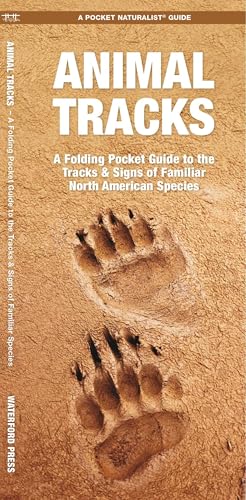
- Covers tracks and signs of 65 species
- Laminated folding format for durability
- Includes a ruler for measuring sign
Best For: Hunters and trackers who need a rugged pocket reference
Master Tracking Method
The Comprehensive Guide to Tracking

- Teaches tracking with senses and logical reasoning
- Covers both animal and human tracking
- Long-form 368-page instructional guide
Best For: Serious trackers wanting a detailed method-driven manual
Classic Track Reading
Animal Tracks and Hunter Signs

- Tracks and signs explained through woodland examples
- Narrative style makes the basics easy to absorb
- Affordable modern reprint of a vintage title
Best For: Hunters and beginners who prefer a classic, story-led tracking guide
Field Reference Pick
Stokes Guide to Animal Tracking and Behavior

- Handy paperback reference format
- Black-and-white line drawings throughout
- Covers tracking and behavior interpretation
Best For: Hunters and nature watchers who want a simple field reference
Modern Pursuit Guide
The Complete Guide to Tracking (Third Edition)

- Covers tracks, trails, signs, concealment, and pursuit
- Includes night movement and newer tech like drones
- Wide environment coverage from woodland to desert
Best For: Hunters who want the most comprehensive and up-to-date tracking manual
Field-Reading Classic – Tracking and the Art of Seeing
If you’re comparing animal tracking books for hunters, this revised field guide stands out for teaching you how to read tracks, sign, and habitat clues across North American wildlife. It covers more than 50 species and uses hundreds of original photographs to help you identify tracks, tail patterns, droppings, dens, scratches, and other field signs.
Best For: Hunters and woods walkers who want a broad, visual guide to reading animal sign in the field.
Pros:
- Includes complete information on the behavior and habitat of over 50 animal species.
- Uses hundreds of original photos for track and sign identification.
- Covers multiple kinds of sign, including tracks, droppings, dens, and scratches.
- Revised and updated edition of a highly regarded field guide.
Cons:
- Not a compact pocket guide.
- Focuses on North American wildlife, so it may be less useful elsewhere.
This is a strong pick if you want a more complete, observation-driven tracking reference rather than a quick cheat sheet. Its depth and photography make it especially useful for hunters who want to interpret sign more confidently.
Quick Pocket Guide – Tracks, Scats and Signs
For hunters who want a simple entry point into animal tracking books for hunters, this take-along guide focuses on the basic clues animals leave behind in the woods, fields, and along ponds. It introduces common signs from 17 wildlife species in a small, easy-to-carry format.
Best For: Beginners and younger readers who want a lightweight introduction to tracks, scats, and other animal signs.
Pros:
- Small take-along format that is easy to carry.
- Explains common clues left by 17 wildlife species.
- Designed as an engaging, visual nature-detective guide.
- Simple enough for early readers and introductory learning.
Cons:
- Only 48 pages, so it is not a deep reference.
- Focuses on a limited number of species.
This guide is best when portability and simplicity matter more than exhaustive detail. It is a practical starter book, but hunters needing advanced field identification will likely want something more comprehensive.
Comprehensive Mammal Guide – Tracker's Field Guide
If you want animal tracking books for hunters that go beyond the basics, this comprehensive manual is built for serious field use. It distills decades of research and practical experience into a detailed guide to tracking North American mammals, with hundreds of drawings and high-resolution photographs.
Best For: Hunters and trackers who want a detailed, all-around field guide to North American mammals.
Pros:
- Comprehensive manual focused on North American mammals.
- Built from decades of research and practical field experience.
- Includes hundreds of drawings and high-resolution photos.
- Updated second edition from a leading tracking expert.
Cons:
- At 416 pages, it is more of a full reference than a quick pocket guide.
- Specializes in mammals rather than all wildlife sign.
This is a strong option if you want a serious, practical reference for field identification. Its depth and visual support make it a good fit for hunters who spend a lot of time reading mammal sign.
Most Detailed Reference – Mammal Tracks & Sign
Among animal tracking books for hunters, this is the deepest reference here if you want detailed species comparisons and sign interpretation. It is a highly visual guide to North American mammal tracks and sign, with over 1300 photos and 450 illustrations covering tracks, trails, scat, urine, nests, lodges, and other sign.
Best For: Hunters who want an in-depth North American reference for identifying mammal tracks and sign.
Pros:
- Most comprehensive reference in this group, with 680 pages.
- More than 1300 photos and 450 illustrations for comparison.
- Covers a wide range of sign, including trails, scat, urine, nests, and lodges.
- Winner of the 2019 National Outdoor Book Award for Outdoor Classic Books.
Cons:
- Larger and heavier than a compact field book.
- Specialized on North American mammal tracks and sign.
If your priority is depth and visual comparison, this is the most complete option in the lineup. It is ideal for hunters who want a serious reference they can study before and after time in the field.
Whitetail Field Guide – Hunting Big Woods Bucks: Tracking & Stalking
If you want animal tracking books for hunters that stay practical in the field, this one is built around whitetail deer sign, stalking, and hunting tactics. It covers deer behavior, how to choose gear, how to read sign, how to call deer, and how to track in different conditions, making it useful for hunters in both big woods and open-country settings.
Best For: Whitetail hunters who want a focused guide to tracking, sign-reading, and stalking in varied terrain.
Pros:
- Covers deer behavior and how to read deer sign.
- Includes tracking deer in any conditions.
- Also explains calling, stand hunting, and still hunting.
- Useful for hunters in deep woods or agricultural areas.
Cons:
- Focused specifically on whitetail deer rather than broader wildlife tracking.
- At 320 pages, it is more of a full guide than a quick reference.
This is a strong choice if your priority is a hunting-centered book with detailed whitetail tracking instruction rather than a general field guide.
Pocket Track ID – Animal Tracks Pocket Guide
For hunters who want animal tracking books for hunters in a compact format, this folding pocket guide is a handy ID tool. It shows the tracks and signs of 65 common North American species and includes a built-in ruler, so you can compare sign quickly while scouting or moving through the field.
Best For: Hunters, trackers, and outdoors users who want a durable pocket reference for identifying tracks and signs.
Pros:
- Features tracks and signs from 65 North American species.
- Includes a handy ruler for measuring tracks and signs.
- Laminated folding format adds durability.
- Small size makes it easy to carry in the field.
Cons:
- Only 12 pages, so it is a reference guide rather than a deep instruction manual.
- Best suited to identification, not advanced tracking strategy.
This guide works best as a portable companion for quick track and sign checks, especially when you need something lightweight and tough.
Master Tracking Method – The Comprehensive Guide to Tracking
If you are comparing animal tracking books for hunters and want a deeper method-focused read, this guide takes a broad approach to tracking animals and humans using the senses and logical reasoning. It is positioned as a substantial instructional book, with a strong emphasis on observation and deduction rather than just identifying prints.
Best For: Hunters and serious trackers who want a detailed, method-driven tracking manual.
Pros:
- Explains tracking as using all the senses and logical reasoning.
- Covers how, when, and where of tracking in depth.
- Substantial 368-page format for extended study.
- Applies to both animal and human tracking.
Cons:
- Broader than a hunting-only field guide.
- Large, heavy format is less convenient for pocket carry.
This is the best fit if you want a serious classroom-style tracking resource that goes beyond basic species ID and into the logic of reading sign.
Classic Track Reading – Animal Tracks and Hunter Signs
If you want animal tracking books for hunters that lean into classic field observation, this vintage title offers a simple, story-driven introduction to reading tracks and signs. Ernest Thompson Seton explains woodland animal behavior through tracks alone, making it approachable for readers who want an old-school tracking perspective rather than a modern technical manual.
Best For: Hunters, scouts, and beginners who want an illustrated, narrative-style introduction to track reading.
Pros:
- Focuses on interpreting animal actions from tracks and signs.
- Blends instruction with engaging woodland stories.
- Compact, affordable modern edition of a vintage work.
Cons:
- Built around an older writing style and perspective.
- More inspirational than deeply technical.
This is a good pick if you value foundational tracking ideas and a readable, classic approach. It is especially appealing for hunters who like learning from field signs in a memorable, narrative format.
Field Reference Pick – Stokes Guide to Animal Tracking and Behavior
For hunters comparing animal tracking books for hunters, this guide is aimed at practical identification and behavior awareness. The Stokes format is presented as a handy paperback reference with black-and-white line drawings, and it is designed to help readers know what to look for and how to interpret what they see in the field or at home.
Best For: Readers who want a straightforward reference guide for tracking basics and wildlife behavior.
Pros:
- Paperback reference format is easy to consult.
- Includes black-and-white line drawings throughout.
- Covers both animal tracking and behavior interpretation.
- Useful in the field or as a home reference.
Cons:
- Older publication date may mean a dated presentation.
- Behavior focus may be broader than pure hunting tactics.
This is a solid practical option if you want a compact reference that emphasizes observation and interpretation. Its strength is clarity, making it a useful companion for hunters who want to sharpen sign-reading skills.
Modern Pursuit Guide – The Complete Guide to Tracking (Third Edition)
If you need animal tracking books for hunters that go beyond footprints, this third edition covers following tracks, trails, signs, concealment, and night movement across woodland, marsh, jungle, and desert. It also includes newer information on drones and practical advice on reading misleading signs, making it the most comprehensive and modern-feeling pick in this group.
Best For: Hunters and advanced outdoors readers who want a broad, up-to-date tracking manual.
Pros:
- Covers tracks, trails, signs, concealment, and pursuit.
- Includes guidance for woodland, marsh, jungle, and desert.
- Addresses night movement and preserving night vision.
- Updated with information on newer technologies like drones.
Cons:
- Broader scope than a simple field-only track guide.
- May feel more intensive than casual readers need.
This is the strongest choice for readers who want a full tracking manual with modern updates and wide environmental coverage. It is especially useful if you want practical pursuit skills and not just basic track identification.
How We Picked the Best Animal Tracking Books for Hunters
We favored books that balance clear visuals, reliable identification methods, and real-world hunting value. The strongest titles in this category explain tracks, trails, scat, feeding sign, bedding areas, and movement patterns without overwhelming the reader.
For Animal Tracking Books for Hunters, usefulness in the field matters more than theory. We looked for books that are easy to carry, easy to reference quickly, and detailed enough to support both beginners and experienced hunters.
Quick Comparison: What These Books Do Best
Some titles are compact pocket guides for fast species checks, while others are deeper manuals that teach tracking as a broader hunting skill. A few focus specifically on whitetails and big woods hunting, which is ideal if your goal is to interpret deer sign rather than general wildlife tracking.
If you want a broad foundation, choose a comprehensive field guide. If you want fast identification on the move, a folding guide or compact reference may be the better fit.
Key Buying Factors for Animal Tracking Books for Hunters
Clarity of Track ID
Look for books with sharp illustrations or photos, side-by-side comparisons, and notes on lookalike species. The best guides help you distinguish similar prints, especially in poor soil, snow, mud, or leaf litter.
Coverage of Sign Beyond Footprints
A good hunting guide should cover more than tracks. Scat, rubs, scrapes, feeding sign, gait patterns, and habitat clues often tell you more than a single footprint.
Species and Region Focus
Match the book to where you hunt. North American species coverage is useful for most hunters, but some readers will get more value from a deer-specific or big game-focused book.
Field Usability
Size, layout, and organization matter. Quick-reference charts, durable formats, and concise descriptions are especially helpful when you’re trying to make decisions in real time.
Who Should Buy Which Animal Tracking Books for Hunters?
Beginners should start with a visual, species-focused guide that explains basic track shape, stride, and sign interpretation. Hunters who already know the basics may prefer a more advanced manual that covers tracking strategy, movement, and pursuit.
If you hunt whitetails in thick cover, a deer-specific title makes sense. If you want one all-purpose reference, choose a comprehensive guide with strong illustrations and broad species coverage. For the most practical setup, many hunters pair one compact field book with one deeper tracking manual.