African mythology books open the door to rich oral traditions, creation stories, spirit worlds, and legendary heroes from across the continent. The best titles balance cultural context with engaging storytelling, making them useful for both new readers and collectors.
Whether you want an overview of pan-African myths or a focused look at traditions such as Yoruba, Igbo, or broader West African folklore, this roundup helps you find the right match for your reading goals.
Best 10 African Mythology Books Picks for 2026
Mythic Starter Pick
African Mythology: Captivating Myths of Gods, Goddesses, and Legendary Creatures of Africa

- Compact introduction to African folktales
- Includes trickster, hero, and cautionary tales
- Short, approachable 106-page read
Best For: Readers who want a quick, varied starter volume
Curated Folklore Anthology
The Watkins Book of African Folklore

- 50 tales from across Africa
- Includes commentary by Helen Nde
- Covers myths, legends, and animal tales
Best For: Readers seeking a researched, wide-ranging anthology
Country-Focused Deep Dive
Nigerian Mythology: The Shadow Sky: The Igbo, Yoruba, Hausa and Efik Mythologies of Nigeria

- Focuses on four major Nigerian traditions
- Covers gods, spirits, and creation myths
- Built for readers and creators seeking inspiration
Best For: People who want a Nigeria-centered mythology book
Audio Origin Collection

- Unabridged audiobook at 18.5 hours
- Centers on origin myths and migration tales
- Narrated by Ben Onwukwe with an intro
Best For: Audible listeners who want a long, focused mythology collection
Comprehensive Yoruba Tradition
Yoruba Mythology: Stories of the Orisa

- More than 300 myths across Orisa, heroes, and Ijapa stories
- Draws from research and traditions in Nigeria, Cuba, and Brazil
- Includes artwork inspired by traditional Orisa depictions
Best For: Readers seeking a deep Yoruba mythology collection with diaspora context
Compact Pan-African Anthology

- A concise anthology of stories from sub-Saharan Africa
- Includes creation tales, tricksters, animal fables, and gods
- Shorter 255-page format for easy sampling
Best For: A quick, broad introduction to African myth and legend
Scholarly Folk Tale Collection
African Genesis Folk Tales and Myths of Africa
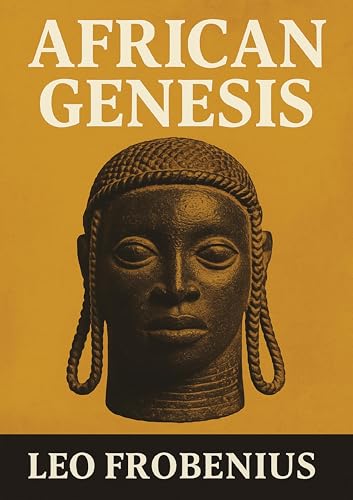
- Collects folk tales, legends, and ancient myths from many cultures
- Emphasizes reverence for indigenous traditions and wisdom
- Compact 198-page ebook with diverse mythic figures and themes
Best For: Readers wanting a thoughtful folklore collection with a scholarly tone
World Mythology Overview
The World Mythology Encyclopedia

- Includes African creation myths in a six-culture collection
- Concise chapters for quick browsing
- Good for comparing myths across traditions
Best For: Readers who want a broad mythology reference that includes African myths
Collector’s Edition Anthology

- Dedicated anthology of African myths and legends
- Features creation stories, fables, and trickster tales
- Includes a new introduction and glossary
Best For: Readers who want a dedicated anthology of African myths and legends
History-and-Myth Combo
Ancient Africa and African Mythology

- Three-in-one guide covering empires, Carthage, and mythology
- Includes African creation ideas and spiritual beliefs
- Adds history, trade, and governance context
Best For: Readers who want African mythology paired with ancient African history
Mythic Starter Pick – African Mythology: Captivating Myths of Gods, Goddesses, and Legendary Creatures of Africa
If you’re exploring African mythology books for a broad, easy-to-digest introduction, this collection offers a compact mix of myths, trickster stories, hero tales, and cautionary tales. It also acknowledges the many cultures and oral traditions behind the stories, giving readers a useful overview rather than a single-region focus.
Best For: Readers who want a short, varied sampler of African myths and folktale types.
Pros:
- Covers animal tricksters, hero tales, cautionary tales, and more
- Touches on the influence of Islam and the oral transmission of stories
- Short length makes it approachable for quick reading
- Useful as a broad starter volume
Cons:
- At 106 pages, it is more of an overview than a deep reference
- Focuses on variety over detailed cultural context
Overall, this is a concise pick for readers who want a fast, varied introduction to African folktale traditions without committing to a large anthology.
Curated Folklore Anthology – The Watkins Book of African Folklore
For shoppers comparing African mythology books, this anthology stands out for its size, breadth, and commentary. It brings together 50 tales from across the continent, with notes from folklorist Helen Nde that add historical and colonial context to the stories.
Best For: Readers who want a well-researched anthology with strong cultural variety and commentary.
Pros:
- Includes 50 stories from many regions of Africa
- Features commentary from folklorist Helen Nde
- Combines creation myths, foundation legends, human stories, and animal tales
- Presented as a gift-ready foiled package
Cons:
- Less focused on one specific mythology or nation
- Best suited to readers who like anthology-style collections
This is a strong pick if you want a fuller cross-section of African folklore, especially with added context that helps explain where the stories come from and why they matter.
Country-Focused Deep Dive – Nigerian Mythology: The Shadow Sky: The Igbo, Yoruba, Hausa and Efik Mythologies of Nigeria
If you want African mythology books with a sharper regional focus, this volume concentrates on Nigeria’s major traditions and presents gods, spirits, and legends from Yoruba, Igbo, Hausa, and Efik cultures. It is framed as a restoration of overlooked narratives, making it especially useful for readers seeking more than a general overview.
Best For: Readers interested in Nigerian myth systems and culture-specific folklore.
Pros:
- Focuses on Yoruba, Igbo, Hausa, and Efik mythologies
- Includes deities, spirits, creation stories, trickery, war, and magic
- Designed for mythology fans, writers, artists, and world-builders
- Longer format allows more room for exploration
Cons:
- More specialized than continent-wide collections
- Appears to be the first volume in a series rather than a complete standalone survey
Choose this book if you want a focused look at Nigerian traditions and a mythology text that leans into cultural depth, inspiration, and reclaiming lesser-known stories.
Audio Origin Collection – African Myths of Origin
Among African mythology books, this audiobook is a strong choice if you prefer listening and want a collection centered on origin stories. It gathers traditional tales about the beginnings of the universe, peoples, and families, with dramatic episodes involving heroes, serpents, birds, crocodiles, and animal-creators.
Best For: Audible listeners who want a long-form collection of African origin myths.
Pros:
- Unabridged audiobook with an 18.5-hour runtime
- Focused specifically on origins of the universe, peoples, and families
- Narrated by Ben Onwukwe
- Includes an introduction by Stephen Belcher
Cons:
- Audio format may not suit readers who want a print reference book
- More narrowly centered on origin myths than on broader folklore categories
This is the best option here for listeners who want a substantial, immersive recording rather than a short or heavily illustrated print anthology.
Comprehensive Yoruba Tradition – Yoruba Mythology: Stories of the Orisa
If you’re comparing African mythology books and want a deep, source-rich look at one major tradition, this volume is built for that purpose. It gathers more than 300 myths centered on the Orisa, Yoruba heroes, Ijapa, and related cultural stories from West Africa and the diaspora, making it a strong pick for readers who want breadth as well as context.
Best For: Readers who want the most comprehensive published collection of Yoruba myths, including diaspora traditions and cultural stories.
Pros:
- Includes more than 300 myths, making it the most extensive option in this roundup.
- Covers Orisa stories, Yoruba heroes, founding tales, and classic fables.
- Draws on research and encounters with practitioners and elders in Nigeria, Cuba, and Brazil.
- Features artwork that aims to evoke traditional depictions of the Orisa.
Cons:
- Focuses specifically on Yoruba mythology rather than offering a continent-wide survey.
- Its 632-page length may be more book than casual readers want.
This is the strongest choice if you want a serious, expansive Yoruba reference rather than a brief anthology. It stands out for depth, cultural range, and the way it connects the oral tradition to both West Africa and the diaspora.
Compact Pan-African Anthology – African Myths
For shoppers browsing African mythology books and looking for a shorter overview, this anthology offers a broad sampling of tales from different regions and traditions. It pulls together creation stories, trickster adventures, animal fables, and mythic episodes recorded from sub-Saharan Africa, giving you an accessible way to explore the variety within the continent’s storytelling heritage.
Best For: Readers who want a concise, wide-ranging introduction to African myth and legend.
Pros:
- Offers a selection of tales drawn from across sub-Saharan Africa.
- Includes gods, creation stories, tricksters, animal fables, and moral tales.
- Shorter length makes it easier to sample the genre without a major time commitment.
- Part of Flame Tree’s myths-and-legends series for readers of fantastic folklore.
Cons:
- Does not present a single unified mythology, since the notes emphasize Africa’s diversity.
- Less comprehensive than a dedicated regional collection.
This is a practical pick if you want variety and an approachable format rather than an in-depth study of one culture. It works well as an introduction to the range of African mythic storytelling.
Scholarly Folk Tale Collection – African Genesis Folk Tales and Myths of Africa
If you want African mythology books that emphasize folklore, cultural interpretation, and a respectful scholarly lens, this collection is a strong candidate. It gathers folk tales, legends, and ancient myths from diverse African cultures, and the notes highlight Leo Frobenius’s effort to treat indigenous traditions with reverence and insight.
Best For: Readers interested in a respectful, myth-and-folklore collection with a philosophical and cultural focus.
Pros:
- Collects folk tales, legends, and ancient myths from diverse cultures across Africa.
- Highlights tricksters, spirits, ancestors, and deities in varied stories.
- Presented as a thoughtful corrective to Western misconceptions.
- Compact 198-page ebook format makes it easy to read on digital devices.
Cons:
- Digital-only format may not suit readers who prefer print books.
- Its broad scope means it is less specialized than a single-tradition volume.
This book is a good fit if you want a compact but reflective introduction to African mythic storytelling. Its value lies in the combination of narrative variety and the author’s emphasis on indigenous wisdom and artistic depth.
World Mythology Overview – The World Mythology Encyclopedia
If you want African mythology books that also place African myths in a wider world context, this encyclopedia is a practical starting point. It combines African creation myths with Celtic, Norse, Greek, Roman, and Egyptian traditions, so you can compare themes like gods, spirits, heroes, and origin stories across cultures in one volume.
Best For: Readers who want a broad mythology reference that includes African myths alongside other major world traditions.
Pros:
- Covers African creation myths as part of a six-culture mythology collection.
- Concise chapters make it easy to browse and absorb.
- Includes legends, gods, monsters, and heroic tales from multiple traditions.
- Useful for readers who like comparing mythic themes across cultures.
Cons:
- Not dedicated solely to African mythology.
- Depth on any one tradition may be limited by the broad scope.
- Best suited to overview reading rather than specialized study.
This is a good pick if you want a single book that touches African mythology while also giving you a wider mythological survey. It works best as a foundation or companion reference rather than a deep dive into one region.
Collector’s Edition Anthology – African Myths & Legends
African Myths & Legends: Tales of Heroes, Gods & Monsters (Flame Tree Collector's Editions)
Check Price On AmazonAmong African mythology books, this collector’s edition stands out for focusing specifically on myths and legends from across the continent. It gathers creation stories, trickster adventures, animal fables, and tales of gods and monsters from diverse peoples such as the Yoruba, Xhosa, Akamba, and others, making it a strong choice if you want a varied anthology rather than a single-culture study.
Best For: Readers who want a dedicated anthology of African myths and legends with a collectible presentation.
Pros:
- Dedicated to the rich diversity of African myth and legend.
- Includes creation stories, trickster tales, animal fables, and more.
- Covers multiple regions and peoples across Africa.
- Collector’s edition format with a new introduction and glossary of terms.
Cons:
- Collector’s format may be more about presentation than portability.
- As an anthology, it may not go very deep into any single tradition.
- Readers seeking a scholarly analysis may want a more academic text.
This is the most clearly focused option here if your priority is African mythology itself. It balances variety and presentation well, making it appealing for both casual reading and display.
History-and-Myth Combo – Ancient Africa and African Mythology
If you prefer African mythology books that also cover historical context, this three-in-one guide is a practical option. It combines ancient African empires, Carthage, and African mythology, so you get both civilization history and mythic material in one place. The notes emphasize cultural practices, trade, governance, spiritual beliefs, and creation stories, which makes it useful for readers who want a broader picture.
Best For: Readers who want African mythology paired with ancient African history and Carthage coverage.
Pros:
- Combines three topics in one book: empires, Carthage, and mythology.
- Includes details on cultural practices, trade, governance, and military systems.
- Discusses African creation ideas, demigods, ancestors, and bush spirits.
- Offers both historical background and mythological content.
Cons:
- Not a pure mythology collection.
- Wide scope may feel less focused than a dedicated myth anthology.
- Readers wanting only legends and stories may need to skip the history sections.
This book is best if you want African mythology in context rather than as a standalone subject. It should appeal to readers who like learning how myths, civilizations, and ancient belief systems fit together.
How We Picked the Best African Mythology Books
We looked for African Mythology Books that offer a strong mix of accuracy, readability, and value. Priority went to titles that are accessible for beginners, clearly organized, and broad enough to cover key mythic themes without feeling overly repetitive.
We also considered scope: some readers want a continent-wide introduction, while others need a more focused book on a specific culture or region. Format, illustration quality, and whether a book leans more toward folklore, legend, or historical overview also mattered.
Quick Comparison
If you want a fast orientation, think in terms of three buckets. Broad anthologies and encyclopedic titles are best for sampling many traditions. Culture-specific books are better when you want depth on one people or region. Illustrated or collector’s editions work well for gift buyers and casual readers.
Key Buying Factors for African Mythology Books
Scope and Focus
Decide whether you want pan-African coverage or a narrower study. A continent-wide collection can introduce many names and stories, but a focused title often explains beliefs, symbols, and characters in more depth.
Scholarly Tone Vs. Storytelling
Some African Mythology Books read like reference guides, while others emphasize narrative flow. If you’re buying for research, choose a book with context, notes, and clear structure. If you’re buying for leisure, a more story-driven style may be a better fit.
Cultural Specificity and Accuracy
Myths are deeply tied to language, history, and community. Look for books that distinguish between traditions instead of flattening them into one generic “African” category. Strong titles will note the people, region, and source tradition behind each story.
Extras That Improve Value
Maps, glossaries, family trees, illustrations, and reading lists can make a big difference. These features help readers follow names, deities, and regional differences more easily.
Who Should Buy Which African Mythology Books?
Beginners should start with broad, accessible anthologies or encyclopedias that explain core concepts without heavy academic language. Readers with a specific interest in Yoruba, Igbo, or West African traditions should choose a more focused title for better detail and cultural depth.
If you’re shopping for a gift, look for handsome collector’s editions or well-illustrated books. For students and lifelong learners, the best choice is usually a book that combines readable stories with enough context to understand how the myths fit into wider African history and worldview.
In short, the best African Mythology Books are the ones that match your purpose: learning the basics, exploring a tradition in depth, or enjoying timeless stories in an attractive format.