If you’re ready to move beyond simple cranes and boxes, the right book can make advanced folding far more rewarding. The best titles balance clear diagrams, strong technique instruction, and projects that actually teach you something new.
This roundup focuses on books for experienced folders who want more challenge, better design insight, and a wider range of styles, from modular geometry to detailed animal models.
Best 10 Advanced Origami Books Picks for 2026
Master-Level Nature Projects
Advanced Origami: Artist’s Guide

- 15 original, challenging nature models
- Step-by-step diagrams and color photos
- Includes wet folding and paper prep tips
Best For: Experienced folders seeking artful, display-ready origami
Origami Master Collection

- 60 original Yoshizawa models
- Over 1,000 diagrams and drawings
- Includes translations and philosophy notes
Best For: Readers studying a landmark collection from a modern origami master
Global Challenge Pack
Advanced Origami: Serious Folder Edition

- 60 designs from European and Japanese artists
- Mix of boxes, animals, wallets, and vehicles
- Includes technique basics plus finished photos
Best For: Dedicated folders wanting variety across practical and artistic designs
Extreme Folding Designs

- Geometry-based designs with striking shapes
- Includes stars, boxes, saucers, and whirligigs
- Compact 72-page challenge book
Best For: Experienced folders who enjoy inventive geometry and compact project books
Curved-Folding Mastery
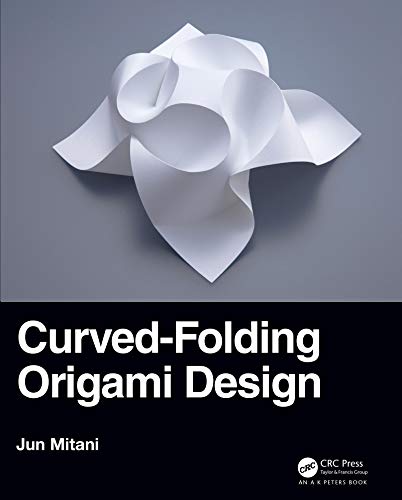
- Seven chapters on curved-folding design
- Over 140 figures with simple instructions
- 24 artworks shown with crease patterns
Best For: readers focused on curved-folding technique and theory
All-Around Reference
The Encyclopedia of Origami Techniques

- Over 30 step-by-step projects
- Beginner through challenging levels
- Covers folds, bases, and sequences
Best For: folders wanting a broad reference across skill levels
Expressive Animal Folder
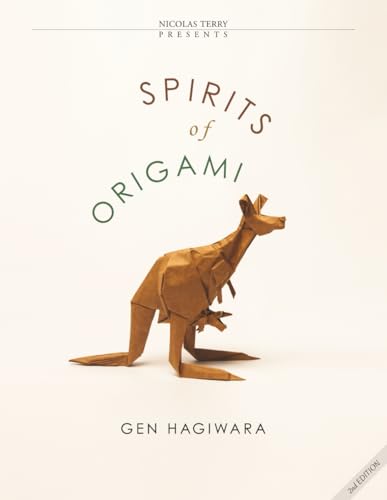
- Full-color bilingual diagrams
- Advanced tips on paper and finishing
- Animal models at intermediate to advanced level
Best For: intermediate to advanced folders who like expressive animal models
Modular Geometry Spotlight
The Complete Book of Origami Polyhedra

- 64 modular geometric models
- Includes stars, cubes, boxes, and manifold forms
- Recommended for experienced folders and up
Best For: Experienced folders seeking advanced modular polyhedra
Studio-Level Folding
Origami Art: 15 Exquisite Folded Paper Designs

- 15 advanced 3D origami projects
- Covers wetfolding and compound origami
- Full-color, step-by-step instructions
Best For: Intermediate and advanced folders wanting artistic studio designs
Geometric Challenge Pick

- 22 complex modular models
- Open wire-frame geometric style
- Easy-to-follow diagrams for folding and assembly
Best For: Folders seeking modern modular geometry challenges
Master-Level Nature Projects – Advanced Origami: Artist’s Guide
If you’re shopping for advanced origami books that move beyond beginner folds, this title is built for experienced folders who want challenging, display-worthy models. Michael G. LaFosse focuses on intricate nature-inspired projects, with clear step-by-step instruction, color photos, diagrams, and guidance on paper selection and advanced methods like wet folding.
Best For: Experienced folders who want nature-themed origami art with advanced technique guidance.
Pros:
- 15 original, challenging projects centered on animals and other nature models
- Includes detailed instructions, diagrams, and colorful photos for each fold
- Covers advanced topics such as paper preparation, wet folding, and papermaking
- DVD video lessons add extra support for learning the projects
Cons:
- Designed for folders with some prior experience, not beginners
- Only 15 projects if you want a very large model collection
This is a strong pick if you want origami that feels closer to sculpture than simple craft work. The included video lessons and technique notes make it especially useful for folders ready to push into more ambitious paper art.
Origami Master Collection – Yoshizawa’s Greatest Works
Among advanced origami books, this one stands out for readers who want to study the work of Akira Yoshizawa, the father of modern origami. It collects 60 of his original models, pairs them with more than 1,000 diagrams, and includes English translations of his writings along with an introduction from Robert Lang.
Best For: Folders who want a deep look at Yoshizawa’s classic models and philosophy.
Pros:
- Features 60 original works from Akira Yoshizawa’s private collection
- Includes over 1,000 original drawings and diagrams
- Provides English translations of Yoshizawa’s writings for added context
- Comes with an introduction from Robert Lang and notes from Yoshizawa’s widow
Cons:
- More of a master-class collection than a casual project book
- Focused on Yoshizawa’s work, so it is less varied in author style
This is an excellent choice if you value origami history as much as the folds themselves. It reads like both a project book and a reference on one of the most important figures in modern origami.
Global Challenge Pack – Advanced Origami: Serious Folder Edition
Advanced Origami: More than 60 Fascinating and Challenging Projects for the Serious Folder
Check Price On AmazonIf you want advanced origami books with a broad mix of practical and decorative folds, this collection offers 60 designs from artists in Europe and Japan. It starts with basic technique and terminology, then moves into boxes, animals, cards, wallets, magic folds, and even airplanes and helicopters.
Best For: Serious folders who want a varied set of challenging models with useful projects.
Pros:
- 60 designs covering practical objects and artistic folds
- Uses exotic folds not typically seen in North American origami
- Clear line drawings and color photos of completed models
- Includes an introductory section on folding techniques and terminology
Cons:
- Some projects may feel more specialized than beginner-friendly
- Black-and-white line art may be less visual than photo-heavy books
This book is a solid option if you want variety and a chance to stretch your skills across different categories of folds. The mix of utility items and decorative pieces makes it especially versatile for dedicated origami fans.
Extreme Folding Designs – Extreme Origami
For shoppers browsing advanced origami books that emphasize inventive shapes, this slim volume explores what’s possible with “the new origami.” The book keeps the folding approach grounded in simple forms like triangles, squares, pyramids, and cubes, while leading you into spirals, star patterns, multi-sided boxes, and sculptured containers.
Best For: Folder who want imaginative, geometry-driven projects with a playful edge.
Pros:
- Explores bold, unusual shapes such as gyroscopic whirligigs and flying saucers
- Uses relatively simple geometric foundations
- Includes stars, nested boxes, gift containers, and other creative models
- Compact 72-page format for a focused project set
Cons:
- Only 72 pages, so the project count is likely limited
- Better suited to experienced folders than absolute beginners
This is a good pick if you want a shorter book with imaginative, visually striking designs. It is less of a broad teaching guide and more of a creative challenge book for folders who enjoy geometry and experimentation.
Curved-Folding Mastery – Curved-Folding Origami Design
If you’re comparing advanced origami books for a niche technique, this title is a focused choice on curved-folding design. It explains the method in seven chapters with step-by-step instruction, examples, and theoretical commentary, so it’s better suited to readers who want to understand how the folds are built, not just copy finished models.
Best For: folders who want a technique-driven introduction to curved-folding and the theory behind it.
Pros:
- Covers curved-folding origami across seven structured chapters
- Includes over 140 figures plus photos and simple instructions
- Shows 24 artworks with crease patterns for reference
- Ends each chapter with commentary on the underlying theory
Cons:
- Only 122 pages, so it’s more specialized than broad
- Focused on technique rather than a large project count
- Print Replica format may not suit every reader
This is a strong pick if you want an advanced origami books option centered on a specific design approach and supported by clear visuals. It’s most useful when you want to learn the method as well as see the finished results.
All-Around Reference – The Encyclopedia of Origami Techniques
For shoppers browsing advanced origami books that still cover the basics well, this encyclopedia-style guide offers a practical middle ground. It combines basic techniques with 30+ step-by-step projects across beginner, intermediate, and challenging levels, making it a flexible pick for folders who want breadth rather than a single specialty.
Best For: readers who want a broad, fully illustrated origami reference with projects at multiple skill levels.
Pros:
- Over 30 projects with step-by-step diagrams
- Includes beginner, intermediate, and challenging sections
- Covers folds, sequences, bases, and getting started guidance
- Features traditional and modern models from around the world
Cons:
- At 160 pages, it’s more of a survey than a deep specialty guide
- Some readers may want more advanced-only content
- Project variety may matter more than technical depth here
This is a strong all-purpose option if you want one of the more versatile advanced origami books for gradual skill building. It works especially well if you like having both technique instruction and a wide spread of projects in one volume.
Expressive Animal Folder – Spirits of Origami
If you’re looking for advanced origami books with a strong artistic focus, this second edition is built around complex animal models and refined presentation. It offers full-color diagrams, English and Japanese instructions, and guidance on paper choice, sizing, and finishing touches, which makes it a solid fit for folders ready to work on detail and expression.
Best For: intermediate to advanced folders who want elegant animal models and bilingual instruction.
Pros:
- Full-color diagrams redesigned for clarity
- Instructions and tips in both English and Japanese
- Covers advanced techniques like paper choice and sizing
- Includes animal models such as kangaroo, macaque, Labrador, swan, and snake
Cons:
- Designed for intermediate to advanced skill levels
- Only 208 pages, so the focus is on curated models rather than breadth
- Readers looking for beginner content should look elsewhere
This book stands out when you want advanced origami books that emphasize elegance, sequence quality, and polished results. It’s especially appealing if you value visual clarity and want to push beyond simple folded forms.
Modular Geometry Spotlight – The Complete Book of Origami Polyhedra
If you want advanced origami books that focus on modular construction, this title is built around polyhedral models made from many folded units locked together without glue or tape. Tomoko Fuse’s approach is ideal if you like geometric paper forms, from stackable starters to more complex manifold modulars and decorative 3-D stars.
Best For: Experienced folders who want a deep dive into modular origami, especially geometric polyhedra and giftable box forms.
Pros:
- Features 64 modular models, giving you a lot of variety.
- Covers stackable modules, 3-D stars, manifold modulars, cubes, and boxes.
- Authored by Tomoko Fuse, a major name in modular origami.
- Recommended for experienced folders and up.
Cons:
- Not aimed at beginners.
- Focused on modular geometry rather than character or animal models.
- Only 96 pages, so it is a compact guide rather than an exhaustive encyclopedia.
As a specialized modular origami book, this is strongest when you want structured geometric challenges and visually striking finished pieces. It’s a good pick if your priority is learning from a respected master and building paper sculptures that look clean and display well.
Studio-Level Folding – Origami Art: 15 Exquisite Folded Paper Designs
For readers comparing advanced origami books, this one stands out for its premium studio feel and focus on intricate 3D designs. Origamido Studio artists Michael G. LaFosse and Richard L. Alexander include advanced techniques like wetfolding and compound origami, along with clear step-by-step instructions for 15 projects.
Best For: Intermediate and advanced folders who want polished instructions, full-color presentation, and challenging artistic models.
Pros:
- Contains 15 signature projects with detailed step-by-step instructions.
- Includes advanced techniques such as wetfolding and compound origami.
- Full-color presentation and paper preparation guidance add practical value.
- Designed for advanced paper folders, but clear enough to support learners with some basics.
Cons:
- Only 15 projects, so the collection is smaller than some rivals.
- Some basic fold knowledge is needed.
- Leans toward artistic complexity rather than simple quick folds.
This is a strong choice if you want challenging projects with an art-book presentation and expert instruction. It’s especially appealing for folders who want to push into more lifelike, intricate models without losing the guidance needed to finish them.
Geometric Challenge Pick – Mind-Blowing Modular Origami
If you’re shopping for advanced origami books with a heavy geometric focus, this title is geared toward complex modular structures and innovative paper engineering. Byriah Loper walks you through 22 models using easy-to-follow diagrams, with an emphasis on polyhedra, buckyball-like forms, and open wire-frame constructions.
Best For: Folders who want challenging modular origami with a modern geometric look and clear assembly instructions.
Pros:
- Includes 22 complex geometric models.
- Uses step-by-step diagrams that guide both folding and assembly.
- Features distinctive open, linear wire-frame designs.
- Showcases models that look striking on a desk or shelf.
Cons:
- Best suited to experienced folders rather than newcomers.
- Focused mainly on modular geometry, not varied subject matter.
- Only 96 pages, so depth is concentrated rather than broad.
This book is a smart buy if you want modular origami that feels contemporary and technically ambitious. It offers a clear path into advanced geometric folding while still delivering display-worthy results.
How We Picked These Advanced Origami Books
We looked for books that serve experienced folders, not casual beginners. That means precise diagrams, meaningful project progression, and a clear focus on skills such as wet folding, curved folding, modular assembly, geometric construction, and complex single-sheet models. We also favored titles with strong author reputation, useful project variety, and enough instructional depth to justify a spot in an advanced library.
Quick Comparison
The best Advanced Origami Books tend to fall into a few practical categories. Technique-first titles help you improve fold quality and control. Project-heavy books are ideal if you want many challenging models to practice. Geometry-focused books suit folders interested in polyhedra, modular systems, and mathematical structure. Animal- and sculpture-oriented books are better for artists who want expressive forms and more visual drama.
Key Buying Factors for Advanced Origami Books
Instruction Quality
Look for diagrams that are clean, consistent, and detailed enough to handle tricky steps without guesswork. For advanced books, unclear instruction is the fastest way to turn a hard model into a frustrating one.
Project Difficulty and Progression
Some Advanced Origami Books assume you already know the basics, while others build up skill gradually. If you want long-term value, choose a title that offers a range of difficulty levels within the advanced range so you can improve without getting stuck immediately.
Style and Subject Matter
Pick a book that matches the kind of folding you enjoy most. If you love clean geometry, modular and polyhedral titles are a strong fit. If you prefer lifelike art models, look for animal and sculptural books. If technique matters most, choose a book with a stronger focus on paper behavior and folding methods.
Paper and Production Value
Advanced projects often depend on paper choice, diagram clarity, and page layout. Full-color references, durable binding, and well-organized instructions can make a noticeable difference when you’re working through difficult folds.
Who Should Buy Which Advanced Origami Books?
If you want to sharpen core skills, choose a technique-driven title. If you’re fascinated by mathematical forms, modular and polyhedral books will give you the most satisfying results. If you’re aiming for artistic, display-worthy models, sculptural and animal-focused options are usually the best match. For collectors and serious enthusiasts, a mix of Advanced Origami Books is often the smartest buy, because each one adds a different folding perspective and expands what you can create.