Dividend investing can be one of the most practical ways to pursue long-term income and portfolio growth, but the right strategy matters just as much as the right stocks.
This roundup of dividend investing books focuses on titles that help you understand payout quality, dividend growth, risk management, and how to build a repeatable income plan.
Best 10 Dividend Investing Books Picks for 2026
Beginner-Friendly Dividend Basics

- Short, simple introduction to dividend investing
- Covers portfolio setup, brokers, and commission-free trades
- Explains safer stocks, risky picks, and bear market ideas
Best For: Complete beginners who want a quick, easy dividend investing overview
Systematic Income Strategy

- Built around the 10-11-12 dividend system
- Aims for long-term income with minimal maintenance
- Emphasizes conservative investing and portfolio structure
Best For: Investors who want a rules-based dividend strategy with low upkeep
Beginner Portfolio Playbook
Dividend Investing for Beginners

- Broad beginner guide to dividend stock investing
- Explains portfolio setup, mistakes, and diversification
- Covers taxes and retirement income basics
Best For: First-time investors who want a broad roadmap to dividend stocks
Revised Dividend Income System
Get Rich with Dividends (3rd Edition)

- Revised third edition of the bestselling guide
- Centered on the 10-11-12 dividend system
- Aims for lower-risk, low-maintenance income investing
Best For: Readers who want the newest edition of a focused dividend income strategy
Dividend Growth Foundation

- Focuses on dividend growth as income plus growth-of-income
- Useful for both accumulators and income withdrawers
- Short, practical overview at 192 pages
Best For: Investors seeking a concise dividend growth strategy book
Retirement Income Playbook

- Built around generating dividend income for retirement
- Aims to leave principal intact with a no-withdrawal approach
- Compares dividend income against low-yield cash and bonds
Best For: Income investors looking for a retirement-focused dividend guide
Yield Strategy Guide
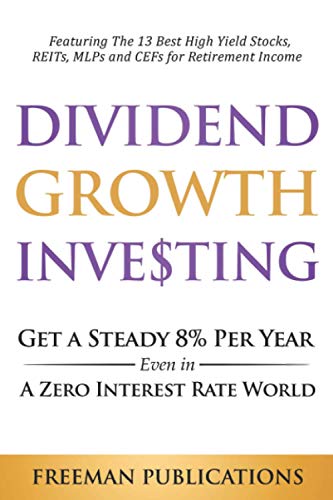
- Covers stocks, REITs, MLPs, and CEFs for income
- Explains yield traps and valuation basics
- Uses plain-English guidance with concrete examples
Best For: Readers wanting an accessible, example-driven dividend income book
Quick Start Pick

- Short, easy-to-follow audiobook
- Simple dividend investing examples
- Aimed at passive income and independence
Best For: Beginners seeking a fast introduction
Income Portfolio Pick
Dependable Income to Navigate All Market Environments

- Builds a dependable dividend income portfolio
- Covers research, diversification, and cuts
- Includes client-based investing insights
Best For: Investors building an income-focused portfolio
Classic Starter Pick
All About Dividend Investing, Second Edition

- Broad introduction to dividend basics
- Covers tax, risk, and portfolio design
- Includes dividend funds and ETFs
Best For: Readers wanting a foundational classic
Beginner-Friendly Dividend Basics – Dividend Investing Made Easy
If you want dividend investing books that break the strategy down fast, this short audiobook is built for complete beginners. It focuses on the basics of setting up a dividend portfolio, opening a brokerage account, avoiding commissions, and learning which dividend stocks are safer to consider and which to avoid.
Best For: New investors who want a quick, simple introduction to building a dividend stock portfolio.
Pros:
- Explains how to set up a dividend stock portfolio from scratch
- Includes practical guidance on brokerage accounts and commission-free trades
- Covers safer dividend stocks, risky picks to avoid, and bear market ideas
- Very short listening length, making it easy to finish quickly
Cons:
- Audio-first format may not suit readers who prefer a longer print deep dive
- Focused on fundamentals rather than advanced portfolio tactics
- Best for beginners, so experienced dividend investors may want more depth
As a starter-friendly option, this book is strongest when you want a fast, practical overview without getting buried in jargon. It works well as an entry point before moving on to more detailed dividend investing books.
Systematic Income Strategy – Get Rich with Dividends
Among dividend investing books, this one is aimed at readers who want a structured, low-maintenance system rather than broad theory. It centers on the author’s 10-11-12 system, with a focus on generating quarterly or monthly income, seeking double-digit returns, and building a more conservative dividend strategy.
Best For: Investors who want a proven, rules-based dividend approach with an emphasis on income and lower upkeep.
Pros:
- Built around a clear 10-11-12 dividend investing system
- Targets minimal maintenance and long-term income generation
- Focuses on conservative, lower-risk investing principles
- Includes guidance on structuring investments for greater security
Cons:
- Some return expectations may feel ambitious to cautious readers
- Strategy-specific approach may not appeal to investors seeking a broader market guide
- Less suited to readers who want a very basic beginner primer
This edition is a strong fit if you want a dividend book with a defined framework you can follow over time. It stands out for readers who value process, income, and a hands-off style of investing.
Beginner Portfolio Playbook – Dividend Investing for Beginners
If you’re comparing dividend investing books to find one that covers the full starter path, this guide is aimed squarely at beginners. It explains how to choose dividend stocks, build a portfolio, avoid common mistakes, and understand the role of taxes and retirement income planning in dividend investing.
Best For: First-time investors who want a broad beginner roadmap to dividend stocks and passive income.
Pros:
- Covers the full starting process, from stock selection to portfolio setup
- Highlights 11 common mistakes and how to avoid them
- Explains why high dividends do not always mean a good investment
- Includes basics on diversification, taxes, and retirement income ideas
Cons:
- The description is broad, so advanced investors may want more depth
- Best suited to beginners rather than experienced dividend stock pickers
- Some sections appear focused on general education instead of detailed analysis
This book works well as a practical first stop if you want a wider view of dividend investing before making your first move. It is especially useful if you want a step-by-step foundation and common-sense guardrails.
Revised Dividend Income System – Get Rich with Dividends (3rd Edition)
Get Rich with Dividends: A Proven System for Earning Double-Digit Returns (Agora Series)
Check Price On AmazonFor readers browsing dividend investing books with a newer edition in mind, this revised third edition updates the bestselling guide around the author’s 10-11-12 System. It focuses on generating substantial returns without taking on undue risk, while keeping the strategy simple enough that you do not have to babysit each investment.
Best For: Readers who want the latest edition of a dividend income strategy book with a low-risk, low-maintenance angle.
Pros:
- Revised third edition with updated presentation of the 10-11-12 System
- Targets significant income while aiming to reduce risk
- Designed to be low maintenance and easy to manage over time
- Useful for retail investors and readers interested in financial markets
Cons:
- Strategy-driven format may not suit readers who want a general investing survey
- Return goals may feel optimistic for very conservative investors
- Best fit for those interested in a specific dividend income framework
This edition is a solid pick if you want a current version of a proven dividend system with a practical, no-fuss tone. It is most compelling for investors who value a straightforward income method and want a book that stays focused on execution.
Dividend Growth Foundation – The Case for Dividend Growth
If you want dividend investing books that focus on both income and the growth of that income, this one lays out a clear case for dividend growth as a practical long-term strategy. It emphasizes how dividend growth can support both investors accumulating for the future and those already withdrawing income, especially in volatile markets.
Best For: Investors who want a straightforward introduction to dividend growth investing for either building wealth or drawing income.
Pros:
- Centers on dividend growth, not just current yield
- Addresses both accumulation and retirement income use cases
- Highlights the value of reinvested and rising dividends during volatility
Cons:
- At 192 pages, it is a shorter overview rather than an exhaustive manual
- Focused specifically on dividend growth, so it may not suit readers wanting broader investing topics
This is a solid pick if you want a concise book that frames dividend growth as a sustainable, goals-based strategy. It is especially useful if you prefer an income approach that also considers long-term portfolio growth.
Retirement Income Playbook – How to Retire on Dividends
Among dividend investing books aimed at retirement income, this title is built around one clear promise: generating more yield from dividend-paying stocks while leaving principal intact. It is written for readers who want practical ideas for turning modest stock yields into a larger income stream without relying on low-rate bank or Treasury income.
Best For: Investors who want an income-focused guide for building a dividend portfolio aimed at retirement cash flow.
Pros:
- Targets retirement income directly with a no-withdrawal portfolio concept
- Explains how to pursue higher yields than typical blue-chip payouts
- Positions dividend income as an alternative to low-rate savings and bonds
Cons:
- Yield-focused framing may not appeal to conservative dividend investors
- Promises of 8% income should be read carefully by buyers comparing risk and return
This is a strong fit if your main goal is income production rather than broad market education. The tone is direct and practical, making it easy to evaluate whether its dividend-income approach matches your retirement plan.
Yield Strategy Guide – Dividend Growth Investing
If you are comparing dividend investing books for practical portfolio ideas, this one leans heavily into yield strategies, retirement income, and plain-English explanations. It also includes examples across high-yield stocks, REITs, MLPs, and CEFs, along with a built-in warning about the yield trap.
Best For: Readers who want an accessible, example-heavy dividend investing guide with a retirement-income angle.
Pros:
- Covers multiple income vehicles, including stocks, REITs, MLPs, and CEFs
- Explains the yield trap and how to think about valuation
- Written in plain English with defined financial terminology
Cons:
- Uses a promotional, high-yield-heavy framing that may not suit every investor
- Some stock examples are tied to specific opportunities and timing references
This book is a good choice if you want a more hands-on dividend guide that goes beyond theory. It seems especially useful for readers who want concrete examples and a clearer path to analyzing income investments on their own.
Quick Start Pick – Dividend Growth Machine
Dividend Growth Machine: How to Supercharge Your Investment Returns with Dividend Stocks
Check Price On AmazonIf you want dividend investing books that explain the basics fast, Dividend Growth Machine is a short audiobook that keeps things simple. It focuses on how dividend stocks can help improve returns, reduce worry, and support passive income in retirement, making it a practical starting point for beginners who want a clear overview without a long read.
Best For: Beginners who want a short, straightforward introduction to dividend investing and passive income.
Pros:
- Very concise at 1 hour and 49 minutes
- Uses simple examples that are easy to follow
- Focuses on dividend income and financial independence
- May appeal to listeners who want a quick refresher
Cons:
- Short length may feel too light for advanced investors
- Coverage appears more introductory than comprehensive
- Audio-only format may not suit every reader
This is a practical pick if you want a fast, no-frills primer on dividend investing rather than an in-depth strategy manual. It is best viewed as an accessible entry point into dividend stocks and retirement income planning.
Income Portfolio Pick – Dependable Income to Navigate All Market Environments
Among dividend investing books, this title is geared toward building a dependable income stream from dividend-paying stocks. It lays out how to research stocks, diversify by company style and sector, and handle dividend cuts or other surprises, so it reads like a practical guide for investors who want a more organized approach to income investing.
Best For: Investors who want a structured guide to building and maintaining a dividend income portfolio.
Pros:
- Explains how to research stocks to reduce downside risk
- Covers portfolio construction and diversification
- Addresses dividend cuts and negative surprises
- Includes insights from the author’s client experiences
Cons:
- Listener length is moderate, so it may not be a quick skim
- More focused on income portfolio management than broad investing theory
- May feel detailed for readers only wanting a basic overview
This is the strongest fit if you want a process-driven dividend investing book centered on dependable income and portfolio maintenance. It emphasizes real-world portfolio decisions rather than hype, which should appeal to disciplined investors.
Classic Starter Pick – All About Dividend Investing, Second Edition
All About Dividend Investing, Second Edition: The Easy Way to Get Started (All About Series)
Check Price On AmazonIf you are comparing dividend investing books and want a classic, back-to-basics option, this second edition offers a straightforward case for dividend-paying stocks as a portfolio foundation. It discusses tax advantages, dividend ratios, portfolio design, risk management, and dividend-based funds, making it a broad starter guide for investors who want a practical overview.
Best For: Beginners and long-term investors looking for a foundational dividend investing guide.
Pros:
- Covers core dividend investing concepts in a clear, practical way
- Includes tax advantages and key stock metrics
- Touches on portfolio design and risk protection
- Mentions dividend mutual funds and ETFs
Cons:
- Originally published in 2010, so some market context is dated
- May be too foundational for experienced dividend investors
- Focuses on broad principles more than advanced tactics
This is a solid all-around choice if you want an established introductory book on dividend investing rather than a niche or highly specialized title. Its strength is coverage of the fundamentals that matter most when starting out.
How We Picked These Dividend Investing Books
We prioritized books that offer clear, actionable guidance on dividend strategy, income reliability, and portfolio construction. The best picks are written for real investors, not just theory readers, and they cover a range of experience levels from beginner to more advanced income-focused planning.
We also looked for practical value: books that explain dividend yield, payout ratios, dividend growth, sector concentration, and the tradeoffs between chasing high income and building sustainable cash flow.
Quick Comparison of the 10 Books
If you are new to Dividend Investing Books, start with beginner-friendly titles that explain the basics in plain language. If you already own dividend stocks, consider books that focus on dividend growth, retirement income, or building a resilient portfolio across market cycles.
Some titles are better suited to investors who want a step-by-step system, while others lean toward long-term philosophy and capital preservation. That makes it easier to match the book to your current stage and goal.
Key Buying Factors for Dividend Investing Books
Experience Level
Choose a book that matches your starting point. Beginners usually benefit most from books that explain terminology, screening methods, and how dividends actually work. More experienced investors may want deeper coverage of dividend growth, valuation, and portfolio design.
Income Vs. Growth Focus
Not all dividend strategies are the same. Some books emphasize immediate income, while others focus on companies that raise payouts over time. If you want a dependable retirement stream, look for a balance of income durability and growth potential.
Risk and Sustainability
The best Dividend Investing Books do more than highlight high yields. They help you evaluate payout safety, business quality, and the risk of dividend cuts, which can matter more than headline yield.
Portfolio Application
Good books should help you take action. Look for clear guidance on diversification, reinvestment, tax awareness, and how dividends fit into a broader financial plan.
Who Should Buy Which Dividend Investing Books?
Beginners should choose straightforward, step-by-step guides that explain how to start without overwhelming jargon. Investors seeking retirement income may prefer books centered on dependable cash flow and principal preservation. Those focused on long-term wealth building may get more value from dividend growth and total-return oriented titles.
If you want a single recommendation style, pick the book that best matches your investing goal: learn the basics, build a portfolio, or refine an existing dividend strategy. The right Dividend Investing Books can help you avoid common mistakes and make more confident decisions in 2026.