Vampire fiction has lasted for a reason: the best classics still feel moody, elegant, and unsettling decades later. If you want the essential stories in one place, a curated collection is the easiest way to start.
These vampire classic book collections range from slim anthologies to deluxe hardcovers, making them useful for first-time readers, gothic horror fans, and collectors looking for display-worthy editions.
Best 10 Vampire Classic Book Collections Picks for 2026
Epic Vampire Saga Collection
The Vampire Chronicles Collection

- Contains the first three Vampire Chronicles novels
- Anne Rice's lush, sensual vampire storytelling
- Huge 1,696-page omnibus for deep reading
Best For: Readers who want a major Anne Rice vampire collection
Foundational Gothic Selection
The Vampyre and Other Tales of the Macabre

- Centers on Polidori's influential 1819 vampire tale
- Adds 13 more mystery and macabre stories
- Oxford edition includes notes, intro, and appendices
Best For: Readers who want an annotated early vampire and gothic collection
Multi-Author Vampire Anthology
The Penguin Book of Vampire Stories

- Stories by Bram Stoker, Leiber, Matheson, Bloch, and others
- Wide mix of vampire styles and tones
- 640-page anthology with strong reading variety
Best For: Readers who want a broad sampler of classic vampire stories
Collector's Dracula Edition
Dracula (The Gothic Chronicles Collection): Deluxe Edition

- Bram Stoker's defining 1897 vampire novel
- Foil-accented hardcover with decorative interiors
- Strong collector appeal for Gothic shelves
Best For: Collectors who want a premium edition of Dracula
Annotated Gothic Classic
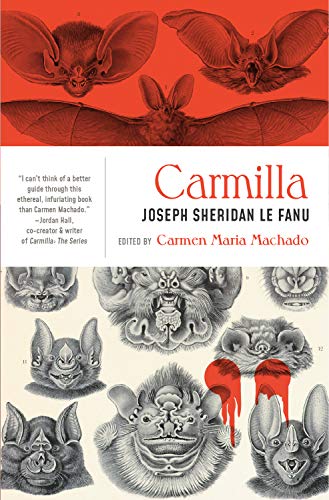
- Annotated and illustrated edition.
- Compact 160-page classic novella.
- Influential vampire tale before Dracula.
Best For: Readers who want a short, illustrated, annotated vampire classic.
Hardcover Collectible Classic

- Unabridged hardcover classic edition.
- Easy-to-read type and striking cover design.
- Affordable giftable keepsake.
Best For: Readers and gift buyers wanting an affordable collectible hardcover of Dracula.
Classic Anthology Deep Dive
The Best Vampire Stories 1800-1849

- Early vampire stories from 1800-1849.
- Includes rare, long-unavailable tales.
- Adds backgrounds, photos, and foreword.
Best For: Readers who want a scholarly anthology on the origins of vampire fiction.
Foundational Four

- Four foundational vampire works in one volume
- Includes Dracula, Carmilla, The Vampyre, and Dracula’s Guest
- 446-page?
Best For: Readers seeking a single-volume starter set of early vampire fiction
Deluxe Showpiece

- Hardcover deluxe edition with sprayed edges and foil
- Includes illustrations and 495 pages
- Single-copy Dracula format for display or gifting
Best For: Buyers who want a premium collector’s copy of Dracula
Scholar’s Anthology

- Twenty-five pre-Dracula vampire pieces
- Edited with introduction and notes
- Broad literary range beyond the famous titles
Best For: Readers wanting a scholarly pre-Dracula vampire anthology
Epic Vampire Saga Collection – The Vampire Chronicles Collection
If you want vampire classic book collections with real scope, this omnibus of Anne Rice’s first three Vampire Chronicles novels is an easy place to start. It brings together Interview with the Vampire, The Vampire Lestat, and The Queen of the Damned in one long-form volume, making it a strong pick for readers who want a full immersion in Rice’s lush, seductive take on the undead.
Best For: Readers who want a substantial single-volume entry into Anne Rice’s early vampire saga.
Pros:
- Includes the first three classic Vampire Chronicles novels in one collection.
- Features Anne Rice’s signature atmospheric, sensual, and highly readable storytelling.
- Large 1,696-page volume offers plenty of reading value for fans of epic vampire fiction.
Cons:
- This is a long read, so it may not suit buyers looking for a quick standalone novel.
- Best fit for readers already interested in Anne Rice’s style and mythology-driven approach.
This collection is a practical buy if you want a major cornerstone of modern vampire fiction in one place. The combined novels trace the myth from personal confession to broader, more mythic scope, which gives the set real staying power for classic horror shelves.
Foundational Gothic Selection – The Vampyre and Other Tales of the Macabre
For readers browsing vampire classic book collections with literary and historical context, this Oxford World’s Classics volume is a smart, compact option. It centers on John Polidori’s 1819 tale The Vampyre and adds thirteen other mystery and macabre stories, giving you a broader look at early vampire and gothic fiction in one scholarly edition.
Best For: Readers who want an affordable, study-friendly collection of early vampire and gothic tales.
Pros:
- Includes The Vampyre, one of the foundational vampire texts in English literature.
- Adds 13 other tales of mystery and the macabre for a wider gothic sampler.
- Oxford World’s Classics edition includes an introduction, notes, and appendices.
Cons:
- Less focused on novel-length storytelling and more on shorter literary tales.
- The academic presentation may appeal more to students and classic-lit readers than casual horror shoppers.
This is a strong pick if you want the roots of vampire fiction rather than a modern horror binge. The combination of primary text, related material, and editorial support makes it especially useful for readers who like context with their classics.
Multi-Author Vampire Anthology – The Penguin Book of Vampire Stories
If you want vampire classic book collections that sample the genre across multiple authors, this Penguin anthology is a strong all-around choice. It gathers vampire stories from Bram Stoker, Fritz Leiber, Richard Matheson, Robert Bloch, Tanith Lee, and others, so you get a broad tour of literary vampire fiction rather than just one author’s universe.
Best For: Readers who want a wide-ranging anthology of vampire stories from major horror writers.
Pros:
- Collects vampire stories from several well-known masters of literary horror.
- Offers a broad mix of vampire types, from doomed to daring to metamorphic.
- Substantial 640-page volume gives you many stories in one book.
Cons:
- Because it is an anthology, the reading experience is less continuous than a novel collection.
- Edition is older, so it may not have the collector styling of newer deluxe releases.
This anthology works well if you want variety and a strong cross-section of vampire fiction. It’s the kind of collection that helps you compare different authors’ takes on the myth without committing to a single long series.
Collector's Dracula Edition – Dracula (The Gothic Chronicles Collection): Deluxe Edition
For shoppers comparing vampire classic book collections, this deluxe Dracula edition stands out as the essential single-title pick. Bram Stoker’s novel defined the modern vampire myth, and this Harper Curated Classics release packages the story in a collector-friendly hardcover with foil accents and decorative interior pages, making it appealing both as a reading copy and as a display book.
Best For: Collectors and classic-lit readers who want a premium edition of the definitive vampire novel.
Pros:
- Includes Bram Stoker’s landmark 1897 novel that shaped the modern vampire myth.
- Deluxe hardcover features foil accents, bold design, and decorative interior pages.
- Part of a curated Gothic collection, which adds shelf appeal for classic horror fans.
Cons:
- This is a single novel rather than a multi-book vampire collection.
- Collector packaging may matter more here than budget value.
If your priority is owning the core vampire classic in a presentation-worthy format, this edition is easy to recommend. It combines the historical importance of Dracula with the kind of design details that make a book feel special on the shelf.
Annotated Gothic Classic – Carmilla
If you’re browsing vampire classic book collections, Carmilla is a smart pick for readers who want the roots of modern vampire fiction in a compact, annotated edition. This Lanternfish Press release pairs Sheridan Le Fanu’s influential novella with illustrated presentation, making it a strong choice for anyone who wants an accessible but still collectible classic.
Best For: Readers who want a short, illustrated, annotated vampire classic with strong literary influence.
Pros:
- Annotated and illustrated edition adds context and visual appeal.
- Compact 160-page format makes it an easy classic to finish.
- Includes the influential original tale that predates Dracula.
- Useful for readers interested in gothic atmosphere and vampire literary history.
Cons:
- Much shorter than full-length vampire novels or anthologies.
- The story’s older style may not suit readers wanting modern pacing.
This edition stands out when you want a historically important vampire book in a small, attractive package. It works well as an entry point into classic vampire literature or as a shelf-worthy copy for collectors.
Hardcover Collectible Classic – Dracula
For vampire classic book collections, this Dover Bookshelf hardcover edition of Dracula is aimed at readers who want the unabridged novel in a collectible format. The notes emphasize easy-to-read type, a striking cover design, and an affordable hardcover presentation, so it fits well if you want a display-worthy edition of Bram Stoker’s landmark horror story.
Best For: Readers and gift buyers who want an affordable collectible hardcover of Dracula.
Pros:
- Unabridged original text in a hardcover collectible edition.
- Easy-to-read type is designed for a more comfortable reading experience.
- Striking cover design makes it appealing on a bookshelf.
- Affordable keepsake positioning makes it practical for gifting.
Cons:
- Large 464-page length may feel substantial for casual readers.
- Focuses on presentation rather than added annotation or extras.
This is a strong pick if you want a classic vampire novel that doubles as a decorative hardcover. It offers the core text in a polished edition without pushing the price into premium-collector territory.
Classic Anthology Deep Dive – The Best Vampire Stories 1800-1849
If you want vampire classic book collections that go beyond the famous novels, this anthology is built for historical depth. Andrew Barger gathers early English-language vampire stories from 1800-1849, including rare and long-unavailable pieces, along with background notes, author photos, and a foreword that help frame the material for modern readers.
Best For: Readers who want a scholarly vampire anthology focused on early literary origins.
Pros:
- Collects important vampire stories from the first half of the 19th century.
- Includes rare and historically significant tales not widely reprinted.
- Provides story backgrounds, author photos, and a foreword.
- Offers a broader look at the origins of vampire lore in English-language fiction.
Cons:
- Best suited to readers interested in literary history more than a single continuous novel.
- As a 259-page anthology, it is less focused than a standalone classic.
This collection is ideal if your priority is seeing where vampire fiction began and how the genre developed early on. It delivers a curated historical sampling rather than just another edition of the most famous title.
Foundational Four – Vampire Classics Collection
If you want vampire classic book collections that cover the genre’s roots in one volume, this four-in-one edition is a practical pick. It gathers Dracula, Dracula’s Guest & Other Weird Stories, The Vampyre, and Carmilla in a single 466-page paperback-style hardcover-friendly edition, making it easy to read the foundational texts together.
Best For: Readers who want a compact starter collection of the earliest and most important vampire fiction.
Pros:
- Includes four cornerstone vampire works in one book
- Combines major classics by Stoker, Polidori, and LeFanu
- New, beautifully laid-out edition with 466 pages
- Covers the earliest roots of vampire fiction in one place
Cons:
- Not a deluxe illustrated collector’s edition
- Independent publishing may matter to some buyers
- Focused on foundational texts rather than a broad anthology
This is the most straightforward choice if your priority is substance over extras. It gives you the genre’s essential texts in one clean package, which makes it a strong value for anyone building a vampire literature shelf.
Deluxe Showpiece – Dracula Collector’s Edition
Dracula: A Deluxe Hardcover Collector's Edition of the Bestselling Vampire Classic
Check Price On AmazonFor shoppers comparing vampire classic book collections and wanting a presentation piece, this deluxe hardcover edition of Dracula is built to stand out. It features sprayed edges, foiled embellishments, and illustrations, while preserving the novel’s epistolary structure of letters, diary entries, and newspaper articles.
Best For: Buyers who want a premium-looking single copy of Dracula for reading, display, or gifting.
Pros:
- Deluxe hardcover format with sprayed edges and foil details
- Includes illustrations for a more decorative reading experience
- Classic text presented in a collector-style edition
- 495 pages in a substantial hardback package
Cons:
- Covers only Dracula, not a multi-book collection
- Publication date is listed as October 7, 2025
- Heavier 2-pound format may be less travel-friendly
This edition makes sense if you already know you want Stoker’s novel and care about the physical book as much as the story. It is less of an anthology and more of a display-worthy collector’s copy.
Scholar’s Anthology – Vampire Tales
If you want vampire classic book collections with a wider literary range, Vampire Tales offers a strong curated anthology from Oxford World’s Classics. Edited by Nick Groom, it gathers twenty-five pieces from before Dracula, including familiar names and lesser-known writers, with an introduction and notes that frame the development of vampire literature across the nineteenth century.
Best For: Readers who want a scholarly anthology that shows how vampire fiction evolved before Stoker.
Pros:
- Collects 25 vampire-related pieces in one hardback volume
- Includes writers such as Byron, Poe, Le Fanu, Stevenson, and Bierce
- Edited with introduction and notes for context
- Broadens the focus beyond the best-known vampire novels
Cons:
- More academic in tone than a casual reading collection
- Not centered on the most famous full-length vampire novels alone
- Details suggest a reference-minded edition rather than a gift edition
This is the best fit for readers who want variety and historical context, not just the headline titles. It works especially well if you’re interested in the many forms vampire fiction took before Dracula became the standard reference point.
How We Picked These Vampire Classic Book Collections
We focused on collections that give readers strong value beyond a single title: multiple classic stories, reputable publishers, durable binding, and presentation that suits both reading and collecting. We also looked for breadth, so this list includes canonical novels, short-story anthologies, and themed sets.
Quick Comparison
The main differences come down to format and scope. Some editions center on Dracula alone in upgraded hardcover form, while others bundle several cornerstone texts such as Carmilla, The Vampyre, and related tales. Anthologies are better for discovery; single-novel collector editions are better if you want one showpiece volume.
Key Buying Factors for Vampire Classic Book Collections
1. Story Selection
If you want the core vampire canon, look for collections that include Dracula, Carmilla, and The Vampyre. If you want a wider reading experience, choose anthologies that add lesser-known stories from the 19th century and early gothic tradition.
2. Edition Quality
For gifting or display, pay attention to hardcover construction, dust jackets, paper quality, and whether the book includes illustrations, ribbon markers, or special finishes. In Vampire Classic Book Collections, presentation often matters as much as content.
3. Reading Format
Compact trade paperbacks are practical for bedside reading and travel. Deluxe hardcovers suit collectors, while anthology-style editions are ideal if you want one purchase to cover several major vampire texts.
4. Editorial Value
Oxford, Penguin, Dover, and curated collector imprints often provide useful introductions, notes, and historical context. That can make older texts easier to appreciate, especially for readers new to gothic literature.
Who Should Buy Which Vampire Classic Book Collections?
Choose a multi-book anthology if you want variety and the fastest path into classic vampire fiction. Pick a deluxe Dracula edition if you mainly want a display-worthy centerpiece. Go for a broader collection if you’re building a gothic library or buying a gift for a horror fan who appreciates literary history.
If you’re unsure, start with a collection that includes several foundational titles rather than a single novel. It gives you a fuller view of the genre and usually the best long-term value.