Japanese folklore books open a window into a world of mischievous yokai, ancient legends, ghost stories, and timeless folktales. Whether you want a reference guide or a story-rich collection, the right book can make Japanese myth feel vivid and approachable.
In this roundup, we focus on titles that balance cultural depth, readability, and lasting value for curious beginners, students, and folklore fans alike.
Best 10 Japanese Folklore Books Picks for 2026
Encyclopedic Yokai Guide

- Profiles spirits, monsters, and yokai
- Pairs each entry with cultural context
- Four-color illustrations and stained edges
Best For: Readers who want a visually polished yokai reference
Folktale Reader With Context
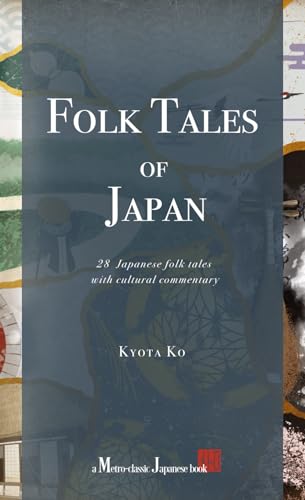
- 28 Japanese folk tales in one volume
- Adds cultural and historical commentary
- Compact and lightweight paperback
Best For: Readers wanting a simple folktale anthology with explanations
Scholarly Yokai Overview

- Research-based look at yokai
- Over fifty creature entries
- Connects folklore to modern pop culture
Best For: Readers seeking a deeper, analytical yokai introduction
Illustrated Tale Collection
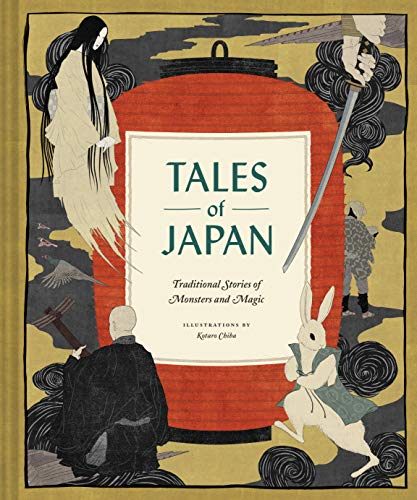
- 15 traditional Japanese folk tales
- Full-page illustrations by Kotaro Chiba
- Hardcover with ribbon marker
Best For: Gift buyers wanting a handsome illustrated folktale collection
Expanded Yokai Guide
The Book of Yokai, Expanded Second Edition

- Expanded and updated second edition
- Fifty new illustrations plus color gallery
- Covers folklore, meaning, and pop-culture influence
Best For: Readers who want a cultural guide to yōkai and Japanese supernatural folklore
Classic Story Collection

- 22 classic Japanese tales in English
- Includes Momotaro and other well-known stories
- Approachable for younger and adult readers
Best For: Readers who want a straightforward anthology of classic Japanese folktales
Massive Tale Anthology

- 220 tales from medieval Japan
- Mixes miracles, jokes, legends, and ghosts
- Black-and-white illustrations throughout
Best For: Readers who want a broad anthology of medieval Japanese storytelling
Bilingual Folktale Collection
Japanese Myths, Legends & Folktales

- 12 classic tales in English and Japanese
- Includes furigana for language support
- 98 color illustrations for visual engagement
Best For: Families, teachers, and beginner Japanese learners
Classic Anthology

- 30 stories including myths and ghost tales
- Written for English speakers with historical context
- 31 woodblock print reproductions included
Best For: Adult readers seeking a broad folklore anthology
Myth-and-Culture Guide
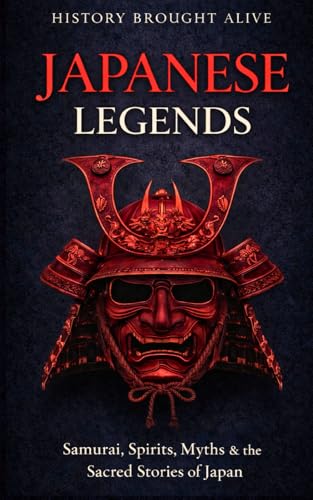
- Explains myths, samurai, kami, and yokai
- Connects folklore to rituals and festivals
- Accessible modern-style introduction
Best For: Readers who want myth context beyond story collections
Encyclopedic Yokai Guide – The Book of Japanese Folklore
If you want Japanese folklore books that mix creature lore with cultural context, this encyclopedia-style guide is a strong pick. It profiles spirits, monsters, and yokai such as kitsune, oni, kappa, and tanuki, then connects each entry to a retold tale and its place in modern pop culture.
Best For: Readers who want a visually polished, easy-to-browse reference on yokai and folklore in modern Japanese culture.
Pros:
- Covers a wide range of legendary beings, spirits, and monsters.
- Includes cultural significance plus a related tale for each entry.
- Four-color illustrations and stained edges give it a giftable presentation.
- Links folklore to anime, manga, movies, and games.
Cons:
- At 240 pages, it is more of a focused overview than a deep academic study.
- Best suited to yokai and creature lore rather than broad Japanese history.
This is a practical choice if you want one of the more modern, visually appealing Japanese folklore books with a strong focus on legendary beings and their cultural afterlife.
Folktale Reader With Context – Folk Tales of Japan
For shoppers comparing Japanese folklore books, this collection stands out for pairing 28 folk tales with concise cultural and historical commentary. It is designed as an accessible entry point, helping readers understand what the stories may reflect about Japanese beliefs, customs, and history.
Best For: Readers who want a compact folktale anthology with straightforward cultural explanation.
Pros:
- Includes 28 Japanese folk tales in one volume.
- Each story comes with digestible cultural and historical background.
- Small, lightweight format makes it easy to carry.
- Good starting point for learning Japanese culture through stories.
Cons:
- Independent publication with a simpler presentation than deluxe editions.
- Less focused on yokai entries or illustrated reference material.
If you want a readable, no-frills anthology that explains the background behind the tales, this is a solid entry-level option among Japanese folklore books.
Scholarly Yokai Overview – The Book of Yokai
Among Japanese folklore books, this is the most research-driven pick in the group. It explores yokai as a concept, tracing their roots in local legends, folktales, and ghost stories, while also explaining how they continue to shape anime, manga, film, and games.
Best For: Readers who want a deeper, research-based introduction to yokai and folklore studies.
Pros:
- Draws on years of research in Japan.
- Explains the cultural context and meaning of yokai.
- Includes detailed entries on more than fifty creatures.
- Connects folklore to modern popular culture and storytelling.
Cons:
- More academic in tone than a casual story collection.
- Focused on yokai rather than a broad range of folktales.
This is a strong choice if you want one of the most authoritative Japanese folklore books on yokai and are comfortable with a more analytical approach.
Illustrated Tale Collection – Tales of Japan
If you want Japanese folklore books that lean into presentation, this illustrated collection is an easy recommendation. It gathers 15 traditional stories drawn from folklorists Lafcadio Hearn and Yei Theodora Ozaki, with bold design, a ribbon marker, and a full-page illustration for each tale.
Best For: Gift buyers and readers who want a handsome illustrated folktale collection.
Pros:
- Features 15 traditional Japanese folktales.
- Includes striking illustrations by contemporary Japanese artist Kotaro Chiba.
- Hardcover presentation with satin ribbon page marker.
- Works well as a gift or display book.
Cons:
- Contains fewer stories than some other anthologies.
- More focused on presentation than background commentary.
This is the best fit if you want a visually impressive volume that presents classic tales in a polished, collectible format.
Expanded Yokai Guide – The Book of Yokai, Expanded Second Edition
The Book of Yokai, Expanded Second Edition: Mysterious Creatures of Japanese Folklore
Check Price On AmazonIf you want Japanese folklore books that go beyond simple story collections, this expanded edition is a strong pick. It focuses on yōkai—creatures like tengu, kappa, kitsune, and other supernatural beings—while also explaining how folklore is created, transmitted, and interpreted across history and popular culture.
Best For: Readers who want a cultural and historical guide to Japanese monsters, spirits, and folklore in one accessible volume.
Pros:
- Significantly expanded second edition with updated content.
- Includes fifty new illustrations and an all-new color yōkai gallery.
- Explains the meaning, history, and cultural context behind yōkai.
- Connects folklore to anime, manga, film, and video games.
Cons:
- Focuses more on analysis than on traditional story anthologies.
- Best suited to readers interested in yōkai specifically, rather than all genres of folklore.
This is a smart choice if you want a modern, well-illustrated reference that links Japanese folklore with its wider influence. It offers depth without losing accessibility, making it useful for both casual readers and anyone building a more serious folklore shelf.
Classic Story Collection – Japanese Folktales
Japanese Folktales: Classic Stories from Japan's Enchanted Past (Tuttle Classics)
Check Price On AmazonFor readers looking for Japanese folklore books built around classic storytelling, this collection offers a broad introduction to Japan’s enchanted past. It gathers 22 well-known tales in English, featuring magical kingdoms, mythical creatures, and beloved characters like Momotaro, while keeping the tone approachable for young and adult readers alike.
Best For: Readers who want an easy-to-enjoy anthology of classic Japanese folktales.
Pros:
- Described as a complete collection of Japanese stories in English.
- Includes 22 classic tales featuring ghouls, goblins, dragons, and more.
- Accessible for both young and old readers.
- Compact 256-page format is easy to browse or gift.
Cons:
- Less analytical than folklore studies or reference-style books.
- Focused on a curated set of stories rather than an expansive scholarly overview.
This is a practical choice if you want a readable entry point into Japanese myths and legends. It works especially well for anyone who wants the stories first and the commentary second.
Massive Tale Anthology – Japanese Tales
If you’re comparing Japanese folklore books and want the widest range of short traditional narratives, this anthology stands out. It presents 220 tales from medieval Japan, spanning miracles, visions of hell, jokes, fables, legends, ghosts, saints, and deities in a format that gives a broad view of the culture.
Best For: Readers who want a large, varied anthology of medieval Japanese tales.
Pros:
- Contains 220 tales, making it the most expansive option here.
- Covers a wide mix of miracles, fables, legends, and supernatural stories.
- Black-and-white illustrations throughout.
- Part of the Pantheon Fairy Tale and Folklore Library.
Cons:
- More of a large anthology than a guided interpretive study.
- Older reissue may feel less visually polished than newer editions.
This book is the best fit when volume and variety matter most. It gives readers a strong cross-section of medieval Japanese storytelling and makes a solid reference for anyone who wants breadth over commentary.
Bilingual Folktale Collection – Japanese Myths, Legends & Folktales
Japanese Myths, Legends & Folktales: Bilingual English and Japanese Edition (12 Folktales)
Check Price On AmazonIf you’re comparing Japanese folklore books for children, classrooms, or beginner language study, this bilingual collection is a practical choice. It presents 12 classic tales in English and Japanese with furigana, plus vivid color illustrations that make the stories easy to follow and share.
Best For: Families, teachers, and young learners who want an illustrated bilingual introduction to Japanese folktales.
Pros:
- 12 classic stories presented in both English and Japanese
- Furigana support helps Japanese language learners
- 98 color illustrations add visual appeal for younger readers
- Suitable for classroom, library, and family use
Cons:
- Focused on younger readers, so it may feel simple for advanced folklore readers
- Only includes 12 tales, not a broad anthology
This is a strong pick if you want Japanese folklore books that blend cultural storytelling with language learning. The format is approachable and polished, with enough visual support to keep children engaged while still being useful for study.
Classic Anthology – Japanese Legends and Folklore
For readers who want Japanese folklore books with a wider historical and literary scope, this anthology is the most expansive of the three. It brings together 30 stories, ghost tales, sermons, and eyewitness accounts, offering a broad look at Japanese culture, religion, and history in one volume.
Best For: Adult readers and folklore enthusiasts who want a substantial English-language anthology with historical depth.
Pros:
- Includes 30 stories covering myths, legends, ghost stories, and historical accounts
- Written for English speakers and grounded in Japanese sources
- Features 31 reproductions of woodblock prints
- New foreword adds context to its importance in Japanese folklore studies
Cons:
- Less focused on children or beginner-friendly reading
- More text-heavy than illustrated story collections
This book stands out if you want a deeper, more classic entry in Japanese folklore books. It balances storytelling with cultural and historical material, making it a strong choice for readers who want more than a simple retelling.
Myth-and-Culture Guide – Japanese Legends
If you’re shopping for Japanese folklore books that connect myth to modern culture, this title takes a broader explanatory approach. It focuses on creation myths, samurai traditions, kami and yokai, haunted legends, and the way sacred stories still show up in festivals, rituals, and pop culture.
Best For: Readers who want an accessible overview of Japanese myths, spirits, and the cultural meaning behind them.
Pros:
- Covers creation myths, samurai history, and sacred traditions
- Explains how myths connect to festivals, rituals, and national identity
- Includes yokai, ghosts, dragons, oni, and other legendary figures
- Written in an accessible, modern style rather than a dry academic tone
Cons:
- Appears more interpretive than story-collection focused
- May be less useful if you want a traditional anthology of tales
This is a good fit if you want Japanese folklore books that emphasize meaning, context, and living tradition. It reads more like a guided introduction to Japan’s legendary worldview than a simple collection of folktales.
How We Picked the Best Japanese Folklore Books
We looked for books that offer strong editorial quality, clear organization, and real value for different kinds of readers. The best Japanese Folklore Books in this roundup range from encyclopedia-style references to story collections and bilingual editions, so you can choose by purpose rather than guessing from the cover.
We also favored books that handle translation and cultural context well, since accuracy and commentary matter a lot in folklore. For many readers, the best choice is not the longest book, but the one that matches how they want to read: browsing creatures, studying legends, or enjoying traditional tales.
Quick Comparison
If you want broad overviews of spirits and monsters, choose a reference-heavy title. If you prefer narrative flow, go with a folktale collection. If you are learning Japanese or want side-by-side text, a bilingual edition can be especially useful. Expanded editions are worth a look when you want more entries, notes, or updated scholarship.
Key Buying Factors for Japanese Folklore Books
Scope and Focus
Some Japanese Folklore Books concentrate on yokai and supernatural beings, while others emphasize folktales, myths, legends, or historical commentary. Decide whether you want a creature catalog, a story anthology, or a wider cultural survey.
Translation and Commentary
Good translation matters, but so does context. Commentary can explain regional customs, older references, and symbolic meanings that may not be obvious to first-time readers.
Reading Experience
Illustrations, chapter organization, glossary entries, and bilingual formatting all affect usability. A reader who wants quick browsing may prefer a visually rich reference, while someone reading cover to cover may want smoother narrative pacing.
Edition Value
For classic collections, check whether the edition is abridged, expanded, or newly annotated. In Japanese Folklore Books, a strong edition can be the difference between a basic sampler and a book you will return to often.
Who Should Buy Which Japanese Folklore Books?
Beginners should start with a broad, easy-to-navigate introduction to folklore and legendary creatures. Readers who love stories over summaries should choose a folktale anthology. Students, language learners, and serious enthusiasts may get more from bilingual or heavily annotated editions. Collectors and reference seekers should prioritize expanded books with deeper coverage of yokai, myths, and regional legends.
If you want one book to learn from and revisit often, look for the most balanced option: clear structure, strong cultural context, and enough variety to keep the material fresh.