If you want to understand how cities grew underground, subway history books offer a fascinating look at engineering, politics, labor, and urban change.
This roundup focuses on titles that make the history of transit systems vivid, credible, and worth reading whether you prefer New York–centric stories or a broader global view.
Best 10 Subway History Books Picks for 2026
Visual Transit History
Subway: The Curiosities, Secrets, and Unofficial History

- Hundreds of photographs and visual detail
- Covers history, culture, and engineering
- Includes abandoned stations and subway oddities
Best For: Readers who want a richly illustrated New York City subway history
Definitive NYC Lineage
722 Miles: The Building of the Subways and How They Transformed New York

- Tracks the subway from 1904 to the 1940s
- Shows how the system grew to 722 miles
- Written as a definitive, scholarly history
Best For: Readers who want a detailed, scholarly history of the New York City subway
Kids’ True Story Pick

- True story of Alfred Ely Beach’s underground train
- Illustrated picture-book format
- Best for preschool through early elementary readers
Best For: Young readers and families wanting a picture-book subway history
Global Subway Survey
Labyrinths of Iron, a History of the World's Subways

- Compares London, Paris, and New York
- Covers the history and development of subways
- Offers a broad international perspective
Best For: Readers who want a global overview of major subway systems
Photographic History Pick
The City Beneath Us: Building the New York Subway

- 175+ rare Transit Museum photos
- Covers cut-and-cover and deep tunneling
- Includes an illustrated subway history
Best For: Readers who want a photo-rich history of the New York City subway’s construction
Origins and Politics Pick
New York's Secret Subway: Alfred Beach and the Origins of Mass Transit
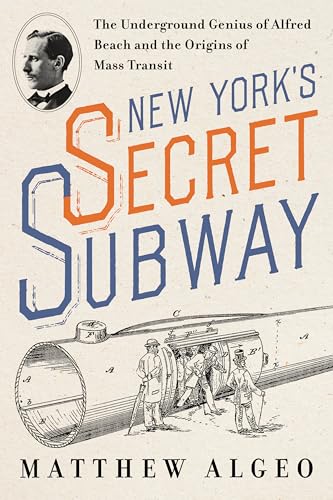
- Follows Alfred Beach’s pneumatic subway idea
- Covers Gilded Age politics and corruption
- Explains the first operational subway effort
Best For: Readers interested in the origins of mass transit and the politics behind early subway ideas
Unbuilt Lines Pick
The Routes Not Taken: A Trip Through New York City's Unbuilt Subway System

- Examines unbuilt and unfinished subway lines
- Built from research sparked by a 1929 map
- Covers political and financial obstacles
Best For: Readers who want the story of New York’s abandoned and unfinished subway expansions
City Rivalry Pick

- Boston vs. New York competition over the first subway
- Covers the science, politics, and labor behind construction
- Includes well-known names and the sandhogs who built it
Best For: Readers who want a vivid, narrative-driven history of America’s first subway
Design History Pick
Helvetica and the New York City Subway System
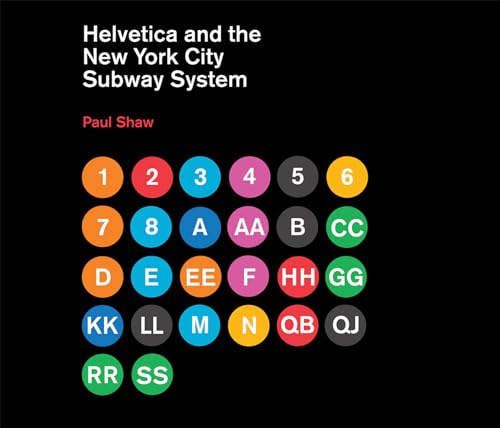
- Traces New York subway signage from chaos to consistency
- Features 250+ images, sketches, and documents
- Focuses on Helvetica, Unimark, and transit design
Best For: Readers interested in subway signage, typography, and New York transit design history
System Overview Pick

- Concise overview of New York’s subway origins and growth
- Explains expansion, companies, and red tape
- Unabridged audiobook format for easy listening
Best For: Listeners who want a quick, accessible introduction to the New York City subway
Visual Transit History – Subway: The Curiosities, Secrets, and Unofficial History
Subway: The Curiosities, Secrets, and Unofficial History of the New York City Transit System
Check Price On AmazonIf you want subway history books that mix hard history with lively visual detail, this one is a strong pick. It traces New York City’s subway from the first 1904 line through modern-day service, while also digging into abandoned stations, subway etiquette, fare collection, and the system’s place in popular culture.
Best For: Readers who want a richly illustrated, wide-ranging history of the New York City subway system.
Pros:
- Packed with hundreds of photographs and original research
- Covers major milestones, forgotten figures, and future plans
- Looks at culture, engineering, and subway oddities in one volume
Cons:
- Focused specifically on New York City, not a broad global survey
- The visual emphasis may be more appealing to some readers than others
This is a good choice if you want a subway history book that feels both informative and browseable. It balances technical history with colorful details, making it easy to dip into or read straight through.
Definitive NYC Lineage – 722 Miles: The Building of the Subways and How They Transformed New York
For readers comparing subway history books, this title stands out as a serious, definitive account of how the New York City system was built and expanded. It follows the subway from the first 22-mile route in 1904 through the 1940s, showing how the network grew into a 722-mile system and transformed the city.
Best For: Readers who want a detailed, scholarly history of the building of the New York City subway.
Pros:
- Traces the system’s expansion from the first line to 722 miles
- Focuses on the subway as an urban engineering achievement
- Includes a Centennial foreword that updates the historical perspective
Cons:
- Less visually driven than some other subway history books
- Centered on New York City rather than multiple world systems
This is the pick for readers who want depth over decoration. It reads like a substantial historical study, making it especially useful if you want the building story behind the subway’s growth.
Kids’ True Story Pick – The Secret Subway
If you’re shopping for subway history books for younger readers, this true story of New York City’s first subway is an easy recommendation. It tells how Alfred Ely Beach built a fan-powered underground train in the 1870s, turning a messy city street problem into a memorable engineering feat.
Best For: Young readers and families looking for a picture-book introduction to subway history.
Pros:
- Based on the true story of Alfred Ely Beach’s underground train
- Illustrated by a New York Times Best Illustrated artist
- Written for preschool through early elementary readers
Cons:
- Much shorter and simpler than adult subway history books
- Focused on one early episode rather than the full subway system
This is a smart buy if you want an engaging, child-friendly way to introduce transit history. Its picture-book format makes the story accessible while still staying rooted in a real event.
Global Subway Survey – Labyrinths of Iron, a History of the World's Subways
Among subway history books, this one is the broadest in scope because it looks beyond New York and traces subway development in London, Paris, and New York. It’s a practical choice if you want a cross-city history of how major underground systems developed and evolved.
Best For: Readers who want a global overview centered on the world’s major subway systems.
Pros:
- Covers subway history in London, Paris, and New York
- Offers a wider world-systems perspective than city-specific titles
- Provides a historical overview of subway development
Cons:
- Older publication may feel less current than newer books
- Less narrowly focused if you only want New York City subway history
This is the best fit if you want to compare major subway systems rather than study one city in isolation. Its international scope makes it useful for readers interested in the bigger picture of underground transit history.
Photographic History Pick – The City Beneath Us: Building the New York Subway
If you want subway history books that are as visual as they are informative, this New York City subway volume stands out for its access to rare Transit Museum photographs. It combines more than 175 historical images with an illustrated history of how the system was built, making it a strong choice for readers who want the engineering story behind the underground network.
Best For: Readers who want a photo-rich history of the New York City subway’s construction
Pros:
- Includes over 175 duotone photographs from New York Transit Museum collections
- Shows major construction methods like cut and cover, deep tunneling, and under-river tubes
- Pairs images with an engaging illustrated subway history
- Focuses on the engineering feats behind the centennial-era subway
Cons:
- Narrows in on the New York City subway rather than offering a broader transit survey
- Heavier, oversized format may be less convenient for casual reading
This is a strong pick if you value archival photos and want a historically grounded look at how the subway was actually built. The book’s main appeal is its combination of rare imagery and clear historical context.
Origins and Politics Pick – New York's Secret Subway: Alfred Beach and the Origins of Mass Transit
New York's Secret Subway: The Underground Genius of Alfred Beach and the Origins of Mass Transit
Check Price On AmazonFor readers looking for subway history books with a strong narrative angle, this title traces the story of Alfred Beach and his early pneumatic subway concept beneath Broadway. It grounds the history in Gilded Age politics, the fight against streetcar interests, and the surprising story of New York’s first operational subway experiment.
Best For: Readers interested in the origins of mass transit and the politics behind early subway ideas
Pros:
- Tells the story of Alfred Beach’s pioneering underground rail concept
- Explains how political corruption and business interests shaped subway history
- Provides historical context for the first operational subway in New York
- Richly illustrated and built around a true historical account
Cons:
- Focuses more on origins and politics than on the later full subway system
- As a deeper history, it may appeal more to readers with a strong transit interest
This is a smart choice if you want the backstory behind New York’s subway before the modern system fully took shape. It connects engineering ambition with the political realities that delayed mass transit for decades.
Unbuilt Lines Pick – The Routes Not Taken: A Trip Through New York City's Unbuilt Subway System
If you’re comparing subway history books and want something focused on unrealized plans, this one explores New York City’s unbuilt and unfinished subway lines. It draws on extensive research and illustrations to show how financial, political, and community obstacles shaped the system that exists today.
Best For: Readers who want the story of New York’s abandoned and unfinished subway expansions
Pros:
- Focuses on unbuilt and unfinished subway lines rather than the completed system
- Uses the 1929 expansion map as a springboard for historical research
- Covers major missed projects like the Second Avenue line and Hudson Tubes expansion
- Explains the compromises behind the city’s underground network
Cons:
- More specialized than a general subway history overview
- Centers on New York City, so it won’t suit readers seeking a broader transit history
This book is ideal if you enjoy the “what might have been” side of urban transit history. It offers a well-researched look at how subway expansion plans were repeatedly slowed, altered, or left unfinished.
City Rivalry Pick – The Race Underground
The Race Underground: Boston, New York, and the Incredible Rivalry That Built America’s First Subway
Check Price On AmazonIf you want subway history books that read like a big-city rivalry, The Race Underground focuses on how Boston and New York pushed underground transit from idea to reality. It ties the first subway era to congestion, the Blizzard of 1888, political tension, and the engineers and laborers who made the tunnels happen.
Best For: Readers who want a vivid, narrative-driven history of how America’s first subway came together.
Pros:
- Centers on the competition between Boston and New York.
- Connects subway building to broader late-19th-century social and political change.
- Includes famous figures as well as the workers who dug the tunnels.
- Explains both the science and the human cost of subway construction.
Cons:
- Focuses on the first-subway era rather than a broad system-wide survey.
- Best suited to readers who like detailed historical storytelling.
As a subway history book, this one stands out for turning infrastructure into a true American saga. It should appeal to readers who want history with context, conflict, and a strong sense of place.
Design History Pick – Helvetica and the New York City Subway System
Helvetica and the New York City Subway System: The True (Maybe) Story (Mit Press)
Check Price On AmazonFor subway history books with a design angle, Helvetica and the New York City Subway System traces how New York’s signage moved from visual clutter to a more uniform system. It covers the evolution from early mosaics and enamel signs to the white-on-black Helvetica look familiar today, with plenty of images to support the story.
Best For: Readers interested in subway signage, typography, and the design history behind New York City transit.
Pros:
- Shows the shift from a messy mix of signs to a consistent system.
- Includes more than 250 images, sketches, type samples, and documents.
- Explains the role of Unimark International and the transit authority sign shop.
- Places typography in the wider history of the NYC subway system.
Cons:
- Very focused on signage and type, not the full operational history of the subway.
- Shorter than many history books at 144 pages.
This is a strong pick if you want a narrower, visual take on subway history. It works especially well for readers who care about how transit systems communicate as much as how they move people.
System Overview Pick – The New York City Subway
The New York City Subway: The History of America's Largest and Most Famous Subway System
Check Price On AmazonIf you’re comparing subway history books and want a broad overview of New York’s system, The New York City Subway: The History of America’s Largest and Most Famous Subway System gives a concise look at why the city needed rapid transit and how companies dug beneath crowded streets. It also highlights the red tape and expansion challenges that came with building one of the nation’s best-known systems.
Best For: Listeners who want a quick, accessible introduction to the history of the New York City subway.
Pros:
- Covers the need for transit in a rapidly growing city.
- Explains how multiple companies helped build and expand the system.
- Notes the bureaucratic obstacles that slowed progress.
- Available as an unabridged audiobook for easy listening.
Cons:
- Much shorter than a traditional print history book.
- Less detailed than deep-dive narratives on subway construction or design.
This is a practical choice if you want a fast primer rather than a long-form study. It’s best for getting the big picture of how New York built and grew its subway network.
How We Picked These Subway History Books
We looked for Subway History Books that balance strong reporting, historical depth, and readability. The best picks cover major milestones, surprising side stories, and the people and decisions that shaped transit systems. We also favored books with clear scope, solid sourcing, and lasting value for general readers, students, and transportation enthusiasts.
Quick Comparison
Some of these titles focus tightly on the New York City subway, while others broaden out to hidden lines, unbuilt routes, and international system history. If you want a single-city deep dive, choose a NYC-focused book. If you want context across multiple transit systems, look for titles that compare cities or explain the broader evolution of underground rail.
Key Buying Factors for Subway History Books
Scope and Geography
Decide whether you want a New York-specific account or a wider survey of subway development. The more focused books usually provide richer detail, while broader books are better for understanding patterns across cities.
Depth Vs. Accessibility
Some Subway History Books read like serious urban history, with dense timelines and technical context. Others are written for casual readers and use storytelling to keep the subject lively. Pick the tone that matches how deeply you want to study the subject.
Topics Covered
The strongest books often explore more than train operations. Look for coverage of politics, construction, labor, design, expansion, public planning, and the social impact of transit. Those angles help explain why subway systems became so important to modern cities.
Use of Visuals and Archival Material
Photographs, maps, and historical documents can make a big difference, especially for readers who enjoy design and infrastructure. In Subway History Books, visual material often adds clarity to route changes, station planning, and unbuilt proposals.
Who Should Buy Which Subway History Books?
Choose a New York-focused title if you want the deepest dive into the city’s transit story. Go for a broader or comparative book if you’re interested in how subway systems developed in different cities. For readers who enjoy unusual urban history, pick books centered on secret lines, unbuilt routes, or lesser-known origins of mass transit.
If you are buying for a transit nerd, architecture fan, or history reader, these books make strong gifts because they combine big-city storytelling with practical historical insight.