Diesel locomotives reshaped North American railroading, and the right book can make that history far easier to understand. Whether you want technical detail, prototype history, or a visual reference, there’s a strong option for nearly every reader.
This roundup highlights diesel locomotive books that balance accuracy, readability, and value, helping you choose a title that matches your interest level and collecting goals.
Best 10 Diesel Locomotive Books Picks for 2026
Spotter's Reference
Guide to North American Diesel Locomotives

- All-time rosters for 100+ railroads
- Spotting features for major types
- Explains diesel characteristics and operation
Best For: Readers who want a roster-heavy North American diesel reference
Railroad History Spotlight
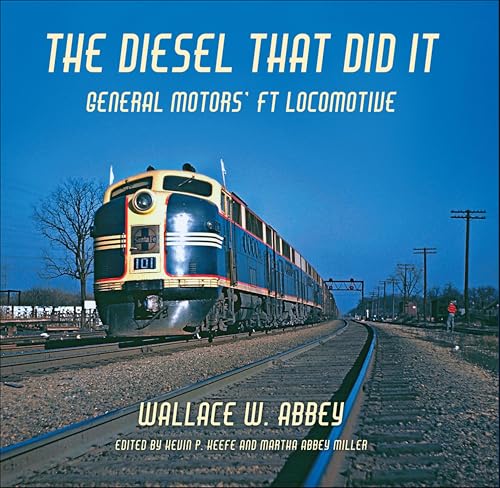
- History of the landmark FT locomotive
- More than 140 photographs included
- Covers EMC, GM, and Santa Fe connections
Best For: Readers who want a photo-rich history of the FT and its impact on railroading
Modern Reference Pick
Locomotives: The Modern Diesel and Electric Reference

- Updated through January 2023
- Over 300 photos of 120+ models
- Includes specs, build dates, and totals
Best For: Railfans who need a current photographic reference for modern North American diesel and electric locomotives
Classic Illustrated Pick
The American Diesel Locomotive

- Covers U.S. diesel-electric development
- Explains operation and maintenance
- Includes an appendix of restored early diesels
Best For: Readers looking for a concise illustrated overview of U.S. diesel locomotive development
Modern Diesel Reference
Locomotives: The Modern Diesel and Electric Reference

- Nearly 300 photos across 120+ locomotive models
- Tables for production totals, build dates, and specs
- Covers modern North American diesels and electrics
Best For: Railfans and modelers needing a visual modern locomotive reference
Diesel History Deep Dive
Evolution of the American Diesel Locomotive
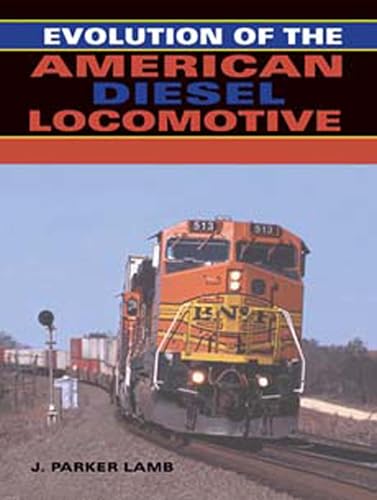
- Covers the rise of American diesel technology
- Includes detailed mechanical descriptions
- Adds historical, economic, and social context
Best For: Readers wanting an authoritative history of American diesel development
How It Works Guide
How Diesel and Electric Locomotives Work

- Breaks down locomotive systems and components
- Uses photos, charts, and mechanical illustrations
- Covers both diesel and electric locomotives
Best For: Beginners and enthusiasts wanting a clear mechanics guide
Photo-Rich Diesel History
Classic North American Diesel Development

- 250+ modern and period photos
- Covers EMD, Alco, Baldwin, and GE
- Detailed captions on iconic diesel models
Best For: Photo-focused readers interested in early North American diesel locomotives
Broad Locomotive Reference
Comprehensive North American Locomotives Directory

- 432 pages with 250+ locomotives
- Technical specs for each engine type
- Covers diesel, steam, and electric power
Best For: Readers wanting a wide locomotive reference with diesel coverage
Railroad History Classic
American Railroads From Steam to Diesel

- Covers the shift to diesel locomotives
- 100+ photographs and contemporary prints
- Based on original sources and firsthand accounts
Best For: Readers who want a readable American railroad history that reaches the diesel era
Spotter's Reference – Guide to North American Diesel Locomotives
If you’re shopping for diesel locomotive books that focus on identification and roster history, this guide is built for practical reference. It compiles all-time rosters for more than 100 major railroads in the U.S. and Canada through the 1970s, while also covering spotting features on the major locomotive types and basic diesel operation.
Best For: Readers who want a roster-heavy North American diesel reference with spotting help.
Pros:
- Covers more than 100 major U.S. and Canadian railroads through the 1970s.
- Includes spotting features for major locomotive types.
- Explains diesel locomotive characteristics and operation.
- Large 303-page format suited to detailed reference use.
Cons:
- Focuses on North American diesel locomotives rather than broader rail history.
- Coverage is centered on rosters and identification, not a narrative-driven approach.
This is a strong choice if you want one of the more practical diesel locomotive books for roster checking and field identification. The content is oriented toward reference use, making it useful for railfans who want facts at hand.
Railroad History Spotlight – The Diesel That Did It
The Diesel That Did It: General Motors' FT Locomotive (Railroads Past and Present)
Check Price On AmazonFor buyers comparing diesel locomotive books, this title stands out for its focused history of the FT diesel-electric locomotive. It traces the FT’s development at EMC and General Motors, its role in transforming freight railroading, and its close connection to Santa Fe, all supported by more than 140 photographs.
Best For: Readers who want a photo-rich history of the FT and its impact on railroading.
Pros:
- Centered on the legendary FT diesel-electric locomotive.
- Explores EMC and General Motors’ role in its development.
- Includes more than 140 photographs.
- Connects locomotive history with Santa Fe and broader railroad change.
Cons:
- Specialized topic, so it is not a broad locomotive overview.
- Best suited to readers interested in the FT and related history.
This book is a good pick if you prefer diesel locomotive books with a strong historical narrative and plentiful images. It offers depth on one landmark locomotive rather than a general survey, which makes it especially appealing to focused enthusiasts.
Modern Reference Pick – Locomotives: The Modern Diesel and Electric Reference
If you want diesel locomotive books that are current and photo-driven, this expanded reference is aimed at modern North American mainline models. It covers locomotives built from the mid-1970s onward, including updates through January 2023, with production totals, build dates, mechanical specifications, and over 300 photographs.
Best For: Railfans who need a current photographic reference for modern North American diesel and electric locomotives.
Pros:
- Revised and expanded with data through January 2023.
- Covers mainline locomotive models from the mid-1970s onward.
- Includes over 300 photographs of more than 120 models.
- Provides production totals, build dates, and mechanical specifications.
Cons:
- Geared toward modern locomotives rather than historical steam-era changeover topics.
- Large-format reference may be less convenient as a carry-along field guide.
This is one of the strongest diesel locomotive books for readers who want a current, model-by-model reference. The combination of photos, tables, and updated coverage makes it practical for spotting and comparison.
Classic Illustrated Pick – The American Diesel Locomotive
Among diesel locomotive books, this illustrated volume is a straightforward choice for readers who want the development story of American diesel-electric power. It covers the rise of diesels after WWII, explains how they are operated and maintained, and extends into later developments such as AC traction and mid-1990s 800-horsepower units.
Best For: Readers looking for a concise illustrated overview of U.S. diesel locomotive development.
Pros:
- Tracks the history and development of America’s diesel-electric locomotives.
- Explains operation and maintenance of modern diesels.
- Covers AC traction and later locomotive developments.
- Includes an appendix of restored early diesels that can be seen today.
Cons:
- Shorter than some other reference-style diesel locomotive books at 168 pages.
- Published in 2000, so its coverage is less current than newer references.
This book works well if you want a compact, illustrated foundation in diesel locomotive history rather than an exhaustive technical catalog. Its mix of historical context and practical operating detail makes it useful for general enthusiasts.
Modern Diesel Reference – Locomotives: The Modern Diesel and Electric Reference
If you want diesel locomotive books that work as a practical photo reference, this updated volume focuses on modern North American locomotives from the mid-1970s to today. It combines nearly 300 photographs with concise model notes and easy-to-scan tables, making it useful for identifying units, comparing builders, and checking production and spec details.
Best For: Railfans and modelers who want a visual reference to modern North American diesel and electric locomotives.
Pros:
- Covers more than 120 featured locomotive models from multiple manufacturers.
- Includes nearly 300 photographs for quick visual comparison.
- Provides production totals, build dates, and mechanical specifications in table form.
- Tracks modern power from Dash 2 and Dash 7 units to Evolution Series and Green Goats.
Cons:
- Focuses on North American mainline models rather than global locomotive history.
- Leans more toward reference use than deep narrative discussion.
This is a strong pick if your main goal is fast, reliable identification and comparison of modern diesel and electric locomotives. The large-format layout and broad model coverage make it especially handy on the bench or bookshelf.
Diesel History Deep Dive – Evolution of the American Diesel Locomotive
For readers seeking diesel locomotive books with more historical and technical depth, this title explains how the American diesel locomotive evolved and why it changed railroad operations. It covers the development of the technology, the mechanical details behind each generation, and the economic and social effects of dieselization, supported by photographs and detailed descriptions.
Best For: Readers who want an authoritative history of American diesel locomotive development and its wider impact.
Pros:
- Explains the technological advances that led to diesel locomotive development.
- Goes beyond engineering to cover economic and social landscapes.
- Includes detailed descriptions of every generation of diesel locomotive.
- Supported by a generous supply of photographs.
Cons:
- More text-heavy than a quick visual field guide.
- Focused specifically on the American diesel locomotive story.
This is the best choice here if you want a serious, well-rounded account rather than just a reference album. It should appeal to readers who value mechanical detail and historical context in equal measure.
How It Works Guide – How Diesel and Electric Locomotives Work
If you prefer diesel locomotive books that explain systems and components, this guide breaks down how diesel and electric locomotives work in a straightforward way. It offers a brief history, compares manufacturers’ design differences, and uses hundreds of photos, charts, and mechanical illustrations to show how the parts fit together.
Best For: Beginners and enthusiasts who want a clear, illustrated explanation of locomotive mechanics.
Pros:
- Explains locomotive components and systems in practical language.
- Compares diesel and electric locomotives, including similarities and differences.
- Includes hundreds of photos, charts, and mechanical illustrations.
- Covers both a brief history and major builders’ contributions.
Cons:
- Less focused on model-by-model reference data.
- Print length is shorter than some more comprehensive diesel locomotive books.
This book fits best if you want to understand how locomotives actually function instead of just identifying them. Its visual explanations make it especially approachable for newer readers while still useful for longtime rail enthusiasts.
Photo-Rich Diesel History – Classic North American Diesel Development
If you’re shopping for diesel locomotive books that focus on the formative years of North American dieselization, Vintage Diesel Power is a strong photo-driven pick. Brian Solomon covers the major builders and the iconic locomotive families of the era, making this a practical choice for readers who want visual reference and historical context in one place.
Best For: Readers who want a photo-rich overview of early diesel locomotive development in North America.
Pros:
- Includes more than 250 modern and period photographs.
- Covers major manufacturers such as EMD, Alco, Baldwin, and GE.
- Features iconic diesel types like Geeps, E and F units, PAs, FAs, sharknoses, and U-boats.
- Detailed captions explain the locomotives and their roles in the era.
Cons:
- Focused on the formative period rather than a full diesel-era survey.
- Photo-led format may suit visual readers more than technical deep-divers.
Overall, this book is a solid fit if you want a focused, well-illustrated look at the diesel transition and the locomotives that defined it. It works especially well as a browsing book for enthusiasts building a North American diesel reference shelf.
Broad Locomotive Reference – Comprehensive North American Locomotives Directory
For buyers comparing diesel locomotive books, this illustrated directory stands out for its broad scope and reference-book style. It traces North American motive power from the early days through steam, diesel, and electric power, while giving technical specifications and a large photo collection that make it useful for general railroad reference.
Best For: Readers who want a broad, illustrated locomotive reference that includes diesel development in a larger rail history.
Pros:
- Large 432-page format with more than 250 classic American locomotives.
- Includes technical specifications for each engine type.
- Covers diesel power from the 1920s to the present, including GE and EMD output.
- Uses both black-and-white and color photos for illustration.
Cons:
- Not limited to diesel locomotives, so diesel coverage is part of a broader survey.
- Reference-style organization may feel less narrative than a dedicated history book.
This is a good choice if you want one book that places diesel locomotives inside the bigger story of North American rail motive power. The combination of visuals, technical data, and wide historical range makes it versatile for browsing and reference.
Railroad History Classic – American Railroads From Steam to Diesel
If you want diesel locomotive books that also explain the railroad system behind them, this classic history is worth a look. Stewart H. Holbrook traces American railroading from the earliest iron horse era to modern diesel-powered giants, making it a strong choice for readers who want context rather than a diesel-only album.
Best For: Readers who want a readable history of American railroads that ends in the diesel era.
Pros:
- Reaches the transition from steam to the diesel locomotive.
- Includes more than 100 photographs and contemporary prints.
- Draws on original sources and firsthand accounts from railroad workers.
- Offers a broad, authoritative overview of railroad development and impact.
Cons:
- Diesel locomotives are part of a much broader railroad history.
- Less specialized if you want a book focused only on diesel engines and builders.
As a roundup pick, this book is best viewed as a strong historical foundation rather than a narrow diesel reference. It’s a good match if you want to understand how diesel locomotives fit into the larger evolution of American railroads.
How We Picked These Diesel Locomotive Books
We focused on books that offer real value to railfans, modelers, and historians: reliable content, useful scope, strong visual support where relevant, and clear coverage of diesel development or locomotive types. We also favored titles that serve different needs, from beginner-friendly overviews to deeper historical and technical references.
Quick Comparison
Some Diesel Locomotive Books are best for broad historical context, while others emphasize identification, builder history, or how diesel power works. If you want an accessible starting point, choose a general history or illustrated directory. If you need detail for research or modeling, a reference-style title with diagrams, roster information, or locomotive class coverage is often the better fit.
Key Buying Factors for Diesel Locomotive Books
Scope and Depth
Decide whether you want an introduction to diesel railroading or a specialized reference. A narrow focus can be more useful if you’re studying a specific locomotive family or era, while broader books are better for learning the bigger picture.
Technical Vs. Historical Focus
Some readers want how locomotives operate; others want the story of manufacturers, railroad adoption, and design evolution. The best choice depends on whether you value engineering detail or historical narrative more.
Illustrations and Reference Value
For identification and comparison, photos, diagrams, captions, and well-organized chapters matter a lot. Visual content is especially helpful in Diesel Locomotive Books used for prototype spotting or model railroad research.
Era and Region
Check whether a book concentrates on North American railroads, a specific manufacturer, or a broader locomotive timeline. Matching the book’s era to your interests makes it more likely you’ll use it often.
Who Should Buy Which Diesel Locomotive Books?
Beginners should look for accessible overviews that explain diesel development without assuming technical knowledge. Collectors and enthusiasts who enjoy prototype history may prefer manufacturer- or class-specific titles. Model railroaders often get the most value from reference books with photos, roster-style information, and equipment details. If you want a gift, choose a visually rich title with broad appeal rather than a highly specialized technical volume.
In short, the best Diesel Locomotive Books are the ones that match your reading level, your favorite rail era, and how you plan to use the information—casual reading, research, or reference.