Steam locomotives combine engineering, history, and pure visual drama, which is why the right book can be just as rewarding as the trains themselves.
Whether you want technical detail, North American rail history, or richly illustrated overviews, this roundup helps you choose the best steam locomotive books for your interests and reading level.
Best 10 Steam Locomotive Books Picks for 2026
Deep-Dive History

- Covers U.S. steam development from 1880 to 1960
- Explains how designs evolved for speed and heavy hauling
- 464-page historical study with engineering context
Best For: Readers who want a detailed history of American steam locomotive design
Visual Reference
Train: The Definitive Visual History

- Packed with photography and broad railway coverage
- Includes early steam plus diesel and electric locomotives
- Readable overview of major trains and rail journeys
Best For: Readers who want an attractive visual guide to trains and rail history
Modeler’s Guide
Guide to North American Steam Locomotives

- Rosters plus photos, summaries, and specifications
- Explains wheel arrangements and streamlining
- Revised 335-page North American reference
Best For: Readers who want a practical North American steam locomotive guide
Shop Handbook

- Based on a 1947 Reading Company fireman handbook
- Explains firing, boiler systems, and draft control
- Practical reference for museum and hobby readers
Best For: Readers who want to understand how steam locomotive firing worked
Technical Guide

- Explains steam locomotive components and operation
- Covers design evolution, wheel arrangements, and firing types
- Includes extensive photos and drawings
Best For: Readers who want a technical explanation of how steam locomotives operate
Study Guide
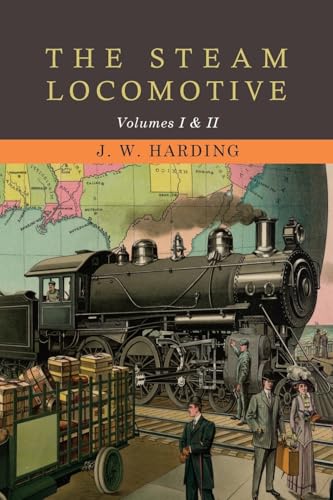
- Home study guide to steam locomotive mechanics
- Covers parts, purpose, construction, and maintenance
- Uses detailed diagrams and exam questions
Best For: Self-learners who want a structured introduction to steam locomotive theory
Historical Survey
Classic British Steam Locomotives

- Profiles 85 British steam locomotive classes
- Covers key eras from pioneers to post-war standards
- Includes glossary, facts, figures, and illustrations
Best For: Fans of British railway history and locomotive class profiles
Engineering History
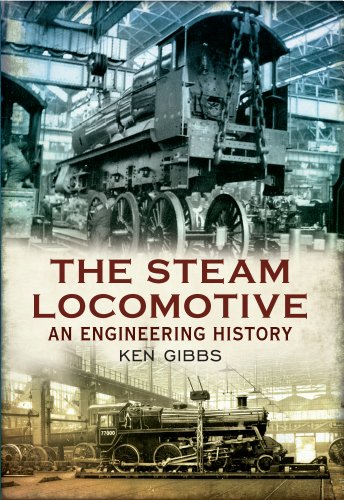
- Engineering-first history of steam railways
- Explains boilers, metals, wheels, and valve gear
- Suitable for lay readers and engineers
Best For: Readers seeking a practical, technical history of steam locomotives
Kids' Illustrated Pick

- Illustrated introduction to train history
- Time-travel narrative keeps it engaging
- Best for preschool to early elementary readers
Best For: Young readers who need a simple, colorful train history book
Collector's Deep Dive
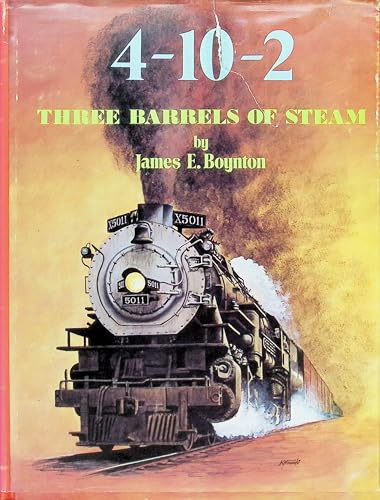
- Detailed study of all 60 U.S.-built 4-10-2s
- Covers design, operation, and major incidents
- Strong fit for collectors and prototype enthusiasts
Best For: Enthusiasts who want a specialized reference on one steam locomotive type
Deep-Dive History – American Steam Locomotives
American Steam Locomotives: Design and Development, 1880–1960 (Railroads Past and Present)
Check Price On AmazonIf you’re comparing steam locomotive books and want a serious, well-rounded history, this title is aimed at readers who want more than a picture book. It traces American steam locomotive design and development from 1880 to 1960, showing how simple operating principles were refined into fast passenger engines and massive freight haulers.
Best For: Readers who want an in-depth historical study of American steam locomotive design and development.
Pros:
- Covers a long development span from 1880 to 1960.
- Focuses on both design evolution and the people behind it.
- Explains how locomotives advanced to high-speed passenger and heavy freight service.
- Substantial 464-page reference for dedicated readers.
Cons:
- More historical and technical than casual-reading oriented.
- Heavier, larger-format book may be less portable.
This is a strong pick if you want one of the more comprehensive steam locomotive books on American development. It suits readers who value depth, context, and engineering history in one volume.
Visual Reference – Train: The Definitive Visual History
For buyers who want steam locomotive books with broad appeal and strong visuals, this DK title is a polished overview. It covers the development of trains from early steam through diesel and electric locomotives, while also placing railways in their social and historical context.
Best For: Readers who want a visually rich overview of trains, locomotives, and railway history.
Pros:
- Stunning photography throughout.
- Covers early steam, diesel, and electric locomotive development.
- Includes iconic trains and major railway journeys worldwide.
- Accessible format with a 10+ reading age recommendation.
Cons:
- Broader train history means less focus on steam locomotives alone.
- More overview than deep technical analysis.
This is a good choice if you want a coffee-table style book that still informs. It works especially well for general rail fans who want attractive visuals alongside a readable history.
Modeler’s Guide – Guide to North American Steam Locomotives
If you want steam locomotive books that combine identification details with practical reference material, this revised guide is built for that purpose. It tells the stories behind North American locomotives, includes rosters, and explains wheel arrangements, streamlining, and other core features with photos and specifications.
Best For: Readers who want a detailed North American steam locomotive reference with photos and specs.
Pros:
- Includes rosters for useful reference.
- Explains wheel arrangements and streamlining clearly.
- Combines photos, summaries, and specifications.
- Revised edition with 335 pages of material.
Cons:
- Focuses on North America, so it is less useful for other regions.
- Reading age 14+ suggests it may be less ideal for younger children.
This is a strong all-around reference for enthusiasts who like concrete locomotive data alongside narrative context. It should especially appeal to readers who want a practical guide rather than a general coffee-table survey.
Shop Handbook – Firing the Steam Locomotive
Among steam locomotive books, this one stands out as a practical handbook rather than a general history. Originally created in 1947 for Reading Company firemen, it explains the fireman’s responsibilities and the mechanics behind firing, boiler operation, water systems, and draft control.
Best For: Readers who want a hands-on look at how steam locomotive firing and fireman duties worked.
Pros:
- Based on a real 1947 fireman handbook.
- Explains firing procedures and fire conditions.
- Covers mechanical systems like the stoker, grates, boiler, and superheater.
- Useful for museum docents, hobbyists, and curious readers.
Cons:
- Very specialized, so it is not a broad introduction.
- Shorter at 124 pages than many reference books.
This is the best choice here if your interest is operational rather than historical overview. It offers a direct, working-level explanation of steam locomotive practice that many general books do not provide.
Technical Guide – How Steam Locomotives Work
If you’re looking for steam locomotive books that explain the machinery in clear, practical terms, this one focuses on how steam locomotives work from the inside out. Brian Solomon covers design, evolution, construction, component function, wheel arrangements, and the differences between coal- and oil-fired engines, with extensive photo coverage and drawings to make the mechanics easier to follow.
Best For: Railfans and model railroaders who want a detailed technical overview of steam locomotive design and operation.
Pros:
- Explains how major components work together to move a train
- Covers strengths, weaknesses, and the evolution of steam locomotives
- Includes wheel arrangements and the service each was designed for
- Features extensive photos and drawings for easier reference
Cons:
- Focused on technical understanding rather than broad railroad history
- May be more detailed than casual readers need
This is a solid choice if you want a modern, mechanic-level introduction to steam locomotive operation rather than a general appreciation book.
Study Guide – The Steam Locomotive
Among steam locomotive books, this one stands out as a structured home study guide for learning how the steam locomotive works. It focuses on the locomotive and the trucks, covering each part, its purpose, construction, maintenance, and the underlying theory, with detailed diagrams throughout and exam questions included in the book.
Best For: Self-study readers who want a diagram-heavy introduction to locomotive mechanics and theory.
Pros:
- Organized as a home study guide with clear instructional intent
- Explains parts, purpose, construction, and maintenance
- Detailed diagrams support the technical explanations
- Includes exam questions for review
Cons:
- Part 1 only covers the locomotive and trucks
- Best suited to learners, not readers seeking a photo-rich history book
If you want a study-oriented book that teaches fundamentals step by step, this is a practical and focused option.
Historical Survey – Classic British Steam Locomotives
If you’re browsing steam locomotive books with a strong historical focus, this volume celebrates 150 years of British railway steam through detailed profiles of 85 classes. It moves from early pioneers to record-breakers, wartime engines, Oliver Bulleid’s designs, and the post-war standard classes, with introductory overviews, key facts and figures, a glossary, and detailed illustrations.
Best For: Readers interested in the history, variety, and standout classes of British steam locomotives.
Pros:
- Profiles 85 classes across 150 years of British steam
- Balances historical background with technical facts and figures
- Covers major eras, including pioneers, record-breakers, and wartime engines
- Includes a glossary and detailed illustrations
Cons:
- Centered on British locomotives rather than a general worldwide survey
- Less focused on how engines work than on their classes and history
This is a strong pick if you want a broad, class-by-class look at the best of British steam with enough detail to reward deeper study.
Engineering History – The Steam Locomotive
If you want steam locomotive books that explain how railways actually evolved, this one takes a practical engineering-first approach. It traces development from early steam power for mining through better metals, boilers, wheel casting, and valve gear, making the subject useful for both casual readers and technically minded railfans.
Best For: Readers who want a clear, engineering-focused history of steam locomotives and how they improved over time.
Pros:
- Covers the development of steam power from mining engines to railway locomotives
- Explains key improvements in metals, manufacturing, boilers, and valve gears
- Written for both lay readers and engineers
- Includes the full long arc of steam locomotive development up to the last days of steam
Cons:
- More technical than a simple picture-led railway history
- Not focused on one railroad, route, or fleet
This is a strong choice if you want substance over nostalgia. Its main value is the way it connects engineering progress to locomotive performance, safety, and speed.
Kids' Illustrated Pick – Steam, Smoke, and Steel
Among steam locomotive books for younger readers, this illustrated title makes train history easy to follow. It uses a time-travel style narrative to show how rail travel changed from the earliest steam engines to modern high-speed trains, with detailed paintings that keep the focus on the experience of riding and working around trains.
Best For: Young children and early readers who want a colorful introduction to train history.
Pros:
- Illustrated with richly textured oil paintings
- Introduces train history in a simple, engaging time-travel format
- Touches on engines, equipment, and train jobs across history
- Appropriate for preschool through early elementary readers
Cons:
- Very short at 32 pages
- Too basic for readers wanting deep locomotive detail
This is a solid pick if you need an accessible, visually appealing overview rather than a technical reference. It works best as an introductory book that sparks interest in railroads.
Collector's Deep Dive – The 4-10-2
If you’re shopping steam locomotive books with a strong collector or prototype focus, this one drills into a specific wheel arrangement in impressive detail. It documents all 60 of the three-cylinder 4-10-2 locomotives built in the United States, covering design, construction, operation, and major incidents tied to these engines.
Best For: Collectors and enthusiasts who want a detailed study of a specific U.S. steam locomotive class.
Pros:
- Focuses on all 60 U.S.-built three-cylinder 4-10-2 locomotives
- Includes design, construction, and operational history
- Features photos by noted photographers
- Also covers notable events such as wrecks, floods, explosions, and robberies
Cons:
- Narrow subject matter may not suit general readers
- Older title from 1976 with a specialized collector angle
This book stands out for depth rather than breadth. If you already know you want a focused reference on the 4-10-2, it offers the kind of detailed coverage many general histories do not.
How We Picked These Steam Locomotive Books
We focused on books that offer real value to different kinds of readers: technical explanations, historical context, locomotive-type coverage, and strong visual presentation. The best Steam Locomotive Books should be accurate, readable, and suited to a clear purpose, whether that’s learning how a locomotive works or building a deeper reference library.
Quick Comparison
Think in terms of use case first. Some titles are best for engineering-minded readers who want mechanical detail and operating principles. Others are broader histories or visual references that are easier to browse. If you want a general introduction, choose a book with strong illustrations and accessible explanations. If you already know your way around rail history, a more specialized technical title may be the better fit.
Key Buying Factors for Steam Locomotive Books
Scope and Depth
Check whether the book covers a broad era, a region such as North America or Britain, or a specific locomotive class. Narrower books are often stronger for collectors and enthusiasts, while broader books are better for newcomers.
Technical Level
Some Steam Locomotive Books explain thermodynamics, firing, and design evolution in detail. Others stay at a general-interest level. Match the complexity to your comfort with mechanical language.
Illustrations and Diagrams
Photos, cutaways, track diagrams, and engineering drawings can make a major difference, especially if you are learning how steam locomotives work or comparing classes.
Historical Focus
Look for clear coverage of development periods, railroads, or locomotive builders if you care most about history rather than mechanics.
Collector Appeal
If you are buying for a specialist or serious enthusiast, books centered on a specific class or design often provide the deepest reference value.
Who Should Buy Which Steam Locomotive Books?
Newcomers usually benefit most from visually rich general histories and straightforward explanations. Hobbyists and students may prefer books that balance engineering with practical insight. Experienced readers, collectors, and preservation fans will likely want more specialized Steam Locomotive Books focused on exact classes, operating methods, or regional design history.
In short, choose the title that matches your goal: learn the basics, admire the machines, or dive deep into locomotive design and development.