If you want clearer answers on horse health, stable care, and day-to-day management, the right book can save time and prevent costly mistakes.
This roundup of horse care books focuses on practical references, beginner-friendly guides, and emergency-ready titles so you can match the book to your experience level and your horse’s needs.
Best 10 Horse Care Books Picks for 2026
Comprehensive Everyday Horse Care

- Covers anatomy, body language, and daily handling
- Includes grooming, feeding, tack care, and hoof care
- Offers first aid and when-to-call-the-vet guidance
Best For: Owners needing an all-purpose horse care reference
Emergency First Aid Reference
Dr. Kellon's Guide to First Aid for Horses

- Symptom-based layout for quick emergency lookup
- Covers colic, shock, injuries, and other urgent issues
- Includes treatment prep and first aid supply checklists
Best For: Owners who want a fast emergency response guide
Veterinary Depth and Broad Coverage
Horse Owner's Veterinary Handbook

- Extensive medical coverage for horses of all ages
- Updated sections on disease, breeding, foaling, and nutrition
- Includes indexes, glossary, and cross-references
Best For: Owners seeking a detailed veterinary reference
Photo-Based Skill Builder

- Step-by-step photos for over 100 horsekeeping skills
- Covers hoof care, vital signs, wound care, and injections
- Designed to build practical self-sufficiency
Best For: Owners who want visual instruction for hands-on care
Comprehensive Horse Encyclopedia
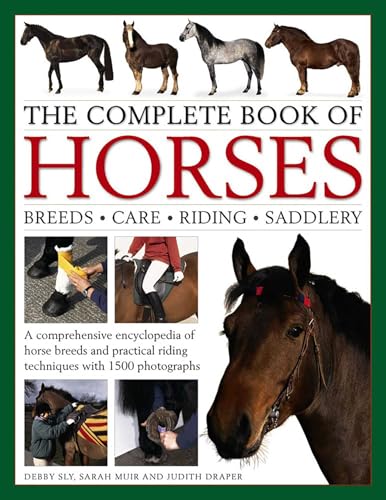
- Over 60 breeds with 1500 photographs
- Covers care, grooming, health, first aid, and exercise
- Includes riding techniques and equipment directory
Best For: A broad visual reference for breeds, care, riding, and gear
Novice Horse Owner Guide
The Ultimate Guide to Horse Health & Care

- Beginner-friendly overview of horsekeeping basics
- Covers feeding, safe housing, and pasture care
- Includes guidance for injury and illness response
Best For: New owners who want a simple home horse care guide
All-in-One Horse Reference
The Original Horse Bible, 2nd Edition

- 210 breed profiles plus updated horse knowledge
- Covers training, riding, grooming, health, and care
- Includes practical topics like transport, stabling, and hoof care
Best For: Readers wanting a detailed horse reference with care and training
Veterinary First-Aid Pick

- Veterinarian-designed Q&A and flow charts
- Covers routine care, illness, and injuries
- Built to help owners act with more confidence
Best For: horse owners wanting a symptom-based first-aid reference
Kids' Beginner Guide

- Illustrated beginner guide for ages 8 to 12
- Covers care basics, safety, and riding
- Explains body language, gear, and horse lingo
Best For: young beginners learning the basics of horses and riding
Complete Management Guide

- Wide coverage from buying to breeding
- Step-by-step photos and quick-reference boxes
- Includes health, training, and emergency care
Best For: owners and riders wanting a broad practical reference
Comprehensive Everyday Horse Care – Complete Horse Care Manual
If you want horse care books that cover the basics and the day-to-day realities of owning a horse, this manual is a strong practical pick. Written by an experienced vet and horse specialist, it walks through anatomy, body language, grooming, feeding, tack care, hoof care, first aid, and when to call the vet.
Best For: Owners who want an all-around reference for routine care, handling, and basic health support.
Pros:
- Explains horse anatomy and body language in a practical way
- Covers catching, handling, grooming, feeding, and watering
- Includes first aid guidance, daily routines, and shoeing/hoof care tips
- Also addresses tack maintenance and common behavior issues
Cons:
- More of a broad care guide than a deep veterinary reference
- Some readers may want a more specialized emergency-focused book
This is a well-rounded, hands-on horse care book for owners who want one practical guide for keeping a horse healthy, safe, and comfortable.
Emergency First Aid Reference – Dr. Kellon's Guide to First Aid for Horses
Among horse care books, this one is built for quick decisions when something goes wrong. Dr. Eleanor Kellon organizes the guide by symptoms, body systems, and problem types so you can move fast, gather the right information for your veterinarian, and handle the situation until help arrives.
Best For: Horse owners who want a fast emergency reference for symptoms, first aid steps, and vet communication.
Pros:
- Quick-reference format makes it easy to find relevant sections fast
- Covers a wide range of emergencies, from colic to burns and shock
- Includes home treatment guidance and first aid supply checklists
- Useful sections on restraint, preparation for treatment, and trapped horses
Cons:
- Focuses on emergency response more than everyday horsekeeping
- Its compact format may feel less detailed than a full veterinary handbook
This is a smart, practical book to keep close at hand if you want a clear emergency reference rather than a general care manual.
Veterinary Depth and Broad Coverage – Horse Owner's Veterinary Handbook
If you prefer horse care books with a deeper medical focus, this handbook stands out for its breadth and detail. It is heavily updated with information on infectious diseases, parasites, breeding, foaling, dental health, orthopedic problems, toxins, geriatric concerns, and even alternative therapies.
Best For: Owners who want a comprehensive veterinary handbook with up-to-date health and treatment information.
Pros:
- Extensive coverage of diseases, injuries, breeding, foaling, and aging horses
- Includes updated guidance on vaccinations, drugs, dewormers, and nutrition
- Helpful indexes, glossary, and cross-references make it easy to navigate
- Goes beyond basics with alternative therapies and toxin guidance
Cons:
- Large 746-page format may be more than casual readers need
- Less focused on hands-on daily care than some simpler guides
This is a strong choice if you want a serious reference book that can support informed conversations with your veterinarian.
Photo-Based Skill Builder – Horse Health Care
For horse care books that teach by showing, this photographic guide is especially useful. Cherry Hill uses step-by-step images to demonstrate more than 100 horsekeeping skills, including hoof care, dental exams, vital signs, wound treatment, injections, leg wrapping, and infection prevention.
Best For: Hands-on owners who learn best from illustrated, step-by-step instructions.
Pros:
- Photographic format makes routine tasks easier to understand
- Covers practical skills like hoof care, exams, wound care, and injections
- Focuses on self-sufficiency and helping owners save money
- Useful for both routine maintenance and dealing with injuries
Cons:
- Shorter than some other reference books, so coverage is less expansive
- More skill-focused than broad health or diagnosis guidance
This is a solid choice if you want a visual, training-style guide that helps you learn essential horsekeeping tasks step by step.
Comprehensive Horse Encyclopedia – The Complete Book of Horses
If you want horse care books that cover the bigger picture, this encyclopedia-style guide is a strong all-rounder. It combines breed profiles, stable management, grooming, exercise, health, first aid, riding techniques, and saddlery in one heavily illustrated volume, making it useful as a reference when you need practical answers fast.
Best For: Readers who want a broad, visual reference for breeds, care, riding, and equipment.
Pros:
- Covers more than 60 horse and pony breeds with detailed photos.
- Includes practical guidance on care, grooming, exercise, and first aid.
- Offers step-by-step riding instruction from basic tacking up to dressage.
- Includes an illustrated directory of saddlery and riding equipment.
Cons:
- At 512 pages, it is more reference-heavy than quick to read.
- Its broad scope may be more than a new owner needs for day-to-day basics.
This is best viewed as a general horsemanship encyclopedia rather than a narrow how-to manual. For shoppers comparing horse care books, it stands out for its wide coverage and strong visual format.
Novice Horse Owner Guide – The Ultimate Guide to Horse Health & Care
The Ultimate Guide to Horse Health & Care: The Novice Owner's Guide to Horsekeeping
Check Price On AmazonFor horse care books aimed at first-time owners, this title keeps the focus on the essentials of keeping a horse at home. It offers a simple, easy-to-digest overview of basic horse health and care, with practical advice on feeding, safe living conditions, property and pasture maintenance, and what to do if your horse gets injured or ill.
Best For: Novice owners who want a straightforward home horsekeeping guide.
Pros:
- Written for beginners with a clear, simple approach.
- Covers basic anatomy, feeding, care, and monitoring.
- Includes advice on creating a safe home environment and maintaining pastures.
- Addresses what to do when a horse is injured or ill.
Cons:
- At 120 pages, it is much narrower than larger reference-style horse books.
- Focuses mainly on at-home basics rather than advanced riding or training.
This book is a practical pick if your main concern is getting the fundamentals right before and after bringing a horse home. It is especially appealing for readers who want a concise, beginner-friendly care guide instead of an all-purpose equestrian encyclopedia.
All-in-One Horse Reference – The Original Horse Bible, 2nd Edition
If you are comparing horse care books and want one that reaches well beyond basics, this updated edition is packed with wide-ranging horse information. It covers breed profiles, training, riding, grooming, health, competitive activities, reproduction, horse history, and welfare, making it a dense reference for owners who want depth across many topics.
Best For: Readers who want a detailed, encyclopedia-style horse reference with training and care coverage.
Pros:
- Includes 210 breed profiles arranged alphabetically.
- Spans training, behavior, riding, grooming, health, and competition.
- Updated with information on medications, poisonous plants, and natural horsemanship.
- Covers practical topics like purchasing, transport, stabling, feeding, hoof care, and first aid.
Cons:
- Its broad scope may feel overwhelming if you only need basic care advice.
- Designed more as a reference volume than a quick-start handbook.
This is a strong choice for readers who want an expansive horse bible-style resource with both practical care guidance and broader equine context. It works best as a long-term shelf reference for owners, riders, and enthusiasts.
Veterinary First-Aid Pick – Hands-On Horse Care
If you want horse care books that help you act quickly when something looks off, this one is built around practical first-aid decision-making. Its veterinarian-designed question-and-answer format and flow charts let you start with a symptom and work toward the next step, making it especially useful when you need clear guidance for general care, welfare, illnesses, or injuries.
Best For: Horse owners who want a visual, symptom-based reference for first aid and everyday care.
Pros:
- Flow-chart layout makes symptom checking straightforward.
- Covers both routine horse care and more serious health concerns.
- Veterinarian-created Q&A format adds practical structure.
- Helps owners communicate more confidently with vets.
Cons:
- Focuses more on care and response than on riding instruction.
- At 400 pages, it may feel substantial for casual browsing.
- Published in 1998, so some readers may prefer a newer reference.
This is a strong pick if you want a hands-on horse care book that prioritizes fast, organized decision-making. The visual format and broad care coverage make it a practical stable-side reference.
Kids' Beginner Guide – Horse Life
For families looking at horse care books for younger readers, this beginner-friendly guide keeps things simple and practical. It covers the basics of equine care, riding safety, body language, gear, grooming, feeding, and housing in an illustrated format designed for kids ages 8 to 12.
Best For: Kids who are new to horses and want an easy, illustrated introduction to care and riding.
Pros:
- Written for beginners ages 8 to 12.
- Includes illustrations to explain horse body language and lingo.
- Covers core care topics like bathing, feeding, and housing.
- Includes safety guidance for handling, training, riding, and grooming.
Cons:
- Geared toward younger readers, so it is not an advanced care manual.
- Shorter than more comprehensive adult horse care references.
- Focuses on basics rather than detailed management topics.
This is a good entry point if you need a kid-friendly horse care book that balances safety with fundamentals. The approachable layout makes it easy for new horse lovers to build confidence.
Complete Management Guide – The Horse Lover's Bible
The Horse Lover's Bible: The Complete Practical Guide to Horse Care and Management
Check Price On AmazonIf you want horse care books that cover nearly every stage of ownership, this comprehensive guide is an easy one to shortlist. It moves from evaluating and buying a horse to stable setup, feeding, grooming, training, showing, breeding, and emergency care, with step-by-step photos and quick-reference boxes to keep the material usable.
Best For: Riders and horse owners who want a broad, practical reference on care and management.
Pros:
- Covers a wide range of topics from purchase to show preparation.
- Includes checklists, quick-reference boxes, and step-by-step photos.
- Explains horse behavior and natural instincts to improve rapport.
- Includes first-aid, preventive health, and emergency procedures.
Cons:
- Broad scope may be more than a reader needs for a single topic.
- Not as specialized as a dedicated first-aid or riding manual.
- Published in 2009, so some readers may want a newer edition.
This is the most all-around option in the group if you want one horse care book that can support day-to-day management as well as longer-term planning. Its structure makes it useful as an ongoing reference rather than a quick skim.
How We Picked These Horse Care Books
We focused on books that are useful in real barn situations, not just interesting to browse. The strongest picks cover core topics like nutrition, grooming, handling, health checks, first aid, and basic veterinary awareness. We also looked for clear structure, dependable terminology, and formats that are easy to reference quickly.
Quick Comparison
Some Horse Care Books are broad all-around manuals, while others are specialized references for emergencies, veterinary topics, or novice owners. If you want one shelf-stable reference, choose a comprehensive handbook. If your priority is urgent response, pick a first-aid-focused title. New owners often benefit most from step-by-step guides with photos and plain-language explanations.
Key Buying Factors for Horse Care Books
Scope
Decide whether you need a general care overview, an in-depth health reference, or a skills-based manual. Broad books are better for everyday ownership, while specialist titles are better for solving specific problems.
Practicality
Look for checklists, diagrams, symptom guidance, and clear routines. The best Horse Care Books make it easy to act quickly when you are in the barn, not just when you are reading at home.
Experience Level
Beginners should prioritize books that explain terminology and cover fundamentals in a logical order. More experienced owners may want more detailed veterinary detail, equine first aid, or breed and management depth.
Format and Reference Value
Books with strong indexes, photos, and step-by-step layouts are easier to use under pressure. If you expect to consult the book often, those features matter more than long narrative sections.
Who Should Buy Which Horse Care Books?
New horse owners usually do best with a broad, beginner-friendly guide that covers daily care and common problems. If you manage horses regularly, a veterinary handbook or first-aid manual can be the most useful addition. Families and younger readers may prefer a simpler, more approachable title, while dedicated horse enthusiasts may want a more encyclopedic resource for deeper study.
In short, the best choice depends on whether you need general confidence, emergency readiness, or a more advanced reference library. Matching the book to your level of experience will get you far more value than choosing the longest title on the shelf.