Great fly fishing books can shorten the learning curve, sharpen your technique, and help you fish more confidently on new water.
Whether you want beginner-friendly instruction, fly tying references, insect ID help, or inspiring destination reading, this roundup covers the strongest options for 2026.
Best 10 Fly Fishing Books Picks for 2026
All-Around Classic
The Orvis Fly-Fishing Guide, Revised

- Broad coverage of tackle, casting, and knots
- Includes full-color flies plus newer techniques
- Adds conservation and stream etiquette guidance
Best For: Beginners and anglers wanting a broad refresher
Destination Pick
Fifty Places to Fly Fish Before You Die

- Profiles 50 renowned fishing destinations
- Combines expert interviews with travel details
- Features photos plus cultural and natural history
Best For: Travel-minded anglers and destination dreamers
Fly Pattern Encyclopedia
Fishing Flies: Detailed Reference Guide

- Lists over 1,300 fly recipes
- Shows each fly with a dedicated photo
- Covers freshwater, saltwater, and global patterns
Best For: Fly tiers needing an extensive pattern reference
Hatch Helper
The Bug Book: Trout Stream Insects

- Explains major trout stream insects and imitations
- Includes hatch charts and fly recommendations
- Designed to clarify matching the hatch
Best For: Trout anglers learning insect identification and hatches
Heritage Pick
The History of Fly-Fishing in Fifty Flies

- Explores 50 iconic flies and their role in the sport’s evolution.
- Includes tying tips, photos, and illustrations.
- A strong gift book for anglers who love fly-fishing history.
Best For: Readers who want a visually rich history of fly fishing.
Beginner Pick
The Orvis Guide to Beginning Fly Fishing
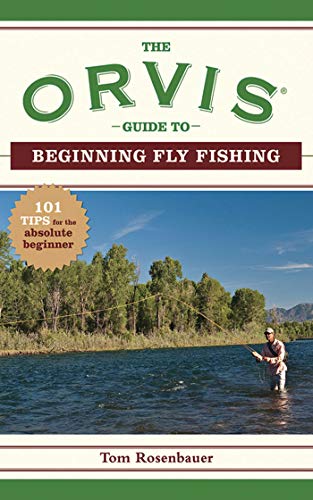
- A full-color primer on tackle, casting, knots, and fly choice.
- Covers ethics, safety, and basic angling terms.
- Best suited to new fly fishers starting from scratch.
Best For: New anglers who want a clear beginner-friendly guide.
Practical Pick
The Little Red Book of Fly Fishing
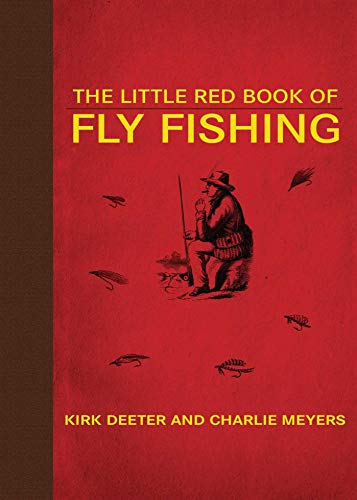
- 240 short tips on casting, presentation, water reading, and fly choice.
- Keeps instruction simple and easy to digest.
- Useful as a quick-reference companion for trout fishing.
Best For: Anglers who want straightforward, tip-based instruction.
Beginner Fly Fishing Basics
The Absolute Beginner's Guide to Fly Fishing

- Step-by-step coverage of knots, rigging, and casting
- Teaches reading water and picking fly imitations
- Short, practical guide for quick skill-building
Best For: new anglers who want a simple, hands-on foundation
Western River Photo Guide
Flywater: Fly-Fishing Rivers of the West

- Beautiful photography of western trout and steelhead waters
- Covers iconic rivers and lesser-known destinations
- Works as both a guidebook and artful coffee-table book
Best For: readers who want a scenic, place-focused fly fishing book
Advanced Fly Fishing Tips
The Little Black Book of Fly Fishing

- Covers advanced casting, presentation, and fly selection
- Includes gear advice and water-reading strategy
- Built from short, practical lessons you can revisit
Best For: intermediate anglers ready to refine technique and decision-making
All-Around Classic – The Orvis Fly-Fishing Guide, Revised
If you want one of the most practical fly fishing books for building core skills or refreshing fundamentals, this revised Orvis guide is a strong pick. It covers tackle selection, casting, knots, fly presentations, and fish-specific tactics with up-to-date material for both freshwater and saltwater anglers.
Best For: Beginners, returning anglers, and anyone who wants a broad reference with modern techniques.
Pros:
- Covers rods, reels, lines, leaders, knots, and tackle care.
- Includes casting drawings and a wide range of fly patterns in full color.
- Touches on newer methods like Tenkara and Czech nymphing.
- Adds conservation, stream etiquette, and giving back.
Cons:
- At 408 pages, it is a substantial read rather than a quick primer.
- Its broad scope may be more than someone seeking a narrow specialty reference needs.
This is a solid all-purpose handbook if you want one of the most dependable fly fishing books on the shelf. It balances instruction, reference material, and modern updates in a format that suits anglers at different skill levels.
Destination Pick – Fifty Places to Fly Fish Before You Die
This is one of the more travel-focused fly fishing books, built for anglers who enjoy dreaming about or planning trips to iconic waters. It pairs expert picks with photos, location background, and enough travel-and-tackle information to help you start mapping out an actual fishing journey.
Best For: Armchair travelers and anglers looking for destination inspiration and trip-planning ideas.
Pros:
- Highlights 50 globally recognized fly-fishing destinations.
- Uses expert interviews and colorful anecdotes for each location.
- Includes beautiful photos and practical travel-and-tackle details.
- Offers cultural and natural history context alongside the fishing.
Cons:
- Not a technique-heavy instructional guide.
- More inspirational than exhaustive for on-the-water tactics.
If your idea of fly fishing books includes planning the next great trip, this title delivers a strong mix of scenery, storytelling, and useful destination notes. It works well as both a gift and a long-range travel wish list.
Fly Pattern Encyclopedia – Fishing Flies: Detailed Reference Guide
Fishing Flies: A Detailed Reference Featuring Over 1300 Tying Recipes and Expert Techniques
Check Price On AmazonIf you want a deep reference among fly fishing books, this encyclopedic volume focuses on flies themselves, with more than 1300 tying recipes and detailed photos. It is especially useful when you want to compare patterns across freshwater and saltwater species or look for ideas beyond your local water.
Best For: Fly tiers and anglers who want a massive visual reference to fly patterns from around the world.
Pros:
- Covers more than 1300 flies in detailed recipe form.
- Includes specially taken photographs for each fly.
- Spans freshwater, saltwater, and global fly styles.
- Useful for discovering patterns used for species beyond your area.
Cons:
- Best as a reference book, not a beginner teaching guide.
- Its breadth may feel overwhelming if you only need a few basic patterns.
This is a strong choice if you value pattern knowledge and tying detail over broad instruction. Among fly fishing books, it stands out as a serious catalog for building fly-tying ideas and comparing techniques.
Hatch Helper – The Bug Book: Trout Stream Insects
For anglers who want a clearer understanding of trout food sources, this is one of the most practical fly fishing books on aquatic insects. It explains the important insects and their imitations across the United States, with hatch charts, fly recommendations, and fishing strategies aimed at helping you match the hatch more confidently.
Best For: Trout anglers who want a simple but useful guide to insects, hatches, and imitation choices.
Pros:
- Covers key aquatic insects and their imitations for the entire United States.
- Includes hatch charts and fly pattern recommendations.
- Written to help newer anglers and those refining their trout strategy.
- Explains why understanding insects can improve catch rates.
Cons:
- Focused specifically on trout stream insects rather than all-around fishing.
- At 118 pages, it is relatively compact and not deeply encyclopedic.
This book is a smart pick if you want a more confident approach to matching hatches without getting buried in technical complexity. It fills a useful niche in fly fishing books by tying insect knowledge directly to on-the-water decisions.
Heritage Pick – The History of Fly-Fishing in Fifty Flies
If you want fly fishing books that blend history, technique, and visual inspiration, this one stands out. It traces the sport through 50 iconic flies, showing how patterns, tools, and traditions evolved from early feathered hooks to modern materials.
Best For: Anglers who enjoy the history of fly fishing, fly-tying context, and a gift-worthy coffee-table style book.
Pros:
- Covers 2,000 years of fly-fishing history through milestone flies.
- Includes profiles, tying tips, photographs, and illustrations.
- Spans regions from the Catskills and Scotland to New Zealand and Iceland.
- Works well as a handsome gift for fly fishers.
Cons:
- More of a history and reference book than a step-by-step beginner guide.
- Focuses on iconic patterns rather than broad tactical instruction.
As a roundup pick, this book is strongest when you want context and inspiration, not just how-to basics. It is ideal for readers who like seeing how famous flies shaped the sport over time.
Beginner Pick – The Orvis Guide to Beginning Fly Fishing
If you are shopping for fly fishing books to help a new angler get started, this Orvis guide is built for the job. It focuses on the fundamentals, with clear instruction on tackle, casting, fly choice, knots, and finding fish in different waters.
Best For: Absolute beginners who want a straightforward, full-color primer on the basics of fly fishing.
Pros:
- Written with support from The Orvis Company.
- Explains tackle selection, casting, fly choice, knots, and fish-finding basics.
- Includes bright illustrations and photographs for easier learning.
- Also covers fishing ethics, safety, and basic angling terms.
Cons:
- Geared mainly toward beginners, so experienced anglers may outgrow it quickly.
- Centered on fundamentals rather than deeper specialty tactics.
This is the safest pick if your goal is a practical entry point rather than a niche or advanced manual. It keeps the learning curve approachable while still covering the essentials a new fly fisher needs.
Practical Pick – The Little Red Book of Fly Fishing
For readers who want fly fishing books with short, usable advice, this compact guide keeps things simple. It collects 240 tips on casting, presentation, reading water, fly selection, and other everyday decisions that matter on the water.
Best For: Anglers who prefer quick, plainspoken tips they can apply without wading through technical theory.
Pros:
- Offers 240 concise tips across casting, presentation, and reading water.
- Focuses on simple, digestible instruction without complicated physics lessons.
- Includes practical sections on selecting, rigging, and fishing the right fly.
- Small, illustrated format makes it easy to revisit often.
Cons:
- Not designed as an in-depth technical course.
- Trout-focused content may be less useful if you want broader species coverage.
This book fits anglers who like their advice direct and immediately useful. It works especially well as a quick-reference companion for improving everyday decisions on the water.
Beginner Fly Fishing Basics – The Absolute Beginner's Guide to Fly Fishing
If you’re looking for fly fishing books that make the basics feel manageable, this guide is built around practical instruction. John Symonds covers core skills like rigging, knot tying, casting, reading water, and choosing flies, with a focus on helping beginners avoid common mistakes and improve quickly.
Best For: New anglers who want a clear, straightforward introduction to fly fishing fundamentals.
Pros:
- Covers essential setup steps, from rod stringing to backing, leader, and tippet
- Explains casting for different stream and lake conditions
- Includes guidance on reading fish behavior and selecting fly imitations
- Compact 102-page format makes it easy to work through
Cons:
- Primarily aimed at beginners, so advanced anglers may want more depth
- Short length means some topics are introduced rather than fully explored
Overall, this is a practical starter book for anglers who want a clear path into fly fishing without getting buried in jargon. It focuses on the skills that matter most early on and keeps the advice action-oriented.
Western River Photo Guide – Flywater: Fly-Fishing Rivers of the West
Among fly fishing books, this one stands out for blending destination inspiration with useful river context. Grant McClintock revisits iconic western waters with extensive photography and place-based writing, bringing together creeks, spring creeks, freestone rivers, and tailwaters across the American West.
Best For: Anglers who enjoy scenic, place-driven fly fishing books and want a visual tour of western rivers.
Pros:
- Features extraordinary photography of trout and steelhead waters
- Covers well-known western fisheries like the Henry’s Fork and Yellowstone
- Readable for both serious anglers and non-fishermen
- Large-format, 224-page presentation suits a coffee-table style book
Cons:
- More of a gallery and guidebook than a technical how-to manual
- Oversized format and heavy weight make it less portable
This is a strong choice if you want a book that captures the atmosphere of western fly fishing as much as the fishing itself. It’s ideal for readers who value landscape, travel, and visual storytelling alongside angling.
Advanced Fly Fishing Tips – The Little Black Book of Fly Fishing
The Little Black Book of Fly Fishing: 201 Tips to Make You A Better Angler (Little Books)
Check Price On AmazonIf you’ve already learned the basics and want fly fishing books that push you further, this one is designed as a next-step guide. Kirk Deeter and Chris Hunt build on introductory concepts with practical advice on casting, presentation, reading water, fly selection, and gear choices for anglers who want to fish more effectively.
Best For: Intermediate anglers who want advanced tactics and a deeper understanding of how to fish better.
Pros:
- Focuses on advanced casting and presentation techniques
- Covers reading water, fish behavior, and fly selection in more depth
- Includes gear selection guidance along with on-the-water tactics
- Broken into many short, specific lessons for easy reference
Cons:
- Less suitable for total beginners than a true starter book
- Topic-by-topic structure may feel fragmented to some readers
This book is best viewed as a practical upgrade for anglers who already know the fundamentals. Its strength is the sheer number of focused tips, which makes it useful as both a learning tool and a quick-reference companion.
How We Picked the Best Fly Fishing Books
We focused on books that offer clear instruction, practical value, and lasting usefulness on and off the water. The strongest Fly Fishing Books in this list cover core skills, advanced references, and specialized topics such as entomology, fly tying, and destination planning. We also looked for books with strong reputations among anglers and formats that are easy to revisit as your skills improve.
Quick Comparison
If you want a single all-around learning resource, choose a broad how-to title. If you are just starting out, beginner-focused books are usually the easiest entry point. If you already know the basics, a reference-heavy option or a regional title can be more useful. For anglers who enjoy inspiration as much as instruction, destination and history books add context without feeling overly technical.
Key Buying Factors for Fly Fishing Books
Your Current Skill Level
Beginners should look for books that explain casting, knots, tackle, water reading, and presentation in plain language. More experienced anglers may prefer deeper references on insects, flies, or advanced strategy.
The Type of Learning You Want
Some Fly Fishing Books are step-by-step manuals, while others work best as field references or coffee-table inspiration. Decide whether you want a book for active problem-solving, long-term study, or general motivation.
Species, Water, and Region
If you fish mostly trout streams, books focused on insects and stream reading can be especially helpful. If you travel or fish different waters, broader guides and regional river books may give you more value.
Reference Depth and Reusability
A good fly fishing book should stay useful after the first read. Look for titles you can return to before trips, during tying sessions, or while planning a season.
Who Should Buy Which Fly Fishing Books?
New anglers: Start with a beginner guide that covers fundamentals clearly and avoids jargon.
Intermediate anglers: Choose a technique-rich book or a compact tip book to fill knowledge gaps and reinforce habits.
Fly tyers and gear-focused readers: Pick a detailed fly reference or insect guide for deeper understanding of patterns and hatches.
Travel-minded anglers: A destination or river guide is best if you want inspiration and trip ideas alongside fishing insight.
Collectors and enthusiasts: History and idea-driven Fly Fishing Books add perspective and are great for reading beyond the basics.
The best choice depends on whether you want instruction, reference value, or inspiration. Matching the book to your goals is the simplest way to get more from your library and more from the water.