Starting fishing can feel overwhelming, but the right book makes the basics easier to learn. A good guide can help you understand gear, knots, casts, water reading, and simple techniques without the guesswork.
This roundup of fishing books for beginners focuses on clear instruction, practical value, and beginner-friendly formats so you can find the right fit for your goals, budget, and style of fishing.
Best 10 Fishing Books for Beginners Picks for 2026
Beginner-Friendly Fishing Basics
Basic Fishing: A Beginner's Guide

- Step-by-step introduction to tackle, bait, and gear
- Includes diagrams, photos, and lessons for easier learning
- Covers safety, cleaning, cooking, and fishing spots
Best For: New fishermen and families learning the basics
All-Purpose Angler Starter

- Updated guide with rods, tackle, casting, and baiting basics
- Covers freshwater, saltwater, GPS, apps, sonar, and kayak fishing
- Friendly pictures and tips make it easy to follow
Best For: Beginners wanting a broad, modern fishing reference
Fly Fishing Foundation Guide
The Orvis Guide to Beginning Fly Fishing
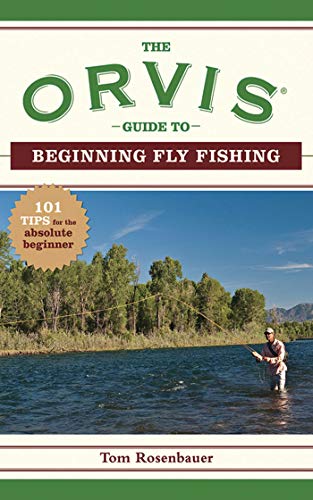
- Fly-fishing-specific primer for absolute beginners
- Explains tackle setup, casting, flies, and knots
- Includes ethics, safety, and helpful illustrations
Best For: Absolute beginners focused on fly fishing
Field-Tested Fishing Skill Builder

- Packed with 318 essential fishing skills and tactics
- Covers gear, lure selection, fish finding, and hook-setting
- Useful across streams, lakes, bays, and open ocean
Best For: Beginners and weekend anglers who want broad skill coverage
Pocket Freshwater Starter Guide
The Pocket Fishing Basics Guide
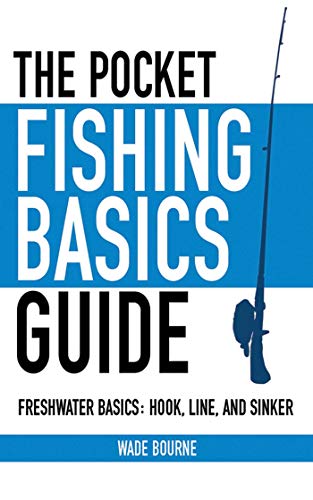
- Freshwater basics for new anglers
- Covers bait, tackle, safety, and technique
- Pocket-sized with color and black-and-white illustrations
Best For: Beginners who want a compact freshwater reference
All-in-One Fishing Reference

- Covers fishing from beginner steps to advanced basics
- Includes freshwater, saltwater, and gear setup
- Highly illustrated with photos, diagrams, and troubleshooting spreads
Best For: Beginners who want one comprehensive fishing manual
Fly Fishing Fundamentals Guide
The Absolute Beginner's Guide to Fly Fishing

- Fly-fishing-specific beginner instruction
- Covers knots, casting, water reading, and setup
- Concise 102-page lesson-based guide
Best For: New fly fishers who want skill-focused instruction
Classic Beginner Reference

- Covers bait, spin, and flycasting
- Includes rigs, fly tying, and fish ID
- Heavily illustrated and easy to read
Best For: New anglers who want a broad illustrated starter guide
Kids' Freshwater Starter

- Step-by-step color photography
- Covers bait, tackle, rigging, and casting
- Includes a fishing log for kids
Best For: Kids ages 6+ starting freshwater fishing
Kids' Confidence Builder
The Fishing Book for Kids 8-12

- Starts from zero with simple instructions
- Covers gear, knots, casting, and reeling
- Includes challenges and freshwater fish tips
Best For: Kids 8-12 learning freshwater fishing
Beginner-Friendly Fishing Basics – Basic Fishing: A Beginner's Guide
If you’re looking for fishing books for beginners, this step-by-step guide is built to help new anglers get started with confidence. It covers the essentials in a clear, practical way, including tackle, bait, boats, accessories, fishing safety, and simple methods for finding good fishing spots.
Best For: New fishermen, families, and casual anglers who want a straightforward introduction to fishing basics.
Pros:
- Covers core beginner topics like gear, bait, tackle, and fishing spots
- Includes diagrams, vivid photographs, and lessons for easier learning
- Useful for families and those learning to fish for fun
- Also touches on cleaning, cooking, and safety basics
Cons:
- Broad beginner overview, so it may not go very deep into one technique
- Not focused on a single specialty like fly fishing or bass fishing
This is a solid all-around starting point if you want an approachable fishing primer that explains the basics without overcomplicating things. It’s a practical pick for readers who want to learn enough to get on the water and start building skills.
All-Purpose Angler Starter – Fishing For Dummies
For shoppers comparing fishing books for beginners, this updated guide is designed to make angling feel approachable from the start. It walks through the basics of rods, tackle, casting, baiting, and fish handling, while also covering where and when to fish, plus newer tools like GPS, apps, sonar, and kayak fishing.
Best For: Beginners who want a broad, modern, and easy-to-follow fishing reference.
Pros:
- Updated edition with modern gear and fishing trends included
- Easy-to-follow pictures and tips for beginners
- Covers freshwater and saltwater fishing basics
- Touches on casting, baiting, cleaning, and fish identification
Cons:
- Very broad coverage may feel general for anglers wanting deep specialization
- Larger 416-page format may be more than some casual readers need
This is a strong pick if you want one beginner book that spans a wide range of situations and gear. Its friendly format and updated content make it especially useful for new anglers who want a practical all-in-one guide.
Fly Fishing Foundation Guide – The Orvis Guide to Beginning Fly Fishing
If you’re narrowing your search for fishing books for beginners and specifically want fly fishing, this beginner primer focuses on the fundamentals with clear teaching support from The Orvis Company. It explains how to choose balanced tackle, cast with accuracy, select the right fly, tie useful knots, and find fish in lakes, rivers, and salt water.
Best For: Absolute beginners who want an illustrated introduction to fly fishing.
Pros:
- Fly-fishing-specific guidance for new anglers
- Helpful illustrations and photographs throughout
- Covers tackle setup, casting, flies, knots, and fish location
- Includes ethics, safety advice, and basic angling terms
Cons:
- Focused on fly fishing, so it is less useful for general fishing learners
- Shorter than some broad fishing manuals, with a narrower scope
This book is a smart choice if your goal is to start fly fishing rather than learn every type of fishing at once. The illustrated format and practical fundamentals make it a strong entry-level resource.
Field-Tested Fishing Skill Builder – The Total Fishing Manual
The Total Fishing Manual (Paperback Edition): 318 Essential Fishing Skills (Field & Stream)
Check Price On AmazonAmong fishing books for beginners, this manual stands out for packing a large number of practical skills into one easy reference. It brings together field-tested tools, techniques, and tactics on gear selection, fish finding, and hook-setting, with guidance for everything from small streams to open ocean waters.
Best For: Beginners and weekend anglers who want a skill-heavy guide with broad coverage.
Pros:
- Contains 318 essential fishing skills and tactics
- Covers gear setup, lure selection, and water-specific strategies
- Includes advice from Field & Stream editors and outside experts
- Useful across many settings, from ponds to bays to open ocean
Cons:
- Wide-ranging format may feel dense for readers who want a simple beginner primer
- Not centered on one fishing style or specialty
This is a strong option if you want more than just a basic introduction and prefer a skill-focused handbook you can keep returning to. It’s especially appealing for beginners who want room to grow into more advanced fishing situations.
Pocket Freshwater Starter Guide – The Pocket Fishing Basics Guide
The Pocket Fishing Basics Guide: Freshwater Basics: Hook, Line, and Sinker (Skyhorse Pocket Guides)
Check Price On AmazonIf you’re looking for fishing books for beginners, this pocket-sized freshwater guide is a practical place to start. It focuses on the core skills new anglers need, including fish species, finding good spots, bait and lure selection, safety, basic techniques, and how to handle and clean fish.
Best For: Beginners who want a compact, easy-to-carry freshwater reference.
Pros:
- Covers freshwater basics across North America
- Includes safety tips, bait, lures, and tackle guidance
- Explains handling and cleaning fish
- Handy pocket format with illustrations
Cons:
- Focused on freshwater rather than saltwater fishing
- Shorter than a full-size reference manual
This is a solid beginner-friendly guide if you want a quick, straightforward fishing reference you can bring along on trips. Its strength is practical fundamentals in a compact format.
All-in-One Fishing Reference – The Complete Fishing Manual
For shoppers comparing fishing books for beginners, this manual stands out as a broad, highly visual reference that walks you through the hobby from start to finish. It covers strategies, techniques, bait, tackle, licensing, rod setup, fishing in freshwater and saltwater, and even destination ideas around the world.
Best For: Beginners who want a comprehensive, illustrated fishing manual with wide coverage.
Pros:
- Step-by-step guidance from license to landing a catch
- Covers freshwater, saltwater, and different conditions
- Includes high-quality photography, illustrations, and diagrams
- Offers troubleshooting-style diagnostic spreads
Cons:
- Heavier and larger than a pocket guide
- May be more than a casual beginner needs
If you want one fishing manual that can grow with you, this is the most complete option in the group. The detailed visuals and wide subject coverage make it especially useful for learning the basics and beyond.
Fly Fishing Fundamentals Guide – The Absolute Beginner's Guide to Fly Fishing
If your search for fishing books for beginners is specifically about fly fishing, this guide is built for that path. It focuses on the basics that matter most: tying knots, setting up your fly rod, casting, reading water, choosing the right imitation, and using dry flies, nymphs, streamers, and caddis patterns.
Best For: New fly fishers who want clear, skill-focused instruction.
Pros:
- Targets fly fishing basics directly
- Covers knots, tackle setup, and casting
- Explains how to read water and find fish
- Includes tactics for several fly types
Cons:
- Fly fishing focus may not suit general anglers
- Only 102 pages, so it is more of a concise primer
This is a focused beginner guide for anglers who want to learn fly fishing without extra filler. It should be especially helpful if you want a compact lesson-based book that addresses common mistakes and core techniques.
Classic Beginner Reference – Fishing Basics
If you’re looking for fishing books for beginners, Fishing Basics is a practical, easy-to-read reference that covers the core skills from bait and spin fishing to flycasting. The heavily illustrated format makes it useful for learning the fundamentals, while also touching on rigs, fly tying, fish identification, ice fishing, and lure making.
Best For: New anglers who want a broad, illustrated overview of the basics.
Pros:
- Covers bait, spin, and flycasting in one beginner-friendly guide
- Includes rigs, fly tying, fish identification, ice fishing, and lure making
- Easy-to-read format with heavy illustration support
- Useful as a general fundamentals reference for first-time anglers
Cons:
- Originally published in 1993, so some readers may prefer a newer title
- Not tailored specifically to children or one fishing style
This is a solid all-around starter book if you want one compact guide that introduces a lot of fishing ground without getting overly technical.
Kids' Freshwater Starter – Let's Learn to Fish!
Among fishing books for beginners, Let’s Learn to Fish! stands out as a skills-based introduction to freshwater fishing for kids. It walks young readers through choosing bait and tackle, rigging a rod, casting, reeling in a first fish, and learning where to fish for common species like crappies, bass, catfish, perch, and trout.
Best For: Kids ages 6 and up who are just starting freshwater fishing.
Pros:
- Step-by-step color photography makes each skill easy to follow
- Teaches beginner basics like bait, tackle, rigging, casting, and reeling
- Includes fishing tips for several common freshwater species
- Has a log at the back for recording fishing adventures
Cons:
- Focused on freshwater fishing rather than saltwater
- Geared toward children, so adults may want a more advanced reference
This is a strong pick if you want a kid-friendly first fishing book that emphasizes hands-on learning, confidence, and outdoor fun.
Kids' Confidence Builder – The Fishing Book for Kids 8-12
The Fishing Book for Kids 8-12: A Fun and Easy Guide to Learning How to Fish Like a Pro
Check Price On AmazonIf you want fishing books for beginners that are written specifically for older kids, this guide is designed to start from zero and keep things approachable. It explains how to choose a rod, reel, and bait, tie knots, cast with confidence, reel in a catch, and understand where fish live in ponds, lakes, and rivers.
Best For: Kids ages 8 to 12 who want a simple freshwater fishing handbook.
Pros:
- Starts from scratch with beginner-friendly instructions
- Covers rods, reels, bait, knot-tying, casting, and reeling
- Includes fish identification and where to find fish in freshwater
- Adds fishing challenges and real-world scenarios to build confidence
Cons:
- Focused on freshwater fishing only
- Specifically written for kids, so it may not suit adults seeking a general guide
This title is a good fit for hands-on young learners who want a fun, practical fishing introduction they can follow with little or no prior experience.
How We Picked These Fishing Books for Beginners
We looked for books that explain core fishing skills in plain language and cover the topics new anglers actually need first: tackle, bait, knots, safety, casting, and where fish are likely to be found. We also favored books with a practical layout, strong visual support, and a beginner pace that does not assume prior experience.
Quick Comparison: Which Type of Book Fits You?
Some Fishing Books for Beginners are broad primers that cover many styles, while others focus on a specific path like fly fishing or freshwater fishing. General guides are best if you want one resource to start with. Specialty titles are better if you already know the style of fishing you want to learn.
Key Buying Factors for Fishing Books for Beginners
Coverage
Choose a book that covers the fundamentals you need most. If you are brand new, look for clear instruction on tackle setup, knots, casting basics, fish behavior, and seasonal tips.
Format and Clarity
Easy-to-scan layouts, diagrams, and step-by-step explanations matter a lot. The best beginner books avoid jargon or define it immediately, which makes learning faster and less frustrating.
Fishing Style
Match the book to the kind of fishing you want to do. A freshwater beginner may not need a fly-fishing manual, while someone interested in trout or rivers should consider a more focused title.
Age and Experience Level
If you are buying for a child or teen, look for a simpler tone and more visual teaching. Adult beginners may prefer a more complete manual with broader skill coverage and troubleshooting advice.
Who Should Buy Which Fishing Books for Beginners?
If you want a general introduction, choose a broad beginner title that covers many basics in one place. If you want to learn a specific technique, pick a focused guide that goes deeper on that method. For families, a kid-friendly option can make learning more approachable and fun. For anglers who want a long-term reference, a more detailed manual may offer better value.
Overall, the best Fishing Books for Beginners are the ones that match your fishing goals and help you build confidence step by step. Start with the style you plan to fish most often, then choose the book that teaches those skills most clearly.