Midwest landscapes offer a rich mix of wild edibles, but reliable identification matters just as much as enthusiasm. The best guides help you spot safe plants, understand seasonal timing, and avoid common mistakes.
We rounded up books that balance clear field photos, practical harvesting advice, and region-specific coverage so you can build confidence before you head outdoors.
Best 10 Midwest Foraging Books Picks for 2026
Regional Field Guide
Midwest Foraging: 115 Wild and Flavorful Edibles
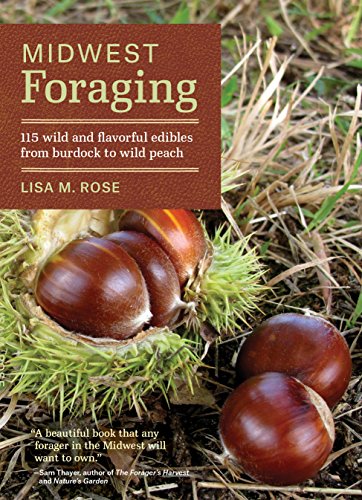
- Covers 115 Midwest wild edibles
- Includes color photos and ID tips
- Adds ethical harvesting and seasonal planning
Best For: Beginners and advanced foragers needing a Midwest-specific field guide
North America Classic
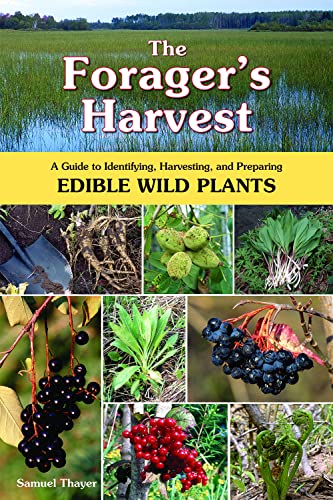
- Covers 32 common edible wild plants
- Includes ID, harvest, and preparation details
- Adds ecology and cultural history
Best For: Readers wanting a broader North American foraging reference
Beginner Starter
Foraging in Michigan and the Midwest

- Beginner-friendly Midwest guide
- Focuses on safe, sustainable foraging
- Covers common wild edibles and basics
Best For: New foragers wanting a simple Midwest introduction
Edible-Medicinal Guide
Edible and Medicinal Wild Plants of the Midwest
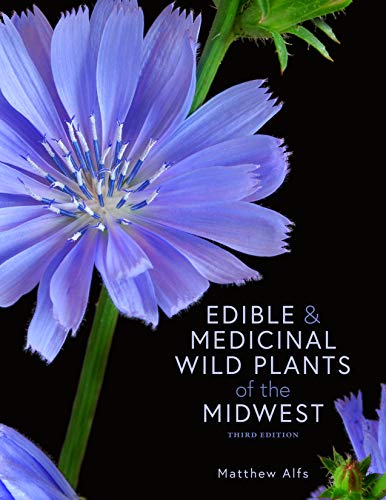
- Covers 100 upper Midwest wild plants
- Includes edible and medicinal uses
- Adds photos, glossary, and resource list
Best For: Readers wanting a deeper Midwest edible and medicinal plant reference
Beginner-Friendly Heartland Guide
Midwest Foraging for Beginners

- 70+ full-color plant photos
- Seasonal picking and safety tips
- Simple recipes and wellness ideas
Best For: New foragers seeking an easy Midwest wild edibles starter guide
Medicinal Plant Reference

- Profiles 109 wild herbs
- Teas, tinctures, and salves
- Seasonal harvesting guidance
Best For: Herbalists and foragers wanting a Midwest medicinal plant guide
All-Season Survival Guide

- 350+ full-color visuals
- Covers plants, fungi, algae, and insects
- Maps plus preservation methods
Best For: Year-round foragers wanting a broad survival-oriented guide
Regional guide
Midwest Foraging for Beginners

- Six-region book with a Midwest section
- 80+ full-color images and safe-ID tips
- Includes calendars, recipes, and tools
Best For: Beginners who want one broad guide covering the Midwest and other U.S. regions
Medicinal survival guide
Foraging and Medicinal Plant Survival in the Midwest

- Focuses on Midwest medicinal and survival plants
- Over 50 healing plants with color imagery
- Covers salves, tinctures, teas, and lookalikes
Best For: Readers who want a compact Midwest field guide centered on medicinal plants and survival use
Edible and medicinal guide
Foraging Edible and Medicinal Plants in the Midwest

- Midwest-specific guide for food and herbs
- High-resolution photos plus lookalike notes
- Includes bonus remedy books and cookbook
Best For: Readers who want a Midwest guide combining edible plants, herbs, and preparation ideas
Regional Field Guide – Midwest Foraging: 115 Wild and Flavorful Edibles
If you want Midwest foraging books that are practical for everyday use, this guide is built around clear identification help, seasonal planning, and simple ways to harvest and prepare wild edibles. It covers 115 plants across the region, with color photos and ethical harvesting tips that make it useful whether you’re just starting out or already know your local plants.
Best For: Beginners and experienced foragers who want a comprehensive Midwest-specific field guide.
Pros:
- Covers 115 wild edibles across the Midwest.
- Includes clear color photos and identification tips.
- Offers ethical harvesting, eating, and preserving guidance.
- Seasonal planner helps track when plants are available.
Cons:
- Focuses on the Midwest region, so it is not a broad nationwide guide.
- Its depth may be more than casual readers need.
This is a strong pick if you want one of the more thorough Midwest foraging books available, especially if you value a balance of safety, field identification, and practical kitchen use.
North America Classic – The Forager's Harvest
The Forager's Harvest: A Guide to Identifying, Harvesting, and Preparing Edible Wild Plants
Check Price On AmazonIf you’re comparing Midwest foraging books but want something that also works beyond one region, this guide offers a solid foundation for identifying, harvesting, and preparing edible wild plants. It focuses on 32 of the best and most common edible wild plants in North America, with details on where they grow, how they’re used, and how they fit into ecology and cultural history.
Best For: Readers who want a broader North American foraging reference with strong plant profiles.
Pros:
- Profiles 32 common edible wild plants.
- Explains identification, harvest timing, and plant parts used.
- Includes preparation, ecology, conservation, and cultural history.
- Substantial 368-page reference.
Cons:
- Not limited to the Midwest, so it is less region-specific.
- Does not emphasize a seasonal planner or Midwest-only coverage.
This is a practical choice if you want a classic foraging reference that goes beyond the Midwest while still giving usable, well-rounded plant information.
Beginner Starter – Foraging in Michigan and the Midwest
If you are looking for approachable Midwest foraging books, this beginner-friendly title is aimed at helping you start safely and sustainably. It focuses on common wild edibles found in the Midwest and explains the basics of foraging, plant identification, and what to look out for before you pick.
Best For: New foragers who want a simple introduction to Midwest wild edibles.
Pros:
- Written as a beginner’s guide.
- Covers common wild edibles found in the Midwest.
- Explains safe, sustainable foraging basics.
- Includes guidance on identifying edible plants and spotting warning signs.
Cons:
- Less detailed than more comprehensive regional field guides.
- Focuses on common edibles rather than an extensive plant catalog.
This book makes sense if you want a simple on-ramp into foraging and prefer a guide that emphasizes safety and confidence over exhaustive detail.
Edible-Medicinal Guide – Edible and Medicinal Wild Plants of the Midwest
Among Midwest foraging books, this one stands out if you want both edible and medicinal uses in a single reference. It covers 100 wild plants of the upper Midwest and combines identification help with processing instructions, detailed plant descriptions, and a large set of scientific and ethnobotanical sources.
Best For: Foragers and herbal-minded readers who want a deeper Midwest plant reference.
Pros:
- Covers 100 wild plants of the upper Midwest.
- Addresses both edible and medicinal uses.
- Includes full-color photos, a glossary, and a resource list.
- Draws on extensive scientific and ethnobotanical research.
Cons:
- Larger and heavier than a typical pocket field guide.
- Its depth may be more than a casual beginner needs.
This is a strong choice if you want a more advanced regional reference that goes beyond simple identification and into practical plant processing and uses.
Beginner-Friendly Heartland Guide – Midwest Foraging for Beginners
If you want Midwest foraging books that make wild food feel approachable, this beginner guide is built for exactly that. It focuses on identifying, picking, and using wild plants across the Midwest, with color photos, seasonal guidance, recipes, and practical safety tips to help you get started with confidence.
Best For: New foragers who want a simple, photo-rich introduction to edible wild plants in the Midwest.
Pros:
- Includes 70+ full-color pictures to help with plant identification
- Covers seasonal harvest timing and basic foraging tools
- Offers easy recipes for turning wild plants into meals
- Includes notes on safe use and plant-based wellness
Cons:
- Focuses on beginner-level coverage rather than advanced botany
- Centers on plants more than mushrooms or broader wild foods
This is a solid choice if you want a friendly entry point into foraging with enough visuals and structure to reduce guesswork. Its practical layout makes it useful for everyday reference, especially for readers who want to cook what they find.
Medicinal Plant Reference – Midwest Medicinal Plants
Among Midwest foraging books, this one stands out if your interest is herbal medicine as much as identification. It guides you through finding, harvesting, and using 109 wild herbs, with clear photographs, harvesting suggestions, seasonal lists, and step-by-step instructions for teas, tinctures, and salves.
Best For: Foragers, herbalists, and naturalists who want a Midwest-specific medicinal plant reference.
Pros:
- Covers 109 wild herbs with color photographs
- Explains medicinal uses and herbal preparations
- Includes seasonal foraging lists for year-round use
- Built around safe and ethical foraging practices
Cons:
- More specialized toward medicinal use than general edible foraging
- May feel detailed for readers wanting only a casual field guide
This book is a strong pick if you want a more focused, wellness-oriented guide to the region’s wild plants. It balances identification with preparation methods, making it especially useful for readers who plan to turn their finds into herbal remedies.
All-Season Survival Guide – Four-Season Foraging 101
If you want Midwest foraging books with broader survival value, this all-season guide goes well beyond a basic plant list. It covers wild edibles, mushrooms, medicinal herbs, algae, and even insects, with full-color visuals, detailed maps, recipes, and preservation methods aimed at year-round foraging.
Best For: Readers who want a broad, year-round foraging manual with survival and prepper-friendly extras.
Pros:
- Features 350+ full-color visuals for identification support
- Includes maps, seasonal keys, and habitat-focused guidance
- Covers edible fungi, algae, insects, and herbal remedies
- Includes preservation methods like dehydrating, canning, and fermenting
Cons:
- Very broad scope may be more than a reader wants for simple Midwest plant foraging
- Coverage spans multiple regions, not only the Midwest
This is the most expansive option in the roundup, especially for buyers who want one book that covers foraging, preservation, and self-sufficiency. It is best suited to readers who value range and practical survival features over a narrower regional focus.
Regional guide – Midwest Foraging for Beginners
If you want one of the more expansive Midwest foraging books for beginners, this regional guide is built to help you identify wild edibles with more confidence. It covers the Midwest as part of a six-region format, includes season-by-season foraging calendars, full-color images, and simple techniques aimed at making foraging approachable and practical.
Best For: Beginners who want a broad regional foraging guide that includes the Midwest plus other U.S. regions.
Pros:
- Covers the Midwest with region-specific foraging tips
- Includes 80+ full-color images for plant identification
- Season-by-season calendars help with timing harvests
- Also includes recipes, tools, and safety guidance
Cons:
- Very broad scope may be less focused than a Midwest-only guide
- At 536 pages, it may feel bulky for quick field use
This is a strong pick if you want a single beginner-friendly book that reaches beyond the Midwest while still giving the region its own dedicated section. It looks especially useful for readers who want identification help, seasonal planning, and practical ways to use what they find.
Medicinal survival guide – Foraging and Medicinal Plant Survival in the Midwest
This title stands out among Midwest foraging books if your main interest is plant-based survival and medicinal use. It focuses on over 50 healing plants found across the Midwest, with color imagery, harvesting and storage advice, lookalike warnings, and instructions for making salves, tinctures, teas, and infusions.
Best For: Readers who want a Midwest-focused field guide centered on medicinal plants and survival use.
Pros:
- Over 50 Midwest healing plants with detailed ID features
- Includes safe harvesting, drying, and storing guidance
- Covers medicinal uses, lookalikes, and herbal preparations
- Seasonal foraging and herbal first-aid-kit strategies
Cons:
- Only 91 pages, so it may be less expansive than larger guides
- Appears more medicine-focused than food-foraging focused
If you want a compact, practical Midwest guide with a survival angle, this one is easy to prioritize. It is best suited to readers who value herbal remedies, emergency preparedness, and straightforward plant-use advice over a broader edible-plant survey.
Edible and medicinal guide – Foraging Edible and Medicinal Plants in the Midwest
For shoppers comparing Midwest foraging books, this guide aims for a balanced mix of edible and medicinal plant use. The notes emphasize high-resolution photos, lookalike comparisons, and practical instruction for identifying, harvesting, and preparing wild plants of the Heartland.
Best For: Readers who want a Midwest-specific guide that combines edible plants, herbs, and practical preparation ideas.
Pros:
- Focused on edible and medicinal Midwest plants
- High-resolution photos help with identification
- Includes lookalike photos and preparation guidance
- Bonus herbal remedy books and a Midwest-inspired cookbook
Cons:
- The provided page count is incomplete in the notes
- Bonus-heavy packaging may matter more to some buyers than others
This is a practical option if you want one Midwest guide that bridges food, remedies, and everyday use. It looks strongest for readers who want visual identification help and extra recipe/remedy material alongside the core field guide content.
How We Picked These Midwest Foraging Books
We focused on Midwest Foraging Books that are useful in the field, not just interesting to read at home. Our selection favors clear plant identification, practical harvesting and preparation guidance, Midwest-relevant species coverage, and a beginner-friendly learning curve where appropriate.
We also looked for books that fit different needs: broad wild edible references, beginner field guides, and titles with medicinal-plant coverage for readers who want a wider view of edible and useful plants.
Quick Comparison
Some books in this roundup are best for first-time foragers who need simple, approachable explanations. Others are better for readers who already know the basics and want deeper regional detail, broader species coverage, or more emphasis on preparation and seasonal use. If you want a single everyday carry guide, prioritize portability and visual ID aids. If you prefer a home reference, choose a more expansive title with stronger explanatory sections.
Key Buying Factors for Midwest Foraging Books
Regional Accuracy
Look for books that specifically address the Midwest rather than relying on national coverage alone. Region-specific guidance is more likely to reflect local habitats, growing seasons, and the plants you will actually encounter.
Identification Support
Good Midwest Foraging Books should explain lookalikes, key plant parts, habitat clues, and harvesting windows. Clear photos or illustrations are especially valuable for beginners.
Safety and Preparation Advice
A strong guide does more than name plants. It should explain what part is edible, how to prepare it, and when to avoid it. Caution around toxic lookalikes is essential.
Skill Level
Choose a title that matches your experience. Beginners usually benefit from simplified language and step-by-step structure, while experienced foragers may prefer more comprehensive references with broader species lists.
Practical Use in the Field
The best field guides are easy to carry, fast to scan, and organized in a way that helps you confirm a plant quickly. That matters when you are outdoors and comparing several similar species.
Who Should Buy Which Midwest Foraging Books?
If you are new to foraging, start with a beginner-focused Midwest guide that emphasizes safe identification and common edible species. If you want a deeper reference for year-round use, choose a more expansive book with broader plant profiles and preparation tips. Readers interested in both food and herbal uses should consider titles that cover medicinal plants alongside edible ones.
In short, the best Midwest Foraging Books are the ones that match your local environment, your confidence level, and how you plan to use the information—whether that is quick field identification, seasonal harvesting, or building a more complete wild-food library.