If you want to identify, harvest, and use wild plants with more confidence, the right guide matters. The best edible wild plant books combine accurate plant identification, clear photos or drawings, and safe foraging advice.
Below, we’ve rounded up 10 strong options for beginners, backyard foragers, and more experienced wild-food readers looking for dependable reference books in 2026.
Best 10 Edible Wild Plant Books Picks for 2026
Field-First Foraging Reference
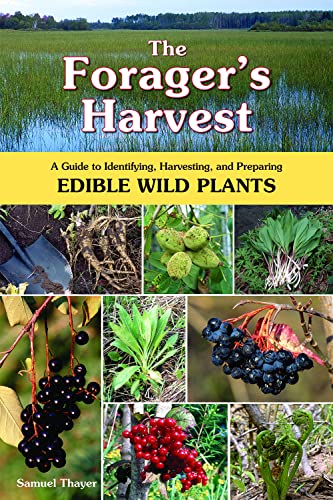
- 32 common edible plants in North America
- Covers ID, harvest timing, and preparation
- Includes ecology and cultural history
Best For: Foragers who want a focused, identification-driven guide
Classic Field Guide Pick

- 370+ edible plants and 37 lookalikes
- 400 drawings and 78 color photos
- Habitat, season, and prep guidance
Best For: Readers who want a classic, wide-ranging field guide
Most Comprehensive North American Guide
The Forager’s Guide to Wild Foods
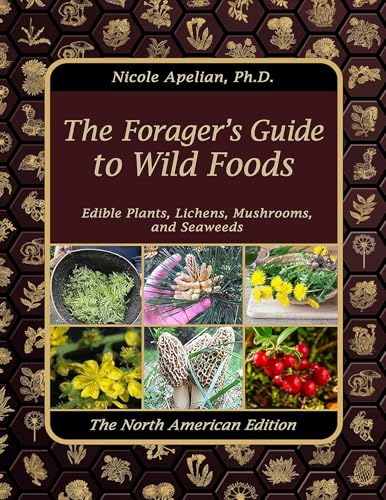
- Over 400 edible and medicinal plants
- 400 localization maps and full-page photos
- Recipes plus harvesting and traditional uses
Best For: Foragers who want a broad, photo-heavy guide with food and medicinal uses
Beginner-Friendly Starter Guide
Edible Wild Plants for Beginners

- 31 plant profiles with look-alike warnings
- 95+ recipes, remedies, and tincture basics
- Foraging, harvesting, and cultivation tips
Best For: Beginners who want a practical intro with recipes and simple guidance
Regional Field Guide
Sam Thayer's Field Guide to Edible Wild Plants

- Covers 700 edible species plus some toxic lookalikes
- Includes range maps, color photos, and everyday-language ID
- Gives habitat, season, conservation, and preparation details
Best For: Foragers who want a deep regional reference for Eastern and Central North America
Wild Greens Guide
Edible Wild Plants: Wild Foods From Dirt To Plate

- Covers 18 edible greens with culinary focus
- Organizes plants by flavor for easier cooking
- Includes photos and nutrient tables
Best For: Readers who want to cook with wild greens and compare their nutrition
North America Foraging Guide

- Profiles 41 widespread North American wild foods
- Covers identification, harvesting, and preparation
- Adds cultural and natural history context
Best For: Foragers who want a focused guide to common wild foods with practical use
Seasonal Field Guide

- Over 200 edible species
- Nearly 400 color photos
- Seasonal keys and recipes
Best For: seasonal foragers who want a North American field guide
Backyard Foraging Guide
National Geographic Backyard Guide to Edible Wild Plants

- Covers 102 common wild plants
- Photos, illustrations, and descriptions
- Hundreds of tips and recipes
Best For: beginners and home foragers who want a kitchen-friendly guide
Beginner Foraging Primer
Edible Wild Plants for Beginners

- Designed for new foragers
- Covers recognition and seasonal awareness
- Promotes safe, responsible harvesting
Best For: beginners seeking a cautious introduction to foraging
Field-First Foraging Reference – The Forager's Harvest
The Forager's Harvest: A Guide to Identifying, Harvesting, and Preparing Edible Wild Plants
Check Price On AmazonIf you want edible wild plant books that focus on careful identification and practical use, this guide narrows the field to 32 of the best and most common edible wild plants in North America. It covers where plants grow, when to harvest them, which parts to use, and how to prepare them, with added notes on ecology, conservation, and cultural history.
Best For: Foragers who want a focused, identification-driven guide to common North American edibles.
Pros:
- Covers 32 widely used edible wild plants in North America.
- Includes identification, habitat, harvest timing, and preparation details.
- Adds culinary use, ecology, conservation, and cultural history.
Cons:
- Smaller plant list than broader field guides.
- Focuses on North America, so it is region-specific.
This is a strong pick if you prefer depth over breadth and want a guide built around practical harvesting decisions.
Classic Field Guide Pick – Peterson Edible Wild Plants
Edible Wild Plants: Eastern/Central North America (Peterson Field Guides) - COVER MAY VARY
Check Price On AmazonAmong edible wild plant books, this Peterson Field Guide stands out for its large plant count and visual identification support. It describes more than 370 edible wild plants and 37 poisonous lookalikes, with 400 drawings, 78 color photographs, habitat notes, seasonal lists, and preparation instructions for 22 food uses.
Best For: Readers who want a classic, wide-ranging field guide with strong visual identification help.
Pros:
- More than 370 edible wild plants plus 37 poisonous lookalikes.
- Includes 400 drawings and 78 color photographs for recognition.
- Provides habitat descriptions, seasonal lists, and preparation instructions.
Cons:
- Compact field-guide format may feel dense for beginners.
- Heavier and less focused on recipes than some other options.
This is a dependable all-around choice if you want a broad reference that emphasizes recognition and caution.
Most Comprehensive North American Guide – The Forager’s Guide to Wild Foods
If you want edible wild plant books that go well beyond basic plant profiles, this guide offers a very broad reference for North America. It includes over 400 wild edible and medicinal plants, localization maps, full-page photos, identification guidance, recipes, and traditional uses, making it a strong field-and-kitchen companion.
Best For: Foragers who want a broad, photo-heavy guide with both food and medicinal uses.
Pros:
- Covers over 400 wild edible and medicinal plants.
- Includes 400 localization maps and multiple color images per plant.
- Adds recipes, harvesting tips, and traditional uses.
Cons:
- Large, information-dense format may be more than casual users need.
- Broad scope can make it less streamlined than a beginner-only guide.
This book is a good fit if you want one of the deepest references in the category and like having identification and usage details in one place.
Beginner-Friendly Starter Guide – Edible Wild Plants for Beginners
Edible Wild Plants for Beginners: The Essential Edible Plants and Recipes to Get Started
Check Price On AmazonFor shoppers comparing edible wild plant books, this title is aimed squarely at getting started with confidence. It profiles 31 edible wild plants, highlights dangerous look-alikes, explains where to find and when to harvest them, and adds more than 95 recipes and remedies for use in the kitchen and home.
Best For: Beginners who want a practical intro with recipes, remedies, and simple foraging guidance.
Pros:
- Designed for beginners with clear foraging and harvesting guidance.
- Includes 31 plant profiles and dangerous look-alike warnings.
- Offers more than 95 recipes and remedies, plus tincture basics.
Cons:
- Covers fewer plants than broader field guides.
- Less exhaustive than reference-heavy books for advanced foragers.
This is a smart entry point if you want a gentle learning curve and practical ways to start using wild plants at home.
Regional Field Guide – Sam Thayer's Field Guide to Edible Wild Plants
Sam Thayer's Field Guide to Edible Wild Plants: of Eastern and Central North America
Check Price On AmazonIf you want one of the most comprehensive edible wild plant books for Eastern and Central North America, this guide is built for serious foragers and curious beginners alike. It covers 700 edible species, includes range maps and color photos, and uses everyday language to help with positive identification before harvesting.
Best For: Foragers who want a large, region-focused reference with detailed ID help and practical harvesting guidance.
Pros:
- Covers 700 edible species, plus some troublesome toxic plants for comparison
- Includes detailed descriptions, range maps, and sharp color photos
- Explains habitat, conservation, edible parts, harvest seasons, and preparation methods
- Designed to work alongside phone-based identification apps
Cons:
- Very large and heavy at 736 pages and 3.4 pounds
- Focused on Eastern and Central North America, so it is not a broad national guide
This is the strongest choice here if you want depth over simplicity. It reads like a long-term field reference rather than a quick pocket guide, and the identification approach is especially useful for safe, confident foraging.
Wild Greens Guide – Edible Wild Plants: Wild Foods From Dirt To Plate
Edible Wild Plants: Wild Foods From Dirt To Plate (The Wild Food Adventure Series, Book 1)
Check Price On AmazonThis is a practical pick among edible wild plant books if you want to learn common greens you can actually use in the kitchen. It focuses on 18 delicious wild greens, uses vivid photography, and organizes plants into flavor categories that make salad-building and recipe use easier to understand.
Best For: Readers who want a food-first guide to wild greens with clear culinary guidance and nutrient comparisons.
Pros:
- Covers 18 edible greens, including purslane, chickweed, curly dock, sorrel, and wild mustard
- Uses flavor categories: foundation, tart, pungent, and bitter
- Includes gorgeous photographs and playful but authoritative text
- Contains nutrient tables comparing wild foods to domesticated greens
Cons:
- More focused on greens than on a broad range of wild edible plants
- Best suited to readers interested in culinary use, not just identification
If your goal is to put wild greens on the plate, this book keeps things approachable and useful. It stands out for making flavor and kitchen application part of the learning process, which can make first-time foraging feel much more manageable.
North America Foraging Guide – Nature's Garden
Nature's Garden: A Guide to Identifying, Harvesting, and Preparing Edible Wild Plants
Check Price On AmazonAmong edible wild plant books, this guide is a solid choice if you want a careful introduction to widely found North American foods. It profiles 41 common wild foods and explains how to identify, harvest, and prepare them, while also adding cultural and natural history context.
Best For: Foragers who want a focused guide to common North American wild foods with identification and prep basics.
Pros:
- Covers 41 of the most widespread wild foods in North America
- Explains how to identify plants, what parts to use, and when to harvest
- Includes preparation guidance for the table
- Adds cultural and natural history notes for each plant
Cons:
- Limited to 41 plants rather than a broad all-in-one reference
- Overlap-free coverage means it is best paired with a more comprehensive guide if you want a larger library
This book is a practical middle ground between a beginner-friendly overview and a detailed field reference. It is especially appealing if you want a narrower set of plants and a clear path from identification to harvesting and cooking.
Seasonal Field Guide – Edible Wild Plants
If you want edible wild plant books that are practical in the field, this guide stands out for its seasonal organization, clear identification help, and wide North American coverage. It focuses on more than 200 edible species and includes photos, habitat notes, harvesting tips, preparation advice, and poisonous look-alikes to help support careful foraging.
Best For: Readers who want a season-by-season field guide with recipes and look-alike warnings.
Pros:
- Covers over 200 edible plant species across North America
- Nearly 400 color photos help with identification
- Includes seasonal keys, recipes, and nutritional information
- Notes poisonous look-alikes for added caution
Cons:
- Focuses on North American plants, so it is region-specific
- Best suited to a field-guide approach rather than deep botanical study
This is a strong pick for buyers who want a compact, usable foraging reference with broad plant coverage and a practical layout. The seasonal structure makes it easier to match what you see outdoors with what the book describes.
Backyard Foraging Guide – National Geographic Backyard Guide to Edible Wild Plants
Among edible wild plant books, this National Geographic guide is aimed at turning everyday spaces into a foraging resource. It covers 102 common wild plants with photographs, illustrations, and plenty of preparation ideas, making it especially approachable for gardeners, foodies, and beginners who want a usable kitchen-friendly reference.
Best For: Beginners who want an illustrated backyard foraging guide with lots of recipe ideas.
Pros:
- Profiles 102 common wild plants for foraging
- Includes photographs, illustrations, and detailed plant descriptions
- Offers hundreds of preparation tips and recipes
- Organized by plant parts for easier learning
Cons:
- Only covers plants commonly found in backyard-style settings
- May be more recipe-oriented than advanced identification-focused
This is a good option if you want a visually rich guide that connects plant identification with practical kitchen use. Its structure and recipe ideas make it easy to dip into without feeling overwhelming.
Beginner Foraging Primer – Edible Wild Plants for Beginners
If you are comparing edible wild plant books for a first step into foraging, this beginner-friendly guide keeps the focus on observation, seasonal awareness, and responsible harvesting. It does not push risky consumption; instead, it emphasizes careful plant recognition and encourages readers to verify identifications with regional resources or qualified experts.
Best For: New foragers who want a cautious, educational introduction to wild plant identification.
Pros:
- Written specifically for beginners
- Covers plant recognition, seasonal growth, and responsible harvesting
- Encourages safe verification with reliable local resources
- Includes simple culinary inspiration and environmental stewardship guidance
Cons:
- More introductory than comprehensive
- Does not encourage direct consumption without outside verification
- Newer independently published title with no established field-guide track record in the notes
This book is best viewed as an entry-level learning tool rather than a full foraging manual. Its strength is its careful tone, making it useful for readers who want to build confidence before moving on to more detailed regional references.
How We Picked These Edible Wild Plant Books
We focused on books that are useful in the field and at home: dependable identification details, clear habitat and season cues, safety guidance, and practical notes on harvesting and preparation. We also looked for a balance of beginner-friendly titles and deeper reference works so the list works for different skill levels.
Quick Comparison
Some Edible Wild Plant Books are true field guides built for quick identification, while others are broader foraging manuals with recipes, uses, and preparation tips. If you want fast plant matching outdoors, choose a field guide. If you want a more complete learning resource, pick a book that covers identification plus cooking and processing.
Key Buying Factors for Edible Wild Plant Books
Identification Clarity
Look for sharp photos or accurate illustrations, along with leaf shape, stem, flower, fruit, and habitat details. A good guide should help you separate lookalikes, not just name a plant.
Regional Coverage
Make sure the book matches your geography. Many Edible Wild Plant Books are strongest for Eastern or Central North America, while others offer broader North American coverage or backyard-focused selections.
Safety and Caution Notes
Foraging books should clearly address toxic lookalikes, plant parts to avoid, and best practices for positive identification. This is especially important for beginners.
Practical Use
The most helpful guides explain how to harvest responsibly, clean and store wild plants, and prepare them safely. Recipe ideas and usage notes are a bonus if you plan to cook what you forage.
Who Should Buy Which Edible Wild Plant Books?
Beginners should prioritize straightforward Edible Wild Plant Books with simple identification help and safety warnings. If you are learning a specific region, choose a localized field guide first. If you already know the basics and want more depth, pick a more detailed reference with broader species coverage and preparation guidance. For casual gardeners or homeowners, a backyard-oriented guide may be the easiest entry point.
In short, the best choice depends on how you plan to use it: field identification, seasonal foraging, or cooking and preserving wild foods. Matching the book to your skill level and region will make it much more useful than choosing the longest or most general title.