If you want to keep better records of birds you spot, the right journal makes every outing more rewarding. Birdwatching journal books help you track sightings, build a life list, and notice patterns over time.
From compact field logs to guided nature journals, this roundup focuses on options that are easy to use, portable, and suited to beginners and experienced birders alike.
Best 10 Birdwatching Journal Books Picks for 2026
Classic Life List Journal

- 923-species checklist for U.S. and Canada birders
- Room for sighting notes, locations, and memories
- 304-page field diary with a built-in life list
Best For: Birders who want a structured life list and field notes in one book
Compact Field Log

- Guided prompts for weather, habitat, bird traits, and notes
- 6" x 9" size works well for travel and field use
- Includes space for sketches or photos
Best For: Birders of all ages who want a simple, guided logging journal
Premium Keepsake Journal
National Geographic Birder's Life List

- Taxonomy-based layout for organized life-list tracking
- Graceful illustrations and an index add polish
- 256 pages with space for dates, locations, and notes
Best For: Birders who want an elegant record book for life-list keeping
Field-Friendly Sighting Log

- Prompts for bird name, behavior, habitat, and markings
- Includes quick-start birding tips and bonus note pages
- Portable 6" x 9" size with space for sketches or photos
Best For: Birders who want a compact log for organized field sightings
Structured Bird Log
Birding Journal with Life List & Checklist A5

- Life list for 120 entries
- Detailed species pages with sketches
- Cross-referenced checklist system
Best For: Birders who want organized, cross-referenced records
Portable Sightings Log

- Pocket 6" x 9" format
- Tracks date, time, weather, and bird details
- Extra blank pages for notes
Best For: Birders who want a compact travel-friendly log
Guided Observation Diary

- Focuses on slow birding and daily observation
- Includes prompts, questions, and guidance
- Has illustrations plus blank sketch pages
Best For: Birders who prefer reflective, guided field notes
Editor’s Pick
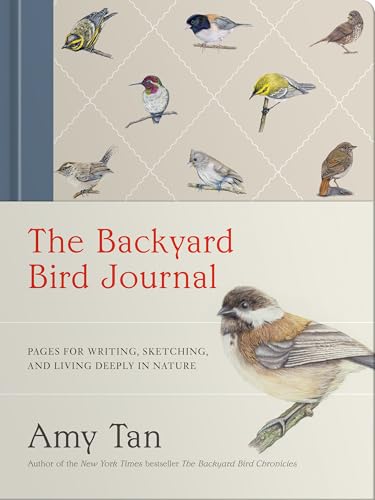
- Amy Tan–inspired nature journaling format
- Lay-flat pages for writing and sketching
- High-quality paper with ribbon marker
Best For: Birders who want a reflective, open-ended journal
Best for Beginners
Birdwatching Journal and Discovery Guide

- Checklist tracks 100+ birds
- QR codes support ID and learning
- Designed for beginners and families
Best For: New birders, kids, and classroom use
Best Structured Logbook
Bird Watching Journal with Life List & Checklist

- Life list, checklist, and species pages
- Cross-referenced entries for easy navigation
- Spiral-bound with colored bird illustrations
Best For: Organized birders who want a trackable logbook
Classic Life List Journal – The Sibley Birder's Life List
If you want birdwatching journal books that double as a serious record of your sightings, this Sibley field diary is built for exactly that. It gives birders room for on-site notes and a structured life list covering 923 species found in the United States and Canada, making it a practical companion for tracking each new bird you identify.
Best For: Birders who want a compact field diary with a built-in life list and plenty of space for notes.
Pros:
- Includes entries for 923 U.S. and Canada species
- Space to record where, when, and how a bird was seen
- Back-of-book checklist helps build a complete life list
- 304 pages provide substantial logging space
Cons:
- Focused on U.S. and Canada birds only
- More record-keeping oriented than decorative
This is a strong choice if you value an organized, field-ready birding log over a generic journal layout. It offers enough structure for long-term tracking while still leaving room for personal notes and memories from each sighting.
Compact Field Log – My Bird Watching Journal
Among birdwatching journal books, this one stands out for its clear, guided layout and travel-friendly size. It is designed to help birdwatchers record the details that matter most, with prompts for date, time, weather, habitat, bird type, physical traits, and a space for sketches or photos.
Best For: Kids, teens, and adults who want an easy-to-use birding log book with structured prompts.
Pros:
- Clear, well-organized pages with guided fields
- Includes prompts for location, GPS, weather, and temperature
- Space for sketches or photos adds flexibility
- Compact 6″ x 9″ size is easy to carry
Cons:
- Only 120 pages total
- Best suited to simple logging rather than detailed life-list tracking
If you want a straightforward birdwatching journal books option that keeps field notes quick and organized, this is a practical pick. Its prompt-based format makes it easy to start logging sightings right away, whether you’re buying for yourself or gifting it to a bird lover.
Premium Keepsake Journal – National Geographic Birder's Life List
This National Geographic pick is a polished option for birdwatching journal books, especially if you want a keepsake-style record book. It is organized by bird taxonomy and gives you blanks for dates, locations, and sighting details, with graceful illustrations and an index that make it easy to use over time.
Best For: Dedicated birders who want a handsome life-list journal with a more refined presentation.
Pros:
- Organized by bird taxonomy for easy life-list keeping
- Includes blanks for dates, locations, and personal notes
- Features graceful illustrations and an index
- 256 pages offer ample record-keeping space
Cons:
- Geared toward U.S. and Canada birders
- More of a keepsake book than a rugged field notebook
This is a strong choice if you want a birding journal that feels as polished as it is practical. It pairs well with a field guide and works especially well for birders who like a structured, attractive place to preserve sightings.
Field-Friendly Sighting Log – Bird Watching Log Book
If you’re comparing birdwatching journal books for everyday field use, this log book is built around quick, useful entries. It includes prompts for bird name, number spotted, behavior, habitat, markings, and more, plus bonus note pages and space for sketches or photos.
Best For: Birders who want a compact, structured log for tracking sightings and observations.
Pros:
- Logging pages cover the key sighting details
- Includes quick-start birding tips for beginners or refreshers
- Space for sketches or photos captures each sighting visually
- Compact 6″ x 9″ format fits a backpack or field bag
Cons:
- Only space for 90 unique sightings
- Less focused on life-list organization than some alternatives
This is a practical option if you want a no-fuss logging format with enough prompts to keep notes consistent. It’s especially useful for birders who prefer a portable notebook they can bring on trips and into the field.
Structured Bird Log – Birding Journal with Life List & Checklist A5
If you want birdwatching journal books that help you track sightings in a structured way, this A5 spiral-bound journal is built for organized field notes. It combines a life list, a detailed species section, and a checklist system, with page cross-references that make it easier to find every mention of the same bird.
Best For: Birders who want an organized, all-in-one journal for life lists, detailed notes, and cross-referenced records.
Pros:
- Life list section for 120 entries with space for species name, location, and date
- Detailed species pages with room for notes and sketches, 1 page per bird
- Checklist pages include 8 columns for sorting sightings by details like location and season
- Spiral binding lets the book lie flat for easier writing in the field
Cons:
- Only 133 total pages, so very active birders may fill it quickly
- A5 size offers a compact writing area compared with larger notebooks
This is a practical choice if you prefer a birdwatching journal book that keeps every sighting connected across multiple sections. The layout is especially useful for birders who like detailed record-keeping without carrying a bulky notebook.
Portable Sightings Log – Bird Watching Logbook
For birdwatching journal books that are easy to carry, this pocket-size logbook keeps your sightings notes simple and practical. It includes a chart for recording observations, fields for date, time, weather, bird description, and photo or sketch notes, plus extra blank pages in the back.
Best For: Kids, teens, and adults who want a compact, easy-to-carry bird sighting log.
Pros:
- Small 6″ x 9″ size makes it convenient for travel and field use
- Observation chart includes date, time, weather, description, and sketch/photo space
- 110 pages provide a straightforward amount of room for logging sightings
- Extra blank pages at the end for additional notes
Cons:
- Less structured than journals with dedicated life-list or species sections
- Smaller format means less writing space per entry
This logbook works well if you want a simple birding journal without extra complexity. It is a solid pick for anyone who values portability and a basic, easy-to-follow sighting format.
Guided Observation Diary – The Slow Birding Journal
If you are shopping for birdwatching journal books with a more reflective approach, this field diary focuses on observing birds where you are, rather than chasing a life list. It includes space for daily observations, prompts and questions, guidance on what to notice, and illustrated pages alongside blank pages for your own drawings.
Best For: Backyard, local-park, and day-hike birders who want guided daily observation.
Pros:
- Designed around slow birding and everyday observation
- Includes prompts and questions to guide what you notice
- Offers advice and guidance on watching birds more closely
- Contains detailed illustrations plus blank pages for your own sketches
Cons:
- Less centered on traditional life-list tracking
- May feel more reflective than a quick field log for fast note-taking
This journal stands out if you want to deepen your birding routine through observation and reflection. It is a strong fit for birders who spend most of their time in familiar places and want a guided diary rather than a checklist-heavy notebook.
Editor’s Pick – The Backyard Bird Journal
The Backyard Bird Journal: Pages for Writing, Sketching, and Living Deeply in Nature
Check Price On AmazonIf you want birdwatching journal books that feel more reflective than rigid, this one is built for writing, sketching, and noticing the small details outside your window. Inspired by Amy Tan’s nature journaling approach, it gives you roomy daily pages, quotes, sketch art, and a lay-flat design that makes it easy to use at home or on a walk.
Best For: Birders and nature journalers who want a calm, open-ended book for observation, writing, and sketching.
Pros:
- Includes a new introduction plus Amy Tan’s “no rules” nature journaling guidance
- Lay-flat spine and ribbon marker make it practical to use while writing or sketching
- High-quality paper is suitable for pen or pencil
- Daily journaling pages are already inspired with quotes and sketch art
Cons:
- No built-in checklist or bird identification system
- More focused on reflection and sketching than tracking species counts
- Not designed as a structured field guide
This is a strong pick if you prefer a beautiful journaling experience over a highly organized logbook. It suits casual backyard birding just as well as deeper nature observation.
Best for Beginners – Birdwatching Journal and Discovery Guide
Among birdwatching journal books, this one stands out for turning each outing into an easy learning exercise. It combines a birdwatcher’s checklist, sketch pages, and QR codes that point to third-party identification tools, bird calls, and photos, making it especially friendly for new birders and families.
Best For: Beginners, kids, homeschoolers, and families who want a simple birding journal with built-in learning support.
Pros:
- Checklist tracks more than 100 birds
- Journal and sketch pages encourage observation and creativity
- QR codes add access to identification tools, bird calls, and photos
- Suitable for a wide age range, including ages 8–12
Cons:
- Uses third-party QR code resources rather than built-in ID content
- Less focused on detailed long-form notes than some logbooks
- Newer publication with a more guided, workbook-like style
This is a practical choice if you want a birding journal that teaches as it goes. The format keeps things approachable while still giving you room to record sightings and sketches.
Best Structured Logbook – Bird Watching Journal with Life List & Checklist
If you prefer birdwatching journal books with a clear system, this spiral-bound logbook is built around organization. It includes a life list, a checklist section, and detailed species pages, all cross-referenced so you can quickly find every note tied to a specific bird.
Best For: Birders who want a highly structured journal for tracking sightings, checklists, and detailed species notes.
Pros:
- Three-section layout covers life lists, checklists, and detailed species entries
- Cross-references help you locate mentions of the same bird quickly
- Pre-illustrated with colored pictures of common North American birds
- Spiral binding lets the book lie flat for easier writing
Cons:
- More structured than a freeform nature journal
- Focused on North American common birds, which may not suit every birder
- Smaller A5 format may feel compact for users who write a lot
This is the most system-driven option here, and that makes it ideal for anyone who likes tidy records and quick reference. The illustrated interior adds usefulness without sacrificing the practical logbook format.
How We Picked the Best Birdwatching Journal Books
We looked for Birdwatching Journal Books that balance usability, organization, and portability. The best choices make it easy to record species, date, location, behavior, weather, and notes without slowing you down in the field. We also favored formats that suit different birding styles, from checklist-driven logging to reflective journaling and sketch-friendly pages.
Quick Comparison
If you want a structured life list, choose a journal with checklists and dedicated sighting fields. If you prefer a more personal record, pick a journal with open note space for observations, sketches, and habitat details. For casual birders, smaller notebooks are easier to carry; for dedicated birders, larger layouts usually provide more room for detailed entries.
Key Buying Factors for Birdwatching Journal Books
Layout and Structure
Think about how you like to record birds. Some Birdwatching Journal Books emphasize quick checkboxes and lists, while others offer prompts for behavior, field marks, and weather. Structured pages are best for fast logging; open layouts work better for birders who like to write more.
Size and Portability
A field journal should be easy to bring along on walks, hikes, or backyard sessions. A smaller A5-style book fits better in a day bag, while larger journals can feel more comfortable at home or in a blind.
Content Depth
Some journals focus only on sightings, while others add discovery tips, illustrations, or reflection prompts. If you are new to birding, a more guided format can help you learn faster. If you already keep detailed notes, a simple logbook may be enough.
Durability and Usability
Look for sturdy covers, readable page design, and plenty of writing space. If you often bird outdoors, choose a format that is easy to use quickly and can hold up in a backpack or jacket pocket.
Who Should Buy Which Birdwatching Journal Books?
Beginners and gift buyers should look for friendly, guided Birdwatching Journal Books with prompts or illustrated pages. Experienced birders often prefer life-list formats or streamlined field logs that make it easy to record many sightings over time. If you enjoy sketching or reflective writing, choose a journal with open pages and flexible note space. For family birding or kids, simpler journals with clear sections and easy tracking tend to work best.
In short, the best choice depends on whether you want speed, structure, creativity, or a mix of all three. Pick the format that matches how you actually bird, and you will be far more likely to keep using it throughout the year.