Botanical illustration rewards accuracy, patience, and the right instruction. The best botanical art technique books help you build drawing skill, control your materials, and develop a clean, believable style.
Whether you are starting with simple leaf forms or refining advanced watercolor glazing, this roundup focuses on practical books that teach repeatable methods for real botanical subjects.
Best 10 Botanical Art Technique Books Picks for 2026
Definitive Studio Reference

- Covers watercolor, graphite, vellum, oils, and more
- Step-by-step projects from beginner to advanced
- Includes 900+ photos and contemporary examples
Best For: Artists seeking a comprehensive botanical technique manual
Hands-On Drawing Guide
Drawing and Painting Botanicals for Artists

- Covers drawing and painting across several mediums
- Includes botanical terms and observational basics
- Compact, instruction-first format by an expert instructor
Best For: Artists who want a concise, practical botanical drawing guide
Complete Step-by-Step Resource
Botanical Illustration: The Complete Guide
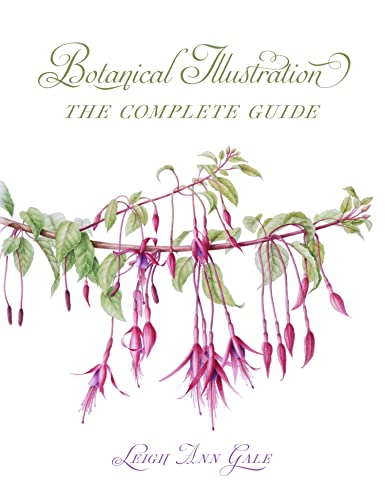
- Covers observation, composition, and color theory
- Includes a full worked example and step-by-step subjects
- Lavishly illustrated with 391 color images
Best For: Artists who want a detailed, process-focused botanical guide
Watercolor Specialist Pick
Billy Showell's Botanical Painting in Watercolour

- Watercolor-focused guidance from a renowned artist
- Includes 90+ step-by-step demonstrations
- Covers tools, texture, color, and observation
Best For: Watercolor artists seeking detailed botanical demonstrations
Classic Botanical Drawing Guide
How to Draw Plants: The Techniques of Botanical Illustration
- Covers pencil, pen, watercolour, acrylics, gouache, and scraper board
- Gives step-by-step help with plant structure and measurement
- Includes guidance on handling and preserving plant material
Best For: Artists seeking a comprehensive, accuracy-focused botanical illustration handbook
All-Purpose Botanical Reference
Botanical Illustrator's Handbook

- Covers paper, pencils, paints, brushes, and other materials
- Explains magnification, scale bars, perspective, and detail control
- Features 160 color illustrations and advanced subject guidance
Best For: Artists needing a practical reference for difficult botanical subjects and materials
Colour Mixing Focused Guide
Watercolour Mixing Techniques for Botanical Artists
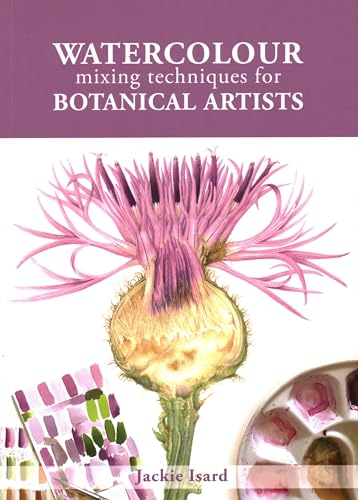
- Teaches accurate colour observation and pigment selection
- Covers difficult botanical mixes like greens, reds, and greys
- Includes layering, enhancement, and detailing techniques
Best For: Watercolour users who want focused instruction on botanical colour mixing
Classic Watercolor Guide
Botanical Illustration in Watercolor
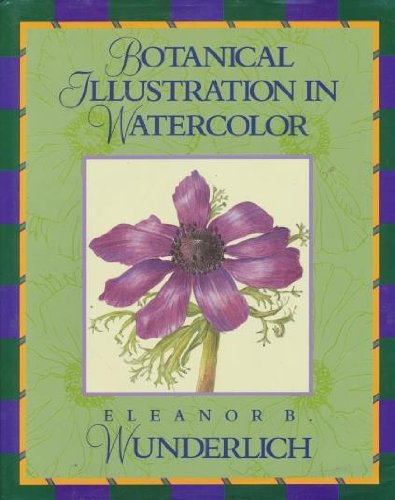
- Watercolor-focused botanical technique book
- Covers materials and painting methods
- Aims for accuracy with visual appeal
Best For: Artists seeking a watercolor reference for plant illustration
Step-by-Step Practice

- 19 guided projects for practice
- Covers pencil, ink, and watercolor
- Intermediate-level floral illustration focus
Best For: Intermediate artists who prefer project-based instruction
Scientific Art Companion
Botanical Art with Scientific Illustration

- Blends botanical and scientific illustration
- Covers materials, research, and theory
- Includes over 200 illustrations
Best For: Readers who want art technique with scientific context
Definitive Studio Reference – Botanical Art Techniques
If you’re comparing botanical art technique books, this is the most wide-ranging option in the list. It covers watercolor, graphite, colored pencil, vellum, egg tempera, oils, pen and ink, and printmaking, with step-by-step projects that move from beginner to advanced.
Best For: Artists who want one thorough, all-in-one technical reference for botanical art techniques.
Pros:
- Covers a broad range of botanical media and methods
- Step-by-step projects support progression from beginner to expert
- Includes more than 900 photographs and finished-art examples
- Backed by the American Society of Botanical Artists
Cons:
- May be more detailed than a casual beginner needs
- Large 416-page format makes it a substantial studio book
Overall, this is the strongest pick for readers who want depth, range, and a true technical manual rather than a light introduction. It is especially useful if you plan to explore multiple botanical mediums over time.
Hands-On Drawing Guide – Drawing and Painting Botanicals for Artists
This practical entry in botanical art technique books focuses on learning by doing, with clear instruction on observing, drawing, and painting plants accurately. It covers leaves, flowers, berries, and branches, plus guidance on graphite, colored pencil, markers, pen and ink, silverpoint, watercolor, gouache, and acrylic.
Best For: Artists who want a compact, instruction-first guide to botanical drawing and painting.
Pros:
- Explains botanical basics, terms, and art distinctions up front
- Covers both drawing and painting workflows across multiple mediums
- Includes guidance on color mixing, layering, values, and detail work
- Written by an experienced botanical artist and workshop instructor
Cons:
- At 144 pages, it is less expansive than larger reference books
- Focused more on fundamentals than deep, exhaustive technique coverage
For artists who want a concise, structured guide rather than a heavy encyclopedia, this book offers a strong balance of instruction and practical examples. It is a smart choice if you want to build core botanical skills without wading through a massive volume.
Complete Step-by-Step Resource – Botanical Illustration: The Complete Guide
Among botanical art technique books, this title stands out for its clear process-driven approach and strong emphasis on observation, accuracy, and detail. It includes a worked example, step-by-step subject instruction, a botanical glossary, and guidance on composition, color theory, and developing your own style.
Best For: Readers who want a detailed illustrated guide with a strong focus on botanical illustration process.
Pros:
- Explains the methods and skills behind botanical illustration
- Includes a worked example showing the full illustration process
- Provides step-by-step instruction across multiple subjects
- Features 391 color images, diagrams, and paintings
Cons:
- Digital edition details may matter if you prefer print-specific reference use
- Heavier on process and observation than on broad medium coverage
This is a strong choice for artists who value structured demonstrations and clear visual examples. If you want a book that combines inspiration with practical botanical instruction, it fits that brief well.
Watercolor Specialist Pick – Billy Showell's Botanical Painting in Watercolour
If your focus is watercolor, this is one of the most practical botanical art technique books for learning how an established artist builds lifelike plant portraits. It covers tools, working from life, drawing and watercolor techniques, pattern, texture, and color mixing, with more than 90 step-by-step studies.
Best For: Watercolor artists who want detailed demonstrations and a polished botanical style.
Pros:
- Strong watercolor-specific guidance from a respected artist
- Includes 90+ step-by-step demonstrations
- Addresses tools, observation, pattern, texture, and color mixing
- Offers close-up photos and finished painting examples
Cons:
- Best suited to watercolor rather than a broad multi-medium approach
- May appeal more to artists who already like detailed botanical realism
For watercolor-focused readers, this book delivers a lot of actionable instruction in a visually rich format. It is a particularly good match if you want to study how one accomplished botanical artist approaches flowers, fruit, and vegetables.
Classic Botanical Drawing Guide – How to Draw Plants: The Techniques of Botanical Illustration
If you want a grounded entry point into botanical art technique books, this handbook focuses on accuracy and process. It covers a wide range of media, including pencil, pen, scraper board, watercolour, acrylics, and gouache, while also explaining how to measure plants, understand structure, and build a drawing or painting in stages.
Best For: Artists who want a thorough, technique-first guide to drawing plants and flowers with botanical accuracy.
Pros:
- Covers multiple media: pencil, pen, scraper board, watercolour, acrylics, and gouache
- Explains plant measurement, structure, and staged development of artwork
- Includes practical advice on collecting, handling, and preserving plant material
Cons:
- Published in 1983, so some presentation may feel dated
- Focused on fundamentals rather than a modern, heavily visual teaching style
Overall, this is a strong choice if you want a comprehensive botanical illustration manual centered on classic drawing and painting techniques. It is especially useful for readers who value methodical instruction and botanical precision.
All-Purpose Botanical Reference – Botanical Illustrator's Handbook
Among botanical art technique books, this handbook stands out for tackling the common problems artists face when trying to portray complex plant subjects. It offers advice on paper, pencils, paints, brushes, magnification, scale bars, perspective, and detailed subjects such as pine cones, umbellifers, and hairs.
Best For: Botanical artists who want a practical reference for materials, detail work, and tricky subject matter.
Pros:
- Addresses materials choice, including paper, pencils, paints, and brushes
- Covers magnification, scale bars, perspective, and managing detail
- Includes guidance on complex botanical structures and fine features
- Contains 160 color illustrations for visual reference
Cons:
- Some topics are highly specific, so it may suit intermediate users more than beginners
- Digital edition details may matter more than print-focused buyers expect
This is a well-rounded manual if you need a problem-solving companion rather than a basic introduction. Its strength is practical coverage of the technical details that can make botanical illustration more accurate and controlled.
Colour Mixing Focused Guide – Watercolour Mixing Techniques for Botanical Artists
If your search for botanical art technique books is really about getting color right, this guide is narrowly and usefully focused. It teaches how to observe and use color accurately, choose pigments with more confidence, and handle challenging mixes such as greens, reds, and botanical greys, along with color enhancement and shadow color transitions.
Best For: Botanical artists who want targeted help with watercolour mixing and colour handling.
Pros:
- Centers on colour observation, pigment selection, and mixing decisions
- Explains difficult botanical mixes, including greens, reds, and greys
- Includes advanced techniques like colour enhancement and temperature transition
- Uses step-by-step guides for layering and fine detailing
Cons:
- Highly specialized, so it is not a broad all-in-one botanical manual
- Best suited to readers already working in watercolour
For artists who want to improve botanical color work specifically, this is a focused and practical pick. Its step-by-step approach makes it especially useful when you need help translating observation into accurate painted color.
Classic Watercolor Guide – Botanical Illustration in Watercolor
If you’re comparing botanical art technique books, this one stands out for readers who want a focused guide to painting plants in watercolor. It is billed as a comprehensive, authoritative book on the materials and techniques of botanical portraiture, with an emphasis on balancing accuracy and visual appeal.
Best For: Artists who want a watercolor-specific reference for botanical illustration techniques.
Pros:
- Dedicated to botanical illustration in watercolor, not a general art overview
- Focuses on both materials and techniques for painting plants
- Explores the balance between accuracy and aesthetics
Cons:
- Primarily centered on watercolor rather than multiple media
- At 144 pages, it may feel compact for readers wanting a very broad survey
This is a strong pick if you want a practical watercolor resource with a clear botanical focus. It should appeal especially to artists who value a classic, technique-driven approach to plant painting.
Step-by-Step Practice – Botanical Art Techniques
Botanical Art Techniques : 19 Step-By-Step Projects in Watercolour and Other Media
Check Price On AmazonAmong botanical art technique books, this title is a practical choice if you learn best by doing. It offers 19 step-by-step projects in watercolour and other media, including pencil and pen and ink, with demonstrations aimed at creating crisp, clean floral illustrations.
Best For: Intermediate artists who want guided projects across several media.
Pros:
- Includes 19 step-by-step projects for hands-on learning
- Covers pencil, pen and ink, watercolour, and watercolour with ink
- Geared toward creating crisp, clean botanical illustrations
Cons:
- Described as intermediate-level, so it may not be ideal for complete beginners
- Focuses on floral illustration, which may be narrower than some readers want
This book is a good fit if you want technique practice rather than theory alone. Its multi-media approach makes it useful for artists who want to expand their botanical illustration toolkit.
Scientific Art Companion – Botanical Art with Scientific Illustration
If you want botanical art technique books that connect artistic skill with observation and research, this title offers a broader perspective. It covers botanical and scientific illustration, with instruction on materials, application, field trips, monochrome, and color theory, supported by more than 200 illustrations.
Best For: Artists who want botanical illustration techniques with a scientific illustration perspective.
Pros:
- Combines botanical art methods with scientific illustration ideas
- Includes practical guidance on materials, research, and field trips
- Discusses monochrome and color theory in relation to illustration
- Features over 200 illustrations for reference and inspiration
Cons:
- Its broader scientific angle may be more specialized than a pure art tutorial
- May appeal most to readers interested in detailed observation and accuracy
This is a strong option for readers who want technique plus context, especially when scientific accuracy matters. It works well as both an instructional resource and an inspiration book.
How We Picked These Botanical Art Technique Books
We looked for books that offer clear instruction, strong visual examples, and useful technique coverage for different skill levels. Since Botanical Art Technique Books can vary widely, we favored titles that explain process rather than only showing finished work. We also considered media range, step-by-step guidance, and whether a book is better suited to beginners, intermediate artists, or experienced illustrators.
Quick Comparison
Some books lean toward broad, all-around instruction in botanical drawing and painting, while others focus on a single medium such as watercolor, ink, or graphite. If you want versatility, choose a more comprehensive guide. If you already know your preferred medium, a focused title may give you more specific value and faster progress.
Key Buying Factors for Botanical Art Technique Books
Medium Coverage
Check whether the book matches your workflow. Watercolor-focused artists may prefer titles with mixing, layering, and glazing instruction, while pencil or ink users should look for books that emphasize line control, shading, and structural drawing.
Instruction Depth
The strongest Botanical Art Technique Books break skills into manageable steps. Look for books that explain composition, observation, color accuracy, and rendering methods, not just finished projects.
Reference Quality
Good botanical instruction depends on clear photos, diagrams, and close-up process images. Books that show how details are built are often more helpful than books with only polished final art.
Skill Level Fit
Beginners benefit from books that teach form, proportion, and basic material handling. More advanced artists may want titles that cover mixed media, scientific precision, or refined watercolor technique.
Who Should Buy Which Botanical Art Technique Books?
If you are new to the subject, start with a general foundation book that explains plant structure and core rendering methods. If you already paint in watercolor, choose a title centered on wash control, layering, and mixing. Artists who enjoy technical accuracy should look for botanical illustration guides with scientific principles and careful observation. For mixed-media learners, broader Botanical Art Technique Books offer the most flexibility and long-term value.
In short, the best choice depends on your medium, your current skill level, and how much step-by-step teaching you want. Match the book to the techniques you actually plan to use, and you will get far more from your practice time.