Pop-up cards turn simple paper projects into something memorable, interactive, and fun to share. The right book can help you learn folds, mechanisms, and design tricks without the frustration of trial and error.
Below, we’ve rounded up 10 standout options for different skill levels, from beginner-friendly guides to more advanced paper engineering resources.
Best 10 Pop-Up Card Making Books Picks for 2026
Technique-Rich Paper Engineering Guide
Step-By-Step Pop-Up Techniques
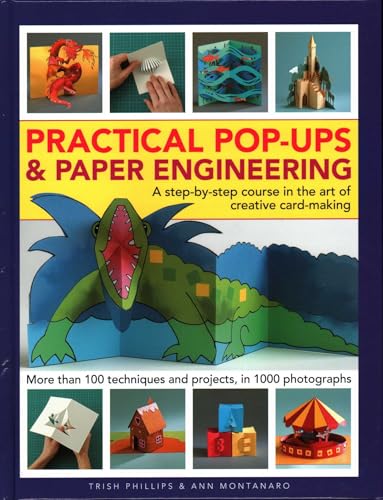
- More than 100 techniques and projects
- Starts with basic folds and builds to advanced designs
- Includes materials, troubleshooting, and artist galleries
Best For: Crafters seeking a thorough pop-up card and paper engineering reference
Interactive Card Project Collection
Slide, Dangle & Move Pop-Up Cards

- 25 projects with interactive motion
- Each project includes a color photo and templates
- Modern layout for approachable crafting
Best For: Card makers who want festive, visually guided projects
Simple Starter Pop-Up Book

- Over 30 beginner-friendly projects
- Step-by-step line drawings explain the mechanics
- Uses common craft supplies only
Best For: Beginners and students starting with basic pop-up techniques
Step-by-Step 3-D Card Workbook

- Over 30 projects for different occasions
- Teaches folds, tabs, discs, and springs
- Templates included for every project
Best For: Makers who want guided lessons and finished card ideas
Budget-Friendly Starter

- 15 preprinted ready-to-cut designs
- Full-size patterns for 20 cards
- Simple cut, score, fold, and glue methods
Best For: Affordable beginner card projects and invitations
Technique-First Beginner Pick

- 12 pop-up techniques explained clearly
- 7 complete projects with photos
- Uses cardstock and basic supplies
Best For: Learning beginner-friendly 3-D paper techniques
Short Visual Intro
Pop-Up: How to Create Pop-Up Cards with Easy Steps!

- Colour diagrams and photos throughout
- Includes classroom planning guidance
- Very short 23-page introduction
Best For: Quick, visual pop-up basics for teaching or family use
Classic Project Collection

- 60 card designs with templates
- Step-by-step diagrams and color illustrations
- Themes include flowers, animals, and seasonal motifs
Best For: Crafters who want a wide variety of traditional pop-up card projects with templates and illustrated guidance.
Beginner Starter Guide
MAKING POP-UP CARDS FOR BEGINNERS

- Built as a complete beginner’s guide
- Covers materials, basics, and creative designs
- Includes layered cards plus lights and sound ideas
Best For: Complete beginners looking for an easy entry into pop-up card making with straightforward guidance.
Technique + Projects Guide

- Teaches V-folds, box folds, layered scenes, and floating tabs
- Includes illustrations, templates, and troubleshooting advice
- Covers customizable cards for many occasions
Best For: Beginners and intermediate crafters who want both techniques and project ideas in one guide.
Technique-Rich Paper Engineering Guide – Step-By-Step Pop-Up Techniques
If you want pop-up card making books that teach both the mechanics and the creative side of card design, this step-by-step guide is built for hands-on learning. It walks through more than 100 techniques and projects, starting with basic folds and moving toward more advanced paper engineering, so it works as a practical reference as well as a project book.
Best For: Crafters who want a detailed, technique-first book for learning pop-up cards, novelty cards, and paper engineering.
Pros:
- Over 100 techniques and projects to follow
- Covers basic mechanisms through complex architectural designs
- Includes paper choice, materials, troubleshooting, and technique guidance
- Features inspirational gallery pages from established pop-up artists
Cons:
- Heavier on instruction than quick one-project inspiration
- More advanced projects may take patience and practice
- Large, reference-style format may be more than casual crafters need
This is the most comprehensive option in the group if you want a long-term learning resource rather than just templates. It stands out for its broad technique range and strong focus on understanding how pop-ups work.
Interactive Card Project Collection – Slide, Dangle & Move Pop-Up Cards
Pop-Up Cards: And Other Greetings That Slide, Dangle & Move With Sandi Genovese
Check Price On AmazonAmong pop-up card making books, this one is a strong pick if you want finished greeting-card ideas with an interactive twist. It focuses on 25 projects that slide, dangle, and move, and each project includes a color photo, templates, and a modern, approachable layout that makes it easy to follow along.
Best For: Crafters who want fun, celebratory card projects with clear templates and a polished visual style.
Pros:
- 25 interactive card projects with dimensional designs
- Includes color photos and templates for each project
- Approachable, modern page layout
- Good variety for birthdays, Christmas, and general celebrations
Cons:
- Smaller project count than some technique-focused books
- Less emphasis on broad paper-engineering instruction
- May appeal more to card makers than readers seeking advanced theory
This book is a practical choice if you want eye-catching card projects without a huge learning curve. Its strength is the mix of playful motion and accessible project presentation.
Simple Starter Pop-Up Book – Easy-to-Make Pop-Ups
If you are shopping for pop-up card making books that keep things simple, this Dover craft title is a solid budget-friendly starting point. It offers more than 30 projects with straightforward step-by-step instructions and black-and-white drawings, covering essentials like folds, coils, springs, tab mechanisms, and revolving wheels.
Best For: Beginners, students, and makers who want simple pop-up projects using common craft materials.
Pros:
- More than 30 projects to choose from
- Clear step-by-step instructions with line drawings
- Covers core mechanisms like folds, layers, coils, and springs
- Uses common materials such as paper, glue, scissors, and ruler
Cons:
- Black-and-white illustrations only
- No patterns to trace or photocopy, which may require more measuring
- Less comprehensive than larger reference-style books
This is a practical pick if you want an easy entry into pop-up making without a lot of extras. It focuses on fundamentals and gives you plenty of project variety for birthdays, gifts, and school use.
Step-by-Step 3-D Card Workbook – 30 Handmade Pop-Up Designs
Pop-Up Cards: Step-by-step instructions for creating 30 handmade cards in stunning 3-D designs
Check Price On AmazonThis title fits well among pop-up card making books if you want a structured path from basic techniques to finished 3-D cards. It explains essential folds, slots and tabs, rotating discs, and springs, then reinforces each method with projects and templates for birthdays, weddings, celebrations, and gifts.
Best For: Crafters who want a step-by-step book that balances technique lessons with a wide range of handmade card projects.
Pros:
- Over 30 inspirational projects in multiple styles
- Covers essential pop-up mechanisms and building techniques
- Includes templates for each project at the back of the book
- Projects cover occasions like birthdays, weddings, and celebrations
Cons:
- Smaller project count than more expansive technique references
- May feel more structured than purely creative inspiration books
- Format is aimed at guided learning rather than open-ended design
This is a balanced choice if you want clear instruction without jumping straight into highly advanced paper engineering. It gives you enough technique coverage to grow confidence while still delivering complete card projects.
Budget-Friendly Starter – Pop-Up Cards and Invitations
If you want a practical pop-up card making book that gets you making quickly, this title focuses on simple cutting, scoring, folding, and gluing techniques for colorful cards. It includes 15 preprinted, ready-to-cut designs plus full-size patterns for 20 cards, so it suits crafters who want clear projects for birthdays, holidays, special events, invitations, and greeting cards.
Best For: Crafters who want an affordable, beginner-friendly guide with ready-to-cut designs and occasion-based card projects.
Pros:
- Includes 15 preprinted, ready-to-cut designs
- Provides full-size patterns for 20 cards
- Covers birthdays, holidays, special events, invitations, and greeting cards
- Uses ordinary papers and cardstock with straightforward methods
Cons:
- Only 80 pages, so it is a compact guide
- Focused mainly on cards and invitations rather than broader paper engineering
This is a solid pick if you want a straightforward, affordable book that emphasizes usable card projects over theory. The built-in designs make it easy to start without needing advanced tools or experience.
Technique-First Beginner Pick – Pop-Up Paper Structures
Pop-Up Paper Structures: The Beginner's Guide to Creating 3-D Elements for Books, Cards & More
Check Price On AmazonThis pop-up card making book is aimed at beginners who want to add 3-D elements to cards and other paper projects without a steep learning curve. It explains 12 pop-up techniques and includes 7 complete projects, with photos and step-by-step instructions that make it easier to follow along using only cardstock and a few basic cardmaking supplies.
Best For: Beginners and families who want an easy introduction to 3-D paper structures for cards and similar projects.
Pros:
- Shows 12 pop-up techniques for building 3-D paper elements
- Includes 7 complete projects
- Uses step-by-step instructions with plenty of photos
- Works with cardstock and basic cardmaking supplies
Cons:
- Only 64 pages, so the project count is limited
- Projects are broad, covering books, cards, gift tags, and board books rather than cards alone
For buyers who want a gentle, technique-first introduction, this book offers a helpful mix of instruction and hands-on projects. It is especially useful if you want to learn reusable pop-up methods you can apply across different paper crafts.
Short Visual Intro – Pop-Up: How to Create Pop-Up Cards with Easy Steps!
If you need a concise pop-up card making book with a classroom-friendly angle, this title focuses on easy steps, colour diagrams, and photographs to introduce paper engineering basics. It is designed to help learners of all ages develop skills, and it also includes advice on classroom planning and health and safety for organized teaching or guided practice.
Best For: Teachers, parents, and younger learners who want a short, easy-to-follow introduction to pop-up card basics.
Pros:
- Uses colour diagrams and photographs throughout
- Includes advice on classroom planning and health and safety
- Supports learners of all ages
- Short format may be easier for quick reference
Cons:
- Only 23 pages, so it is very brief
- More of an introductory guide than a deep project library
This is a good choice if you want a short, visual guide that can be used in a teaching or family setting. It is best suited to readers who value clear basics and fast setup over a large collection of projects.
Classic Project Collection – 3D Pop Up Greeting Cards
If you’re comparing pop-up card making books and want a title with a classic, project-based approach, this one gives you 60 designs with templates and step-by-step directions. It focuses on handcrafted greeting cards for occasions like holidays, birthdays, get well wishes, and seasonal notes, making it useful when you want finished cards that look intricate without guessing at the construction.
Best For: Crafters who want a wide variety of traditional pop-up card projects with templates and illustrated guidance.
Pros:
- Includes 60 different pop-up card designs.
- Provides cut-out templates plus step-by-step instructions and diagrams.
- Covers many themes, including flowers, animals, seasonal motifs, and traditional Japanese designs.
- Shows 24 color illustrations of finished projects for reference.
Cons:
- At 96 pages, it may feel more like a project sampler than a deep technique manual.
- Its style leans toward established card designs rather than modern experimentation.
Overall, this is a practical choice if you want a visually rich pop-up card making book with lots of ready-to-use inspiration and clear templates. It’s especially appealing for makers who like working from illustrated examples and want cards that can fit many occasions.
Beginner Starter Guide – MAKING POP-UP CARDS FOR BEGINNERS
This pop-up card making book is aimed squarely at newcomers who want a simple starting point for handmade greeting cards. It covers materials, basic techniques, and creative ideas for cards for birthdays, weddings, holidays, and everyday messages, so you can move from first folds to finished cards without needing prior paper-craft experience.
Best For: Complete beginners looking for an easy entry into pop-up card making with straightforward guidance.
Pros:
- Explicitly designed as a beginner’s guide.
- Explains materials, basic techniques, and creative designs.
- Includes ideas for multiple occasions, from birthdays to holidays.
- Covers layered designs, interactive elements, and special effects like lights and sound.
Cons:
- At 77 pages, it may be lighter on depth than more advanced craft references.
- Its broad approach may not satisfy crafters seeking highly specialized techniques only.
If you want a beginner-focused book that emphasizes clear instructions and approachable projects, this is a strong fit. It’s a good pick for learning the basics first and then building toward more elaborate handmade cards.
Technique + Projects Guide – How to Make Pop-Up Cards
For shoppers browsing pop-up card making books and wanting a more technique-driven guide, this title blends clear projects with the fundamentals behind the folds. It walks you through V-folds, box folds, layered scenes, and floating tabs, while also offering templates, troubleshooting advice, and ideas for customizing cards with names, photos, and messages.
Best For: Beginners and intermediate crafters who want both techniques and project ideas in one guide.
Pros:
- Explains core pop-up structures like V-folds, box folds, layered scenes, and floating tabs.
- Includes step-by-step projects with illustrations.
- Provides templates and practical troubleshooting tips.
- Offers customization ideas for birthdays, holidays, anniversaries, thank-you cards, and more.
Cons:
- As an ebook, it may be less convenient for hands-on bench use than a printed craft book.
- Some projects may feel more instructional than decorative for advanced crafters.
This is a well-rounded option if you want a guide that teaches the mechanics of pop-up card construction while still giving you usable projects. It stands out for balancing creative inspiration with practical problem-solving, which makes it especially useful as you build confidence.
How We Picked These Pop-Up Card Making Books
We focused on books that are practical for real crafters: clear instructions, useful diagrams or step-by-step projects, and a sensible learning curve. We also looked for a mix of beginner access, technique depth, and project variety so readers can choose a book that matches their goals.
Because Pop-Up Card Making Books can range from simple greeting-card projects to paper engineering manuals, we favored titles that teach repeatable skills rather than one-off crafts.
Quick Comparison
If you want the fastest path to success, choose a beginner guide with easy projects and straightforward folds. If you want to level up, look for books that explain mechanisms, layering, tabs, and engineered movement. For cardmakers who also like invitations or mixed paper crafts, broader pop-up design books may offer more value.
Key Buying Factors for Pop-Up Card Making Books
Skill Level
Match the book to your current experience. Beginners should look for large visuals, simple instructions, and low-tool requirements. Intermediate and advanced crafters may prefer books with more technical explanations and design theory.
Project Style
Some books lean toward greeting cards, while others cover paper structures, invitations, or moving elements. Pick the format that fits what you want to make most often.
Instruction Quality
The best Pop-Up Card Making Books explain not just what to do, but why a mechanism works. That makes it easier to adapt techniques and build your own designs later.
Materials and Tools
Check whether a book assumes basic craft supplies or specialized paper-engineering tools. Most casual crafters will benefit from books that work well with scissors, glue, cardstock, and a scoring tool.
Design Range
Books with a mix of cards, structures, and creative variations tend to deliver more long-term value than books with only a few repetitive projects.
Who Should Buy Which Pop-Up Card Making Books?
Beginners should start with easy-to-follow project books that build confidence quickly. Crafters who want stronger technical skills should choose paper engineering-focused titles with more than just card templates. If you want inspiration for handmade gifts, birthday cards, or custom invitations, look for books that emphasize versatile designs and adaptable mechanisms.
In short, the best choice depends on whether you want simple wins, creative variety, or a deeper understanding of how pop-up designs work. The right book can make pop-up card making both easier and far more rewarding.