Choosing the right jewelry design books can make a big difference, whether you are learning to sketch ideas, improve technical drawing, or build a stronger design process.
This roundup focuses on books that help beginners and experienced makers alike move from inspiration to finished concepts with more confidence and clarity.
Best 10 Jewelry Design Books Picks for 2026
Technical Rendering Guide
Jewellery Illustration and Design, vol.1

- Step-by-step technical drawing instruction
- Covers metals, stones, and surface effects
- Uses pencils, markers, pastels, and digital rendering
Best For: Students learning jewelry illustration and rendering
Beginner Jewelry Making Course
The Complete Jewelry Making Course

- Covers the full jewelry-making workflow
- Includes tools, safety, and materials guidance
- Uses full-color step-by-step photos
Best For: Beginners starting with jewelry making
Concept-to-Collection Design Guide
Jewellery Illustration and Design, vol.2

- Moves from idea development to final presentation
- Covers collection planning and inspiration sources
- Includes guidance for several jewelry types
Best For: Advanced students and illustrators refining design workflow
Stone Setting Reference

- Covers bezels, prongs, pave, and more
- Includes durability and stone-suitability guidance
- Offers photos, illustrations, and step-by-step help
Best For: Makers focused on gemstone setting techniques
Design Process Guide

- 30+ step-by-step project briefs and themes
- Covers practical design decisions and fundamentals
- Includes contemporary examples and author illustrations
Best For: Intermediate and professional makers, plus serious hobbyists
Art Nouveau Sourcebook
305 Authentic Art Nouveau Jewelry Designs
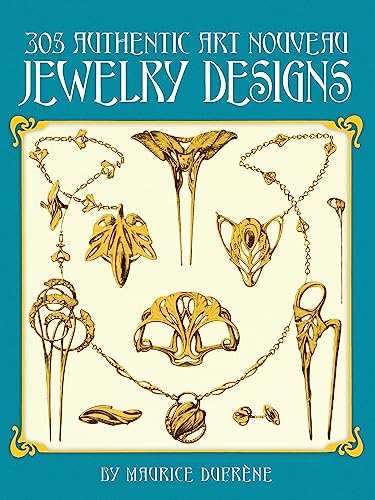
- Over 300 turn-of-the-century design photos
- Royalty-free Art Nouveau motifs for adaptation
- Includes pendants, rings, bracelets, and more
Best For: Artists and makers seeking historical visual references
Jeweler’s Drawing Manual

- Focuses on drawing as a professional design tool
- Covers proportions, clasps, hinges, and finishes
- Readable straight through or as a project reference
Best For: Jewelers and designers building sketching skills
Asian-Inspired Beading Guide

- 33 beaded jewelry projects
- Covers several stringing techniques
- Uses easy-to-find craft materials
Best For: Beginners and hobbyists who want wearable beadwork with global inspiration
Classic Metalwork Textbook
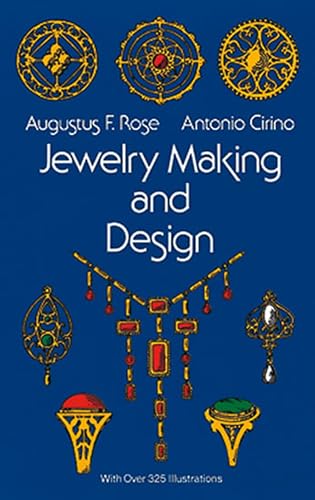
- Step-by-step graded projects
- 53 illustrated design ideas
- Covers tools, metals, and design basics
Best For: Teachers, students, and makers who want a structured technical reference
Jewelry History Encyclopedia

- Profiles 300 major jewelry names
- Covers over 200 years of history
- Lavish coffee-table presentation
Best For: Readers who want a collectible inspiration and reference volume
Technical Rendering Guide – Jewellery Illustration and Design, vol.1
Jewellery Illustration and Design, vol.1: From Technical Drawing to Professional Rendering
Check Price On AmazonIf you’re comparing jewelry design books for realistic rendering skills, this volume focuses on turning ideas into accurate visual presentations. It walks through volumes, spaces, surfaces, finishes, and material effects, with methods for showing brilliance, transparency, and opacity across metals, stones, and other substances.
Best For: Students and designers who want a structured introduction to technical jewelry illustration and professional rendering.
Pros:
- Step-by-step coverage of technical drawing and rendering basics
- Explains how to depict a wide range of materials and finishes
- Includes multiple illustration tools, from pencils to computer rendering
- Useful for mastering color and visual effects in jewelry sketches
Cons:
- Focused on representation rather than finished jewelry projects
- Better suited to illustration practice than hands-on making
This is a strong choice if your priority is learning how to communicate jewelry ideas clearly and professionally on paper or screen.
Beginner Jewelry Making Course – The Complete Jewelry Making Course
For shoppers browsing jewelry design books with a hands-on learning angle, this beginner course covers the full making process from design concepts to finished pieces. It explains tools, safe working practices, materials, and step-by-step methods for shaping, assembling, and finishing jewelry.
Best For: Beginners and hobbyists who want a practical, all-in-one introduction to jewelry making.
Pros:
- Starts with original design ideas and moves through the making process
- Explains tools, equipment, and safe working practices
- Covers a wide range of materials, including metals, stones, resin, wood, and glass
- Includes full-color step-by-step photos for core techniques
Cons:
- Published in 2007, so some techniques or presentation may feel dated
- Only 144 pages, so it’s more introductory than exhaustive
Overall, this book is a solid fit if you want a practical foundation in making jewelry rather than a design-only reference.
Concept-to-Collection Design Guide – Jewellery Illustration and Design, vol.2
If you want jewelry design books that go beyond basics, this second volume focuses on developing ideas into complete projects. It covers sketching, planning a collection, and drawing necklaces, rings, earrings, and bracelets, with inspiration drawn from natural forms and art history.
Best For: Jewelry students, professionals, and illustrators who want help moving from idea development to finished presentation.
Pros:
- Explores the full process from initial idea to final drawing
- Includes guidance on planning collections and developing inspiration
- Covers multiple jewelry types, including necklaces, rings, earrings, and bracelets
- Useful for freehand drawing and painting practice
Cons:
- Assumes some familiarity with geometry, perspective, and material representation
- More advanced than a basic beginner’s how-to book
This volume works well as a follow-up reference if you already understand the fundamentals and want to strengthen your design workflow.
Stone Setting Reference – Gemstone Settings
Among jewelry design books aimed at technical skill-building, this guide is centered on gemstone setting methods and stone-specific problem solving. It explains styles from bezels and prongs to pave, clusters, and other settings, while also covering durability, wearability, and the differences between pre-made and handmade settings.
Best For: Jewelry makers who want a detailed technical reference on setting gemstones and organic stones.
Pros:
- Deep overview of many stone-setting styles and techniques
- Includes guidance for fragile stones and moving settings
- Discusses stone and metal suitability for durable designs
- Provides step-by-step instruction plus photos and illustrations
Cons:
- Highly technical, so it may not suit casual hobby readers
- Focused on setting methods rather than broad jewelry design
If your main goal is understanding how to set stones correctly and make wearable pieces, this is the most specialized option in the group.
Design Process Guide – Design for Jewellery Makers
If you want jewelry design books that go beyond inspiration and into actual process, this one is built for hands-on use. It focuses on the design journey from early ideas to finished concepts, with practical guidance on fundamentals, time management, and functional considerations like ear wire thickness, necklace length, finishes, and materials.
Best For: Intermediate and professional jewelry makers who want structured design guidance, plus hobbyists ready to develop their own ideas more confidently.
Pros:
- Includes more than 30 step-by-step project briefs and themes.
- Covers both creative development and practical jewelry design decisions.
- Features examples from contemporary designers and the author’s own illustrations.
- Offers structured project categories for beginner to advanced makers.
Cons:
- May feel more useful to makers than to readers seeking pure visual inspiration.
- Focused on the design process rather than a broad history of jewelry.
This is a strong choice if you want jewelry design books that help you move from ideas to workable designs. Its mix of briefs, fundamentals, and real-world considerations makes it especially practical for ongoing studio use.
Art Nouveau Sourcebook – 305 Authentic Art Nouveau Jewelry Designs
For buyers looking for jewelry design books with a strong visual reference library, this Dover collection delivers a large archive of Art Nouveau forms. It presents more than 300 detailed photographs of turn-of-the-century designs, with floral, foliage, and butterfly motifs that are described as readily adaptable for design use.
Best For: Designers, artists, and makers who want royalty-free Art Nouveau reference material for inspiration and adaptation.
Pros:
- Contains over 300 photographed jewelry pieces and related decorative items.
- Features elegant Art Nouveau motifs like flowers, foliage, and butterflies.
- Useful as a royalty-free visual source for design work.
- Covers a wide range of items including pendants, rings, bracelets, and brooches.
Cons:
- Very short at 48 pages, so it is more of a visual reference than a teaching book.
- Best suited to a specific historical style rather than general jewelry design.
This book is a smart pick if you want a concentrated historical reference rather than a how-to manual. Its value lies in the sheer number of adaptable Art Nouveau designs packed into a compact format.
Jeweler’s Drawing Manual – Drawing for Jewelers
If you’re comparing jewelry design books for technical skill-building, this manual focuses on drawing as a professional design tool. It explains how drawing helps visualize proportions, structure, clasps, hinges, and surface finishes, making it useful when you need to develop or present jewelry ideas clearly.
Best For: Jewelers and designers who want to improve sketching skills for professional design development and presentation.
Pros:
- Teaches drawing as a fast, adaptable tool for jewelry design.
- Helps with visualizing proportions, materials, and finish changes.
- Useful for studying clasps, hinges, and other structural details.
- Can be read straight through or used as a reference during projects.
Cons:
- More focused on drawing technique than on broader creative inspiration.
- Likely best for readers already working in jewelry design or production.
This is a practical pick if your main goal is to communicate ideas better on paper before moving into the studio. It stands out for its emphasis on drawing as a real part of the design workflow, not just an accessory skill.
Asian-Inspired Beading Guide – Creative Beaded Jewelry
If you’re shopping for jewelry design books focused on accessible DIY projects, this volume offers a practical way to make colorful beaded pieces with an Asian-inspired aesthetic. It covers 33 designs and walks through core stringing methods like wire strung jewelry, loop and chain jewelry, memory wire, knotted jewelry, and elastic cord bracelets, making it easy to match the book to your skill level and materials on hand.
Best For: Beginners and hobbyists who want inexpensive, wearable beaded projects with global design inspiration.
Pros:
- Includes 33 jewelry projects with clear inspiration from China, Japan, India, and Tibet.
- Covers multiple basic techniques, from wire strung to knotted and elastic cord bracelets.
- Uses materials you can often find at a regular craft store.
- Suitable for both novices and experienced jewelry makers.
Cons:
- Focused mainly on beaded and stringing-based jewelry rather than metalwork.
- At 80 pages, it is a relatively slim guide.
This is a strong pick if you want a concise, project-driven jewelry design book that emphasizes quick, affordable results. Its value is in approachable instructions and decorative styles that look polished without requiring specialized supplies.
Classic Metalwork Textbook – Jewelry Making and Design
For readers comparing jewelry design books with a more technical, classroom-style approach, this illustrated textbook stands out as a practical reference. It moves through a graded series of projects from simple to complex and combines jewelry construction with design theory, covering tools, processes, and artistic sources for developing your own ideas.
Best For: Teachers, students, and craft workers who want a structured, technique-heavy jewelry design reference.
Pros:
- Graded projects help readers progress from basic to more advanced work.
- Fully illustrated with 53 design ideas and photos of tools and processes.
- Covers metalworking skills such as soldering, pickling, annealing, enameling, and casting.
- Includes a section on jewelry aesthetics and design inspiration.
Cons:
- Strongly focused on traditional metalwork, so it may not suit casual bead-focused makers.
- The format is more textbook-like than trend-driven or project-light.
- Older publication style may feel less modern to some readers.
This book is best seen as a foundational workshop companion rather than a coffee-table source of inspiration. If you want a serious, methodical guide to jewelry design and fabrication, it offers substantial depth.
Jewelry History Encyclopedia – The Jewelry Book
If your search for jewelry design books is more about inspiration, history, and names to know than hands-on instruction, this lavish volume fits the brief. It presents 300 important contributors to jewelry across more than 200 years, arranged A to Z and packed with imagery that connects jewelry to fashion, art, and culture.
Best For: Readers who want a collectible reference book on jewelry history, designers, and style influence.
Pros:
- Profiles 300 jewelry names, including designers, houses, artists, collectors, and icons.
- Spans more than two centuries of jewelry history.
- Arranged A to Z for easy browsing and reference.
- Designed as a visually striking coffee table book with inspirational images.
Cons:
- Not a how-to manual for making jewelry.
- More focused on history and inspiration than step-by-step technique.
This is the strongest choice if you want a beautiful reference volume that deepens your understanding of jewelry’s cultural and creative landscape. It works well as both an inspiration source and a display-worthy book.
How We Picked These Jewelry Design Books
We prioritized books that are useful for real-world jewelry learning: clear instruction, strong visual examples, practical techniques, and a balance of creativity and technical skill. We also looked for titles that serve different goals, from foundational making skills to professional rendering and design development.
Quick Comparison
If you want structured learning, choose books with step-by-step methods and classroom-friendly instruction. If you want inspiration, concept development, or historical reference, look for titles focused on illustration, design language, or decorative styles. For hands-on makers, technique-heavy books are usually the best fit.
Key Buying Factors for Jewelry Design Books
Skill Level
Match the book to your current experience. Beginners usually benefit from clear fundamentals, while intermediate and advanced readers may want deeper coverage of rendering, stone settings, or design development.
Focus Area
Some Jewelry Design Books emphasize drawing and presentation, while others focus on fabrication, gemstone setting, beadwork, or historical inspiration. Choosing the right focus helps you avoid books that are too broad or too narrow for your goals.
Teaching Style
Look for books that explain not just what to do, but why each step matters. Strong visuals, diagrams, and process-based instruction are especially valuable for jewelry work, where precision matters.
Reference Value
Books with pattern archives, historical designs, or extensive visual examples can stay useful long after you finish reading them. These are especially helpful for developing your own style and building fresh ideas.
Who Should Buy Which Jewelry Design Books?
Beginners should lean toward foundational course-style books that cover principles and techniques in a structured way. Designers and illustration-focused readers may prefer books on drawing, rendering, and concept development. Makers who want practical bench skills should choose titles centered on settings, materials, and construction methods. If your main goal is inspiration, historical design collections and image-rich references can be the most rewarding options.
In short, the best Jewelry Design Books are the ones that match your learning style and your next project. Whether you are building core skills or refining your creative direction, a focused book can be one of the most useful tools in your studio.