Getting a better fit does not always mean buying new clothes. The right garment alteration books can help you hem, taper, resize, and repair with more confidence.
Below, we focus on practical, buyer-friendly picks for beginners through advanced sewists, so you can choose a guide that matches your skill level and project goals.
Best 10 Garment Alteration Books Picks for 2026
Practical Tailoring Guide
Simple Tailoring & Alterations
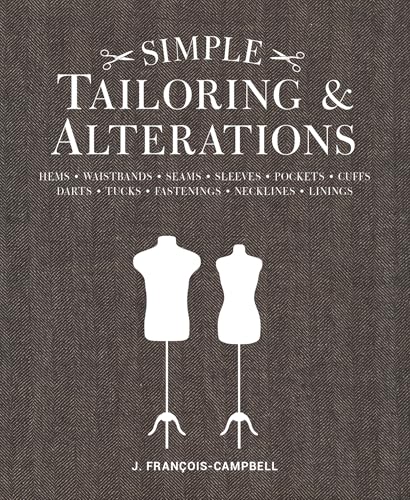
- Step-by-step alteration instructions with photos
- Covers hems, seams, sleeves, necklines, and more
- Written by an experienced theatrical tailor
Best For: Novice to intermediate sewers who want a practical, photo-rich alteration guide
Beginner Pattern-Fitting Guide
Pattern Fitting and Alteration for Beginners

- Simple explanations with clear illustrations
- Covers tools, patterns, fitting, and basic alterations
- Focused on reusing clothing and reducing waste
Best For: Beginners who want an approachable introduction to pattern fitting and garment repair
Easy Clothes Repair Manual
Mending and Alterations Made Simple

- Simple language and useful photographs
- Covers common repairs like hems, seams, and holes
- Includes hand-stitching, machine work, and a glossary
Best For: Readers who want a clear, easy-to-follow manual for basic mending and alterations
Professional Fitting Textbook
Fitting and Pattern Alteration

- Comprehensive guide to fit, style selection, and alterations
- Fully illustrated with explanations of why fit issues happen
- Includes study tools plus menswear and childrenswear examples
Best For: Students, instructors, and experienced sewists needing a comprehensive fitting reference
Mending & Refashioning Basics
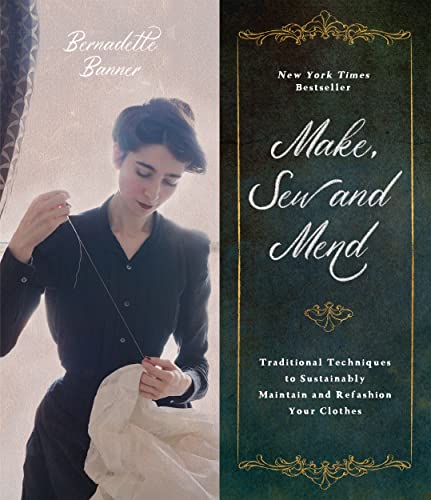
- Historically proven stitches and techniques
- Step-by-step photos for beginners
- Mending, pockets, buttons, refashioning
Best For: Beginners focused on sustainable mending and simple alterations
Practical Shop-Floor Alterations
Alterations (The Seams Easy Way)

- Shop-tested guidance from 28 years of experience
- Over 100 illustrations and step-by-step help
- Covers jeans, shirts, jackets, and zippers
Best For: Sewists wanting dependable everyday alteration methods
Advanced Dressmaking and Alteration
Illustrated Guide to Advanced Dressmaking & Alteration

- Covers both garment construction and alterations
- 180+ full-color images and illustrations
- Works for dresses, shirts, slacks, and jackets
Best For: Sewists who want a broad advanced sewing and alteration guide
Easy Alterations for Everyday Fit

- Beginner-friendly alteration tutorials
- Covers hems, darts, zippers, and more
- Clear, humorous teaching style
Best For: Beginners who want easy clothing alterations
Beginner Sewing and Alteration Basics

- Teaches machine, pattern, and fabric basics
- Includes simple alterations and repairs
- Built for first-time sewists
Best For: Absolute beginners learning sewing and alterations
Pattern Fitting and Correction Guide

- Detailed pattern alteration process
- Covers bust, sleeve, skirt, and pants fitting
- Includes sketches plus QR-code videos
Best For: Sewists who want pattern fitting corrections
Practical Tailoring Guide – Simple Tailoring & Alterations
If you want garment alteration books that go beyond basic fixes, this guide is built for hands-on wardrobe repairs and fit improvements. It covers common jobs like hems, waistbands, seams, sleeves, pockets, cuffs, darts, tucks, fastenings, necklines, and linings, with step-by-step instructions, full-color photos, and illustrations to help you work more confidently.
Best For: Novice to intermediate sewers who want a practical, photo-rich guide to altering everyday clothing and tackling larger tailoring jobs.
Pros:
- Covers a wide range of alterations, from simple hems to reshaping garments.
- Includes 250 full-color photographs and 100 helpful illustrations.
- Written by an experienced costume maker and theatrical tailor with over 30 years in the industry.
- Addresses both men’s and women’s garments across many clothing types.
Cons:
- At 176 pages, it is more of a practical guide than a deep technical reference.
- Some readers may want more advanced pattern-drafting depth.
This is a strong choice if you want clear, grounded instruction for saving clothes and avoiding tailoring fees. It’s especially appealing for readers who need a reliable all-around alteration handbook rather than a highly specialized textbook.
Beginner Pattern-Fitting Guide – Pattern Fitting and Alteration for Beginners
For shoppers comparing garment alteration books, this beginner-friendly title focuses on pattern fitting and straightforward alterations with an emphasis on confidence and reusing clothes. It includes step-by-step guides, clear illustrations, tools and equipment guidance, and multiple projects to help you make practical changes without unnecessary trial and error.
Best For: Beginners who want an approachable introduction to pattern fitting, basic alterations, and wardrobe repair.
Pros:
- Explains the basics in simple language with clear illustrations.
- Covers tools, equipment, accessories, and choosing the right patterns.
- Includes step-by-step guidance and a range of projects.
- Focuses on reusing clothing and reducing waste from fast fashion.
Cons:
- Shorter at 106 pages, so it may feel limited for advanced users.
- More introductory than technical.
This book is a sensible pick if you want an easy entry point into fitting and altering garments. It stands out for being practical, beginner-focused, and centered on giving old clothes a second life.
Easy Clothes Repair Manual – Mending and Alterations Made Simple
If you are looking for garment alteration books that make repairs feel manageable, this manual keeps things straightforward. It explains common fixes like shortening pants, redoing seams, darning holes, and shortening shirt sleeves, with simple text, useful photographs, and guidance for both hand stitching and sewing machine work.
Best For: Readers who want a clear, easy-to-follow manual for basic mending and everyday clothing alterations.
Pros:
- Covers the most common clothing repairs in simple, accessible language.
- Includes photos to support the instructions.
- Explains both hand stitches and sewing machine techniques.
- Contains a glossary of technical terms for easier learning.
Cons:
- Described as a basic manual, so it may not satisfy advanced learners looking for deeper tailoring methods.
- Broad coverage may not go into extensive detail on each repair.
This is a solid option if your main goal is to handle practical repairs yourself and avoid a trip to the tailor. It works especially well as a friendly first repair book with enough room for some more advanced mending as skills grow.
Professional Fitting Textbook – Fitting and Pattern Alteration
This is the most classroom-ready choice among garment alteration books here, with a multi-method approach to fit, style selection, and alteration. It is designed to help readers recognize and correct fit issues across different body types and sizes, using fully illustrated procedures, clear explanations of the cause behind each fitting problem, and updated coverage that includes sustainability, body positivity, menswear, and childrenswear.
Best For: Students, instructors, and experienced sewists who want a comprehensive fitting and pattern-alteration reference.
Pros:
- Highly detailed and fully illustrated for accurate instruction.
- Explains the reason behind fitting problems, not just the fix.
- Includes diverse body sizes and types, plus menswear and childrenswear examples.
- Offers study tools like self-quizzes, flashcards, and instructor resources.
Cons:
- At 536 pages, it is a large commitment for casual readers.
- May be more textbook-like than a quick reference for simple repairs.
If you need a deep, structured resource on fit and alteration, this edition is the strongest technical option in the group. It is especially useful when precision, study support, and broader fitting coverage matter more than a quick how-to format.
Mending & Refashioning Basics – Make, Sew and Mend
Make, Sew and Mend: Traditional Techniques to Sustainably Maintain and Refashion Your Clothes
Check Price On AmazonIf you’re looking for garment alteration books that teach practical, historically proven techniques, this guide is a strong starting point. Bernadette Banner walks beginners through sewing, mending, and refashioning with step-by-step photos, covering everything from preparing fabric to fixing small holes, adding pockets, and making buttons.
Best For: Beginners who want a friendly introduction to sustainable mending and simple garment alterations.
Pros:
- Step-by-step photos make techniques easier to follow.
- Covers useful basics like mending holes, adding pockets, and making buttons.
- Supports both altering secondhand finds and learning foundational sewing skills.
- Includes inspiration from voices in the historic sewing community.
Cons:
- Leans more toward mending and refashioning than advanced tailoring.
- Not designed as a deep technical reference for complex alterations.
This is a practical pick if you want a readable, beginner-friendly book that helps you extend the life of clothes instead of replacing them.
Practical Shop-Floor Alterations – Alterations (The Seams Easy Way)
Among garment alteration books, this one stands out for its shop-tested, practical approach. Written by Susan Martinek from decades of alteration-shop experience, it focuses on common fixes like hemming slacks, resizing jeans, reshaping shirts, adjusting suit jackets, and replacing zippers.
Best For: Sewists who want straightforward, real-world alteration instructions for common clothing repairs and fittings.
Pros:
- Covers many everyday alterations across slacks, jeans, shirts, jackets, and zippers.
- Includes over 100 illustrations for clearer instruction.
- Offers fitting strategies, pressing techniques, and business tips.
- Draws on 28 years of experience from an alteration shop.
Cons:
- More practical than inspirational or design-focused.
- May feel narrow if you want broader dressmaking instruction.
If your priority is learning alterations that are actually used in a working shop, this is a highly functional choice.
Advanced Dressmaking and Alteration – Illustrated Guide to Advanced Dressmaking & Alteration
This title is a strong fit if you want garment alteration books that also bridge into dressmaking and customization. It covers altering existing clothes plus building garments from scratch, with guidance on sleeves, necklines, pockets, waistbands, zippers, pleats, and more, supported by 180+ full-color images and illustrations.
Best For: Sewists who want one book for both advanced garment construction and alteration projects.
Pros:
- Combines dressmaking and alteration in one guide.
- Covers many features like sleeves, necklines, pockets, buttons, and zippers.
- Uses 180+ full-color images and illustrations for visual support.
- Applies to dresses, skirts, shirts, slacks, and jackets.
Cons:
- Broader scope may be more than someone needs for simple repairs.
- Focuses on advanced topics, so total beginners may need extra patience.
Choose this if you want a wide-ranging sewing manual that can help you both modify garments and create more elaborate ones.
Easy Alterations for Everyday Fit – Not Your Gran's Sewing Book
If you’re shopping for garment alteration books that focus on fast, confidence-building fixes, this guide is built for beginners who want clothes to fit better right away. It covers practical alterations like hemming, darting, taking in oversized pieces, easing tight seams, closing button gaps, and adding zippers, all in a clear, approachable style.
Best For: Beginners who want straightforward clothing alterations with a playful, easy-to-follow teaching style.
Pros:
- Step-by-step alteration projects cover common fit problems.
- Includes useful fixes like hems, darts, button gaps, and zippers.
- Written in a friendly voice that makes sewing feel less intimidating.
Cons:
- Focused on alterations rather than full garment drafting.
- At 192 pages, it’s a concise guide rather than an exhaustive reference.
This is a strong pick if you want a practical, beginner-friendly book that helps rescue unworn clothes and improve fit without a steep learning curve.
Beginner Sewing and Alteration Basics – Tailoring For Beginners
For shoppers comparing garment alteration books, this beginner-focused guide is aimed at people who want to learn sewing, basic construction, and simple alterations from the ground up. It walks through machine basics, measurements, patterns, fabric selection, core stitches, zippers, hems, and troubleshooting, making it a broad starting point for complete newcomers.
Best For: Absolute beginners who want one book to introduce sewing, garment construction, and basic alterations.
Pros:
- Starts with sewing machine basics and common troubleshooting.
- Covers measurements, fabrics, patterns, and essential techniques.
- Includes hands-on projects to build confidence.
Cons:
- Broad scope means it is less specialized for advanced alteration work.
- Best suited to beginners rather than experienced sewists.
This book makes sense if you want a practical foundation before moving into more specialized tailoring or fitting resources.
Pattern Fitting and Correction Guide – The Fitting Book
The Fitting Book: Make Sewing Pattern Alterations & Achieve the Perfect Fit You Desire
Check Price On AmazonAmong garment alteration books, this one is especially useful if your main goal is adjusting sewing patterns for a better fit. It focuses on identifying fitting issues, pinning and testing a sample, and then correcting the pattern, with coverage that includes bust adjustments, sleeve changes, neckline corrections, skirt edits, and pants fitting.
Best For: Sewists who already use patterns and want a detailed guide to fitting corrections.
Pros:
- Strong emphasis on pattern alterations for better fit.
- Covers a wide range of fitting issues, including pants.
- Includes sketches and QR-code-linked videos for visual support.
Cons:
- Primarily a fitting and pattern correction book, not drafting.
- Black-and-white sketches may feel less visual than full-color guides.
This is a smart choice if you want a more technical fitting reference and prefer a structured process for correcting pattern problems.
How We Picked These Garment Alteration Books
We looked for books that explain alterations clearly, cover real-world clothing fixes, and offer enough structure for home sewists to follow without guesswork. Strong picks also needed good coverage of fit, pattern adjustment, or repair techniques rather than just a narrow specialty.
We favored titles that suit different experience levels, from absolute beginners to readers who want deeper pattern-fitting methods. That matters because the best Garment Alteration Books are not all aimed at the same type of sewer.
Quick Comparison: What These Books Tend to Cover
Some books lean toward basic mending and everyday repairs, while others focus on altering patterns before you cut fabric. A few go further into advanced dressmaking, style selection, and multi-method fitting systems. If your main goal is faster clothing repairs, choose a simpler practical guide. If your goal is a perfect fit on handmade garments, look for a fitting-heavy title.
Key Buying Factors for Garment Alteration Books
Skill Level
Match the book to your current ability. Beginner-friendly Garment Alteration Books should explain terms, show clear steps, and build confidence quickly. More advanced books should go beyond basics and help you solve fit problems systematically.
Type of Alterations Covered
Check whether the book covers the fixes you actually need: hems, waistbands, sleeves, darts, seams, resizing, mending, or full pattern adjustments. A broad table of contents usually gives better long-term value.
Instruction Style
Some readers learn best from detailed written explanations, while others need drawings, diagrams, or step-by-step workflows. Clear visuals are especially useful when working on sleeves, trousers, and layered fit changes.
Garment Versatility
If you alter many kinds of clothing, choose a book that handles dresses, shirts, pants, skirts, and jackets rather than just one garment type. The most useful reference books stay relevant across multiple projects.
Depth Versus Speed
Quick-reference books are great for routine repairs. Deeper fitting books are better when you want to understand why a garment pulls, sags, or feels off and how to correct it properly.
Who Should Buy Which Garment Alteration Books?
Beginners should start with straightforward sewing and alteration guides that emphasize simple fixes and confidence-building techniques. Intermediate sewists may prefer books that combine repair, fitting, and pattern adjustment. Advanced readers and ambitious home tailors should look for more technical Garment Alteration Books with multi-method fitting or advanced dressmaking coverage.
If your main priority is wardrobe upkeep, choose a mending-focused title. If you want custom-fit handmade clothing, prioritize fitting and alteration methods that help you adjust patterns before sewing. Either way, the best choice is the one that matches your projects, not just the most comprehensive table of contents.