Good joinery is what turns lumber into furniture that fits, holds, and lasts. The right book can shorten the learning curve and help you choose the right joint for the job.
This roundup of woodworking joinery books focuses on clarity, practical instruction, and long-term usefulness for both beginners and experienced woodworkers.
Best 10 Woodworking Joinery Books Picks for 2026
Workbench Reference
The Joint Book: The Complete Guide to Wood Joinery
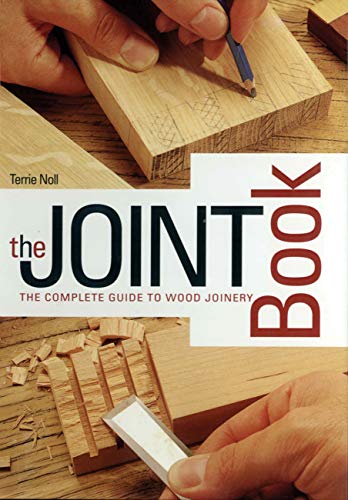
- Over 70 joints with step-by-step illustrations
- Spiral binding lays flat at the bench
- Covers hand tools, power tools, and hardware
Best For: Woodworkers who want a compact bench-side joint reference
Core Technique Guide

- Teaches the essential joints every woodworker should know
- Shows several methods for each joint
- Mixes hand-tool and machine-based techniques
Best For: Beginners and pros who want a clear fundamentals-first guide
Methodical How-To
The Complete Guide to Joint-Making

- Walks through choosing, cutting, and assembling joints
- Covers hand techniques and machine-made joints
- Includes advice on tools, lumber, and adhesives
Best For: Woodworkers who prefer a structured, practical joinery process
Project-Driven Joinery
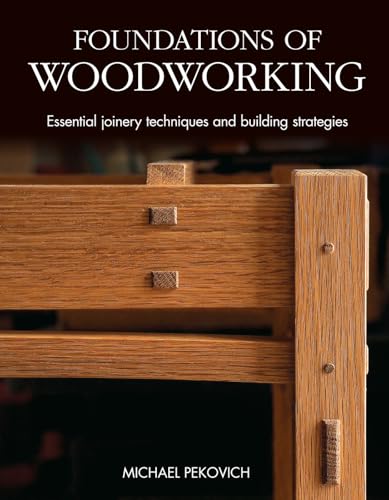
- Covers rabbets, dadoes, dovetails, mortise-and-tenons, and miters
- Links joinery lessons to furniture projects
- Includes detailed illustrations and photographs
Best For: Woodworkers who want joinery lessons tied to real projects
Essential Joinery Reference
The Complete Illustrated Guide to Joinery

- 1,400+ photos and diagrams
- Covers practical joints from basic to advanced
- Helps match joints to tools, time, and skill
Best For: Woodworkers who want a thorough all-purpose joinery reference
Hand-Cut Technique Pick

- Focuses on hand-tool joinery
- Uses jigs and magnetic sheets for control
- Aims for straight, square, precise cuts
Best For: Readers who want guided hand-cut joinery with Japanese saws
Japanese Tradition Pick

- Covers Japanese joinery history and development
- Includes 48 key joint methods
- Detailed photos and isometric drawings
Best For: Woodworkers interested in Japanese carpentry traditions
Traditional Japanese Joinery Reference

- Over 50 joints with photos and technical drawings
- Covers history, variations, and construction tips
- Includes a section on Japanese woodworking tools
Best For: Woodworkers seeking a visual reference to Japanese joints and tools
Beginner Step-by-Step Guide
Japanese Woodworking and Joinery

- Step-by-step photos and text for 20 joints
- Intro to traditional Japanese hand tools
- Guidance on choosing joinery methods
Best For: Beginners and hand-tool woodworkers starting with Japanese techniques
Practical Methods and Structure Guide

- Working-manual approach to Japanese joints
- Side-by-side comparisons with Western joinery
- Includes advanced joints like Sunrise and Houndstooth
Best For: Serious woodworkers who want structure-first Japanese joinery instruction
Workbench Reference – The Joint Book: The Complete Guide to Wood Joinery
If you’re comparing woodworking joinery books for a shop-ready reference, The Joint Book is built for fast lookup and practical use. Its spiral binding lets it lay flat at the bench, and the illustrated instructions cover more than 70 joints, from dovetails and mortise-and-tenon joints to dowels, biscuits, miters, bevels, and knockdown hardware.
Best For: Woodworkers who want a compact, bench-friendly joinery reference they can keep close while building.
Pros:
- Covers over 70 joints with step-by-step illustrated instructions.
- Includes both hand tool methods and power tool techniques.
- Spiral binding helps the book stay open flat on the workbench.
- Discusses fasteners, hardware, glue, and how wood properties affect joinery.
Cons:
- At 192 pages, it’s more of a reference guide than a deep theory text.
- Focused on joinery methods rather than full project plans.
Overall, this is a practical shop companion for woodworkers who want a quick, visual guide to choosing and making the right joint for the job.
Core Technique Guide – Essential Joinery
For buyers browsing woodworking joinery books that focus on the most useful fundamentals, Essential Joinery keeps the emphasis on a handful of joints that can support a wide range of projects. Marc Spagnuolo teaches his preferred methods for creating essential joints and shows how to choose the approach that makes the most sense for the task, using a mix of hand and machine techniques.
Best For: Beginners and experienced woodworkers who want a straightforward guide to the core joinery methods that show up again and again.
Pros:
- Focuses on the essential joints every woodworker should know.
- Explains multiple styles and methods for making each joint.
- Balances hand-tool and machine-based approaches.
- Accessible, easygoing instruction aimed at building confidence.
Cons:
- Covers a narrower set of joints than more encyclopedic references.
- Best suited to technique building rather than broad project coverage.
This is a strong pick if you want to master the core joinery skills first and prefer clear instruction over an exhaustive catalog of every possible joint.
Methodical How-To – The Complete Guide to Joint-Making
If you want woodworking joinery books that walk through the process in a careful, practical way, The Complete Guide to Joint-Making is aimed at exactly that. It focuses on choosing, designing, cutting, and assembling joints, while also covering lumber selection, tools, adhesives, and both hand techniques and machine-made joints.
Best For: Woodworkers who want a structured, methodical guide to planning and producing strong, well-fitting joints.
Pros:
- Explains how to choose the right joint for the intended purpose.
- Covers planning, layout, cutting, fitting, and final assembly.
- Includes both traditional hand methods and power-tool joinery.
- Also discusses lumber selection, tools, and adhesives.
Cons:
- At 175 pages, it is concise for such a broad topic.
- Less visually compact than a small bench reference.
This book is a good fit for readers who want a disciplined approach to joinery rather than a quick overview, with practical advice that supports consistent results.
Project-Driven Joinery – Foundations of Woodworking
Foundations of Woodworking: Essential Joinery Techniques and Building Strategies
Check Price On AmazonAmong woodworking joinery books, Foundations of Woodworking stands out for pairing essential techniques with real furniture-building applications. Michael Pekovich covers core joints such as rabbets, dadoes, mortise-and-tenons, dovetails, and miters, then shows how to apply them with both hand and power tools in a strategic, build-smart way.
Best For: Woodworkers who want to learn joinery through furniture projects and careful build planning.
Pros:
- Teaches foundational joints with step-by-step instruction.
- Combines joinery with broader woodworking strategies.
- Includes inspiring projects like a wall cabinet and dining chair.
- Uses detailed illustrations and photographs for visual clarity.
Cons:
- More project-oriented than a pure joint encyclopedia.
- Heavier on furniture-building strategy than quick shop reference use.
It’s a strong choice if you want joinery instruction that connects directly to practical furniture projects and efficient material use.
Essential Joinery Reference – The Complete Illustrated Guide to Joinery
If you want a woodworking joinery book that covers the widest range of joints with a practical, shop-friendly approach, this guide is built for that job. With more than 1,400 full-color photos and step-by-step photo essays, it walks you through making everything from simple butt joints to angled tenons and scarf joints, while helping you choose the right joint for the task, your tools, and your skill level.
Best For: Woodworkers who want a deep, all-around joinery reference with heavy visual instruction and broad technique coverage.
Pros:
- More than 1,400 full-color photographs and diagrams
- Covers a wide range of practical joints, from basic to advanced
- Helps you choose joints based on function, tools, time, and skill
- Includes both hand-tool and modern-tool approaches
Cons:
- At 400 pages, it is a substantial reference rather than a quick primer
- Best suited to readers who want a detailed, in-depth guide
This is the strongest all-purpose option if you want one of the most thorough woodworking joinery books on the shelf. It reads like a permanent bench reference for builders who value durable construction and clear visual guidance.
Hand-Cut Technique Pick – Woodworking Joinery by Hand
Woodworking Joinery by Hand: Innovative Techniques Using Japanese Saws and Jigs
Check Price On AmazonFor woodworkers looking for woodworking joinery books focused on hand-tool methods, this title offers a distinctive approach. It introduces Sugita’s jig-and-magnetic-sheet system for guiding Japanese saws, with the goal of making straight, square, high-precision cuts accessible even to beginners working with hand tools alone.
Best For: Readers who want to learn hand-cut joinery using Japanese saws and guided jig techniques.
Pros:
- Focuses on hand-tool joinery rather than machine methods
- Uses jigs and magnetic sheets to help control the saw blade
- Designed to make advanced joint-making more approachable for beginners
- Centers on accurate, square cuts for clean results
Cons:
- More specialized than a broad joinery overview
- Best suited to readers interested in Japanese saw techniques
This is a smart choice if you want a modern, technique-specific guide instead of a general reference. Its strength is the clear focus on precise hand-cut joinery using a unique guided method.
Japanese Tradition Pick – The Art of Japanese Joinery
If you are browsing woodworking joinery books with an interest in Japanese carpentry, this classic introduction is worth a close look. It explores the history and development of Japanese joinery, presents forty-eight key joint methods, and pairs detailed photographs with isometric drawings so the techniques are easier to understand and reproduce.
Best For: Woodworkers who want an accessible introduction to Japanese joinery and carpentry traditions.
Pros:
- Explains the history and development of Japanese joinery
- Includes forty-eight key joint methods
- Uses detailed photos and clear isometric presentations
- Accessible enough for weekend carpenters to follow
Cons:
- Much shorter than broader general-reference joinery books
- More focused on Japanese methods than general workshop joinery
This book stands out for readers who want a visually clear, historically grounded look at a specific tradition. It is a strong fit if your projects or interests lean toward Japanese design and carpentry methods.
Traditional Japanese Joinery Reference – Japanese Joinery
If you’re comparing woodworking joinery books, Japanese Joinery stands out as a visual reference for woodworkers who want to study both traditional and modern Japanese joints. It pairs over 50 joints with photographs, hand-drawn technical illustrations, and practical notes on history, variations, and construction tips.
Best For: Woodworkers at all levels who want an inspiring, image-rich guide to Japanese joints and tools.
Pros:
- Covers over 50 joints, from long-used traditional forms to newer designs
- Uses complete and deconstructed photos plus technical drawings for clarity
- Includes history, variations, and construction tips for each joint
- Has a comprehensive section on Japanese woodworking tools
Cons:
- More reference-oriented than a highly structured step-by-step workbook
- Best suited to readers interested specifically in Japanese joinery
Overall, this is a strong choice if you want a visually rich book that explains the craft and context behind Japanese joinery rather than only presenting finished examples.
Beginner Step-by-Step Guide – Japanese Woodworking and Joinery
For buyers browsing woodworking joinery books, this beginner-focused guide is aimed at readers who want a clear introduction to Japanese methods. It walks through 20 carpentry joints with step-by-step photos and text, while also introducing traditional hand tools and how they are used.
Best For: Beginners, weekend woodworkers, and hand-tool fans who want an accessible start with Japanese joinery.
Pros:
- Step-by-step photos and text make the joinery process easier to follow
- Teaches 20 unique carpentry joints
- Includes an introduction to traditional Japanese hand tools
- Offers guidance on choosing joinery methods for different projects
Cons:
- Focused on foundational techniques rather than advanced joinery
- Some readers may want more depth once they move past beginner material
This is a practical starting point if you want a beginner’s path into Japanese joinery with usable guidance, tool context, and project-minded advice.
Practical Methods and Structure Guide – Japanese Joinery in Practice
If you want woodworking joinery books that focus on process instead of presentation, Japanese Joinery in Practice is built as a working manual. It explains how traditional joints are made, why each step matters, and how Japanese joints compare with Western equivalents through side-by-side structural reasoning.
Best For: Serious hobbyists and professionals who want a method-driven, practical approach to Japanese joinery.
Pros:
- Explains joints from the ground up with clear structural reasoning
- Compares Japanese joints directly with Western counterparts
- Uses step-by-step illustrated methods and full-color photographs
- Covers advanced joints such as the Sunrise Joint and Houndstooth Joint
Cons:
- Geared toward readers ready for more demanding material
- Less of a visual catalog and more of a working manual
In short, this book is best if you want to understand how Japanese joinery works structurally and apply that knowledge at the bench with repeatable methods.
How We Picked These Woodworking Joinery Books
We looked for books that teach joinery in a way that is easy to apply at the bench: clear photos or drawings, sound technique, logical progression, and coverage of core joints used in real projects. We also favored titles that balance fundamentals with deeper reference value, so they remain useful after your first few builds.
Quick Comparison
At a glance, the best Woodworking Joinery Books in this roundup fall into three groups: beginner-friendly fundamentals, comprehensive all-purpose references, and specialized Japanese joinery titles. If you want one broad reference, choose a book with strong step-by-step visuals and broad joint coverage. If you are interested in hand tools or traditional work, a focused Japanese joinery title may be the better fit.
Key Buying Factors for Woodworking Joinery Books
Visual Instruction
Joinery is easier to learn when the book shows clear diagrams, layout lines, tool positions, and finished joints. Step-by-step photos help with sequence, while technical drawings are often better for understanding proportions and geometry.
Skill Level
Some Woodworking Joinery Books assume basic tool knowledge, while others are written for absolute beginners. Pick a book that matches your current skill so you do not end up with either too much theory or too little depth.
Joint Coverage
A strong reference should cover the joints you will actually use, such as butt, lap, mortise-and-tenon, dovetail, and rabbet variations. Specialized books may go deeper into Japanese methods, hand-cut work, or traditional structural joints.
Project Relevance
The best books connect technique to real projects. That makes it easier to remember when a joint makes sense, how to size it, and what tradeoffs affect strength, speed, and appearance.
Who Should Buy Which Woodworking Joinery Books?
Beginners should start with a clear fundamentals book that explains why joints work, not just how to cut them. Intermediate woodworkers usually get the most value from a comprehensive reference with detailed illustrations and multiple joint styles. If you are drawn to hand tools, traditional craftsmanship, or Japanese methods, choose a specialized title that matches that path. For most buyers, the best choice is the book that fits the type of furniture or joinery you plan to build next.