The best literary quotation books do more than collect memorable lines. They preserve context, connect quotations to authors and works, and make reliable reference material easier to find.
This 2026 roundup compares ten notable options, from broad quotation standards to focused Shakespeare, Mark Twain, Oscar Wilde, and writing-reference collections.
Best 10 Literary Quotation Books Picks for 2026
Classic Reference
Bartlett's Familiar Quotations

- 1,504-page reference volume
- Revised and enlarged 15th edition
- Substantial 4.3-pound format
Best For: Researchers and quotation collectors wanting an extensive traditional reference
Story-Driven Pick

- 300+ articles on famous quotes
- 11 themed chapters
- 704-page hardcover edition
Best For: Readers who enjoy quote origins, context, and entertaining browsing
Literary Specialist
The Oxford Dictionary of Literary Quotations

- 4,000 quotations from 3,000 years
- Thematic and chronological organization
- Keyword and author indexes
Best For: Students and writers seeking an organized literary reference
Modern Curator

- Curated by critic Dwight Garner
- Draws on 40 years of reading
- Compact 304-page paperback
Best For: Readers wanting a personal, lively, contemporary quote collection
For Shakespeare Scholars
Shakespeare Lexicon & Quotations

- Complete Shakespeare word dictionary
- More than 50,000 exact quotations
- Precise Cambridge-line references
Best For: Serious Shakespeare and Renaissance literature research
For Witty American Wisdom

- Quotes from fiction and nonfiction
- Alphabetical subject organization
- Topic index and cross-references
Best For: Accessible Mark Twain quotations for reading, writing, and speeches
For Finding the Right Words

- Reverse definition-to-term format
- Expanded categories and synonyms
- Over 400 new literary quotations
Best For: Writers seeking precise descriptive language and examples
Classic Bard
Shakespeare: A Book of Quotations

- Over 400 quotations from plays and poems
- Organized by useful topics
- Complete citations included
Best For: Shakespeare lovers, students, writers, and speakers
Wilde Wit
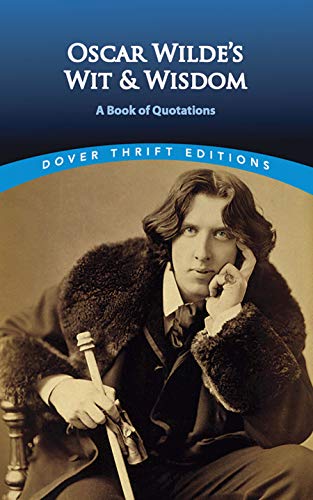
- Nearly 400 quotations
- Covers works and conversation
- Categorized for easy browsing
Best For: Fans of epigrams, aphorisms, and witty social commentary
American Humor
The Wit and Wisdom of Mark Twain

- Hundreds of memorable quotations
- Broad coverage of life, culture, and history
- Balances humor with satire
Best For: Twain fans, writers, speakers, and humor readers
Classic Reference – Bartlett's Familiar Quotations
Bartlett's Familiar Quotations - Revised and Enlarged Fifteenth and 125th Anniversary Edition
Check Price On AmazonFor shoppers seeking comprehensive literary quotation books, Bartlett’s Familiar Quotations is a substantial reference volume with 1,504 pages. This 15th edition and 125th Anniversary Edition is suited to readers who want a traditional, extensive collection in a large hardcover-style reference format.
Best For: Researchers, writers, students, and dedicated quotation collectors who want a broad, long-form reference book.
Pros:
- Extensive 1,504-page print length
- Revised and enlarged 15th edition
- Long-established Bartlett’s reference title
Cons:
- At 4.3 pounds, it is relatively heavy
- Its 1980 publication date may make it less current than newer collections
This is the strongest choice here for sheer reference-book scale. Its size makes it better suited to a desk or home library than casual carrying.
Story-Driven Pick – The Book of Who Said That?
The Book of Who Said That? stands out among literary quotation books by pairing more than 300 quote-focused articles with the stories behind famous words. Its 11 themed chapters cover subjects ranging from ancient wisdom and politics to science, culture, love, marriage, and popular sayings.
Best For: Readers who want historical context, entertaining explanations, and a browsable collection rather than a purely alphabetical reference.
Pros:
- More than 300 articles about famous quotations
- Organized into 11 broad thematic chapters
- 704-page hardcover edition
Cons:
- Its focus on quote origins may be less useful for quick lookup
- The collection covers a wide range of figures and topics rather than only literary sources
Choose this volume if the story behind a quotation matters as much as the quotation itself. It is particularly appealing for relaxed browsing and conversation-starting discoveries.
Literary Specialist – The Oxford Dictionary of Literary Quotations
For a focused literary quotation book, The Oxford Dictionary of Literary Quotations offers 4,000 quotations spanning more than 3,000 years of writing. The quotations are arranged thematically and chronologically by author within each topic, with keyword and author indexes for faster lookup.
Best For: Literature students, writers, teachers, and readers who want organized quotations from Shakespeare through contemporary authors.
Pros:
- Contains approximately 4,000 quotations
- Combines thematic organization with chronological author arrangement
- Includes full keyword and author indexes
Cons:
- At 510 pages, it is less extensive in page count than Bartlett’s
- Its literary focus may be narrower than general quote collections
This is the most targeted option for literary study. Its indexing and structured arrangement make it practical when you need to find a quotation or author efficiently.
Modern Curator – Garner's Quotations
Garner’s Quotations offers a more personal alternative to traditional literary quotation books. Selected by Dwight Garner, the New York Times book critic, this 304-page collection draws on forty years of wide reading and presents a lively, irreverent selection of memorable moments.
Best For: Contemporary readers who prefer a compact, distinctive collection shaped by a literary critic’s individual taste.
Pros:
- Curated by New York Times book critic Dwight Garner
- Draws on four decades of reading
- Compact 304-page paperback format weighing 9.3 ounces
Cons:
- It is a selective personal collection rather than a comprehensive dictionary
- Its irreverent and scabrous tone may not suit every reader
This is the best fit for readers who want personality and discovery over exhaustive coverage. Its lighter format also makes it easier to keep nearby for casual reading.
For Shakespeare Scholars – Shakespeare Lexicon & Quotations
For readers comparing literary quotation books, this substantial reference combines a complete Shakespeare word dictionary with more than 50,000 precisely located quotations. It is designed for serious study, with definitions, usage notes, governing phrases, and references to specific Cambridge edition lines.
Best For: Shakespeare scholars, Renaissance literature students, and readers who need quotations in their original textual context.
Pros:
- Includes every word used in Shakespeare’s accepted plays and poems.
- Offers more than 50,000 exact, precisely located quotations.
- Includes grammatical notes, a glossary of provincialisms, foreign-language material, and a supplement with new findings.
Cons:
- Its 736-page scholarly format may be more reference-oriented than casual readers need.
- This listing is Volume II, covering N–Z.
This is a specialized, authoritative choice rather than a quick inspirational quote collection. Buyers should note that it is the N–Z volume and part of a larger scholarly set.
For Witty American Wisdom – Mark Twain at Your Fingertips
Mark Twain at Your Fingertips: A Book of Quotations (Dover Literature: Literary Collections)
Check Price On AmazonAmong literary quotation books, this collection is a practical pick for readers seeking Mark Twain’s humor and observations in an easy-to-browse format. It gathers material from his novels, diaries, newspaper writing, and correspondence, with subjects arranged alphabetically and supported by topic cross-references.
Best For: Readers, speakers, writers, and Twain fans looking for quotations organized by subject.
Pros:
- Draws from a broad range of Twain’s fiction and nonfiction writing.
- Covers topics including politics, animals, doctors, critics, youth, and laughter.
- Alphabetical organization is supplemented by indexing and topic cross-references.
Cons:
- It focuses exclusively on Mark Twain rather than offering quotations from multiple authors.
- Readers seeking scholarly line-by-line references may prefer a more detailed academic reference.
At 576 pages, this is a substantial but approachable Twain-focused collection. Its alphabetical browsing and cross-references make it useful when you have a topic in mind but not an exact quotation.
For Finding the Right Words – Describer's Dictionary
This entry stands apart from conventional literary quotation books by helping writers move from an idea or impression to the right descriptive term. Its reverse definition-to-term format includes sensory vocabulary, expanded categories, and illustrative passages from more than 600 quoted authors.
Best For: Fiction writers, editors, students, and anyone developing precise descriptive language.
Pros:
- Reverse lookup makes it easy to search from a meaning or impression to a word.
- Adds hundreds of definitions, terms, synonyms, and new subject categories.
- Includes more than 400 new quotations and an index of over 600 authors.
Cons:
- Its primary purpose is descriptive word-finding, not quotation collecting alone.
- The broad reference format may be more than casual readers need.
Choose this volume when your main challenge is expressing an image, sensation, mood, or condition precisely. The literary passages provide examples in context while the dictionary structure keeps the focus on practical writing use.
Classic Bard – Shakespeare: A Book of Quotations
For readers seeking literary quotation books centered on timeless English literature, this affordable Shakespeare collection offers more than 400 quotations arranged by topic. Complete citations make it useful for browsing, study, writing, and reference.
Best For: Shakespeare readers, literature students, writers, speakers, and anyone looking for quotations organized around subjects such as love, morality, beauty, time, and death.
Pros:
- Includes over 400 quotations from Shakespeare’s plays and poems.
- Arranged by convenient topics, including love, conduct, truth, and music.
- Each quotation includes a complete citation.
- Compact, inexpensive 64-page format.
Cons:
- Its brief length means it is a selective treasury rather than a comprehensive Shakespeare reference.
- Focused exclusively on Shakespeare.
This is a practical, highly portable choice when you want clearly cited Shakespeare quotations in a compact volume, particularly for themed browsing or quick reference.
Wilde Wit – Oscar Wilde's Wit and Wisdom
Oscar Wilde's Wit and Wisdom: A Book of Quotations (Dover Thrift Editions: Speeches/Quotations)
Check Price On AmazonAmong literary quotation books, this Dover collection stands out for its focus on Oscar Wilde’s epigrams, aphorisms, and sharp observations. Nearly 400 quotations are organized by category and drawn from his works, conversations, and personal life.
Best For: Readers who enjoy witty, thought-provoking quotations about art, society, morals, politics, human nature, and everyday life.
Pros:
- Collects nearly 400 quotations.
- Includes material from Wilde’s plays, essays, conversations, and personal life.
- Organized by category for easier browsing.
- Offers an accessible introduction to Wilde’s style and personality.
Cons:
- At 64 pages, it is a compact selection rather than an exhaustive collection.
- Its humor and subject matter are specifically centered on Wilde.
This volume is a strong fit for readers who want a concise source of Wilde’s polished, comic, and often perceptive language rather than a general literary quotation anthology.
American Humor – The Wit and Wisdom of Mark Twain
This collection is a lively option for readers comparing literary quotation books with a distinctly American voice. It gathers hundreds of Mark Twain’s memorable comments on life, love, history, culture, travel, and other subjects across five decades of writing and lecturing.
Best For: Writers, speakers, Twain readers, and anyone looking for quotations that combine humor, insight, repartee, and occasional darker satire.
Pros:
- Brings together hundreds of Twain’s quips and observations.
- Covers a broad range of subjects, including travel, culture, love, and history.
- Reflects both light humor and more cynical meditations on human nature.
- Useful as a ready reference or introduction to Twain’s style.
Cons:
- The compact 64-page format limits the breadth of the selection.
- Readers seeking only light humor may find some quotations darker or more satirical.
Choose this book for a compact, approachable introduction to Twain’s wide-ranging humor and perspective, especially when you want quotations with both entertainment value and social observation.
How We Picked the Best Literary Quotation Books
We evaluated these Literary Quotation Books for scope, usefulness, authority, organization, and audience fit. Broad references were considered for the range of authors and subjects they cover, while specialist volumes were judged by how effectively they serve readers interested in a particular writer, period, or research need.
We also considered practical details such as edition size, alphabetical or thematic access, explanatory material, quotation attribution, and whether a book works best as a desk reference, a browsing companion, or a gift. No single title is ideal for every reader, so the selections represent different ways to use a quotation book.
Quick Comparison
- Best all-purpose reference: Bartlett’s Familiar Quotations offers extensive coverage for regular lookup and research.
- Best for quotation background: The Book of Who Said That? emphasizes the stories behind famous sayings.
- Best Oxford reference: The Oxford Dictionary of Literary Quotations suits readers who want a formal literary source.
- Best for language and writing: Describer’s Dictionary combines descriptive vocabulary with literary quotations.
- Best specialist choices: The Shakespeare, Mark Twain, and Oscar Wilde collections focus on individual authors and their distinctive voices.
Key Buying Factors for Literary Quotation Books
Coverage and Focus
Choose a general anthology if you need quotations from many writers, eras, and subjects. A focused volume is usually more satisfying when you are studying Shakespeare, Mark Twain, Oscar Wilde, or another specific author.
Attribution and Context
For academic work, speeches, articles, or professional writing, prioritize books that identify sources clearly and provide useful context. Anecdotal quotation books can be entertaining, but they may serve a different purpose from scholarly dictionaries.
Organization and Usability
Alphabetical author indexes are helpful for finding a known quotation, while subject indexes and thematic sections are better for browsing by idea. Consider whether the book is compact enough for casual reading or substantial enough to keep at a reference desk.
Edition and Physical Format
Check the publication edition, revision status, page count, print size, and binding before buying. Large anniversary or enlarged editions can offer more content, while thrift and Dover-style editions may be easier to afford or give as gifts.
Who Should Buy Which Literary Quotation Books?
Writers, editors, teachers, and researchers will generally benefit most from a comprehensive reference such as Bartlett’s Familiar Quotations, The Oxford Dictionary of Literary Quotations, or Garner’s Quotations.
Readers who enjoy literary history may prefer The Book of Who Said That?, which makes the origins and stories behind quotations part of the experience. Those seeking descriptive language for fiction, criticism, or creative work should look closely at Describer’s Dictionary.
Dedicated admirers of individual authors should choose a specialist collection. Shakespeare readers have several targeted options, while Mark Twain and Oscar Wilde fans can select volumes built around each author’s humor, style, and recurring themes. For a gift, match the recipient’s favorite writer first, then consider whether they want scholarly reference or light browsing.