The right style guide can settle tricky questions about grammar, punctuation, citations, tone, and consistency before they slow down your writing. This roundup compares 10 useful references for professionals, students, editors, and anyone refining their personal style.
Our selections range from comprehensive editorial standards to compact laminated references and practical guides focused on stronger prose or intentional dressing.
Best 10 Style Guides Picks for 2026
Comprehensive Editorial Reference
Chicago Manual of Style, 18th Edition

- 1,192-page reference for writers, editors, and publishers
- Updated coverage of inclusion, accessibility, fiction, and AI
- Reorganized citation guidance and broader examples
Best For: Comprehensive editorial and publishing guidance
Newsroom Standard

- Focused on news writing, editing, and common usage
- Adds 200+ revised or new entries
- Covers AI, immigration, gender, and core mechanics
Best For: Journalists, editors, and journalism students
Compact Writing Classic

- Concise 105-page introduction to English style
- Lightweight format for quick consultation
- Classic Strunk and White guidance with a Roger Angell foreword
Best For: Students and writers seeking foundational style advice
Quick Punctuation Reference
Merriam-Webster’s Guide to Punctuation and Style

- Focused help with punctuation and capitalization
- Covers documentation, copyediting, and proofreading
- Based on real-life American publishing material
Best For: Quick punctuation, formatting, and proofreading checks
Newsroom Precision
The New York Times Style Manual

- Alphabetical quick-reference format
- Covers grammar, punctuation, and usage
- Includes internet and social-media guidance
Best For: Fast, practical answers for writers and editors
Clear Writing Craft

- Explains the thinking behind clear prose
- Uses examples of good and bad writing
- Connects language with cognitive science
Best For: Writers seeking practical principles and deeper understanding
At-a-Glance Chicago
Chicago Manual of Style QuickStudy

- Six-page laminated reference guide
- Covers core Chicago formatting rules
- Includes both citation systems
Best For: Portable Chicago-style checks for papers and manuscripts
Personal Style Guide
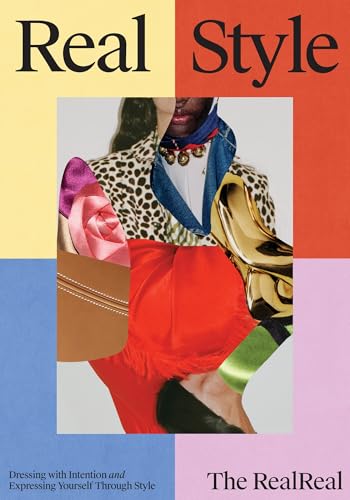
- Explores personal style and self-expression
- Includes exercises, prompts, and wardrobe advice
- Discusses intentional and circular shopping
Best For: Readers refining their wardrobe and personal style
AP Writing Style Guide

- Six laminated pages for rapid reference
- Covers grammar, punctuation, terminology, and ethics
- Useful for journalism, business, and online content
Best For: Media, communications, and business writers
Academic Citation Style Guide

- Combines APA 7th and MLA 9th essentials
- Includes citation, formatting, and mechanics guidance
- Laminated six-page quick-reference format
Best For: Students and educators switching between APA and MLA
Comprehensive Editorial Reference – Chicago Manual of Style, 18th Edition
For writers, editors, publishers, and self-published authors who need broad, current style guides coverage, The Chicago Manual of Style, 18th Edition is the most extensive revision in two decades. Its 1,192 pages address everything from punctuation and citations to inclusive language, accessibility, fiction, and evolving technologies.
Best For: Editors, publishers, academic and nonfiction writers, fiction writers, and self-published authors seeking an expansive reference.
Pros:
- Extensively revised with updated guidance on inclusive language, accessibility, and pronoun use.
- Expands coverage to fiction, creative genres, self-publishing, and AI-related topics.
- Reorganizes citation guidance and includes broader examples for new and experienced users.
Cons:
- Its 1,192-page length may be more reference material than casual writers need.
- Its broad scope can require more searching than a compact quick-reference guide.
This is the strongest choice when you want one substantial reference spanning traditional publishing concerns and newer writing needs. Choose it for depth rather than portability.
Newsroom Standard – AP Stylebook 2026–2028
For journalism, communications, and news-focused writing, The Associated Press Stylebook: 2026–2028 delivers practical style guides coverage for grammar, punctuation, capitalization, abbreviations, and reporting language. This edition includes more than 200 new or revised entries, including guidance on artificial intelligence, immigration, and gender.
Best For: Professional writers, editors, journalism students, and anyone following the Associated Press approach to news writing.
Pros:
- Provides guidance on news writing, editing, storytelling, and common usage.
- Covers core rules for spelling, punctuation, capitalization, abbreviations, and numerals.
- Includes a comprehensive index and current updates on evolving language and world events.
Cons:
- Its news-writing focus may be less suitable for fiction or book-length creative work.
- At 512 pages, it is less expansive than a full editorial manual for some publishing tasks.
This is the natural pick for readers who want the AP’s clarity and professionalism in a current edition. It is especially useful when consistent newsroom conventions matter.
Compact Writing Classic – The Elements of Style
The Elements of Style, Fourth Edition is the compact choice among these style guides, offering a concise introduction to English style in just 105 pages. Its familiar Strunk and White approach combines practical principles with a distinctive tone, wit, and charm.
Best For: Students, newer writers, and readers who want a portable introduction to clear English style.
Pros:
- Short, lightweight, and easy to keep nearby while writing.
- Presents classic guidance on English style in an accessible format.
- Includes a new foreword by Roger Angell.
Cons:
- Its 105 pages provide less coverage than larger, specialized references.
- It is a 1999 fourth edition, so it may not address newer language and publishing issues covered by recent manuals.
Choose this book when simplicity and portability matter more than comprehensive coverage. It works well as a first style reference or a quick reminder of foundational principles.
Quick Punctuation Reference – Merriam-Webster’s Guide to Punctuation and Style
Merriam-Webster’s Guide to Punctuation and Style is a practical quick-reference option for everyday questions about punctuation, capitalization, italicization, quotations, abbreviations, and source documentation. It also adds instructions for notes and bibliographies, plus copyediting and proofreading guidance.
Best For: Writers, students, editors, and proofreaders who want focused answers to punctuation and formatting questions.
Pros:
- Targets common punctuation, capitalization, quotation, and documentation issues.
- Includes guidance for notes, bibliographies, copyediting, and proofreading.
- Uses real-life source material to reflect both consensus and variety in American publishing.
Cons:
- Published in 2001, it may not reflect newer language or technology-related guidance.
- Its focused subject matter is narrower than a comprehensive general style manual.
This guide suits readers who want targeted help without committing to a much larger manual. It is particularly useful for punctuation, documentation, and proofreading tasks.
Newsroom Precision – The New York Times Style Manual
For writers who want a compact, newsroom-tested reference, The New York Times Manual of Style and Usage is a practical choice among style guides. Its alphabetical format covers spelling, grammar, punctuation, capitalization, hyphenation, meaning, and modern internet-era usage for quick lookups.
Best For: Journalists, editors, students, business writers, and anyone who needs fast answers to everyday usage questions.
Pros:
- Designed for quick reference with crisp, compact guidance.
- Addresses links, blogs, tweets, hashtags, and other social-media content.
- Includes thousands of entries on common grammar, punctuation, spelling, and usage questions.
- Uses a practical and occasionally witty tone.
Cons:
- The supplied edition was published in 2015, so some terminology and digital guidance may not reflect current usage.
- Its condensed reference format may offer less extended instruction than a writing course or full-length manual.
This is a strong pick when your priority is speed and consistency rather than lengthy explanations. It works especially well as a desk reference for resolving recurring editorial decisions.
Clear Writing Craft – The Sense of Style
The Sense of Style: The Thinking Person's Guide to Writing in the 21st Century
Check Price On AmazonSteven Pinker’s The Sense of Style takes a thoughtful, accessible approach to style guides, explaining not only what makes writing effective but why. It combines examples of strong and weak prose with insights from cognitive science and a practical focus on writing clearly in the 21st century.
Best For: Writers, students, editors, and curious readers who want to understand the principles behind clear, engaging prose.
Pros:
- Explains writing choices through cognitive science and language analysis.
- Uses examples of both effective and problematic modern prose.
- Applies to writers of many kinds rather than a single profession.
- Aims for practical guidance without a scolding tone.
Cons:
- Its discussion-based approach is less suited to instant, alphabetical lookups.
- Readers seeking a formal citation manual or house-style reference will need another resource.
This book is best when you want to improve judgment, clarity, and reader awareness—not simply check a rule. It offers a more explanatory and intellectually engaging complement to traditional usage manuals.
At-a-Glance Chicago – Chicago Manual of Style QuickStudy
Chicago Manual of Style Guidelines - 18th edition: a QuickStudy Laminated Reference Guide
Check Price On AmazonFor readers who need Chicago-style rules close at hand, this six-page laminated reference guide condenses key material from the 18th edition. It covers manuscript preparation, punctuation, capitalization, numbers, inclusive language, grammar, and both major Chicago documentation systems.
Best For: Students, academics, business writers, and editors who need a portable Chicago-style checklist for papers and publications.
Pros:
- Compact six-page laminated format is easy to keep beside a workspace.
- Covers essentials for academic papers, business reports, and manuscripts.
- Includes examples for both Notes and Bibliography and Author-Date citation systems.
- Addresses practical topics including layout, quotations, abbreviations, and tricky words.
Cons:
- The condensed format cannot provide the depth of the complete Chicago Manual of Style.
- Its small page count may require users to consult a larger source for unusual or complex cases.
This is the most convenient option of the three for quick Chicago-style checks. Choose it when portability and rapid citation or formatting reminders matter more than comprehensive explanations.
Personal Style Guide – Real Style
Real Style: The RealReal Guide to Dressing with Intention & Expressing Yourself Through Style
Check Price On AmazonReal Style is one of the more reflective style guides in this roundup, focusing on discovering, defining, and evolving personal style rather than following fashion rules. Its exercises, expert advice, wardrobe guidance, and community perspectives make it a practical choice for readers who want to dress with more intention.
Best For: Fashion enthusiasts and style-curious readers exploring personal identity, wardrobe building, or more thoughtful shopping habits.
Pros:
- Focuses on individual style rather than traditional fashion trends.
- Includes interactive exercises, reflection prompts, and practical wardrobe advice.
- Addresses body-conscious dressing, style evolution, and circular shopping.
Cons:
- Its personal and exploratory approach may be less useful for readers seeking strict formatting rules.
- Publication is listed for October 20, 2026.
Choose this guide if you want a conversational, introspective resource for refining how you dress and express yourself. It is less of a technical manual and more of a guided process for developing a personal style point of view.
AP Writing Style Guide – AP Style Guide
This laminated AP reference guide is built for fast lookups when accuracy, clarity, and consistency matter. Among these style guides, it is the practical newsroom and communications tool, covering writing, punctuation, terminology, ethics, visuals, social media, and business applications across six durable pages.
Best For: Journalism and communications students, writers, editors, publishers, bloggers, and professionals preparing business or media content.
Pros:
- Compact six-page laminated format is designed for quick access.
- Covers AP principles, punctuation, spelling, terminology, and multiple writing contexts.
- Includes sections for broadcast, business, data journalism, food, social media, and visual accuracy.
Cons:
- Its condensed format cannot replace a more expansive style manual for detailed research.
- It is focused on AP conventions rather than academic citation styles.
This is a strong desk-side or classroom reference for anyone producing public-facing copy under time pressure. Its broad media and business coverage makes it particularly useful when you need a durable reminder of core AP practices without carrying a full-length manual.
Academic Citation Style Guide – APA/MLA Guidelines
This dual-purpose laminated guide brings essential APA 7th-edition and MLA 9th-edition rules into one compact reference. It is a useful addition to a student’s writing toolbox, especially when switching between styles for papers, citations, research projects, or publication-focused work.
Best For: College students, teachers, professors, and professionals who need quick APA and MLA guidance while writing or editing.
Pros:
- Combines two widely used academic writing styles in one six-page guide.
- Includes citation examples, manuscript structure, research-paper format, and works cited guidance.
- Covers writing mechanics, inclusive language, plagiarism, and academic integrity.
Cons:
- The concise laminated format offers quick guidance rather than comprehensive explanations.
- Readers working exclusively in one style may not need the dual-format coverage.
For students and educators, this is one of the most convenient style guides for comparing APA and MLA essentials at a glance. Its durable format and examples can speed up routine writing and editing, while the two-style layout helps when assignments or projects require different conventions.
How We Picked These Style Guides
We selected references that serve distinct writing and style needs rather than listing multiple books with the same purpose. The lineup includes major newsroom standards, academic citation references, general grammar and usage manuals, quick-reference sheets, a craft-focused writing guide, and a personal-fashion style guide.
We considered authority, scope, ease of use, edition currency, portability, and the type of decisions each resource helps readers make. Because style rules vary by field, the best choice depends on whether you need a house standard, a citation system, a grammar reference, or broader guidance on expression.
Quick Comparison
| Best For | Recommended Type | What to Look For |
|---|---|---|
| News and media writing | AP or New York Times style | Current newsroom conventions, names, numbers, and headlines |
| Books, academic prose, and publishing | Chicago style | Detailed explanations, notes, bibliography, and manuscript guidance |
| College papers | APA or MLA reference | In-text citations, formatting, and works-cited or reference rules |
| Everyday grammar and punctuation | General usage guide | Clear examples and accessible explanations |
| Fast desk-side checks | Laminated quick reference | Compact charts, portability, and easy scanning |
| Personal expression | Writing-craft or fashion guide | Principles for voice, confidence, and intentional choices |
Key Buying Factors for Style Guides
Match the Guide to Your Field
Do not choose a newsroom manual for an academic assignment or assume a general grammar book covers citation rules. AP is commonly associated with journalism, Chicago offers broad publishing guidance, and APA and MLA address academic documentation in different ways.
Check the Edition
Style rules, preferred terminology, digital publishing practices, and citation examples change. Choose the newest edition required by your employer, instructor, publisher, or professional organization. A quick-reference sheet is useful only if it matches the standard you must follow.
Balance Depth with Speed
Comprehensive manuals provide context and exceptions but take longer to search. Laminated guides sacrifice detail for quick scanning, making them practical beside a keyboard or in a classroom. Many writers benefit from one authoritative full-length guide plus a compact reference.
Consider Explanation Style
Some resources prescribe rules, while others explain reasoning and usage. If you are learning, look for examples and discussion. If you are editing under deadline, prioritize clear organization, searchable entries, and concise answers.
Who Should Buy Which Style Guides?
Editors, publishers, and detailed generalists: Choose a full Chicago reference when you need extensive coverage and a durable editorial standard.
Journalists and communications teams: An AP or newspaper-specific guide is the better fit when consistency with newsroom conventions matters most.
Students and researchers: Start with the APA or MLA reference required for your course, then add a broader grammar guide if you need help with sentence-level writing.
Writers improving clarity: Choose a general usage or writing-craft book that explains why revisions work, not just which rule to follow.
Busy professionals: A laminated Chicago or AP reference provides fast answers for recurring questions without carrying a large manual.
Readers exploring personal presentation: A style guide centered on dressing with intention belongs in a different category, but it can be useful for developing a more deliberate visual identity.