Choosing world literature for a homeschool curriculum can be challenging: some anthologies are designed for guided language-arts instruction, while others function as substantial college-level reference texts.
This roundup compares 10 notable options across short stories, poetry, drama, historical coverage, and student accessibility so you can select an anthology that matches your family’s goals and workload.
Best 10 World Literature Anthologies for Homeschool Picks for 2026
Language Arts Companion

- Designed for learning language arts through literature
- Focused on world literature
- Published by Common Sense Press
Best For: Homeschool families wanting a literature-centered language-arts resource
Pre-AP Survey
World Literature Short Stories, Poetry & Drama

- Includes short stories, poetry, and drama
- Designed for grades 10–12 and pre-AP use
- Contains 832 pages of world literature
Best For: Advanced secondary homeschool literature study
Comprehensive Reference
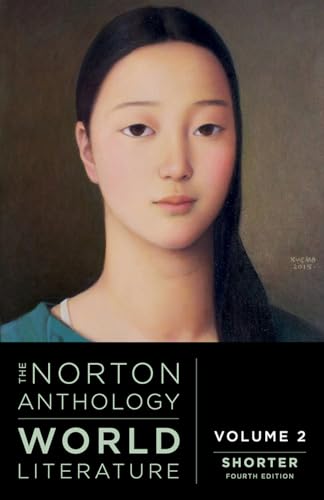
- Shorter Fourth Edition with expanded selections
- Includes new translations and scholarly apparatus
- Offers illustrations and digital resources
Best For: Serious homeschool literature study and reference use
Guided Middle Grades
World Anthology Student Literature

- Covers fiction, nonfiction, poetry, and drama
- Includes vocabulary and controlled reading levels
- Adds discussion, composition, and oral activities
Best For: Structured literature lessons for middle-grade readers
Best Comprehensive Pre-1650 Set
Norton World Literature: Pre-1650

- Fifth Edition with refreshed selections
- Includes new translations and Translation Lab
- Ebook adds annotation, video, and audio tools
Best For: Structured pre-1650 world literature studies
Best Value Classic Edition
Norton Anthology of World Literature

- Fourth Edition with hundreds of selections
- Includes apparatus, illustrations, and digital resources
- Long 1,536-page single-volume format
Best For: Broad, flexible anthology-based curricula
Best Modern-Era Companion
Norton World Literature: Post-1650

- Fifth Edition coverage from 1650 onward
- Refreshes thematic clusters and selections
- Ebook includes annotation, video, and audio
Best For: Chronological studies of post-1650 literature
Most Comprehensive Pick
Norton World Literature, Third Edition

- 1,504-page comprehensive anthology
- New selections, translations, and editorial material
- Maps, timelines, illustrations, and media resources
Best For: In-depth, multi-year homeschool literature studies
Balanced Volume
Norton World Literature, Third Edition

- 1,376 pages of world literature
- Updated selections and translations
- Includes maps, timelines, and media resources
Best For: Broad homeschool surveys with a slightly shorter volume
Portable Classic
Norton World Literature, Shorter Second Edition

- Compact 1,264-page format
- New selections and translations
- Includes color plates and redesigned presentation
Best For: Portable, substantial homeschool literature reading
Language Arts Companion – Gold Book World Literature
For homeschoolers seeking world literature anthologies for homeschool language-arts study, this English-language Gold Book is designed specifically around learning language arts through literature. Its compact format may fit conveniently into a structured course plan.
Best For: Homeschool students and families looking for a literature-centered language-arts resource from Common Sense Press.
Pros:
- Purpose-built for learning language arts through literature.
- Focused on world literature.
- Published by Common Sense Press.
Cons:
- The supplied details do not specify grade level, page count, or included authors and selections.
- English only, based on the listed language.
This is the most directly homeschool-oriented option in the group, especially for families wanting a dedicated language-arts-through-literature approach. Review the table of contents and course requirements before purchasing to confirm fit.
Pre-AP Survey – World Literature Short Stories, Poetry & Drama
Among world literature anthologies for homeschool use, this 832-page Glencoe/McGraw-Hill anthology offers substantial coverage of short stories, poetry, and drama from around the world. Its listed grade range and pre-AP positioning make it a strong candidate for advanced secondary study.
Best For: Grades 10–12 students preparing for pre-AP-level literature work and wanting multiple literary genres in one volume.
Pros:
- Includes short stories, poetry, and drama.
- Features literature from around the world.
- Listed as great for pre-AP and intended for grades 10–12.
- Provides a substantial 832 pages of content.
Cons:
- At 2.81 pounds, it may be relatively heavy for daily transport.
- Published in 2003, so it is not a recent edition.
Its genre variety and stated pre-AP suitability give advanced homeschoolers a clear academic focus. Families wanting newer scholarship or a lighter book may prefer to compare it with more recent alternatives.
Comprehensive Reference – Norton World Literature
For families comparing world literature anthologies for homeschool, The Norton Anthology of World Literature provides a broad, reference-style collection in the Shorter Fourth Edition. The publisher highlights expanded selections, new translations, illustrations, helpful apparatus, and digital resources.
Best For: Homeschool students seeking an extensive, academically oriented world-literature reference with supporting materials.
Pros:
- The Shorter Fourth Edition includes expanded and new selections.
- Offers new translations of major works.
- Includes helpful apparatus, illustrations, and digital resources.
- Provides 1,488 pages across the listed two-volume edition.
Cons:
- The listed edition is Book 1 of 2, so the complete set may require another volume.
- Its extensive academic format may be more than younger or casual readers need.
This is the strongest choice for a serious, long-term literature reference, particularly when translation and editorial support matter. Confirm whether the listing includes the full two-volume set before ordering.
Guided Middle Grades – World Anthology Student Literature
This student anthology is a practical option among world literature anthologies for homeschool, especially for learners who benefit from structured activities. It combines fiction, nonfiction, poetry, and drama with controlled reading levels, vocabulary work, discussion questions, and composition topics.
Best For: Students around reading levels 5–9, with the listed grade range of 7–9 and interest range of 6–12.
Pros:
- Covers fiction, nonfiction, poetry, and drama.
- Uses controlled reading levels and includes a vocabulary strand.
- Provides discussion questions, composition topics, and oral interpretation activities.
- Emphasizes literary elements, reading, and critical-thinking skills.
Cons:
- Published in 1992, making it an older resource.
- The supplied details do not identify the number of pages or specific anthology volume.
Its built-in questions and writing activities make it especially useful for independent or lightly guided homeschool lessons. The controlled reading approach may support developing readers, while older publication details warrant checking the condition and exact contents.
Best Comprehensive Pre-1650 Set – Norton World Literature: Pre-1650
For homeschoolers seeking world literature anthologies for homeschool study, this Fifth Edition volume set offers a broad pre-1650 foundation with refreshed selections, new translations, and teaching-focused features.
Best For: Families building a structured study of foundational world literature written before 1650.
Pros:
- Includes new translations, including Emily Wilson’s Iliad and Kimi Traube’s Don Quixote.
- Features Translation Lab activities and refreshed thematic clusters on topics such as storytelling and travel.
- Available as an ebook with annotation tools, video, and audio through the Norton Ebook Reader platform.
Cons:
- The set is substantial, weighing approximately 5 pounds.
- Its teaching-oriented features may be more extensive than needed for casual reading.
This is a strong choice when you want an inclusive, academically substantial pre-1650 anthology with updated translations and digital support for guided homeschool lessons.
Best Value Classic Edition – Norton Anthology of World Literature
This Fourth Edition is a practical option for homeschoolers comparing world literature anthologies for homeschool use, combining hundreds of selections, explanatory apparatus, illustrations, and digital resources in one large volume.
Best For: Families wanting a broad, single-volume anthology for an affordable, flexible literature curriculum.
Pros:
- Contains hundreds of literary selections across world literature.
- Includes helpful apparatus and illustrations to support reading and discussion.
- Offers new selections, new translations, and a suite of digital resources.
Cons:
- It is the Fourth Edition rather than the newer Fifth Edition.
- At 1,536 pages, it may be cumbersome for younger students to manage.
Choose this edition if breadth and value matter most and you do not specifically need the Fifth Edition’s newly described Translation Lab and updated digital presentation.
Best Modern-Era Companion – Norton World Literature: Post-1650
For homeschool families covering later literary history, this Fifth Edition volume supports world literature anthologies for homeschool planning with inclusive post-1650 coverage, refreshed thematic clusters, and enhanced reading tools.
Best For: Students studying world literature from 1650 onward as part of a chronological or modern-era course.
Pros:
- Part of the inclusive Fifth Edition of the Norton world literature anthology.
- Uses refreshed clusters around themes such as storytelling and travel.
- Complete ebook access includes annotation tools, video, and audio through the Norton Ebook Reader platform.
Cons:
- The volume is sizable, weighing approximately 4 pounds.
- Its scope and teaching resources may feel extensive for a short or informal unit.
This volume works especially well alongside a pre-1650 course or as the main text for a later-world-literature sequence needing substantial selections and digital enrichment.
Most Comprehensive Pick – Norton World Literature, Third Edition
For homeschool families seeking world literature anthologies for homeschool study, this Third Edition offers an extensive, structured collection with updated selections, translations, introductions, and teaching resources. Its 1,504-page format suits broad, multi-year reading plans or in-depth literature surveys.
Best For: Homeschoolers who want a comprehensive anthology with substantial editorial and visual support.
Pros:
- Includes dozens of new selections and translations.
- Features all-new introductions and headnotes.
- Adds illustrations, redesigned maps, timelines, and media resources.
- Available as an interactive ebook at a lower price than the print edition.
Cons:
- At 1,504 pages, it may be more extensive than needed for a short course.
- The large format may be less convenient for younger students or casual reading.
This is the strongest choice when breadth and built-in context matter most. Families planning a serious world literature sequence should appreciate its scale and teaching-oriented design.
Balanced Volume – Norton World Literature, Third Edition
This 1,376-page edition is a practical option for homeschool families comparing world literature anthologies for homeschool use. It retains the Third Edition’s updated selections, translations, introductions, and supporting resources in a slightly shorter format than the companion volume.
Best For: Families wanting broad coverage while keeping the reading load somewhat more manageable.
Pros:
- Offers dozens of new selections and translations.
- Includes all-new introductions and headnotes.
- Provides illustrations, maps, timelines, and media resources.
- Uses the trusted Norton anthology format.
Cons:
- Still a substantial 1,376-page textbook.
- The supplied notes do not identify the specific differences in selections from the other Third Edition volume.
This version provides a strong middle ground: extensive enough for a serious survey, but modestly shorter than the 1,504-page edition. Check the table of contents if particular authors or periods are central to your plan.
Portable Classic – Norton World Literature, Shorter Second Edition
Families looking for more compact world literature anthologies for homeschool may prefer this Shorter Second Edition. It presents a rich selection in a redesigned 1,264-page volume, with new translations, color plates, and a format intended to be portable and teachable.
Best For: Homeschool students who need a substantial anthology in a compact format.
Pros:
- Designed as a compact, portable version of the Norton anthology.
- Includes new selections and translations.
- Offers generous portions of world literature.
- Adds a new design and color plates.
Cons:
- It is the Shorter Second Edition rather than the newer Third Edition.
- At 1,264 pages, it remains a sizable book despite its compact format.
This is a sensible pick for families prioritizing portability without giving up a substantial reading collection. Choose it when the shorter edition’s format and included selections fit your curriculum better than the newer edition.
How We Picked These World Literature Anthologies for Homeschool
We evaluated these selections for their usefulness in a homeschool setting rather than treating every anthology as interchangeable. Key considerations included the range of cultures and periods represented, balance among fiction, poetry, and drama, reading accessibility, instructional support, and suitability for independent or parent-led study.
We also considered format and scope. A compact anthology may work well for a middle- or high-school reading list, while a multi-volume reference set can support advanced study, dual enrollment, or a longer literature sequence. Because editions and contents can vary, check the table of contents, publication date, and included notes before purchasing.
Quick Comparison
| Best For | Look For | Typical Advantage |
|---|---|---|
| Structured homeschool lessons | Questions, explanations, and assignments | Easier parent-led planning |
| Broad survey courses | Multiple regions and literary periods | More complete historical coverage |
| Shorter reading selections | Stories, poems, and plays in one volume | Flexible weekly scheduling |
| Advanced students | Scholarly introductions and annotations | Deeper context and analysis |
| Focused historical study | Pre-1650 or post-1650 coverage | Clearer chronological organization |
Key Buying Factors for World Literature Anthologies for Homeschool
Age Level and Reading Load
Match the anthology’s complexity to the student’s maturity and stamina. Dense notes and lengthy excerpts may benefit advanced readers but overwhelm younger students. A collection with shorter selections can make it easier to maintain a consistent schedule.
Scope and Cultural Balance
Look beyond the title and verify which regions, languages, authors, and time periods are included. If your course emphasizes global breadth, choose a collection with meaningful representation across continents rather than one concentrated mainly in Western traditions.
Instructional Support
For independent work, introductions, glossaries, discussion questions, and background notes can be especially valuable. If you already use a separate literature curriculum, a text-only anthology may be sufficient and more economical.
Format, Edition, and Cost
Compare paperback, hardcover, digital, and multi-volume editions. Larger sets offer depth but require more storage and may be expensive to replace. Confirm that the edition includes the selections and supplementary material your course requires.
Who Should Buy Which World Literature Anthologies for Homeschool?
Families wanting a guided language-arts experience should prioritize an anthology with built-in teaching support. Students taking a broad high-school survey may prefer a single-volume collection that mixes genres and periods. Advanced learners, homeschool co-ops, and college-preparatory programs should consider annotated Norton editions or other scholarly sets for stronger historical context.
If your student is studying a specific era, a pre-1650 or post-1650 volume can provide a more focused sequence than a general survey. For families still developing their reading plan, choose the most manageable anthology first, then add specialized volumes only when the student’s goals and workload justify them.