Finding the right creative writing workbook can turn a vague story idea into a focused draft. The best options combine useful prompts, craft instruction, character tools, and exercises that help short story writers keep practicing.
We compared 10 workbooks, journals, and writing guides for different experience levels and working styles—from flash fiction templates and prompt-heavy journals to deeper references on structure, psychology, and revision.
Best 10 Creative Writing Workbooks for Short Story Writers Picks for 2026
Best All-Rounder
The Short Story Writer's Workbook

- Covers flash, micro, competition, and commercial stories
- Includes craft plus publication-focused guidance
- Written by experienced authors and creative-writing tutors
Best For: Writers seeking broad short-fiction guidance
Best for Character Depth
The Psychology Workbook for Writers

- Applies psychological theory to fiction
- Includes character and story worksheets
- Focuses on realism, motivation, and conflict
Best For: Writers developing believable characters
Best Prompt Journal

- Offers 200 exercises across 10 genres
- Adds 15 word associations to each prompt
- Includes space for handwritten story development
Best For: Writers seeking ideas and block-breaking exercises
Best Craft Classic

- Covers structure, pacing, dialogue, and ideas
- Includes examples and practical exercises
- Revised and expanded third edition
Best For: Beginning writers building core short-fiction skills
Quick-Start Prompt Journal

- Short prompts for breaking writer's block
- Two lined pages per prompt
- Large 8.5 x 11-inch writing format
Best For: Warm-up writing and imaginative story starts
Complete Craft Guide
Crafting Novels & Short Stories

- Covers major fiction-writing techniques
- Includes revision and publication guidance
- Works for short stories and novels
Best For: Broad, structured fiction-craft study
High-Volume Idea Generator
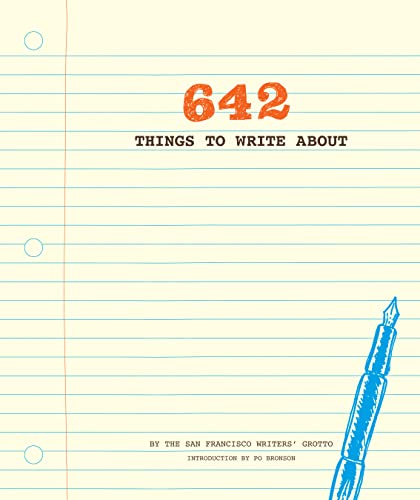
- Offers 642 varied writing prompts
- Includes 304 pages of guided space
- Suitable for novice and seasoned writers
Best For: Frequent idea generation and playful practice
Best for Fast Flash Fiction

- Focused on flash and micro fiction
- Templated approach for quick story drafting
- Compact approximately 100-page format
Best For: Writers practicing concise flash fiction
Best for Playful Skill-Building

- Offers more than 50 themed exercises
- Covers story ideas, character, structure, and technique
- Designed for fiction, screen, and playwriting
Best For: Writers seeking varied exercises and creative momentum
Best Comprehensive Fiction Guide

- Guides writers from idea through revision
- Combines process, craft, and literary examples
- Works for self-study and creative-writing classes
Best For: Writers wanting broad, structured fiction instruction
Best All-Rounder – The Short Story Writer's Workbook
For writers comparing creative writing workbooks for short story writers, this guide offers broad coverage of the form, from flash and micro fiction to competition and commercial-magazine stories. It is designed to support the writing journey from early planning through publication goals.
Best For: Writers who want structured guidance across multiple short-story formats and an introduction to competition or publication considerations.
Pros:
- Covers several short-story types, including flash, micro fiction, and one-thousand-word stories.
- Addresses both writing craft and competition or publication success.
- Written by authors and creative-writing tutors with extensive teaching experience.
- Includes 162 pages in an accessible, enhanced-typesetting ebook format.
Cons:
- Its wide scope may provide less depth on any one story format.
- The material is aimed at short fiction generally rather than a single writer level or genre.
This is a versatile choice for writers who want one workbook-style resource covering both craft and the practical side of submitting short stories.
Best for Character Depth – The Psychology Workbook for Writers
The Psychology Workbook for Writers: Tools for Creating Realistic Characters and Conflict in Fiction
Check Price On AmazonAmong creative writing workbooks for short story writers, this compact guide focuses on the human behavior behind believable characters and convincing conflict. Each chapter connects psychological theory with practical worksheets for applying it to fiction.
Best For: Short-story writers who want more realistic characters, layered motivations, and stronger interpersonal conflict.
Pros:
- Uses psychology and counseling knowledge as a foundation for fiction exercises.
- Provides two worksheets per chapter: one for characters and one for story development.
- Offers simple, easy-to-follow tools for creating rounded characters and conflict.
- Its 90-page length makes it a focused, portable workbook.
Cons:
- Its emphasis is on psychology, characters, and conflict rather than every element of short-story craft.
- Writers seeking extensive structure, pacing, or genre instruction may need another resource.
This is a targeted workbook rather than a complete short-fiction course, making it especially useful when character realism and conflict are the areas needing the most attention.
Best Prompt Journal – Create a Story
Create a Story: A Prompt Journal to Help You Write a Story (Volume 19) (Creative Keepsakes, 19)
Check Price On AmazonFor writers who need regular idea generation, this prompt journal is a hands-on option among creative writing workbooks for short story writers. It combines 200 exercises, genre-spanning scenarios, word associations, and space to develop each idea on paper.
Best For: Writers overcoming blocks, experimenting with genres, or building a consistent freewriting habit.
Pros:
- Includes 200 exercises across 10 genres.
- Pairs each scenario with 15 words to help spark associations and directions.
- Provides ample writing space for developing responses beyond the initial prompt.
- Supports both screen-free journaling and flexible creative exploration.
Cons:
- It is primarily a prompt-and-writing journal, not a detailed guide to story structure or revision.
- The broad genre mix may feel less specialized for writers focused exclusively on one type of short fiction.
This journal is a practical pick for generating raw material and keeping your writing moving, especially when you value variety and a tangible space for experimentation.
Best Craft Classic – Creating Short Fiction
Writers evaluating creative writing workbooks for short story writers may appreciate this revised and expanded classic for its direct treatment of core craft. It covers structure, pacing, dialogue, and idea generation, with examples and exercises drawn from teaching and workshop experience.
Best For: Beginning short-story writers who want a structured craft guide with practical exercises and established workshop-tested advice.
Pros:
- Covers essential areas including structure, pacing, dialogue, and getting ideas.
- Combines explanation with examples and exercises.
- Draws on decades of writing and teaching experience.
- The third edition provides a substantial 217-page digital resource.
Cons:
- It is a general short-fiction craft guide rather than a prompt journal or specialized character workbook.
- Its emphasis on foundational advice may be less targeted for writers seeking publication-specific guidance.
This is a strong foundational selection for writers who want practical instruction in the mechanics of short fiction, especially when exercises and workshop-informed advice matter.
Quick-Start Prompt Journal – Writer's Prompt Journal
For writers searching for creative writing workbooks for short story writers, this prompt journal is a practical way to get past the blank page. It provides short imaginative prompts and two lined pages per prompt, making it easy to begin a low-pressure writing session.
Best For: Short story writers who want warm-up exercises and a simple tool for overcoming writer’s block.
Pros:
- Includes a variety of short prompts designed to stimulate imagination.
- Provides two lined pages for each prompt.
- Encourages regular practice, including a two-pages-a-day writing goal.
- Large 8.5 x 11-inch format offers ample writing space.
Cons:
- Its focus is warming up rather than developing polished fiction.
- Limited to 108 pages.
This is a focused choice for generating momentum rather than studying story craft. Choose it when you want quick exercises that help you start writing immediately.
Complete Craft Guide – Crafting Novels & Short Stories
Among creative writing workbooks for short story writers, this comprehensive guide is suited to readers who want instruction alongside their practice. It covers characters, plot, conflict, point of view, setting, dialogue, word choice, revision, and several practical writing concerns.
Best For: Writers seeking a broad reference for planning, drafting, revising, and strengthening short stories or longer fiction.
Pros:
- Covers core fiction elements including character, plot, dialogue, and point of view.
- Includes guidance on setting, backstory, description, and revision.
- Addresses writer’s block, research, getting started, and publication.
- Applies to flash fiction, short stories, novels, and longer projects.
Cons:
- Its 368-page scope may feel more extensive than needed for quick prompts.
- It is a craft guide rather than a dedicated lined writing journal.
This is the strongest all-purpose option of the three for learning technique. It makes sense for writers who want structured craft advice that can support both short-story work and larger fiction projects.
High-Volume Idea Generator – 642 Things to Write About
642 Things to Write About: (Guided Journal, Creative Writing, Writing Prompt Journal)
Check Price On AmazonFor anyone comparing creative writing workbooks for short story writers, this guided journal offers an unusually large bank of prompts. Its 642 exercises range from playful scenarios to philosophical questions, giving writers many ways to practice observation, voice, character, and imaginative thinking.
Best For: Beginners and experienced writers who want frequent, varied prompts for generating ideas and filling writing sessions.
Pros:
- Provides 642 prompts across a wide range of tones and subjects.
- Includes plenty of space to write in a 304-page guided journal.
- Suitable for writers of different experience levels and genres.
- Offers playful exercises designed to encourage creativity.
Cons:
- The prompts are broad and playful rather than a sequential short-story course.
- Some exercises may be less directly focused on fiction craft.
This is a strong pick when variety matters more than step-by-step instruction. It can supply repeated creative starts, while writers who need detailed lessons on plot and revision may prefer the comprehensive craft guide.
Best for Fast Flash Fiction – Micro Fiction Workbook
For writers seeking creative writing workbooks for short story writers, this compact workbook focuses specifically on producing quick, engaging flash fiction. Its templated approach is designed to help you develop a plot, world, or conflict in very few words.
Best For: Writers, students, and kids who want a focused guide to micro fiction and fast short-story practice.
Pros:
- Centers on flash fiction and micro fiction.
- Uses templates to support a fast writing process.
- Compact 6-by-9-inch format with approximately 100 pages.
Cons:
- Its narrow focus may be less useful for writers seeking broader fiction instruction.
- The short format may not provide extensive coverage of revision or longer stories.
This is the most targeted choice for practicing very short fiction. Choose it if you want structured prompts and a streamlined format rather than a comprehensive creative-writing course.
Best for Playful Skill-Building – Creative Writing Exercises
Creative Writing Exercises: Improve Your Craft Through Play (Screen and fiction writing craft)
Check Price On AmazonAmong creative writing workbooks for short story writers, this exercise-driven guide is a flexible option for generating ideas and refreshing your process. It offers more than 50 themed exercises covering story development, craft, and the writer’s mindset.
Best For: Beginner and experienced fiction writers who want varied exercises for overcoming creative blocks and strengthening technique.
Pros:
- Includes over 50 writing exercises.
- Covers ideas, character and motivation, story world, stakes, structure, and technique.
- Explains the value of the exercises and includes general writing and mental-health guidance.
- Suitable for fiction writers as well as screenwriters and playwrights.
Cons:
- Its broad format may feel less specialized for short-story writing than a flash-fiction workbook.
- It is a newer publication, dated September 2025, with no supplied reader-review information.
This book stands out when you want variety rather than a single writing template. Its themed activities make it useful for unlocking ideas, testing craft choices, or changing a stalled routine.
Best Comprehensive Fiction Guide – The Making of a Story
For readers comparing creative writing workbooks for short story writers, The Making of a Story offers a broad, hands-on guide to developing fiction from first idea through final revision. It combines process instruction, craft techniques, and learning through examples from short fiction, essays, and novels.
Best For: Independent writers and creative-writing students who want structured guidance across the complete fiction-writing process.
Pros:
- Covers the process from initial idea to manuscript revision.
- Addresses craft topics including characterization.
- Uses examples from notable short fiction, essays, and contemporary novels.
- Suitable for introductory and advanced creative-writing classes as well as self-study.
Cons:
- Its coverage includes creative nonfiction as well as fiction, so it is not exclusively focused on short stories.
- Writers seeking quick, fill-in templates may prefer a more exercise-centered workbook.
This is the strongest all-around option for writers who want context, craft instruction, and revision guidance in one volume. It is a better fit for sustained study than for rapid flash-fiction drills.
How We Picked These Creative Writing Workbooks for Short Story Writers
We selected books that support the parts of short-story writing where structured practice is most useful: generating ideas, building believable characters, creating conflict, shaping scenes, controlling pace, and revising drafts. We also considered how actively each book engages the writer. A workbook with exercises, templates, or prompts can be more useful for regular practice than a reference book that is mainly instructional, while a craft-focused guide may be better for writers who already have a draft to improve.
The list includes beginner-friendly journals, focused resources for character and flash fiction, broad fiction-writing guides, and more substantial creative-writing references. Because formats vary, compare the intended use before choosing one.
Quick Comparison
- Best for a complete short-story roadmap: Choose a dedicated short-fiction guide with instruction on premise, structure, scenes, and revision.
- Best for daily practice: Prompt journals and warm-up workbooks provide low-pressure exercises for building consistency.
- Best for character depth: A psychology-based workbook can help develop motivation, internal conflict, and realistic reactions.
- Best for flash fiction: Look for templates and exercises that emphasize economy, compression, and fast drafting.
- Best for advanced study: Comprehensive craft guides offer more analysis and theory, but may require sustained reading and note-taking.
Key Buying Factors for Creative Writing Workbooks for Short Story Writers
Exercise Type and Structure
Decide whether you want open-ended prompts, guided questions, fill-in templates, or full lessons followed by assignments. Prompts are ideal for idea generation, while structured lessons are more helpful when you need to understand why a story is not working.
Short-Story Relevance
Some fiction books cover novels and short stories equally. That broader scope can be valuable, but writers focused on shorter forms should prioritize material on compression, limited casts, scene selection, endings, and narrative focus.
Character and Conflict Tools
Strong workbooks should move beyond appearance and backstory. Look for exercises that connect a character’s goals, fears, choices, relationships, and contradictions to the central conflict.
Writing Format and Usability
Check whether the book is designed to be written in directly, used alongside a notebook, or read as a reference. A portable journal suits frequent short sessions; a larger guide may be better for desk-based study and repeated consultation.
Who Should Buy Which Creative Writing Workbooks for Short Story Writers?
New writers should start with a guided prompt journal or accessible workbook that makes it easy to begin without planning an entire story first. Writers with recurring ideas but unfinished drafts may benefit from a dedicated short-fiction guide covering structure, scenes, and revision. Character-focused writers should choose exercises centered on psychology, motivation, and conflict. Flash-fiction writers will get the most value from concise templates and limitations that encourage decisive word choices. Experienced writers and students may prefer a comprehensive craft reference with substantial discussion and exercises they can revisit across multiple projects.
Before buying, consider your immediate goal: generating material, learning fundamentals, solving a draft problem, or establishing a daily routine. The best workbook is the one whose format matches how you actually write and gives you exercises you will return to after the first session.