The best classic fairy tale collections make story time more memorable while introducing readers to enduring characters, magical worlds, and traditional storytelling.
Our selection includes illustrated children’s treasuries, boxed sets, literary editions, and collections of influential tales by the Brothers Grimm and Hans Christian Andersen.
Best 10 Classic Fairy Tale Collections Picks for 2026
Best for Preschool Bedtime
Illustrated Fairy Tales Treasury

- Eight familiar stories for young children
- Short tales suit bedtime routines
- Giftable hardcover treasury format
Best For: Preschool storytime and family reading
Best Complete Classic
The Complete Grimms' Fairy Tales

- Complete, unabridged 760-page collection
- Includes famous and lesser-known tales
- Deluxe hardbound edition for collectors
Best For: Older children, collectors, and literary readers
Best Traditional Treasury
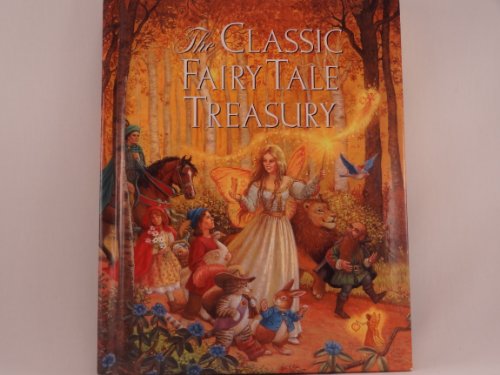
- Dedicated collection of classic fairy tales
- Substantial 2.9-pound book format
- Andrews McMeel publication
Best For: Building a traditional home book collection
Best Multi-Book Set
My First Fairytale Children Classics

- Includes 10 separate storybooks
- Mixes fairy tales and children’s classics
- Compact format suits short reading sessions
Best For: Young children building a varied starter library
Illustrated Andersen Favorites
Hans Christian Andersen Treasury

- Includes The Little Mermaid, The Snow Queen, and Thumbelina
- Illustrated by Anastasiya Archipova
- 216 pages for ages 3–8
Best For: Young children and family read-alouds
Generational Storybook Pick

- Contains 19 fairy tales
- Illustrated by Diane Goode
- 224 pages for ages 4–8
Best For: Traditional family storytime
Global Treasury Option
International Classic Fairy Tales

- Includes 382 pages of fairy tales
- Translated from an Italian edition
- Large 11.6-by-9.4-inch format
Best For: Readers seeking a substantial international collection
Illustrated Keepsake
The Golden Book of Fairy Tales

- 28 tales from five storytelling traditions
- Adrienne Ségur’s dreamlike illustrations
- Large 160-page keepsake format
Best For: Shared reading and gift giving
Preschool Storytime Pick
My Favorite Fairy Tales Collection

- Eight familiar stories for ages 3–5
- Questions encourage retelling and comprehension
- Sturdy, glossy hardcover design
Best For: Everyday preschool storytime
Art-Led Treasury

- 10 selected classic fairy tales
- 75 full-color oil paintings
- Chesley Award-winning collection
Best For: Art-focused family libraries
Best for Preschool Bedtime – Illustrated Fairy Tales Treasury
Fairy Tales Treasury: A Timeless Collection of Favorite and Classic Fairy Tales Stories for Children
Check Price On AmazonFor families seeking classic fairy tale collections for young children, this illustrated hardcover treasury offers eight familiar stories in a giftable 192-page format. The short tales can fit easily into bedtime routines and shared reading sessions.
Best For: Preschool storytime, bedtime reading, and introducing children ages 1–4 to well-known fairy tales.
Pros:
- Includes eight recognizable favorites, including Cinderella, Snow White, and The Gingerbread Man.
- Short stories make it easier to adjust reading time.
- Hardcover treasury format is suitable for gifting and family libraries.
Cons:
- Its preschool focus may feel too simple for older independent readers.
- It contains a curated selection rather than a complete fairy-tale collection.
This is a practical pick when you want familiar stories, approachable length, and a format that supports regular parent-child reading.
Best Complete Classic – The Complete Grimms' Fairy Tales
Readers looking for classic fairy tale collections in a fuller literary edition may prefer this deluxe hardbound volume. At 760 pages, it presents a complete and unabridged collection aimed at older children, families, collectors, and classic-literature readers.
Best For: Readers ages 9 and up, read-aloud sessions, collectors, and anyone interested in the original moral and darker themes of Grimms’ tales.
Pros:
- Complete and unabridged collection with 760 pages.
- Includes famous tales alongside lesser-known stories.
- Deluxe hardbound presentation works well for collecting or gifting.
Cons:
- The 9+ reading guidance makes it less suitable for very young children.
- Its substantial length may be more than casual bedtime readers need.
Choose this edition when breadth, original storytelling, and a substantial collector-friendly presentation matter more than a simplified children’s format.
Best Traditional Treasury – Classic Fairy Tale Treasury
This traditional treasury is a straightforward option for shoppers comparing classic fairy tale collections and wanting a dedicated fairy-tale volume. The supplied details identify it as a 1995 Andrews McMeel publication, with a substantial listed weight of 2.9 pounds.
Best For: Readers who want a traditional fairy-tale treasury for a home collection and prefer a substantial physical book.
Pros:
- Focused specifically on classic fairy tales.
- Substantial 2.9-pound format suggests a sizeable treasury presentation.
- Published by Andrews McMeel.
Cons:
- The supplied listing provides limited information about story selection and illustrations.
- It does not include a stated reading age or page count.
Because the available listing information is brief, verify the contents and edition details before buying if specific stories or illustrations are important to you.
Best Multi-Book Set – My First Fairytale Children Classics
For families who prefer several small books over one large volume, this 10-book picture collection offers an accessible introduction to classic fairy tale collections. The set includes Cinderella, The Ugly Duckling, The Three Little Pigs, Pinocchio, Little Red Riding Hood, The Little Mermaid, Goldilocks, The Gingerbread Man, Rapunzel, and The Three Billy Goats.
Best For: Young children who enjoy individual picture books, repeated reading, and a varied starter library of familiar stories.
Pros:
- Provides 10 separate books in one collection.
- Covers a broad mix of fairy tales and children’s classics.
- Compact picture-book format supports short, focused reading sessions.
Cons:
- The supplied listing does not state a specific reading-age range.
- Some title descriptions are abbreviated in the listing, so check the set contents carefully.
- The collection is heavier overall at 3.98 pounds.
This set is a strong choice when variety and separate booklets are more useful than a single consolidated treasury, especially for children who like choosing their own story.
Illustrated Andersen Favorites – Hans Christian Andersen Treasury
For readers seeking classic fairy tale collections with a strong focus on Hans Christian Andersen, this illustrated treasury offers 216 pages of familiar and lesser-known magic. It includes The Little Mermaid, The Snow Queen, Thumbelina, The Princess and the Pea, and The Emperor’s New Clothes, with illustrations by Anastasiya Archipova.
Best For: Families shopping for an illustrated Andersen collection for children ages 3–8 and readers who want a giftable hardcover-style treasury designed for little hands.
Pros:
- Includes several of Andersen’s best-known fairy tales.
- Features charming illustrations by Anastasiya Archipova.
- Offers a substantial 216-page collection in English.
- Suitable for the listed reading age of 3–8 years.
Cons:
- Focuses specifically on Andersen rather than a broad mix of fairy-tale authors.
- The listed reading range may not suit older independent readers seeking more advanced editions.
This is a strong choice when you want one polished volume centered on Andersen’s enduring stories. Its illustrations, approachable format, and gift-oriented presentation make it especially appealing for shared family reading.
Generational Storybook Pick – Random House Fairy Tales
Among classic fairy tale collections, The Random House Book of Fairy Tales is a straightforward choice for families wanting a traditional treasury. The 224-page volume gathers 19 tales and is illustrated by Diane Goode.
Best For: Children ages 4–8, preschool through third grade readers, and families looking for a generously illustrated collection of 19 traditional stories.
Pros:
- Collects 19 fairy tales in one volume.
- Illustrated by Diane Goode.
- Fits the listed reading range of ages 4–8.
- Provides 224 pages of story content.
Cons:
- The supplied description does not identify the individual tales included.
- Published in 1985, so it is an older edition.
This treasury suits buyers who value a classic, established storybook format and a substantial selection of tales. Because the description does not list the contents, check the edition details if specific stories are essential.
Global Treasury Option – International Classic Fairy Tales
For shoppers comparing classic fairy tale collections with a broader international angle, this 382-page volume offers a substantial selection in English. The supplied description identifies it as a translation from an Italian edition and lists a large, illustrated-book format.
Best For: Readers who want a lengthy English-language collection with an international presentation and a large format for browsing or shared reading.
Pros:
- Offers 382 pages, making it the longest collection in this roundup.
- Presents classic fairy tales in an English translation from an Italian edition.
- Large 11.6-by-9.4-inch format may suit display and shared reading.
- Substantial 4.54-pound volume.
Cons:
- The supplied notes do not list the individual stories or reading age.
- Its 4.54-pound weight may be cumbersome for young children.
- Published in 1998, making it an older edition.
This collection is best considered when breadth and physical scale matter more than a clearly specified age range or table of contents. Its international translation background gives it a distinct profile among the three options.
Illustrated Keepsake – The Golden Book of Fairy Tales
For shoppers seeking classic fairy tale collections with heirloom appeal, The Golden Book of Fairy Tales pairs 28 traditional stories with Adrienne Ségur’s delicate, dreamlike illustrations. Its broad selection and large illustrated format make it especially suited to shared reading and display.
Best For: Families wanting a substantial story treasury and a keepsake-style picture book for children ages 3–8.
Pros:
- Includes 28 tales from French, German, Danish, Russian, and Japanese traditions.
- Features beloved stories such as Cinderella, Sleeping Beauty, and Beauty and the Beast.
- Showcases Adrienne Ségur’s acclaimed illustrations in a 160-page volume.
Cons:
- Its 2.65-pound weight and large dimensions may be less convenient for small hands.
- The collection may be more substantial than needed for readers seeking only a few stories.
This is a strong choice when visual presentation and variety matter as much as the stories themselves. The classic 1958 source material and illustrated keepsake format give it lasting shelf appeal.
Preschool Storytime Pick – My Favorite Fairy Tales Collection
My Favorite Fairy Tales Collection is a practical pick among classic fairy tale collections for preschoolers. It gathers eight familiar stories in a sturdy hardcover with bright illustrations, glossy pages, and simple end-of-story questions that encourage retelling and comprehension.
Best For: Children ages 3–5 who are building early reading and listening skills through short, familiar tales.
Pros:
- Includes eight recognizable stories, including Cinderella, Goldilocks, and The Gingerbread Man.
- End-of-story questions support retelling and basic comprehension.
- Sturdy binding, glossy pages, and a child-friendly size suit everyday storytime.
Cons:
- With eight stories, it offers a smaller selection than larger fairy-tale treasuries.
- The reading range is focused on younger children ages 3–5.
This collection prioritizes accessibility over breadth. Its durable construction and built-in questions make it a useful choice for bedtime, preschool reading, or an introductory fairy-tale shelf.
Art-Led Treasury – Classic Fairy Tales Vol 1
For readers who value artwork as much as storytelling, Classic Fairy Tales Vol 1 is a standout among classic fairy tale collections. It presents 10 well-loved tales alongside 75 full-color oil paintings created over more than four years, giving the book an especially polished visual character.
Best For: Families looking for an art-focused illustrated collection for preschool and early elementary shelves.
Pros:
- Features 10 best-loved fairy tales in a focused 144-page volume.
- Includes 75 full-color oil paintings by the artist-editor.
- Won a Chesley Award and has a substantial illustrated-book presentation.
Cons:
- It contains fewer stories than some larger collections.
- The 2.31-pound, oversized format may be cumbersome for very young children.
This volume is best considered a visual showcase as well as a storybook. Choose it when carefully developed artwork and a curated selection are more important than maximizing the number of tales.
How We Picked These Classic Fairy Tale Collections
We looked for collections that offer strong story selection, dependable presentation, and a clear audience fit. Because “classic” can mean different things, this roundup includes both traditional texts and child-friendly retellings or adaptations. We also considered whether each book works well for read-aloud sessions, independent reading, gifting, classroom libraries, or personal collections.
Illustrations, binding, format, story count, and the likely reading age all matter. A compact paperback may be ideal for everyday use, while a hardbound treasury or boxed set can be better suited to gifting and long-term shelf display.
Quick Comparison
| Best For | Look For | Collection Type |
|---|---|---|
| Young children | Large illustrations and simplified text | Picture-book treasury |
| Family read-alouds | Broad story variety and comfortable formatting | General treasury |
| Traditional literature fans | Complete or minimally adapted texts | Grimm or Andersen collection |
| Gifts and keepsakes | Decorative binding and durable construction | Deluxe edition |
| Early readers | Multiple short books and manageable page counts | Boxed collection |
Key Buying Factors for Classic Fairy Tale Collections
Audience and Reading Level
Check the intended age range, vocabulary, font size, and story length. Younger children generally benefit from shorter retellings and generous illustrations, while older readers may prefer complete versions with more complex language and darker original themes.
Adaptations Versus Original Texts
Some collections retell familiar plots in modern, simplified language. Others preserve traditional translations or source texts. If historical or literary accuracy matters, look for editions that identify the translator, compiler, or original author.
Illustrations and Design
Art can make a major difference in read-aloud appeal. Look for illustrations that support the story without overwhelming the text. A well-designed layout, readable type, and clear chapter or tale organization also improve everyday usability.
Durability and Format
Hardcover books and boxed sets typically withstand repeated handling better than thin paperbacks, although they may cost more and weigh more. Consider available shelf space and whether the collection will travel between rooms, schools, or homes.
Story Selection
Compare the included tales before buying. Some books emphasize popular stories such as Cinderella, Snow White, and The Three Little Pigs; others focus on lesser-known international, Grimm, or Andersen tales. A broader selection offers more variety, while a focused volume may better suit a particular interest.
Who Should Buy Which Classic Fairy Tale Collections?
Choose an illustrated treasury for younger children and shared bedtime reading. A multi-book boxed set is a practical choice for early readers who enjoy having a new short volume to select. Families seeking variety should prioritize a broad general collection, while readers interested in folklore and literary history may prefer a complete Grimm or Andersen edition.
For birthdays, holidays, or milestone gifts, a deluxe hardbound collection provides a more substantial presentation. Collectors should pay attention to publisher, edition, binding, and illustration style, since these details can matter as much as the story list. Before purchasing, confirm the format and contents so the collection matches the reader’s age, reading goals, and preferred version of these enduring tales.